
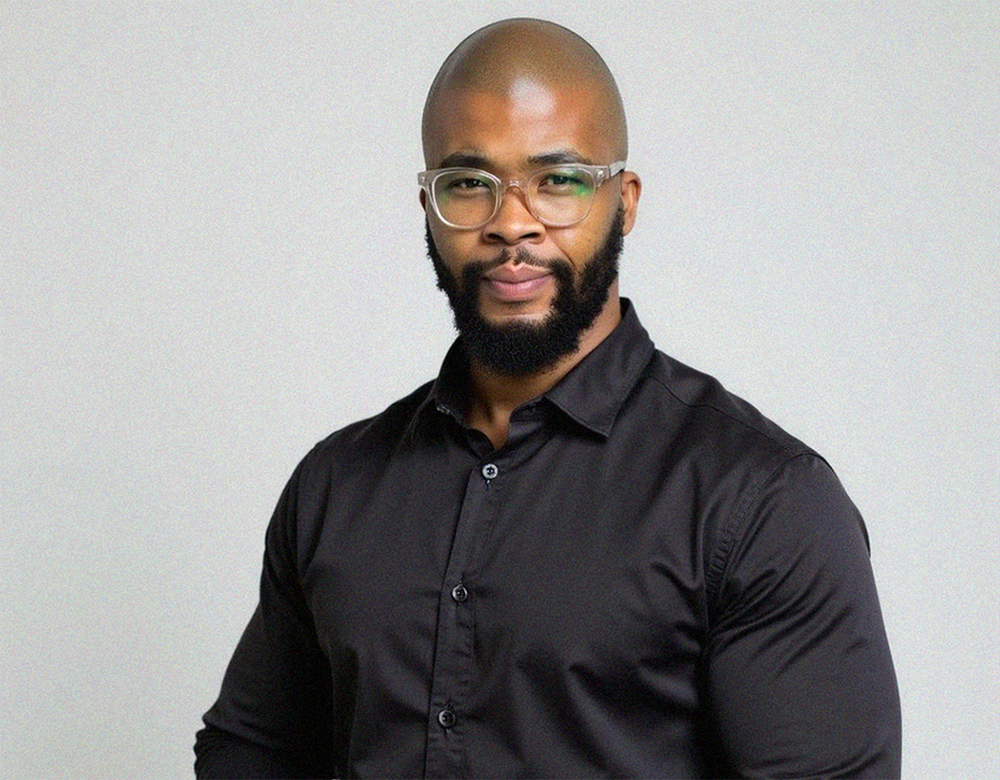
James Mokhasi
Your work explores the human condition through theology, mythology, philosophy, and psychology. What first drew you to these fields as sources for visual art?
I have always been fascinated by the questions that refuse to disappear. Questions about consciousness, suffering, identity, morality, death, and transcendence seem to emerge across every culture, religion, and philosophical tradition. Rather than treating theology, mythology, philosophy, and psychology as separate disciplines, I see them as different languages attempting to describe the same human experience.My work doesn’t seek to illustrate these ideas directly. Instead, it explores the spaces where they intersect, where certainty dissolves and mystery begins.
The artwork becomes a place where these traditions can coexist and where the viewer is invited to contemplate the complexities of being human rather than arrive at fixed conclusions.
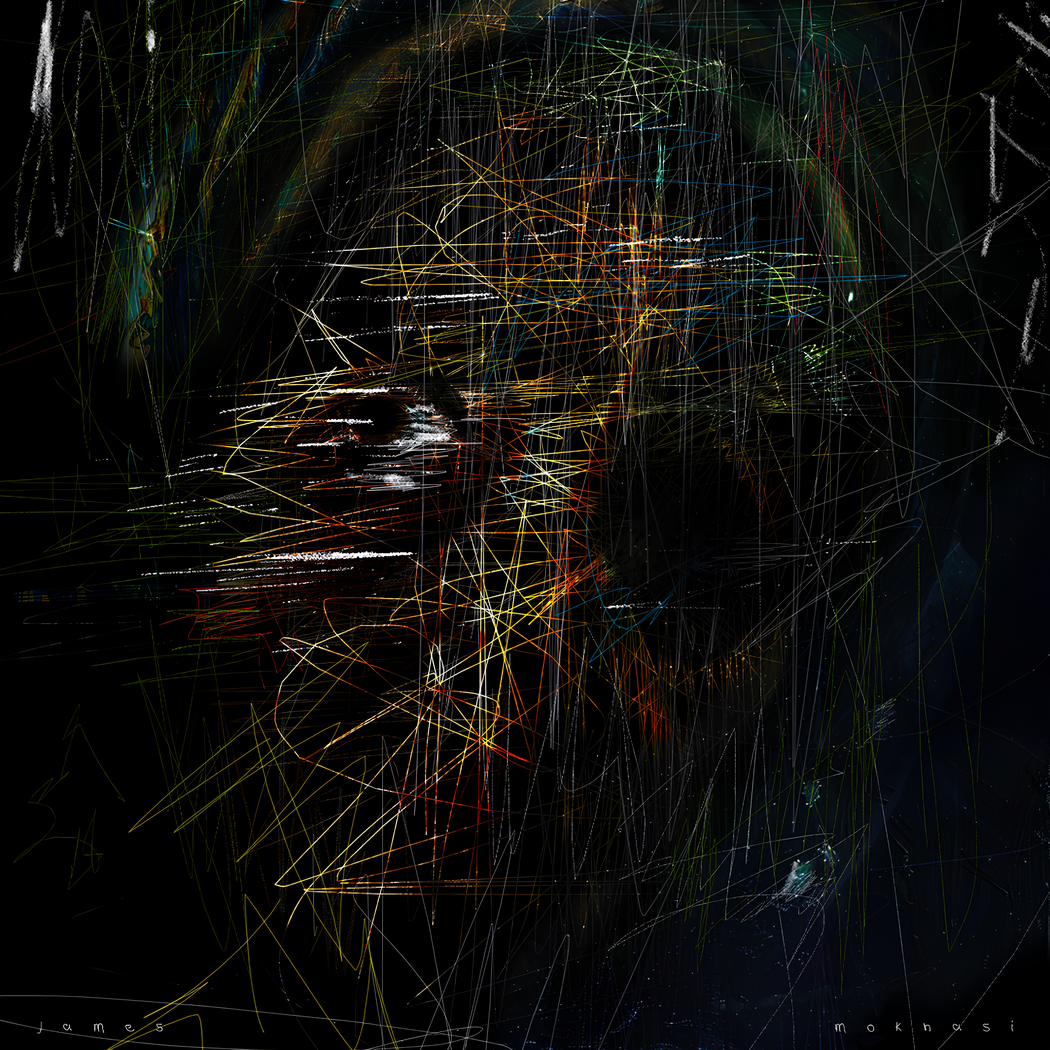
Many of your compositions feel like energetic fields of lines, movement, and inner tension. How do you begin a work: with an idea, an emotion, a symbol, or a physical gesture?
The work can begin in different ways, but it is often sparked by an idea or a passage from a text that continues to resonate with me. It might be something from a text such as Dante’s Inferno for example; it could be a question, an image, or an insight that refuses to let go. These texts don’t provide subjects to illustrate; they act as points of departure for exploring broader questions.
What interests me is not retelling these stories but engaging with the ideas they contain. They become a way of reflecting on consciousness, identity, suffering, morality, and our search for meaning. The finished work is therefore less an interpretation of a particular text than an exploration of the questions it raises.
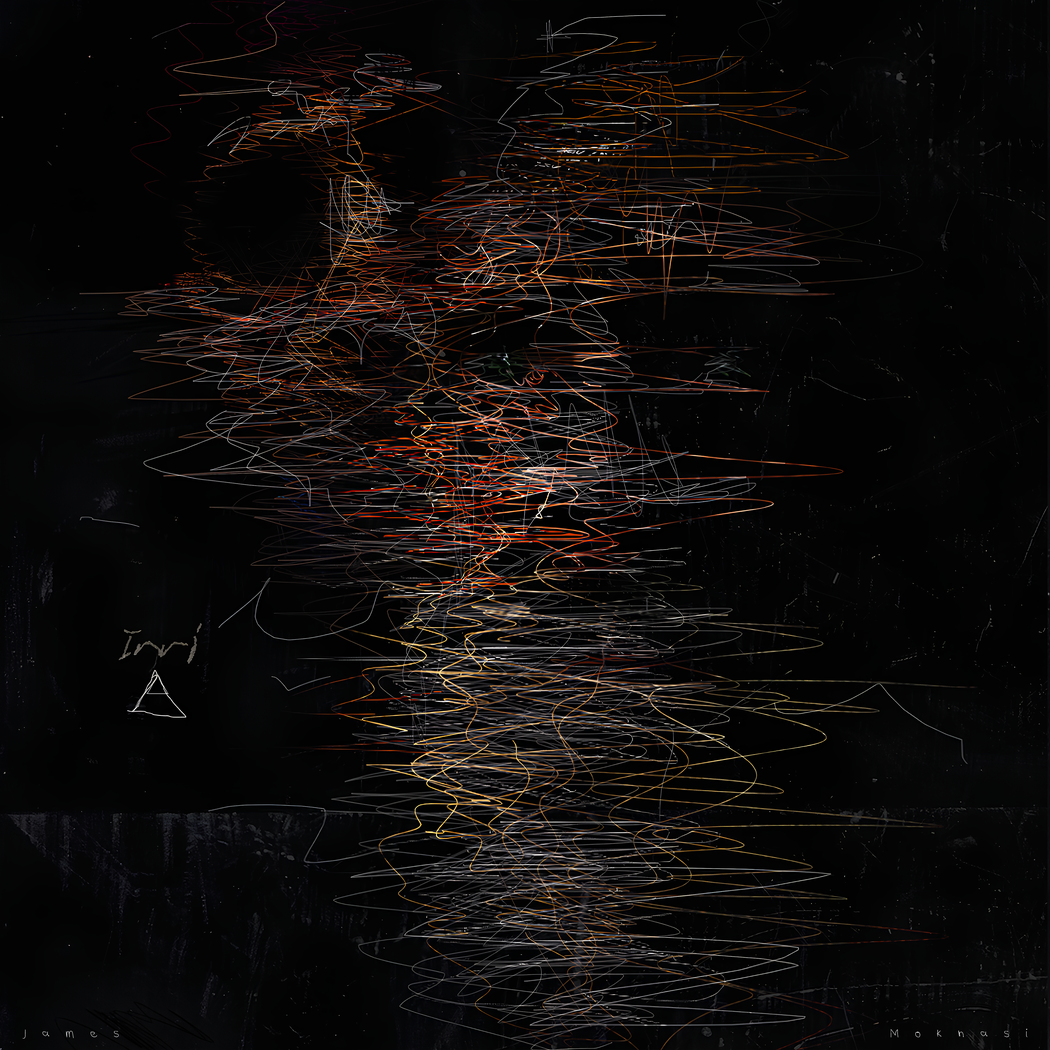
Your images often seem to exist between abstraction and hidden figuration. Do you want viewers to search for recognizable forms, or to experience the work more intuitively?
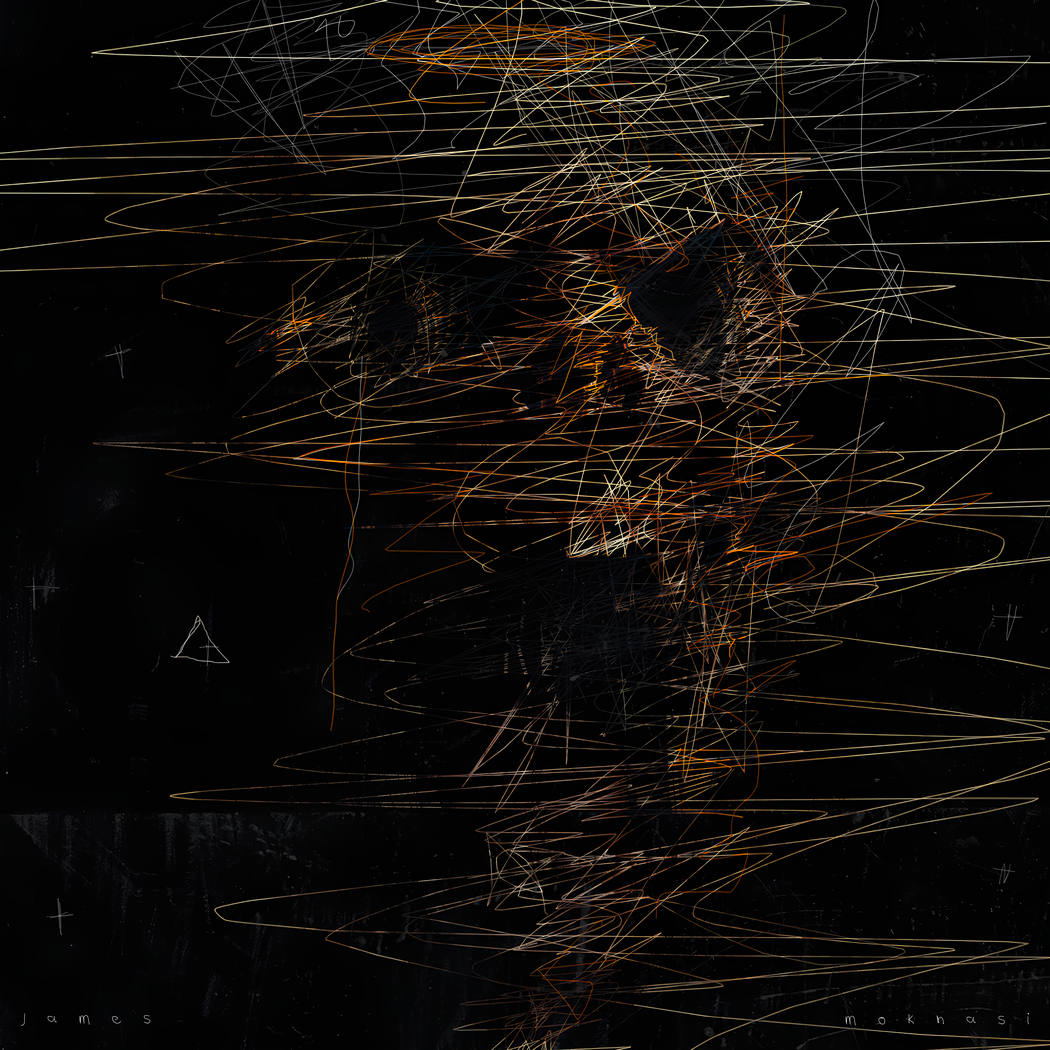
Ideally both. The work rewards careful observation, but it doesn’t demand a single reading. Some viewers immediately notice figures, while others respond first to rhythm, movement, or emotional atmosphere. Neither response is more correct than the other.
I’m interested in creating images that remain open. As we look longer, our perception changes, revealing new relationships and hidden forms. In many ways the experience mirrors consciousness itself we constantly shift between recognition, uncertainty, memory, and imagination.
Darkness plays an important role in these works, while the lines appear almost like light, traces, or signals. What does this contrast mean to you?
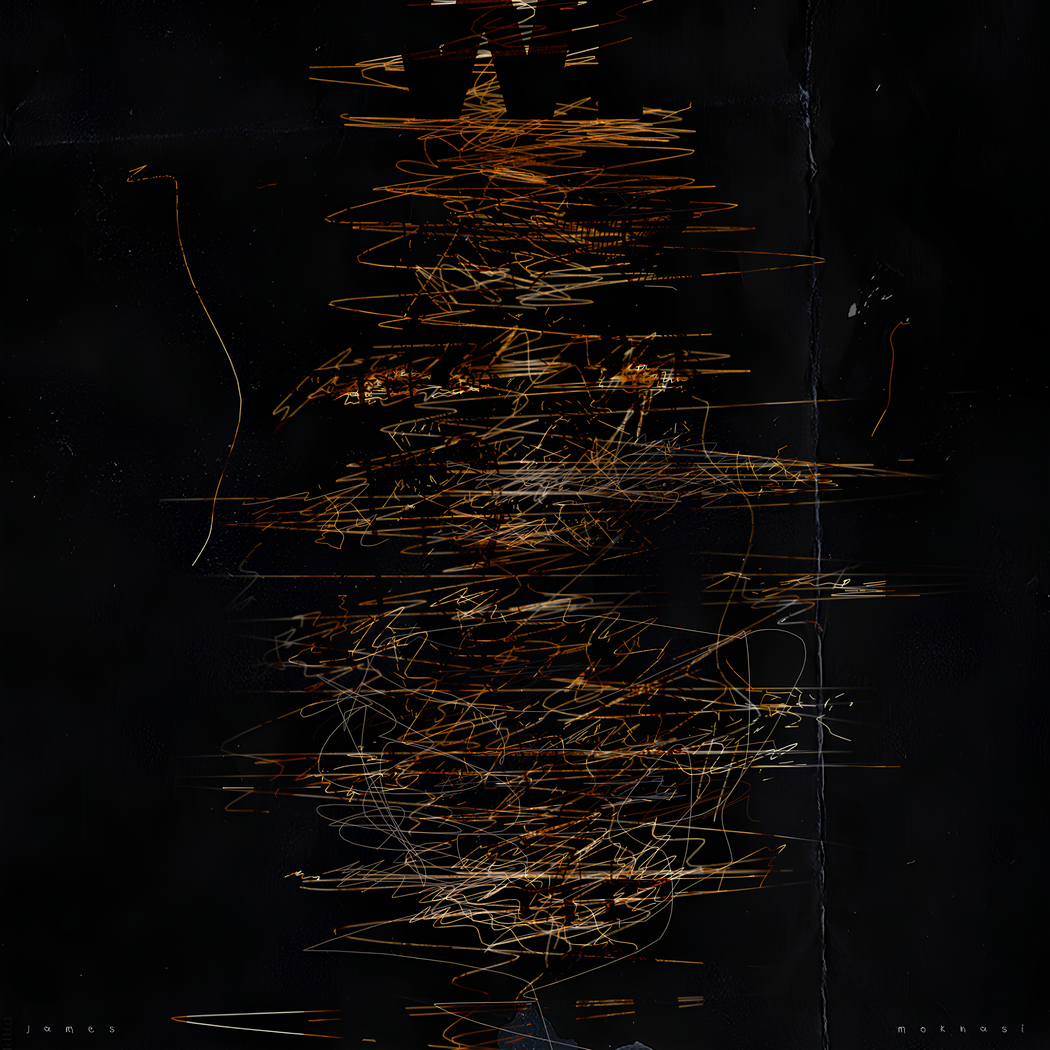
Darkness represents more than absence. It is the unknown, the unconscious, the place where memory, fear, potential, and transformation reside. Rather than something to escape, I see darkness as the necessary condition from which understanding emerges.
The lines function almost like acts of excavation. They are traces of thought, memory, and perception cutting through that darkness. They suggest moments of awareness rather than complete revelation, reminding us that understanding is always partial and always evolving.
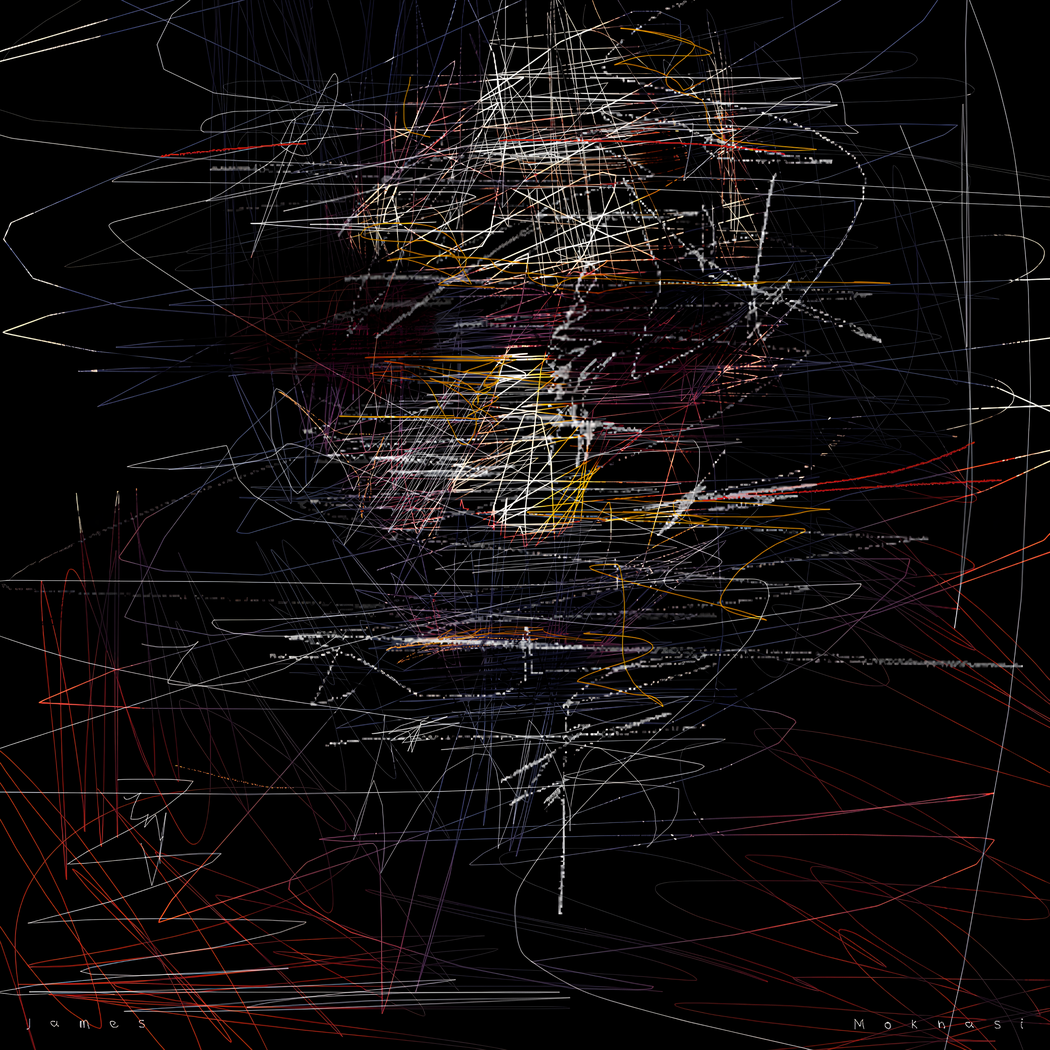
You mention the relationship between the conscious and the unconscious. How does the unconscious enter your creative process?
The unconscious enters my work less as something mystical and more as something discovered. While I make conscious decisions throughout the process, I also remain attentive to ideas, symbols, and associations that emerge unexpectedly. Often these connections only become fully apparent once the work is complete.
I think the unconscious reveals itself through intuition, memory, and visual association rather than through deliberate planning alone. By remaining open to these moments, the work is able to move beyond what I consciously intended, often reflecting aspects of the human experience that are difficult to articulate in words.
For me, making art is a dialogue between conscious intention and unconscious discovery. Neither operates in isolation, each continually informs the other.
What role does the viewer play in completing the meaning of your work? Do you expect each person to construct their own interpretation?
Absolutely. The artwork is only one half of the conversation. Every viewer brings their own memories, beliefs, fears, cultural background, and psychological landscape into the encounter. Those experiences inevitably shape what they see.
I’m not interested in prescribing meaning. If two people walk away with completely different interpretations, I don’t see that as a failure but as evidence that the work remains alive. Meaning is something that emerges between the artwork and the person experiencing it.
What role does the viewer play in completing the meaning of your work? Do you expect each person to construct their own interpretation?
For me, art is less about providing answers than preserving the integrity of the question. The most profound questions are not problems to be solved but realities to be continually revisited. Every stage of life changes how we understand identity, suffering, belief, and purpose. Good art creates a space where those questions can remain active without demanding immediate resolution.
If my work achieves anything, I hope it encourages viewers to slow down, reflect, and inhabit uncertainty long enough for new ways of seeing themselves and the world to emerge.