
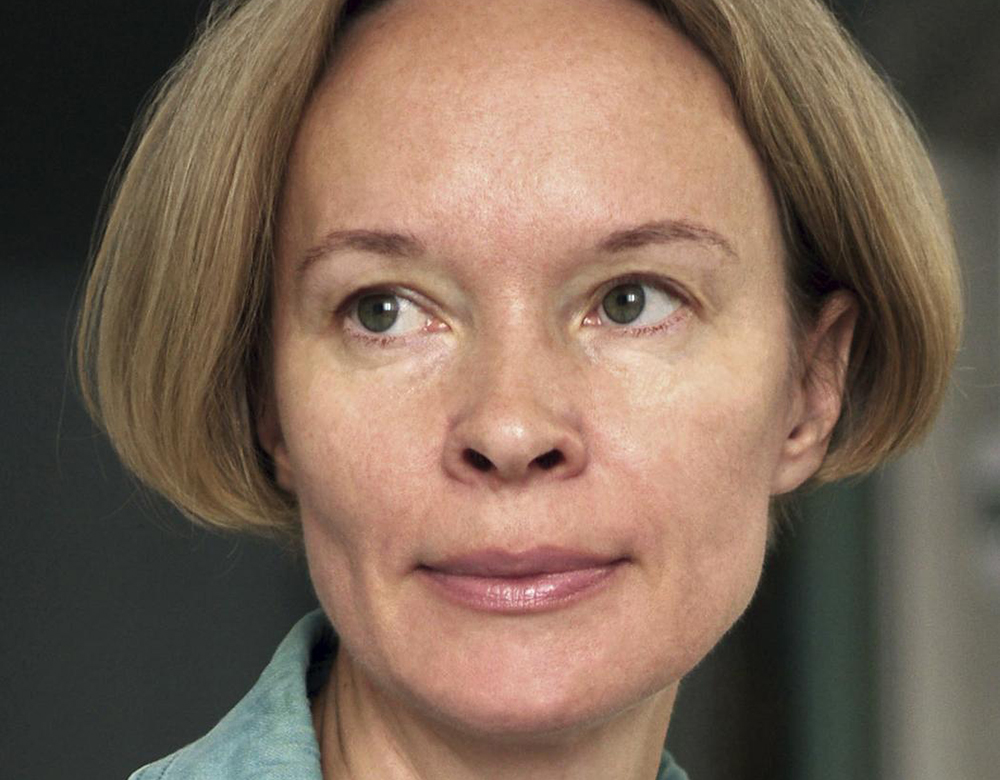
Elena Zazulina
Your jewelry journey began in 2014. What was the first impulse that led you to choose jewelry as a form of artistic expression?
For as long as I can remember, I have always been involved in creative work. I loved inventing things and creating with my hands. Later, I began working with graphics and painting, creating large-scale artworks and participating in exhibitions of animal artists in various exhibition spaces and projects.
Over time, my works evolved and gradually became smaller in scale, moving toward ceramics and small-form sculpture, while remaining within the genre of animal art. It was then that I realized size was not the most important thing, and that I was much more interested in and comfortable working in a smaller format without losing expressiveness.
At a certain point, small-scale sculpture also underwent a transformation, becoming even more compact and shifting into the form of wearable art — jewelry. I approach the creation of jewelry in the same way I approach art objects, continuing to draw inspiration from nature, as well as from traditional ornaments, which often also contain botanical motifs or narratives.
Do you remember the first piece of jewelry you created with your own hands? What did it mean to you at that time?
Speaking of my first jewelry pieces, it is funny to remember now, but they were felt beads and a brooch made from the brushed-out wool of my beloved dog Sirius, a Sheltie, or Shetland Sheepdog. Of course, it had nothing to do with metal, but apparently, even then, the direction of my jewelry development was already beginning to take shape. I realized that it was possible to try different materials and experiment, because it is only through such unusual combinations that something distinctive can be born — something with a personal story, its own perspective, attitude, style, and the author’s voice.
Before working with titanium, you experimented with different materials. At what point did you realize that titanium could become the main material for your project?
When I first started working with metal, I used silver, nickel silver, brass, bronze, and copper. From an artist’s perspective, the color palette of these metals felt limited. I created simple, graphic works by combining these metals and seeking expressiveness through patination, textures, and, of course, stones. I often felt that I was missing color.
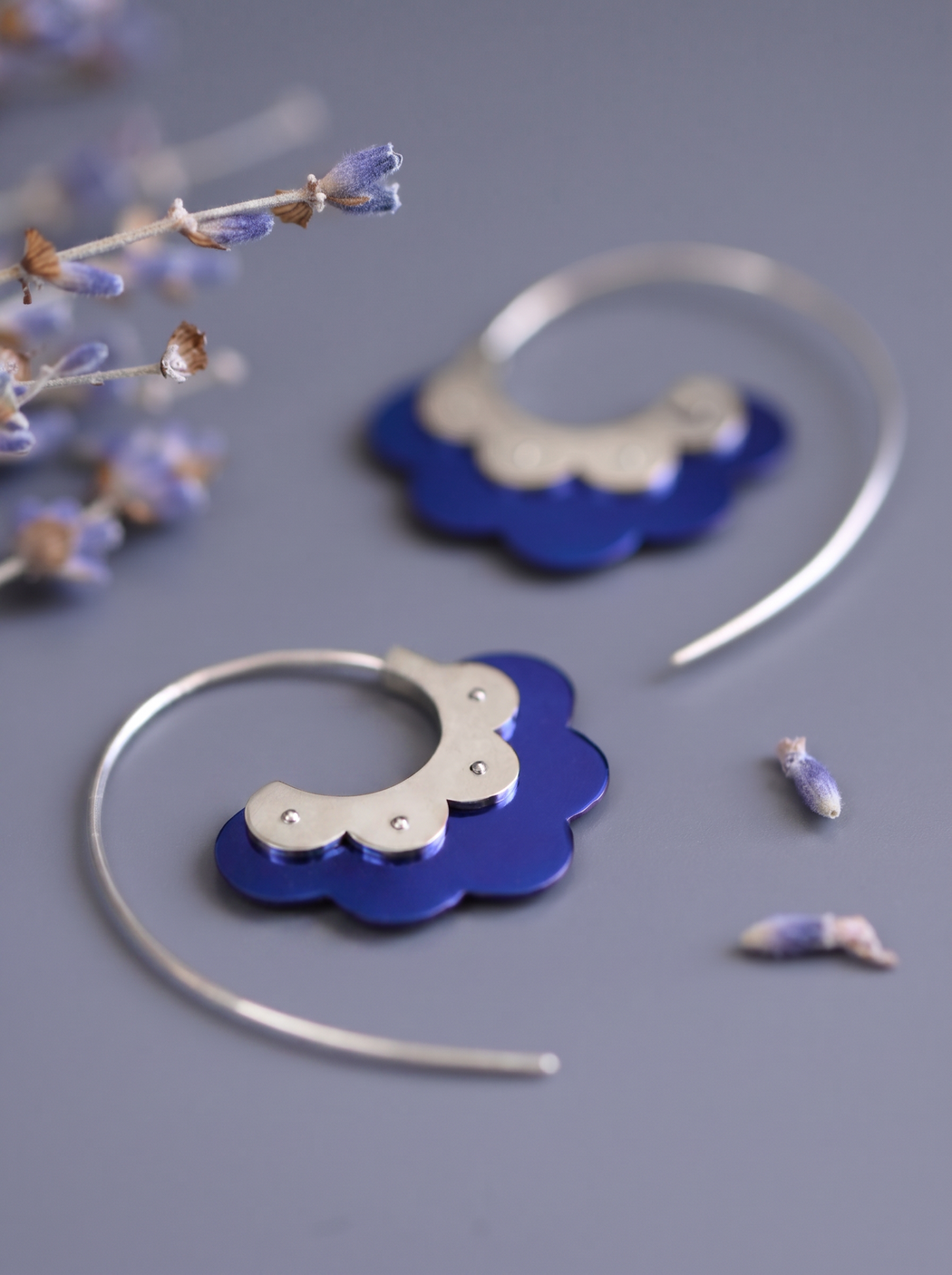
I tried moving toward enamels and studied colored patinas that could be applied to metal, but I did not progress beyond experimentation. Then, when I discovered titanium, I was deeply inspired and intrigued by its possibilities. It is incredibly lightweight and hypoallergenic, but its true magic lies in its ability to take on different colors. It is a metal used in medicine, space technology, and premium jewelry.
It took me almost a year to arrive at this project, taking into account all the challenges of working with titanium: purchasing complex equipment, experimenting, adapting, and mastering new technologies, while moving between moments of great inspiration and disappointment caused by critical mistakes at the final stage. It became a kind of challenge for me, and instead of giving up, I decided to continue exploring this difficult metal and search for my own path.
Now, through anodizing, I can give titanium color and imagine not so much as a graphic artist, but rather as a painter working with paints. This allows me to bring to life ideas that would be impossible to realize in other metals.
You describe titanium as a material that contains “99% physics and 1% magic”. What feels most magical to you in working with it?
Of course, titanium anodizing is the most magical process. How can one create color without using paints, pigments, or enamels? It is almost like creating color on metal out of thin air!
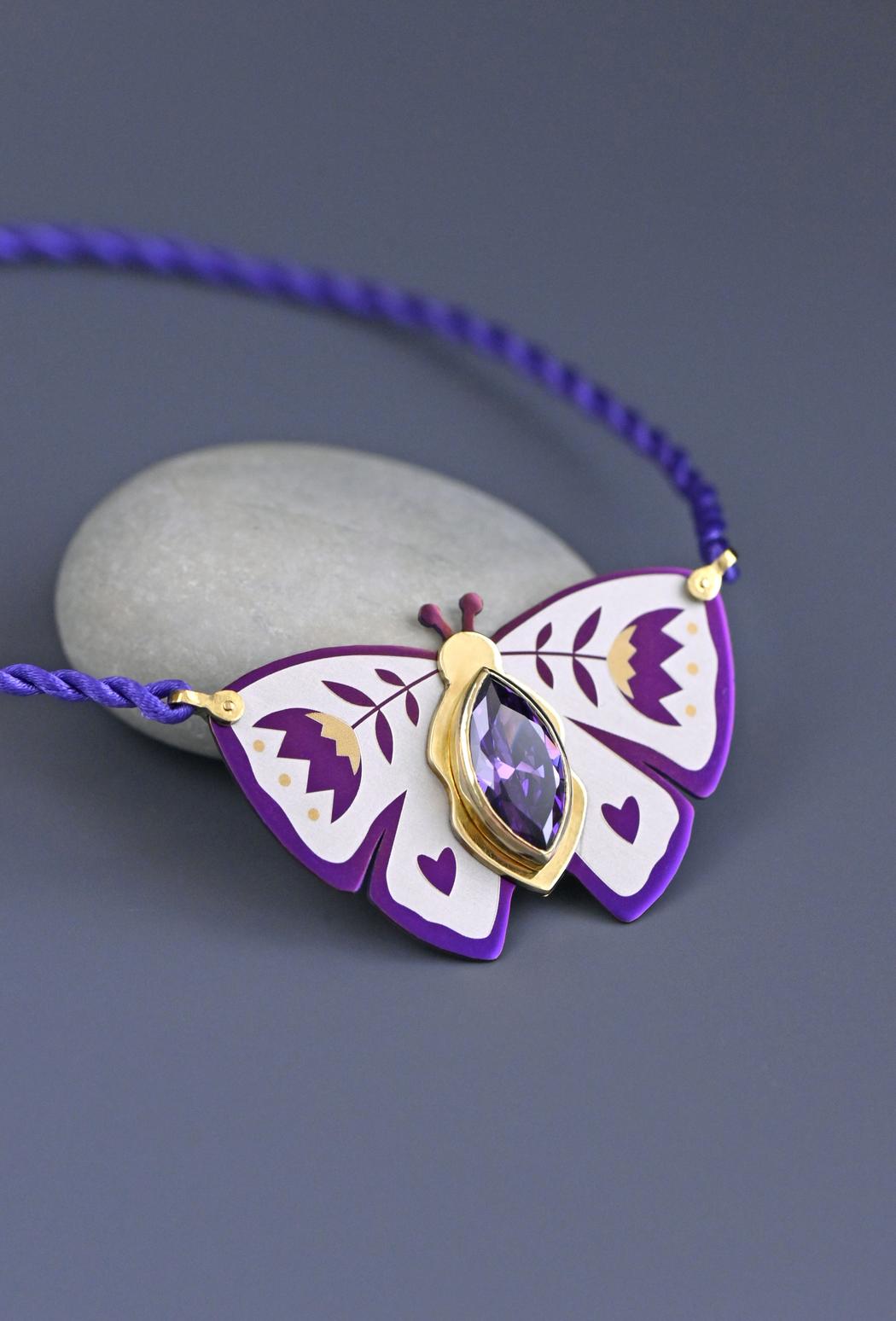
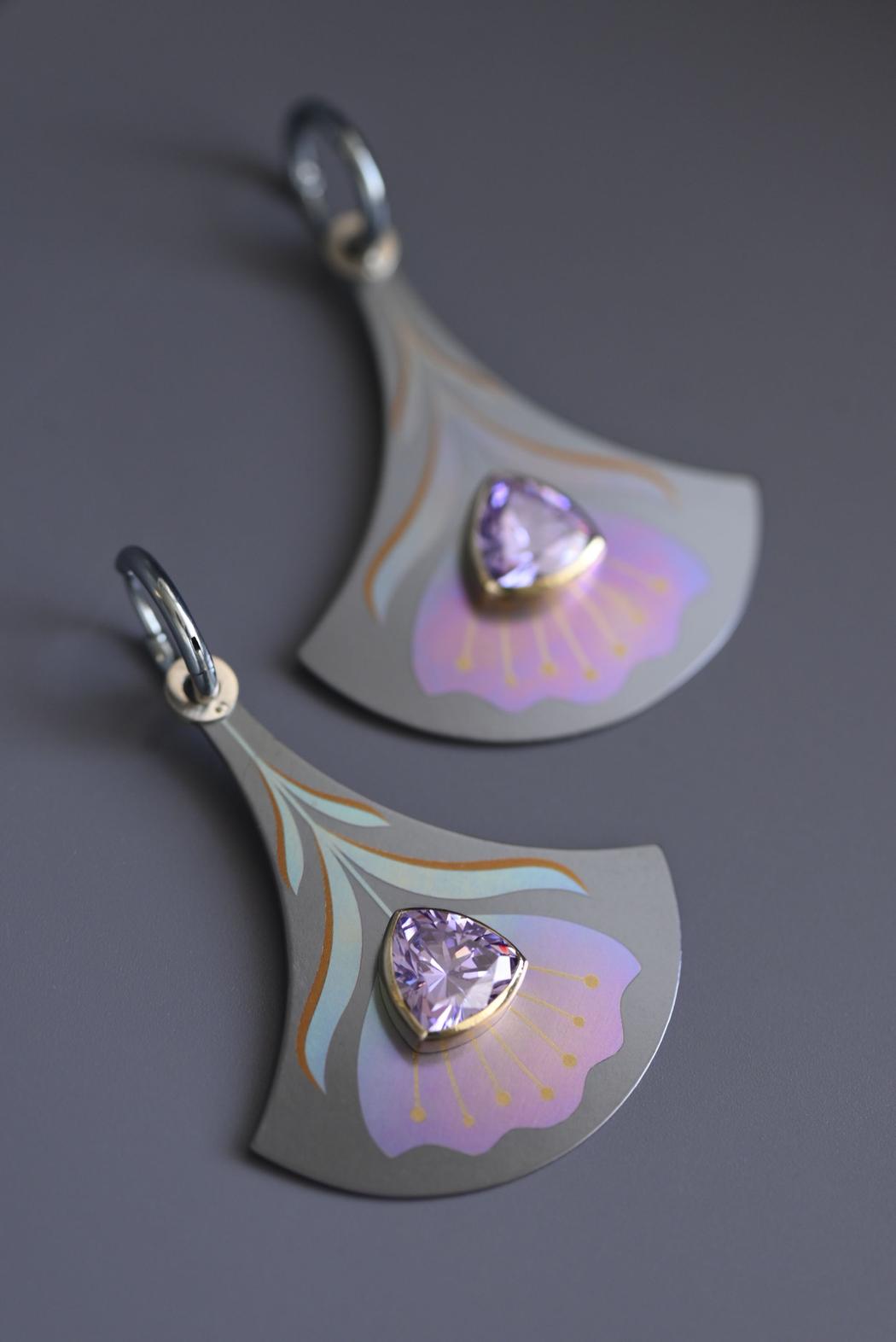
What is scientifically called an optical illusion happens when, under the influence of heat or electric current, an oxide film of varying thickness forms on the surface of the metal. This film is completely transparent, but as light passes through it, it refracts, and our eyes perceive it as color.
The thickness of this film determines which color the eye will see — blue, violet, sky blue, pink, gold, or green. For those familiar with physics, it is truly 99% physics and 1% magic. And for those who are not, it is 100% magic!
If we look at your project as a personal story told through titanium, color, and ornament, what is this story primarily about?
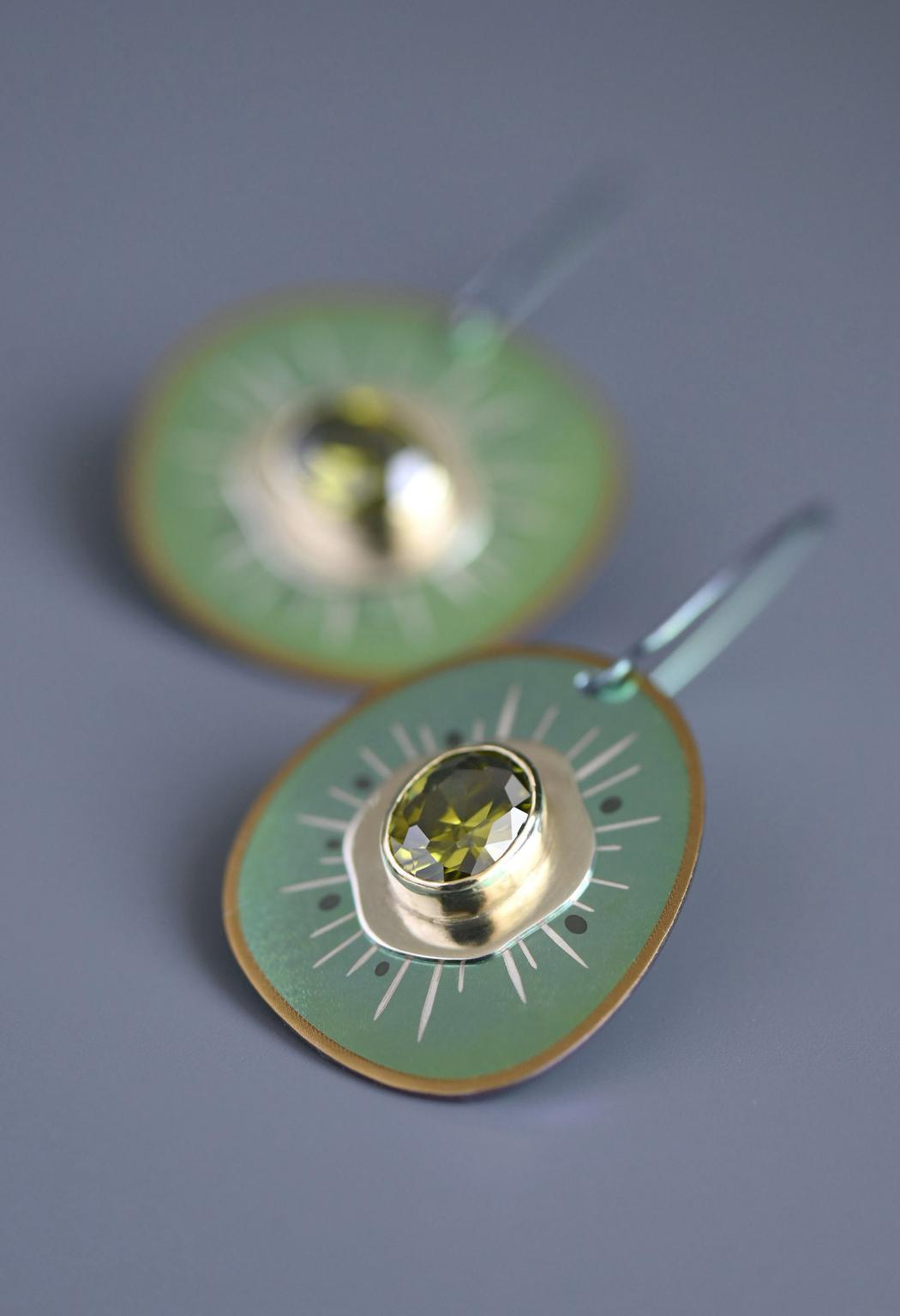
In the broadest sense, for me, it is about connection. We live here and now, in the present, while remembering our connection to the past and dreaming of the future. That is why all my titanium works are a story about how something traditional from the past can harmoniously coexist with something high-tech from the future, all within the present moment.
I studied jewelry making and use traditional jewelry techniques and materials, while at the same time exploring new technologies, contemporary materials, and investing in innovative equipment. If you look at a single piece of jewelry inspired by traditional ornamentation, it immediately becomes clear that I am not a supporter of archaism. I view ancient and historical elements exclusively through my own contemporary perspective — in terms of their aesthetics, harmony, and often their functionality.
When studying folk ornaments, architectural elements, and jewelry itself, I do not seek to copy them, because I believe this would be meaningless in relation to our time, our way of seeing, our style, and the lifestyle of a modern civilized person. But they inspire me. Many ornaments or elements resonate naturally with contemporary jewelry, and I enjoy this “time machine” that, through imagination, creativity, and new technologies, connects our eras on such a level.
How has your understanding of jewelry art changed from 2014 to the present day?
When I entered the world of jewelry in 2014, it was a craft for me. I was learning techniques, discovering how to work with metal, solder, and set stones. It had nothing to do with art.
Today, jewelry art is, above all, a language for me — a language through which I speak. A language that allows me to express myself and make statements using those very “words”: the techniques I learned at the very beginning.
And if my jewelry resonates with other people, it means we are speaking the same language.
What aspects of your personal experience, character, or worldview are most reflected in your jewelry?
My titanium jewelry reflects many personal aspects of who I am.
First of all, it is reflected in the approach itself. I am an emotional person, and working with titanium from beginning to end is a very emotional process. It is a metal that is quite difficult to work with, one that does not forgive mistakes along the way, yet it offers a bright, highly striking, and impressive result in the end. And if you have gone through all the difficulties, reached the finish line, and everything has worked out, you are once again overwhelmed with emotion and feel the joy of it, like a winner.
Secondly, when it comes directly to my titanium jewelry, what I see in myself is always contrast. It is a true union of strong character and elegance, of simple lines and complex technologies. My titanium jewelry is like a woman who appears delicate, light, and graceful, while inside she holds a complex inner world and a strong character that requires a special approach to understand.
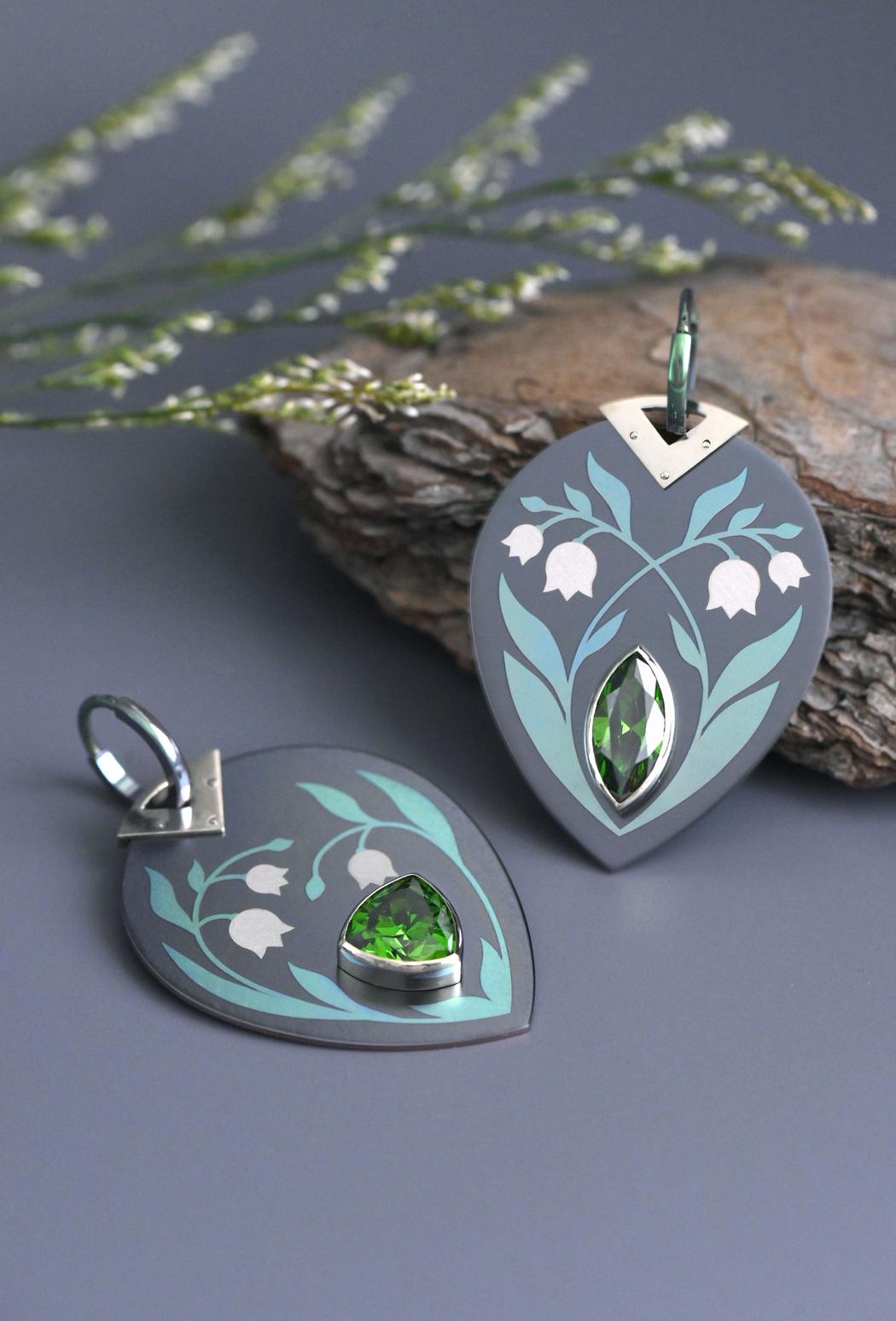
In my authorial project AZULINE, I combine laconic forms with original illustrations, handcraft with advanced technological equipment, and traditional materials with contemporary ones.
I use titanium as the main material for my jewelry — a modern and highly relevant metal with a complex character and almost cosmic possibilities: lightness, strength, hypoallergenic qualities, and decorative potential. I complement it with jewelry alloys, non-ferrous metals such as nickel silver, brass, bronze, and copper, as well as stones.
I experiment with scale, as titanium is ideal even for large forms. I explore the color of metal and stones, using them almost as a painter uses paint — mixing, combining, and placing colorful accents. This is a truly creative process, because even the additional metals and alloys, as well as their colors, are not chosen randomly. They are selected to support the overall color palette and harmonize with the ornament on titanium, flowing naturally from one element into another.