
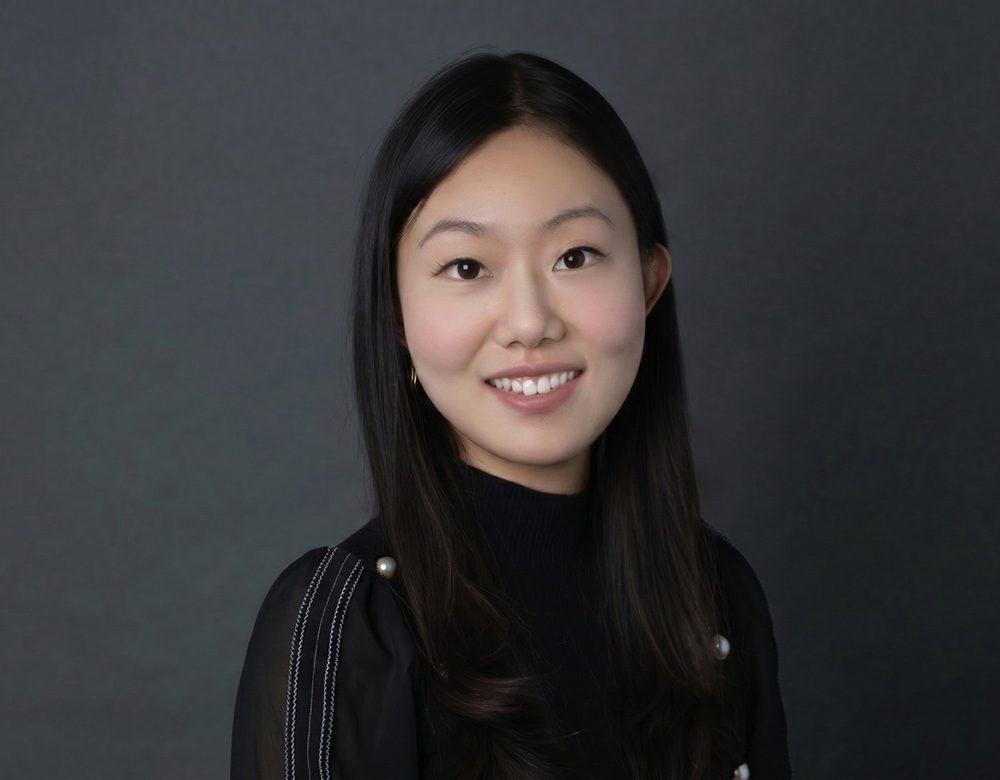
Chenglin Li
Your practice often explores the boundary between human intention and autonomous algorithmic behavior. How do you define your own role within a work that is partly generated by a system?
I see my role as designing conditions rather than determining outcomes. Rather than creating a fixed image, I build systems of relationships, constraints, and behaviors that allow forms to emerge over time, much like cultivating an ecosystem rather than producing an object.
Once the system is established, my role shifts from direct author to observer, curator, and interpreter. I study its behavior, identify meaningful patterns, and make decisions about which moments best communicate the ideas I am exploring. Human intention remains embedded in the framework, while the final work emerges through an ongoing dialogue between structure and autonomy. That balance between guidance and unpredictability is central to my practice.
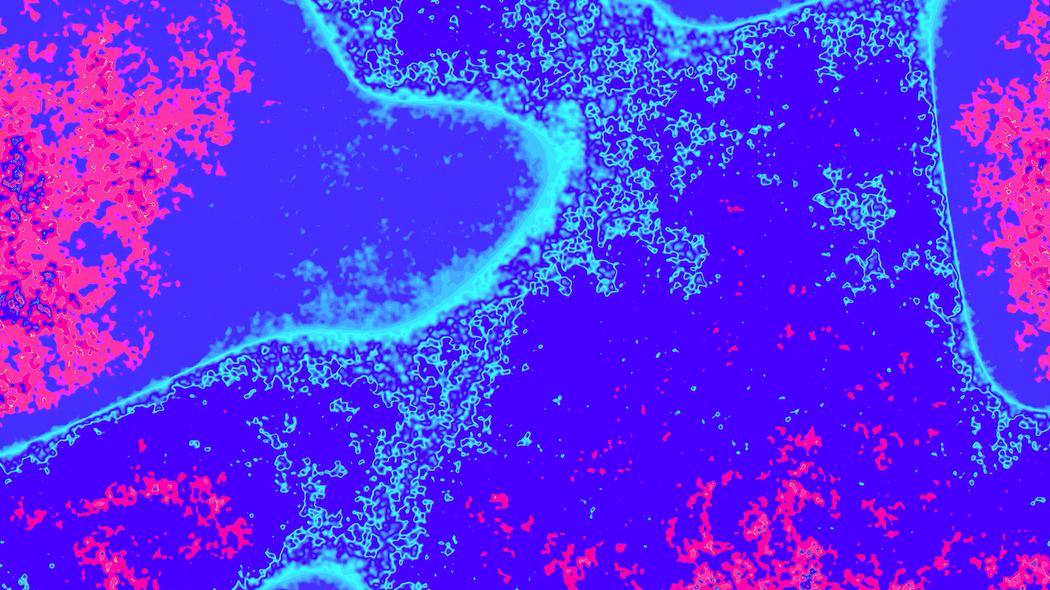 Chenglin Li | Synthetic Evolution | 2025
In works such as Algorithmic Current and Chromatic Emergence, color and form seem to evolve like living organisms. What attracts you to this sense of visual emergence?
Visual emergence interests me because it reflects the systems that shape reality. Biological organisms, ecosystems, weather patterns, and social networks often arise from simple interactions repeated over time, producing complex behaviors without a single controlling entity.
In works such as Algorithmic Current and Chromatic Emergence, I create environments where similar behaviors unfold through computational systems. As color, movement, and structure evolve, they reveal how complexity can emerge from simple rules. This ambiguity opens space for reflection on the increasingly intertwined relationship between natural and technological systems. Works from this series have been exhibited internationally, including at Artexpo New York, Palazzo Albrizzi-Capello in Venice, Casa Cava in Matera, and Halle des Blancs-Manteaux in Paris, where audiences often bring diverse interpretations to the relationship between nature and technology.
How do you decide when an algorithmic work is complete, especially if the system itself is capable of continuous transformation?
This is one of the most interesting questions in generative art, as these systems are often capable of continuous transformation and may never feel truly finished.
For me, a work becomes complete when it reaches conceptual clarity rather than technical finality. I look for moments when the system’s behavior effectively communicates the ideas or questions I am exploring. The artwork is not the entire system itself, but the experience framed from it. Completion occurs when that experience establishes a meaningful relationship between the viewer and the underlying process, encouraging reflection, even as the system itself continues to evolve.
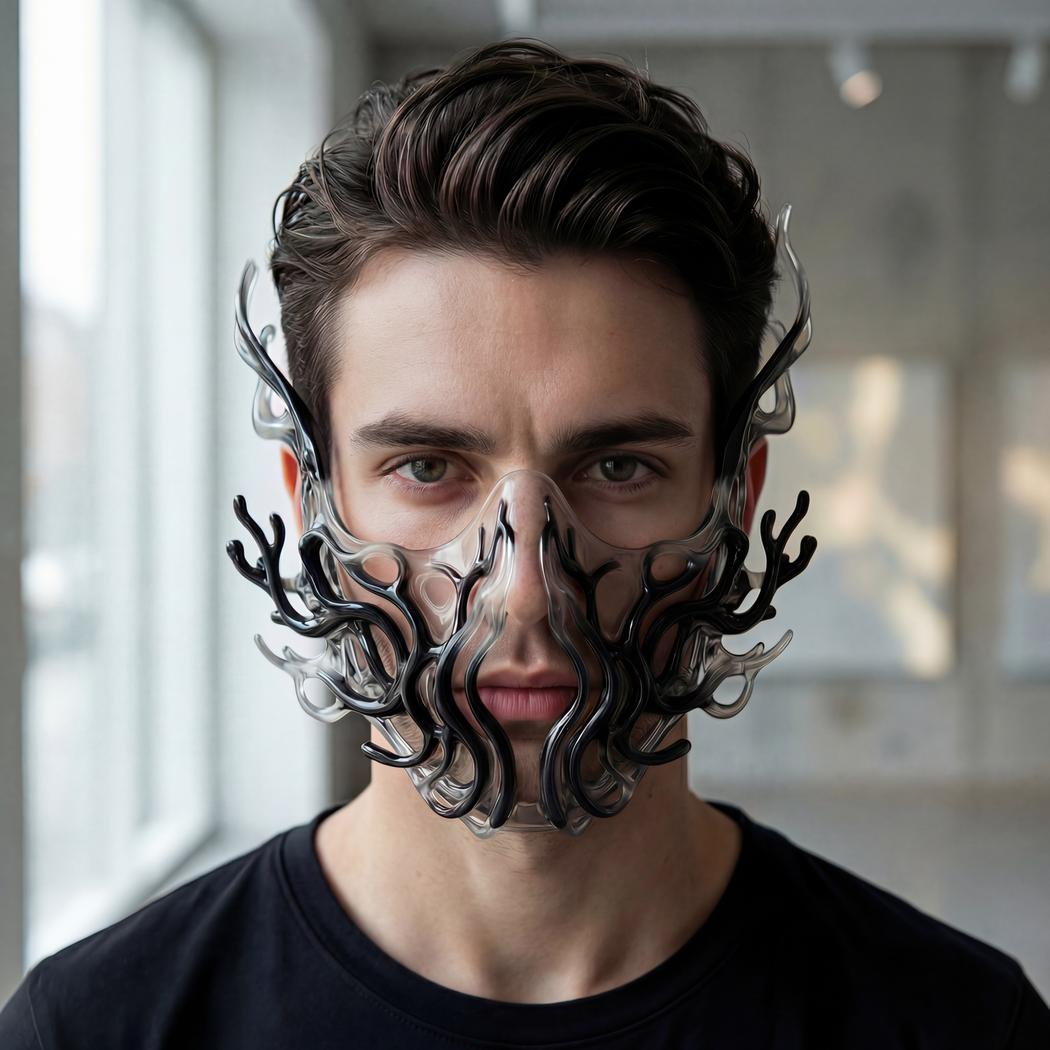 Chenglin Li | Post Human Bloom | 2025
Your project statement mentions the tension between control and unpredictability. How much randomness or instability do you allow into your creative process?
Unpredictability is one of the primary reasons I work with computational systems. I design systems with clear rules and constraints while allowing space for unexpected behaviors to emerge.
My focus is the balance between structure and randomness. Too much control makes a system feel fixed, while too much instability reduces coherence. The most compelling outcomes emerge between these extremes, where the system remains grounded in logic yet produces results I could not fully anticipate. This balance makes discovery an integral part of my creative process and continually reveals new possibilities within the system.
 Chenglin Li | Ocean Lung | 2024
What role does code play for you: is it primarily a tool, a collaborator, a material, or something else?
Code functions simultaneously as a material, a process, and an environment. Unlike traditional materials, it is inherently dynamic. Much of my practice involves designing computational systems and defining the logic that guides their behavior. The strength of the work lies not only in writing code, but in the critical thinking required to structure rules, anticipate interactions, and build systems capable of meaningful emergence. Through this process, I direct the conceptual and technical development of each system, while observing how it unfolds to reveal unexpected possibilities within structured constraints.
This approach has informed works across computational art, product design, and emerging technologies, several of which have received international recognition through awards including the iF Design Award, Creative Communication Awards, International Design Awards, European Product Design Award, and Grand Prix du Design Paris. It demonstrates how computational thinking can shape both digital and physical experiences.
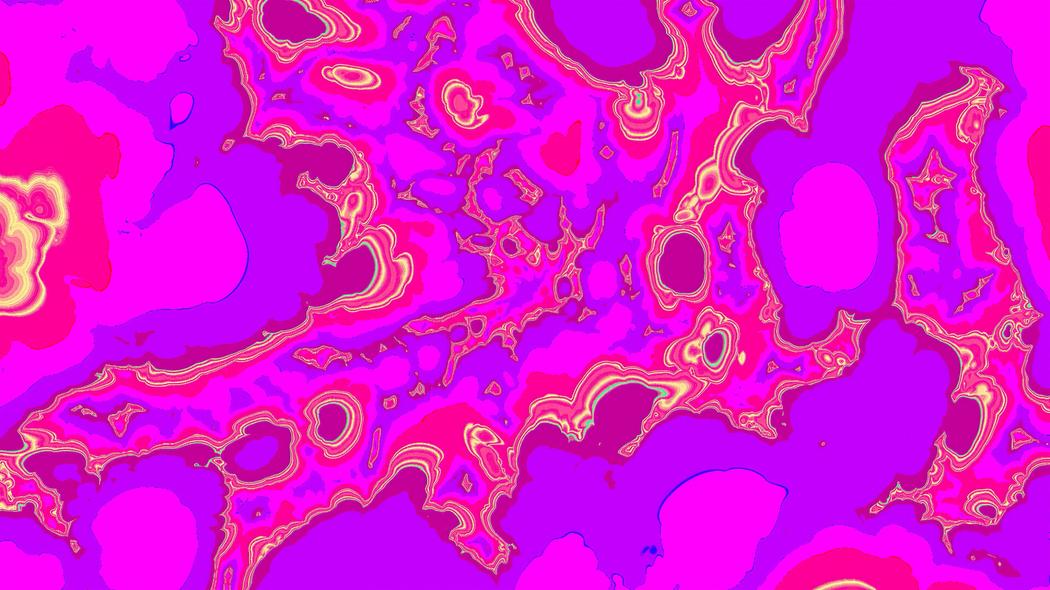 Chenglin Li | Chromatic Emergence | 2025
Many discussions around AI and generative systems focus on authorship. What does authorship mean to you in an age of machine-mediated creativity?
I believe authorship is evolving rather than disappearing. While generative systems produce outcomes that are not fully predetermined, the artist remains central to the process.
Authorship lies in designing the system, defining its conceptual framework, and guiding the decisions that shape its behavior. Although forms may emerge autonomously, they do so within a structure intentionally created through human creativity and critical thinking.
In that sense, authorship becomes less about controlling every detail and more about designing meaningful possibilities. Through international exhibitions spanning Europe, North America, and Asia, I have had the opportunity to engage with diverse audiences across cultural contexts and bring these ideas into dialogue with the global art community. Witnessing how different cultures interpret and respond to algorithmic systems provides valuable insights, expanding the conversation beyond technology itself toward broader questions of creativity, agency, and human imagination.
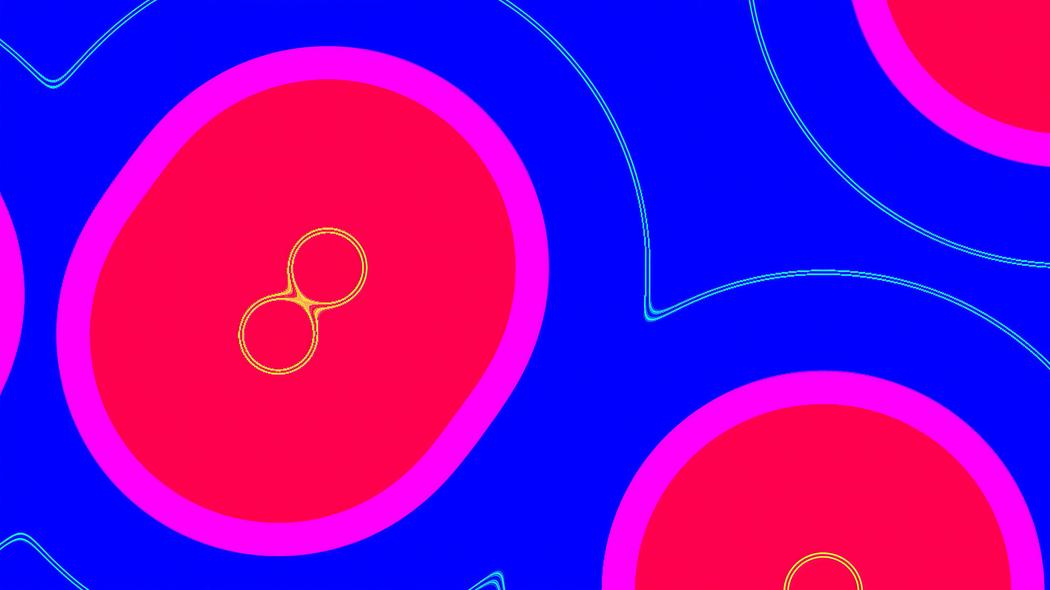 Chenglin Li | Cell Bloom | 2026
Your works often blur the line between natural growth and artificial construction. Do you see technology as separate from nature, or as an extension of natural processes?
I do not see technology as separate from nature. Human technologies emerge from natural materials, human cognition, and the same evolutionary processes that shape all forms of life. In that sense, technology can be understood as an extension of nature rather than its opposite.
Many of my works explore this continuity by creating forms that feel simultaneously biological and computational. Projects such as Post-Human Bloom draw inspiration from coral growth and cellular expansion, while OceanLung merges technological infrastructure with ecological themes. By blurring the boundaries between the natural and artificial, my work invites audiences to reconsider technology as part of a larger and evolving ecosystem.
This relationship felt particularly tangible when exhibiting work at the Carrousel du Louvre in Paris and the CICA Museum in South Korea, where themes of nature, technology, and cultural memory converged within distinct architectural and cultural contexts.
Leave a Reply
You must be logged in to post a comment.