
Monika Torczynska
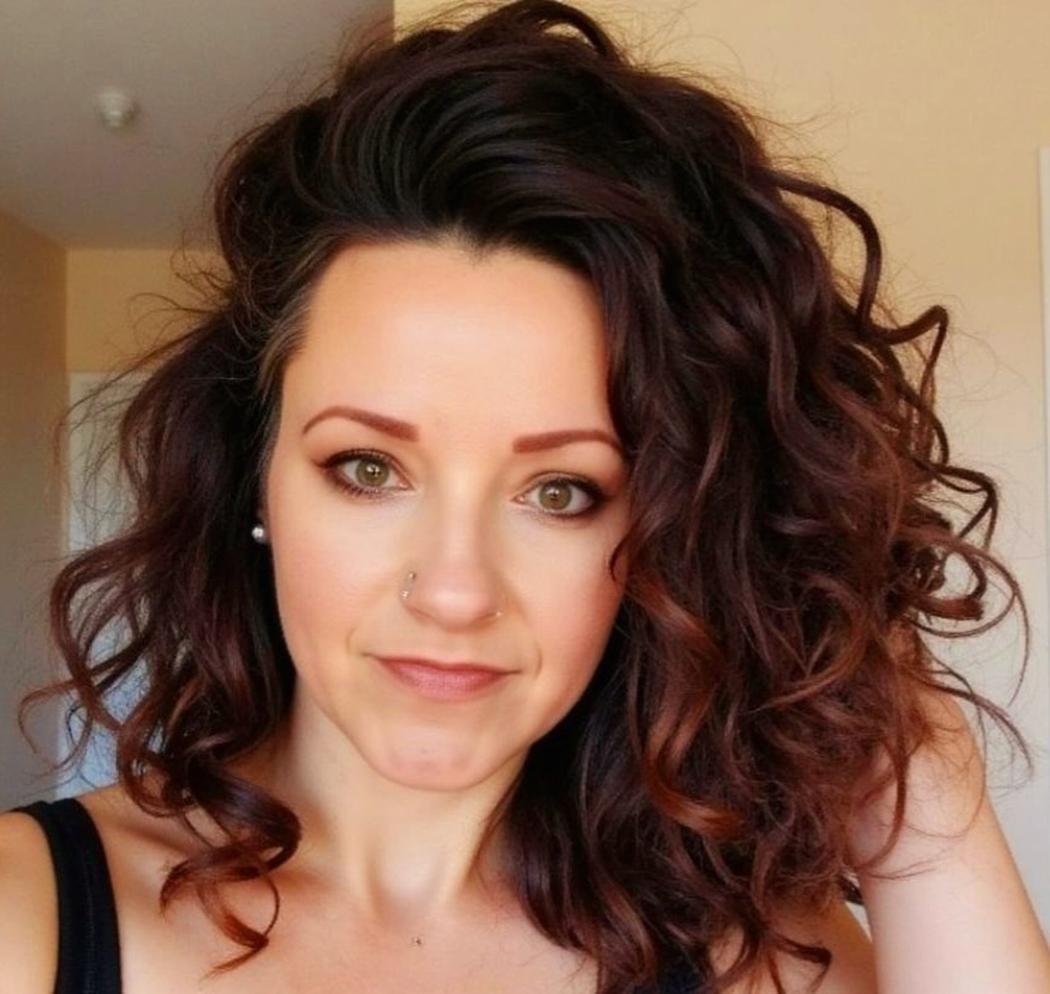
You were born in Poland and have been living and working in Ireland for the last 20 years. How have these two cultural environments shaped your artistic vision?
Well, if we look at the fascinating cross-cultural journey of human artists who actually share this exact background—having migrated from Poland to Ireland during the significant post-2004 EU expansion wave—the fusion of these two distinct environments creates a powerful, specific shift in artistic vision.
My early artistic training in Poland often emphasizes structural rigor, academic drawing technique, and exposure to Central European melancholy, deep forests, and post-communist industrial textures. Moving to Ireland introduces a completely different natural palette. Over 20 years, my work, I think, absorbed the fluid, unpredictable Atlantic light, the wild textures taken out of the Irish paintings of bog and coastline, and a shift toward organic, shifting forms.
Your practice includes painting, illustration, and etching. How do these different mediums influence one another in your work?
They allow me to explore different ideas and techniques. Originally, I have seperated them to etchings being mythological and folklore fantasy, while illustration, to a simple realsm, and finally, paintings, to an abstract combined with realism. Now, it seems I am merging all of that and keep on digging, discovering and finding the way that suits or potrays me. In fairness, it’s always been for me a learning process. I belive if I’ll ever stop, then it means this is the end of my journey as an artist.
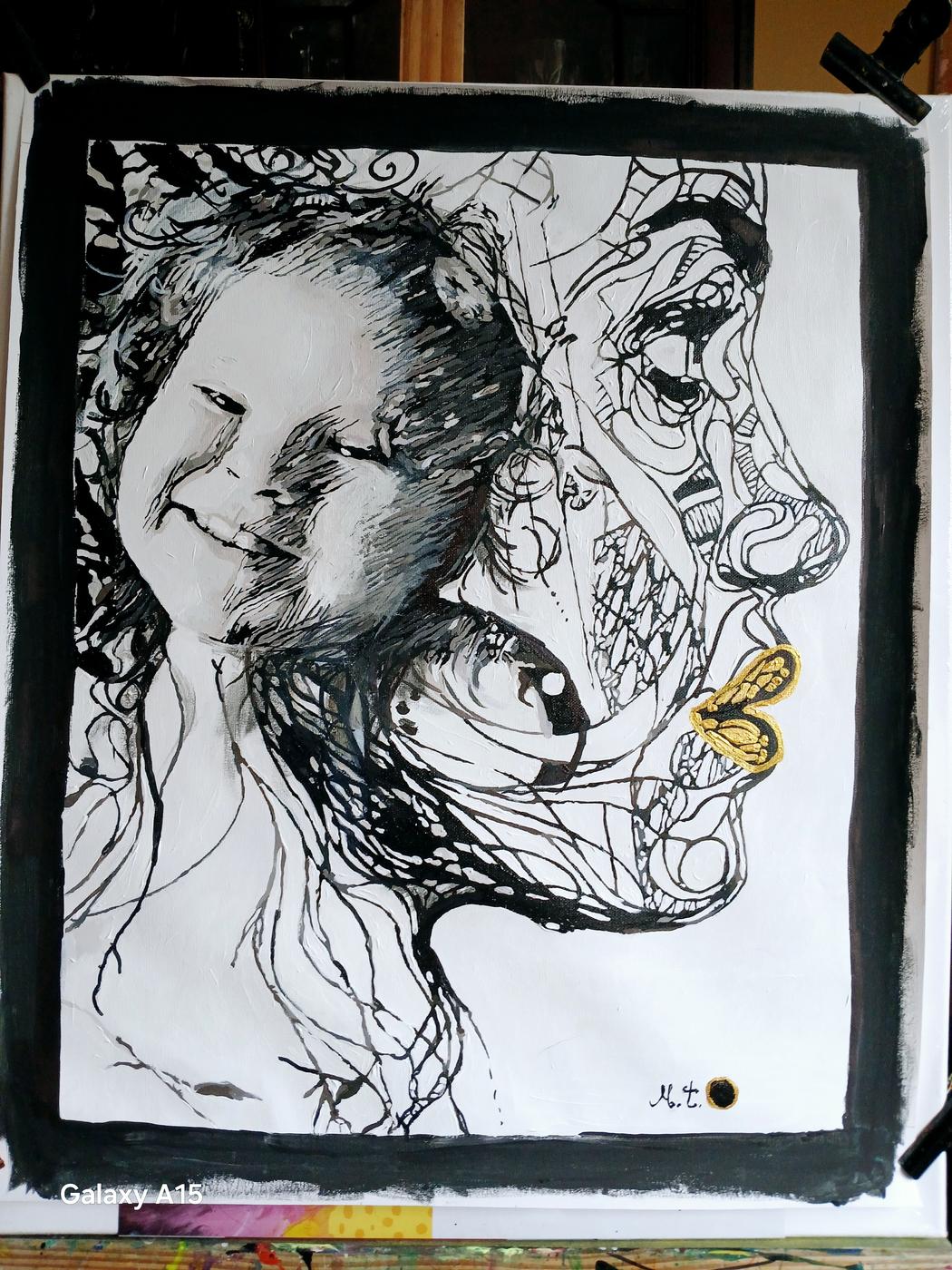
Many of your works combine figurative imagery with expressive, almost abstract elements. How do you balance representation and emotion in your compositions?
Oh, I think it requires an intentional mixing of technical skill and intuition.
Before I’ll start a new painting, I need to decide if the narrative story or the emotional mood takes priority first. Then I apply brushwork, lighting, or color theory to inject feeling into literal subjects. Mostly I just implify or distort background details to emphasize the emotional focal point.
Portraits and human faces seem to play an important role in your work. What attracts you to the human image as a subject?
Human body was always an intriguing and beautiful subject for me to paint. Given the amount of commissions I have been asked to paint in the past, that was just a natural progression that I have decided to use it to my own development and discovery.
Viewers instinctively mirror the emotions they see in a painted or photographed face. Micro-expressions cross cultural barriers, conveying grief, joy, anger, or fear without words. A portrait captures a raw, frozen moment of a person’s internal life, inviting empathy. Every wrinkle, scar, and glance tells a story about aging, hardship, or lifestyle. Portraits create tension between what the subject reveals and what they hide.
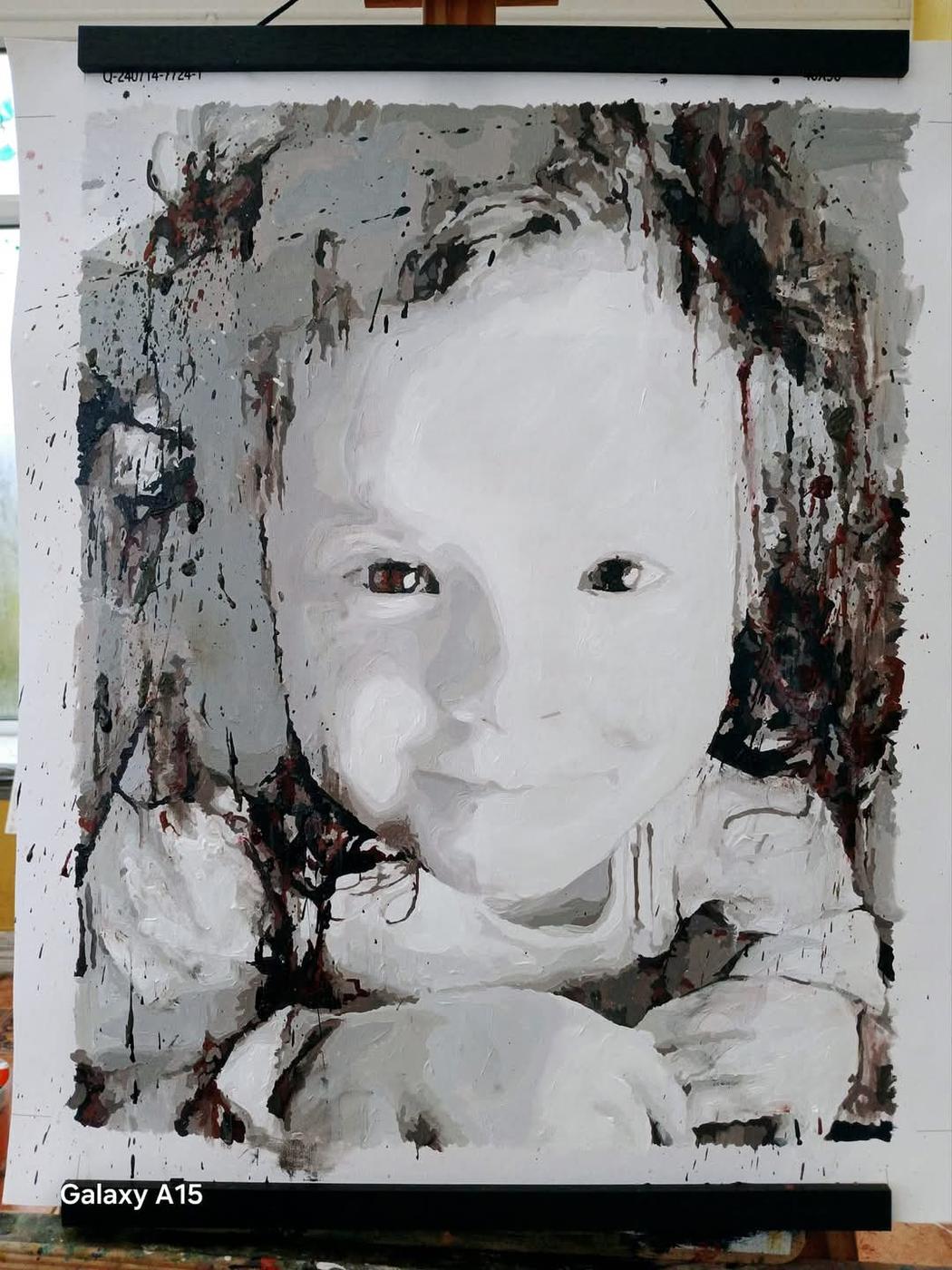
Some of your works portray children with a strong emotional presence. What do childhood, innocence, or memory mean within your artistic practice?
Most of my recent work is based on my own kids. Just watching them, watching them grow up and the way they see the world, brings the memories of my own. I want my work that the audiences would share that view, to see childhood as a lens for a raw emotion. I wanted to highlight representation, a state of being before social conditioning takes over. Depicting a child allows my artwork to convey pure joy, fear, or loneliness without pretense. Every viewer has been a child, making this motif a powerful bridge for empathy.
It’d a real innocence in contrast with reality. The child frequently serves as a metaphor for an uncorrupted human soul. The real purity. This theme often explores the poignant, inevitable transition into adulthood which I tried to portray especially in one of my paintings. Nostalgic reflections in art are rarely exact; they are beautifully distorted by time. Looking back at early years helps me to unpack the roots of my current identity. Childhood memories provide a foundational palette of feelings that fuel my mature creativity.
Your works often feel layered, both visually and emotionally. Do you usually begin with a clear image in mind, or does the work develop intuitively?
Oh, I definitely have the intuitive approach to my work. Organic and process-driven. I begin without a fixed plan, making initial marks and reacting to them layout by layout. I am driven by a feeling of that moment.
Depth is achieved by constantly adding, scraping away, and painting over elements, leaving ghosts of previous ideas. The emotional meaning of the piece clarifies itself to me only during the middle or final stages of production.
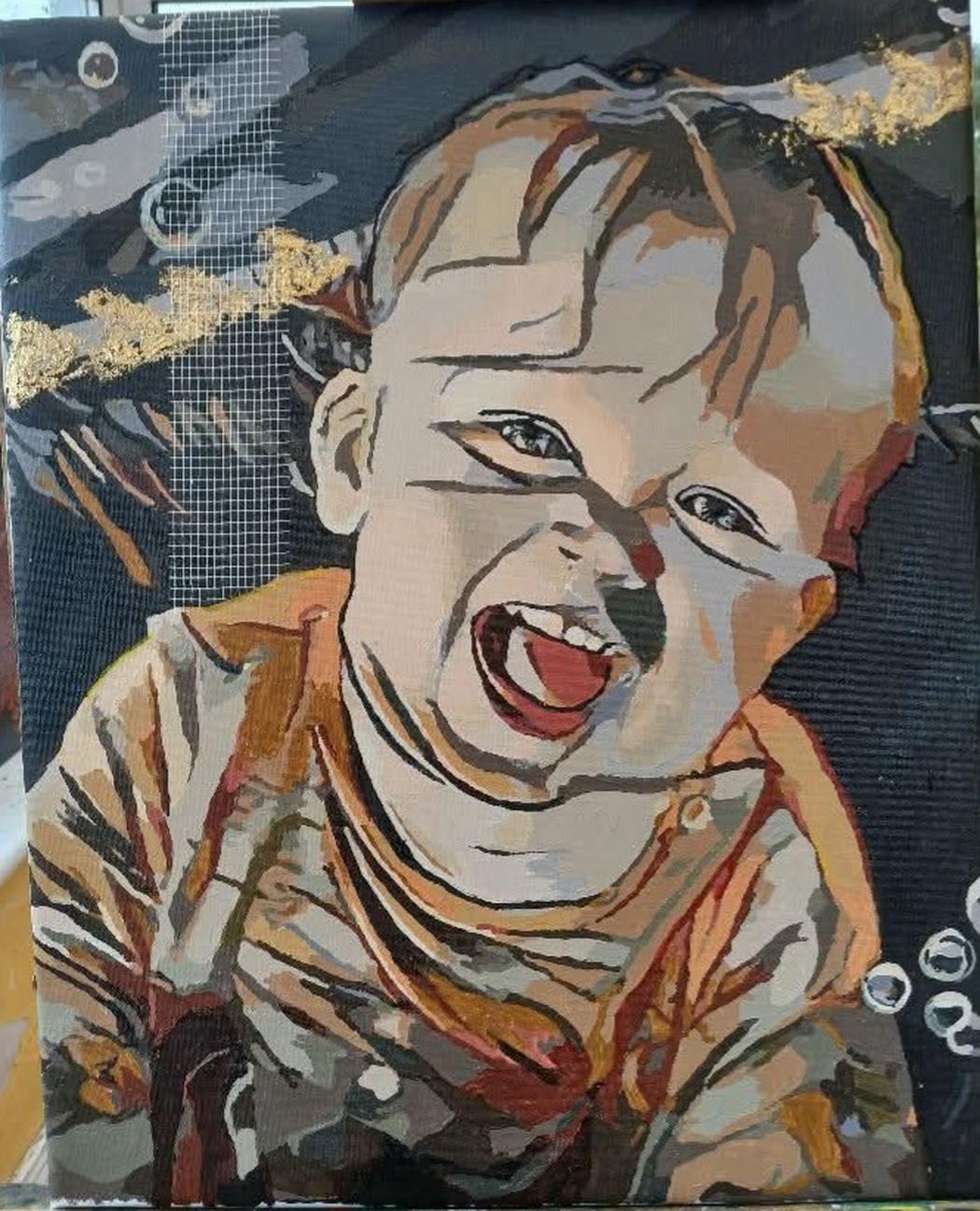
How has your experience of exhibiting in both Poland and Ireland influenced the way you communicate with audiences?
Poland and Ireland, both, are very close to my heart. I was born in Poland and that has shaped my childhood and early teens which I think of very fondly. And Ireland, well, Ireland is like a new mother to me who took me on and let me explore.
What I have noticed, audiences in Poland often connect deeply with historical weight, philosophical metaphor, and structural layering. Art communication there frequently welcomes dense psychological subtext and artistic gravity. While the Irish audiences are famous for prioritizing storytelling, direct warmth, and conversational wit.
Exhibiting in both places, it allows me to learn to balance the raw, systemic introspection typical of Polish Critical Art with the poetic, folklore-infused landscape storytelling often found in the Irish tradition. Communicating as a cross-cultural migrant means learning that an artwork’s title or introductory text changes meaning depending on the audience’s regional slang, emotional vocabulary, and local traditions.
Leave a Reply
You must be logged in to post a comment.