
Olga Kölsch
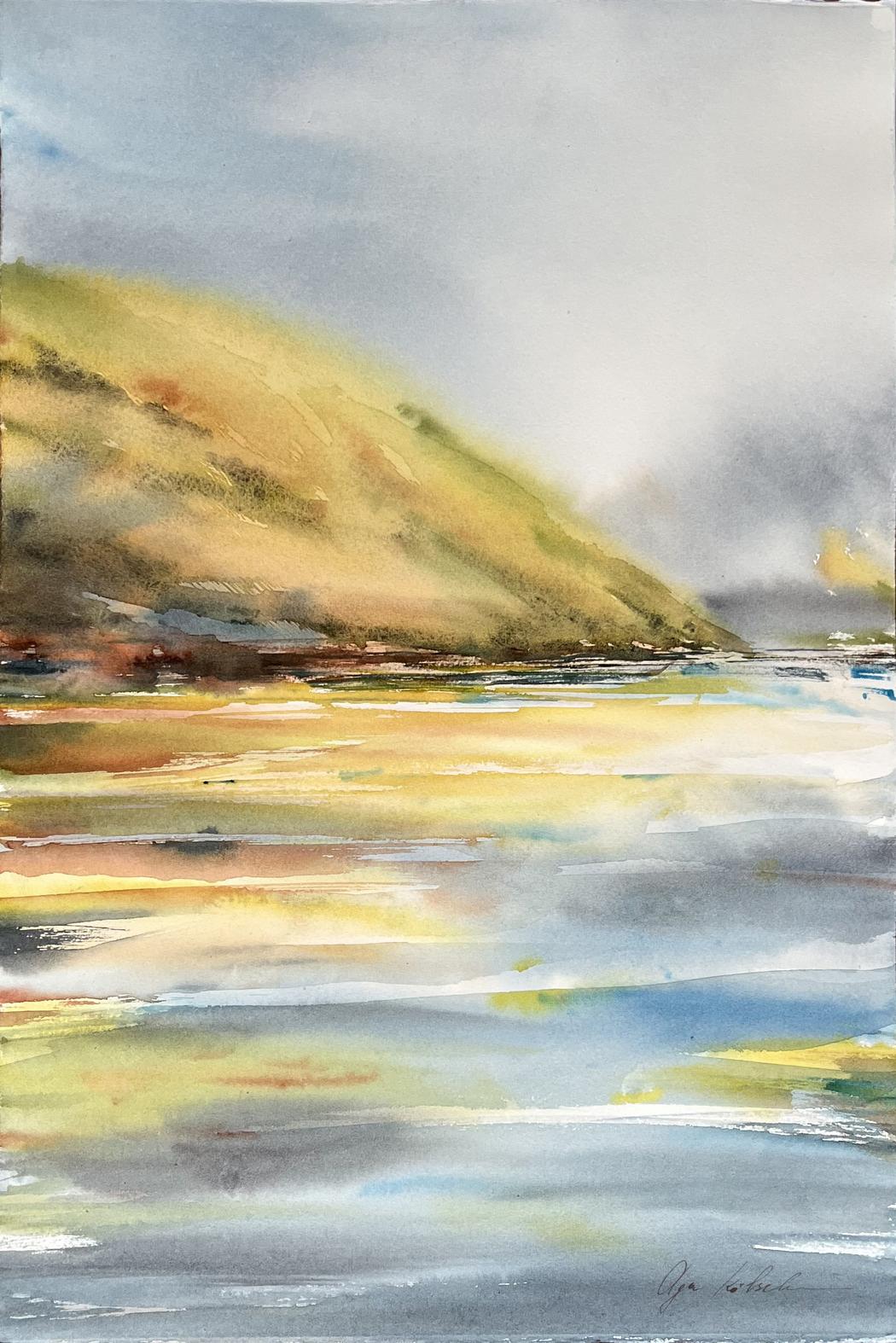 Olga Kölsch | Fjord in Autumn | 2025
Your watercolor works are known for their transparency and fluidity. How did you develop this distinctive visual language?
I was inspired by the X-ray photography of Steven Meyers and started wondering whether it would be possible to recreate a similar transparent feeling with watercolor. Somehow, it just clicked and resonated with me.
My passion for this technique started from very practical reasons. Back then I had two little kids, which means I often need to stop everything and go to them. This layered technique is very timing-friendly—you can paint one petal, take a break, then come back and paint another one, and so on.
Later, I tried to push it further and see how far I could go with layers — how many petals I could paint distinctly, and what else instead of flowers I could paint.
In your paintings, flowers often appear both delicate and structured. What draws you to this balance between control and spontaneity?
My serious watercolor journey started with botanical illustrations, which gave me confidence in technique and a good understanding of flower structure. Nevertheless, I always had a feeling that it wasn’t exactly my thing, and I was searching for something more expressionist and freehand. This transparent technique became a kind of bridge between two worlds.
Everything keeps changing. Even within this transparent technique, I am gradually moving toward a more loose and spontaneous approach. Some years ago I was very precise with water control and tried to prevent all “accidents” like cauliflower blooms or uneven washes. Now I mostly trust watercolor to do its job and really enjoy the textures we love watercolor for.
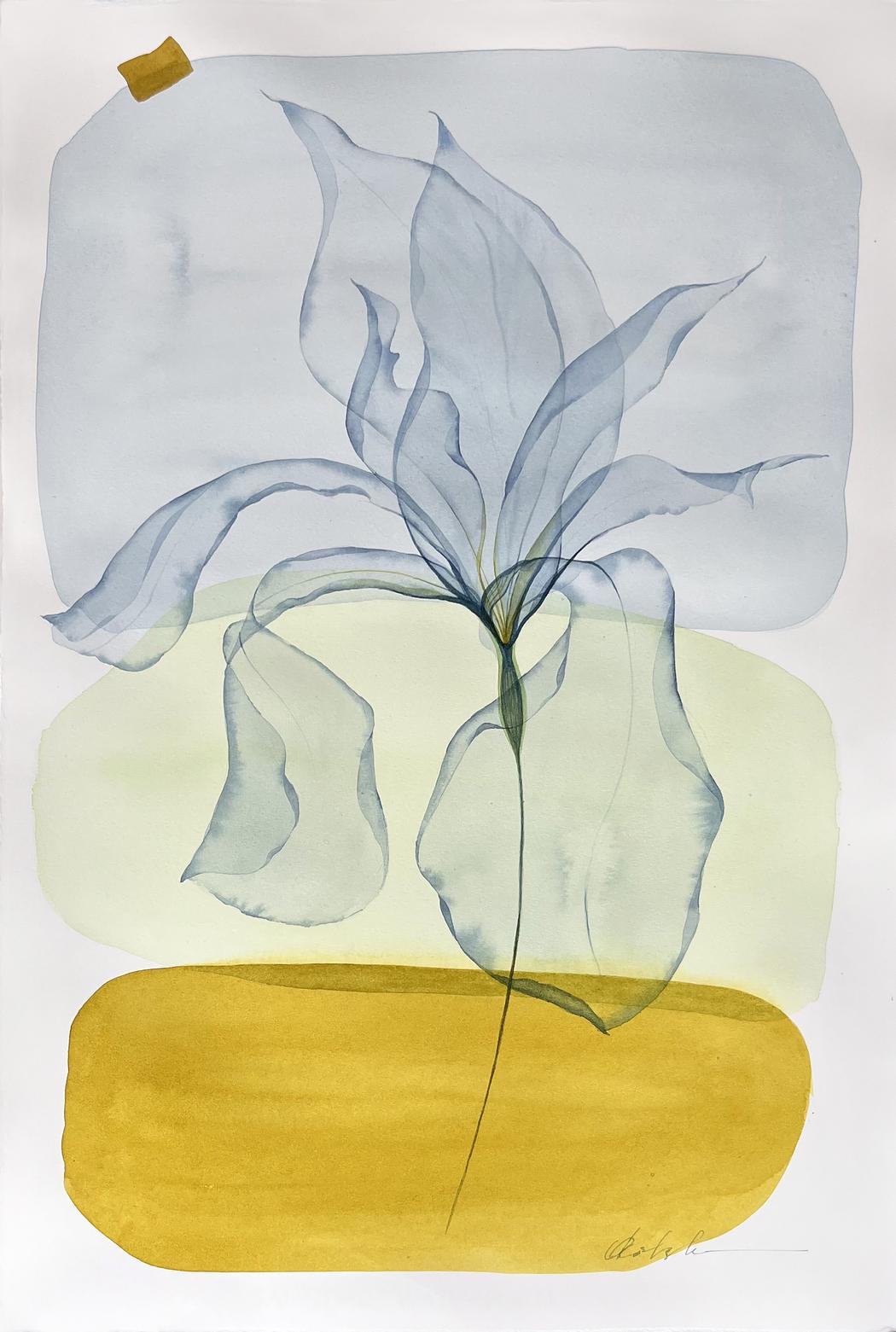 Olga Kölsch | Delicate Iris
Could you describe your process when building layered transparent compositions? How do you decide when a work is complete?
Sometimes I start with a fluid wet-in-wet background and try to incorporate a flower into what the background suggests. I like to experiment with different types of backgrounds—color blocks, fluid washes, textures. I usually do a very simple draft drawing, and adjust the painting along the way. Sometimes it ends up very differently from what I had in mind.
Finishing a work at the right moment is still one of my challenges. I have a tendency to “improve” things. There is a good German word, Verschlimmbesserung—improving something to the point where it becomes worse—and sometimes it’s difficult for me to stop.
What helps me is to take a break, take a cup of coffee, for example, and then look at the work with fresh eyes or through the camera.
I also like to finish a painting in one day, if possible, because on the next day I will likely have a different mood, different energy which would’t work on the painting from the day before.
How does teaching influence your own artistic practice? Do your students ever change the way you approach painting?
Teaching is a great pleasure for me—I truly enjoy it, especially the communication with students and seeing what they are working on and their challenges.
Students often ask unexpected questions. For example: “Can I paint this transparent flower on a dark background?”—and that led me to experiment more with backgrounds. Or: “Can we apply this technique to something else?”—which inspired me to paint landscapes in a similar way.
Your work often feels both minimal and emotionally rich. How do you achieve this sense of depth with such light visual elements?
Within one painting, I usually use a minimal palette. To be fair, I don’t have a strictly limited palette overall, I like having a wide choice of paints. But within a single work I prefer to use one to three colors.
Many of my paintings are close to monochrome, which allows me to focus on value contrast. That is probably what brings the emotional depth.
How has living in Norway influenced your artistic vision, especially in terms of light, atmosphere, and nature?
Norway has incredibly beautiful nature. The light is very subtle and delicate—if we speak in painting terms, it is slightly desaturated and diluted.
Living here has made me very sensitive to these nuances of light and atmosphere, but also to sudden, dramatic shifts in color. Most of the time the palette is quiet—soft greys and muted tones—but then the sky can suddenly explode into something intense and almost unreal. If you look at Edvard Much’s “The Scream” and think the colors are exaggerated, they are actually not. These dramatic sunsets are quite common here.
This contrast has shaped the way I paint: I work in a delicate, soft way, always leaving space for unexpected brightness and moments of intensity—just as nature does here.
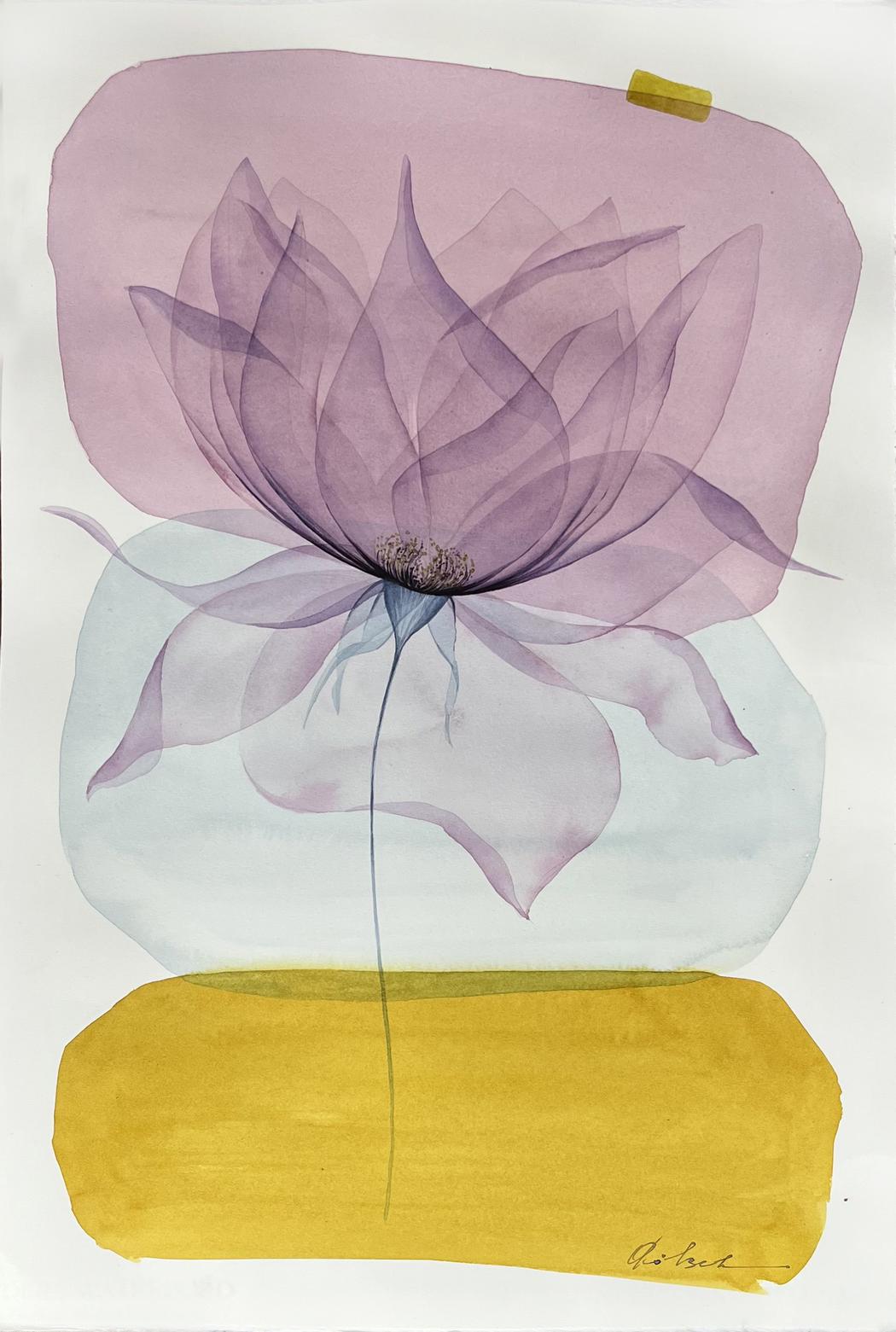 Olga Kölsch | The Fragility of Rose
What advice would you give to artists who want to develop their own unique style in watercolor?
It’s nothing new—you need to paint a lot and allow yourself to paint different subjects, in different ways.There’s no shortcut, unfortunately.
Sooner or later, you’ll start noticing patterns—certain colors you keep using, techniques that feel natural, subjects you don’t get tired of. Your style is a bit like your handwriting: it’s always unique, whether you try to control it or not. But it only reveals itself after a fair amount of searching, testing, failed attempts, and quite a few piles of painted paper.
And what else can happen—once you think you’ve “found” your style, don’t get too comfortable. It’s perfectly fine to turn 180 degrees and try out a completely different direction. Your style shouldn’t dictate what you do; it should follow your inner feeling.
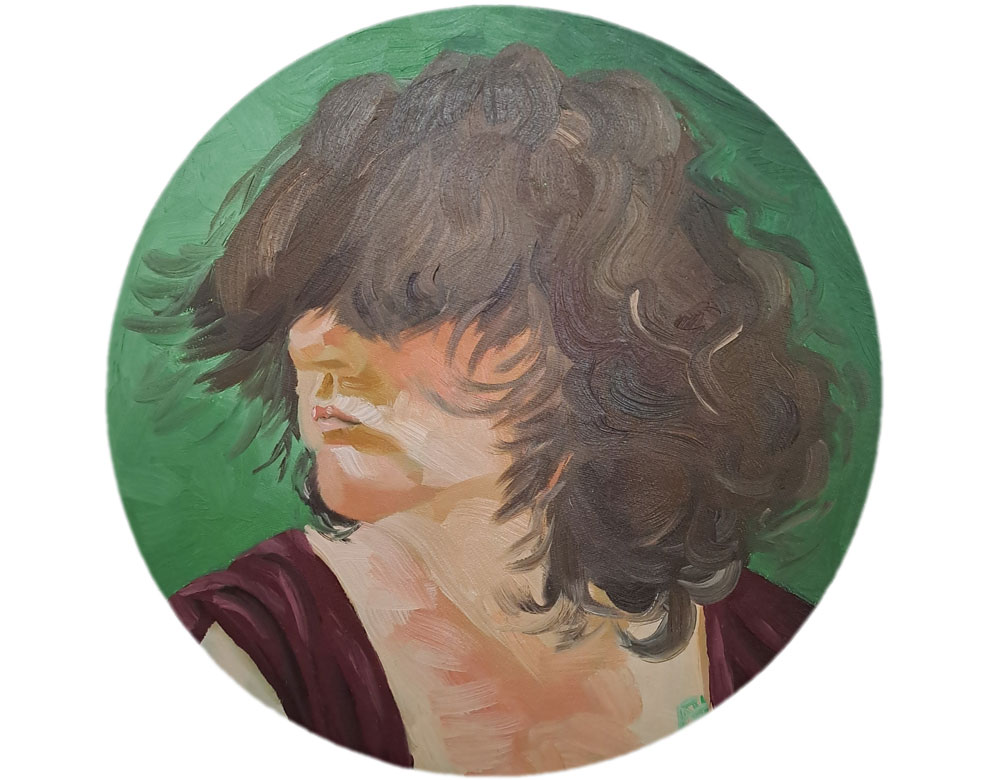
For example, right now I’m very drawn to painting portraits. It’s something quite new for me, and honestly, a bit intimidating. But stepping away from the familiar path feels necessary as I have to respond to that call.
Leave a Reply
You must be logged in to post a comment.