
Lia Popa
Your background spans music, architecture, and medicine – how do these disciplines influence your artistic practice?
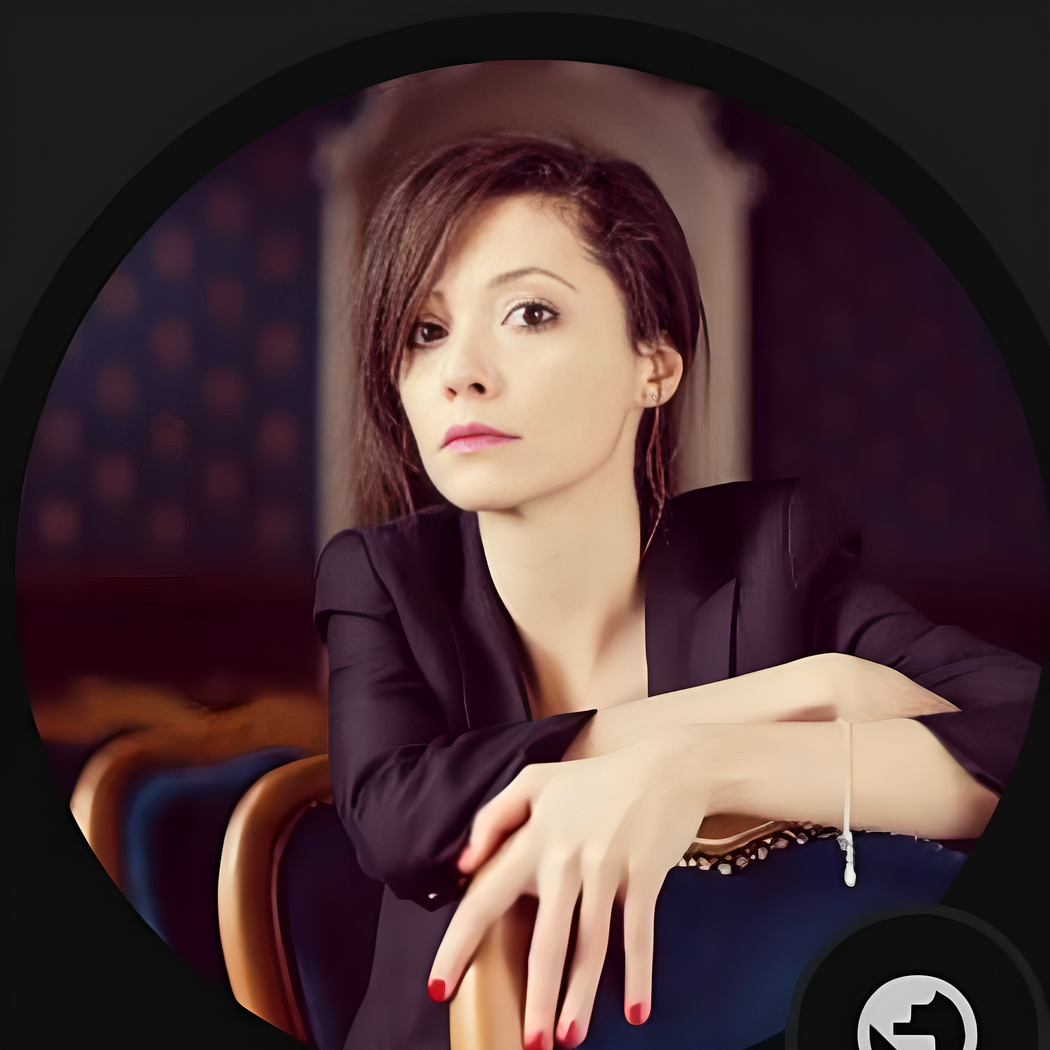
I started with piano from an early age, which helped me to develop my inclination for simplicity and composition. Art is a form of communication, creativity and introspection. To be authentic you have to get to know the historical background and the social context of a piece of art. I believe that Architecture broaden my knowledge in aesthetics by developing concepts according with the new technologies. Being my main subject, Medicine expanded my horizons. Therefore, my artistic practice resumes interpretation of the every day life and it includes a balanced chromatic as well as mixed techniques.
How does your experience as a pianist shape your sense of rhythm, composition, or flow in your drawings?
My experience as a pianist helped me to be patient and to pay attention to rhythm form and details. To imagine a concept before applying it and to be able to listen.
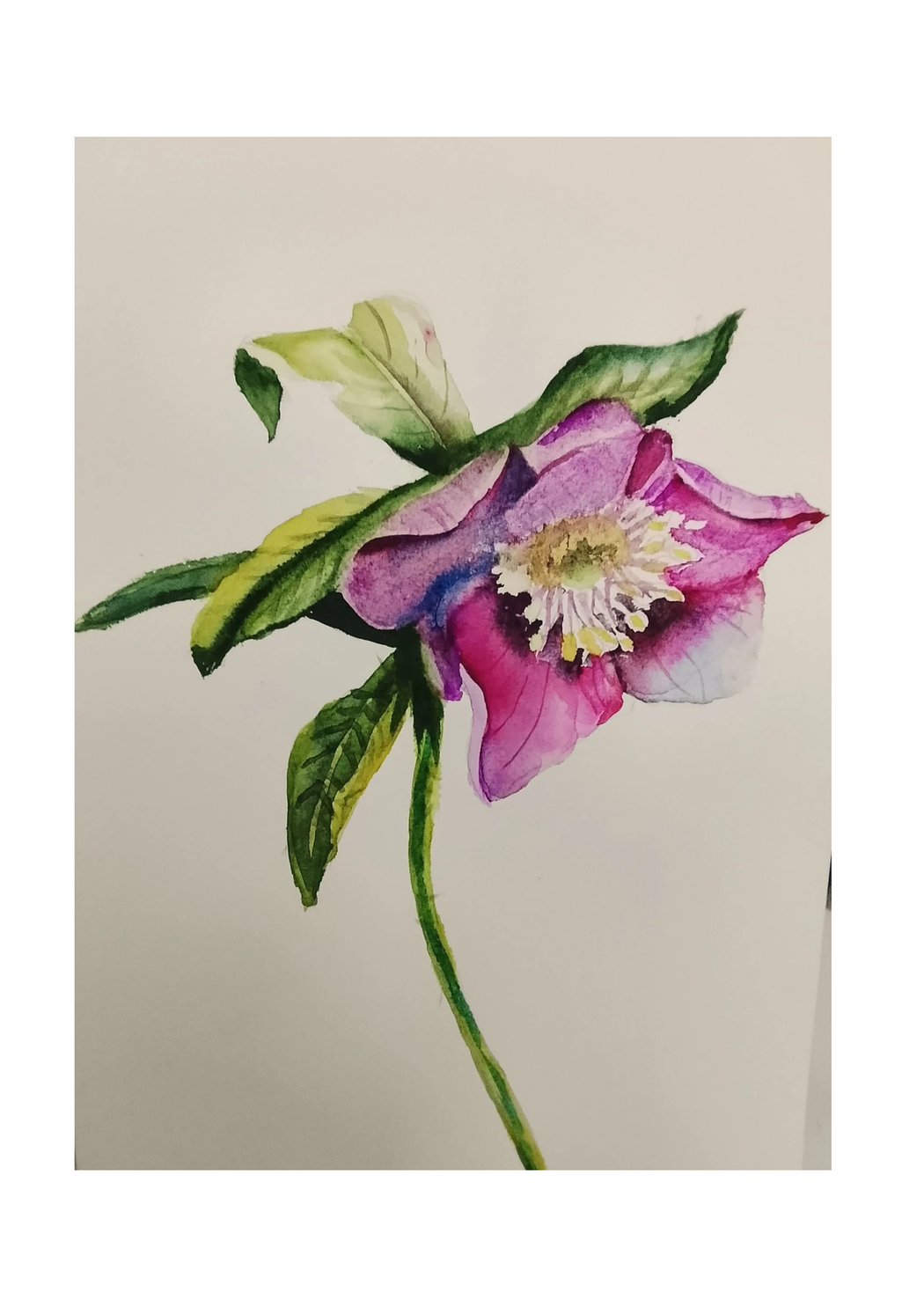 Lia Popa | Amethyst Flora | 2026
In your floral works, what draws you to abstract interpretation rather than strict realism?
Flowers are like pieces of art. They are beautiful and they bring calm. Moving from Romania to Vienna was an amazing journey. I had the idea of reinterpreting flowers in an unusual way.
Can you describe your process when creating a piece – do you begin with a concept, emotion, or visual reference?
When I create a piece, I usually take a walk into a museum or a Library or I study another piece of art. I try to focus mainly on the History of Art of the 21st century and I search for visual references. I like to make connections between literary subjects and visual art and to analyze a trait, such as generosity, humor, or intuition.
Your works balance softness and structure – do you see this as connected to your architectural training?
In Architecture school I was taught to let my imagination run free and to make everything beautiful. I learned techniques of drawing, for example technical draw, acrylic, watercolor, charcoal or illustration.
How does your medical profession influence your perception of the human body and form in your drawings?
Being my main domain, Anatomy has splendor and beautifulness. The human body is very complex.
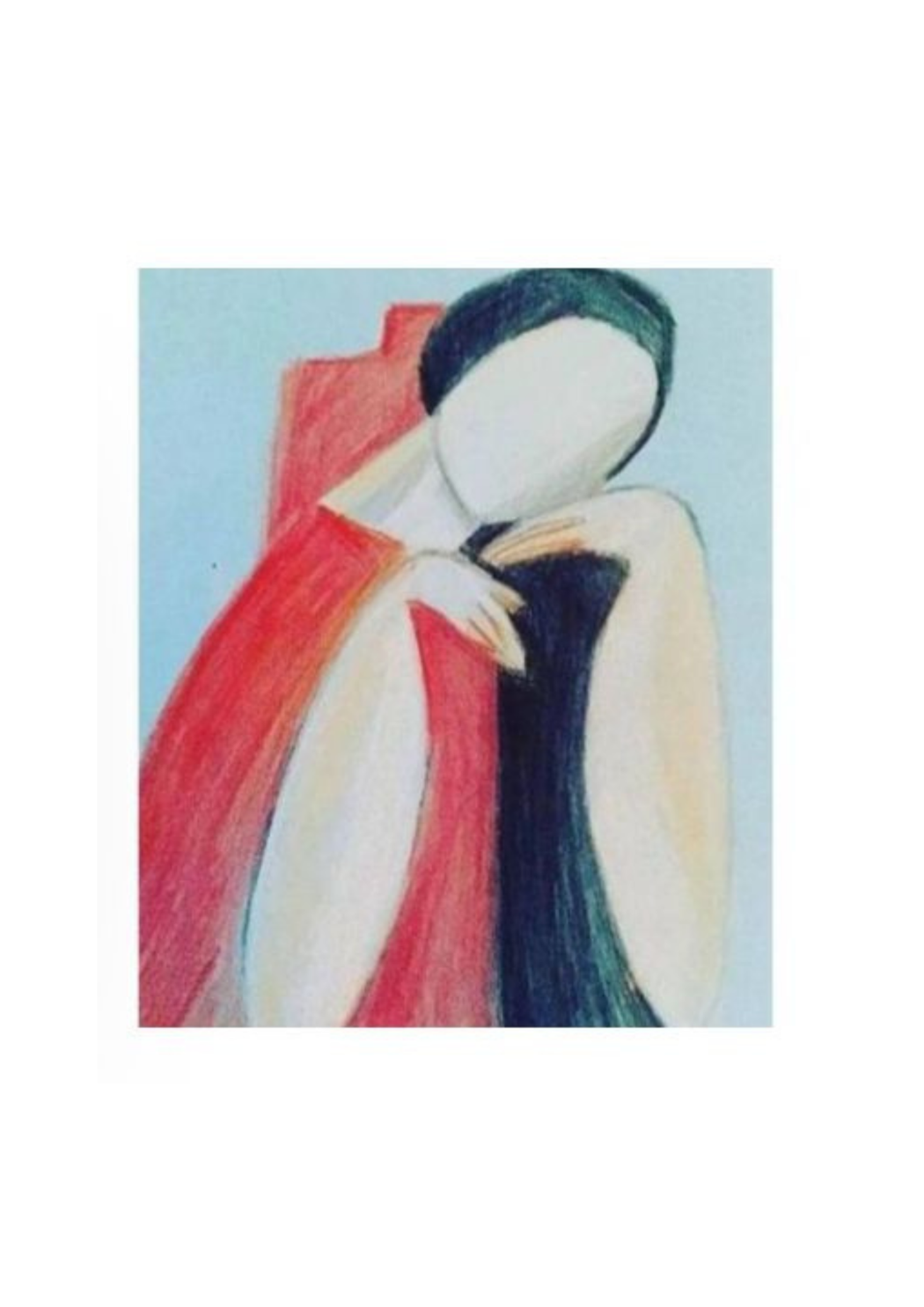 Lia Popa | Angel of light | 2025
Do you see your artistic practice as a contrast to your scientific career, or as something complementary?
I see my artistic practice as a contrast to my scientific occupation. The everyday life is a great source of developing new concepts and to share a colorful palette in music or in visual art.

Leave a Reply
You must be logged in to post a comment.