
Uliana Novak
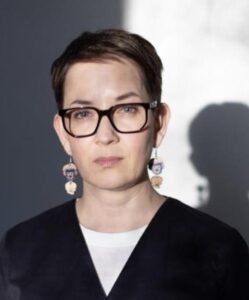
Your background in sociology clearly shapes your perspective – how does this academic experience influence your approach to painting today?
My sociological background deeply impacts my approach to painting by offering insights into social behavior, cultural influences, and human interactions. This knowledge helps me infuse my artwork with themes related to identity, society, and community. By understanding societal patterns and relationships, I can create paintings that explore individual experiences while also addressing larger social themes. This perspective allows my art to resonate with viewers on both personal and societal levels, making it more engaging and meaningful.
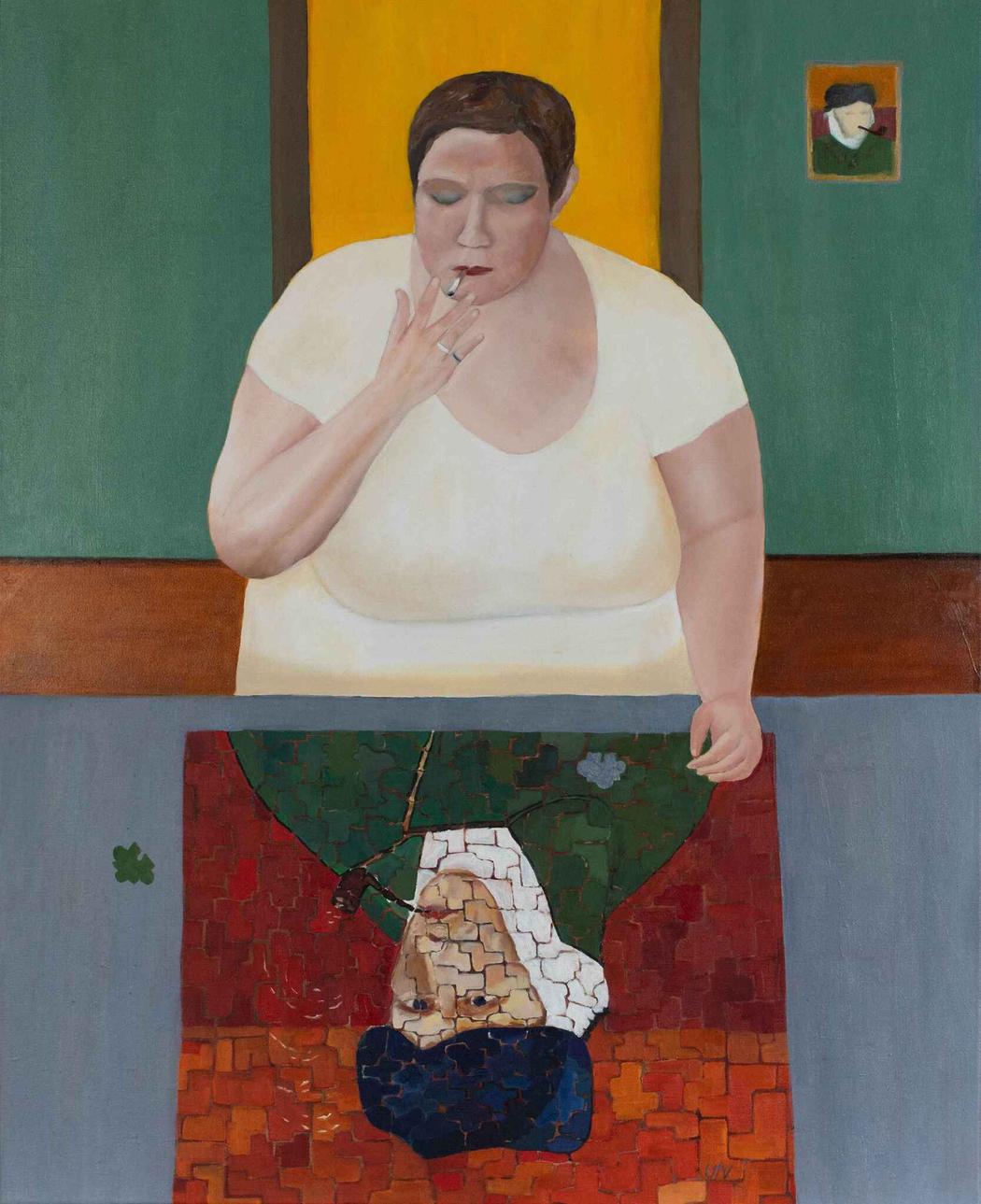 Uliana Novak | Self-portrait with Van Gogh | 2024
You describe art as a new language that replaced sociology for you. What can painting express that words and research could not?
Painting offers a unique form of expression that goes beyond the limitations of words and research by engaging emotions, intuition, and visual storytelling. While sociology relies on structured analysis, art allows for a more fluid and personal exploration of ideas. In my work at sociological centers and conducting research, I was often bound by the specific themes of the projects at hand. Even when writing my PhD dissertation on a topic I chose myself, there were numerous constraints of various kinds. In contrast, art provides a remarkable sense of freedom. It creates an immediate connection with viewers, inviting them to interpret and engage with the work on their own terms. This visual language can evoke empathy, provoke thought, and inspire change in ways that written or spoken languages sometimes cannot.
The image of the window is central in your work. How did this motif first emerge, and how has its meaning evolved over time?
Initially, the window in my art served as a symbol of the division between personal and public spaces, reflecting my introverted nature and the challenges I face in interacting with the outside world. Over time, it has also come to represent my connection to the world—a lens through which I observe from a comfortable distance. I communicate silently through my paintings, viewing the world the way I feel genuine. Additionally, the window has evolved into a metaphor for the shifting boundary between past and present. In my work, I reference well-known classical paintings from European, Russian, or Finnish art, reinterpreting them in a contemporary context.
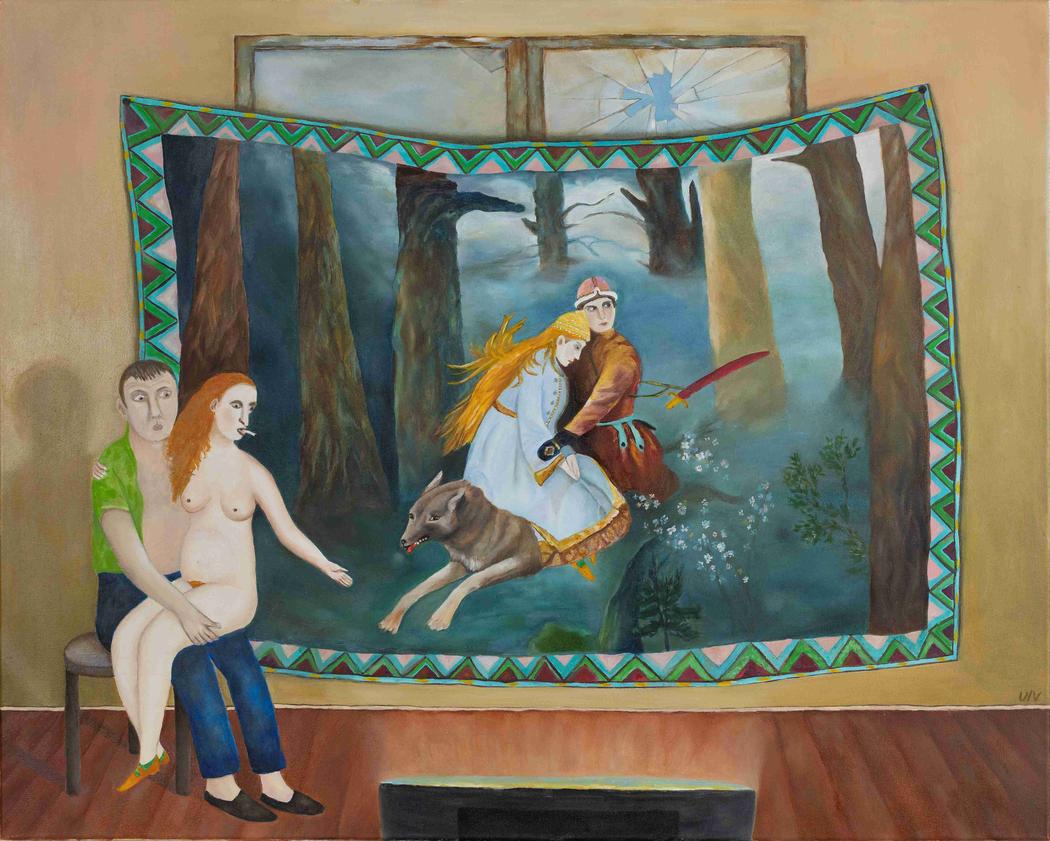 Uliana Novak | Carpet | 2023
Many of your paintings reference classical artworks placed “outside” the window. What draws you to this dialogue between past and present?
As a sociologist, I’m drawn to the dialogue between past and present because it allows me to use classical artworks as a means to comment on contemporary societies and the people living in them. By placing these classical references “outside” the window, I create a bridge between historical context and contemporary interpretation. This approach enables me to explore how timeless themes and values from the past can shed light on current social dynamics and human behavior. It also provides an opportunity to recontextualize these works, inviting viewers to see them through a fresh lens and consider their relevance today.
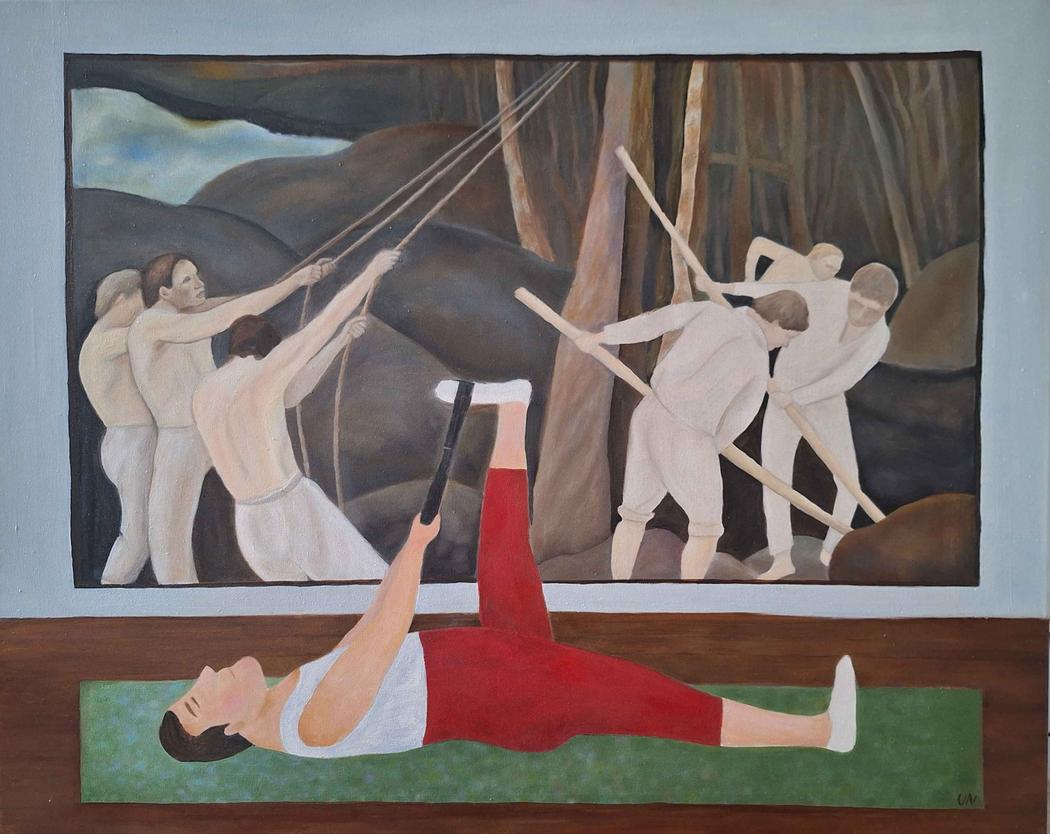 Uliana Novak | Carpet | 2025
Your works often feel both intimate and unsettling. How do you balance personal narrative with broader social or historical commentary?
I guess I achieve this by intertwining my own experiences and emotions with universal themes that resonate on a larger scale. The intimate aspects of my art allow viewers to connect on a personal level, while the broader commentary invites them to reflect on societal or historical contexts. This approach creates a dynamic tension that makes the work both relatable and thought-provoking, encouraging viewers to engage with multiple layers of meaning.
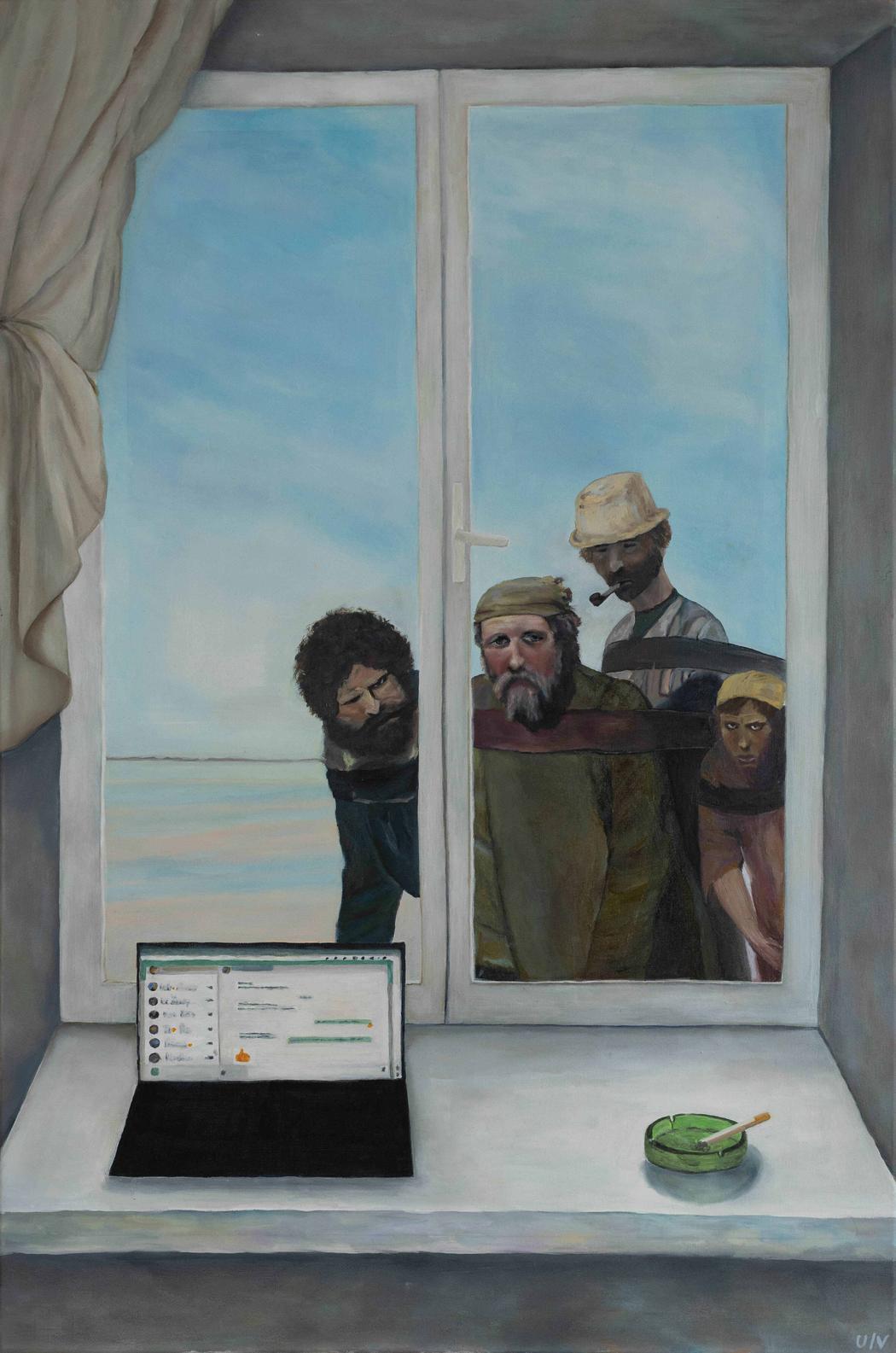 Uliana Novak | Window | 2023
Being diagnosed with autism spectrum disorder later in life – how has this influenced your artistic process and self-representation?
Receiving an autism spectrum disorder diagnosis later in life offered me a new perspective on myself and my artistic process. It allowed me to stop conforming to social standards and shedding the masks I had worn for so long. Instead, I began to embrace my true self, focusing on what genuinely interests and fulfills me. This shift has opened up new avenues for growth and exploration within the art world, enabling me to express myself more authentically and pursue my passions with renewed freedom and creativity.
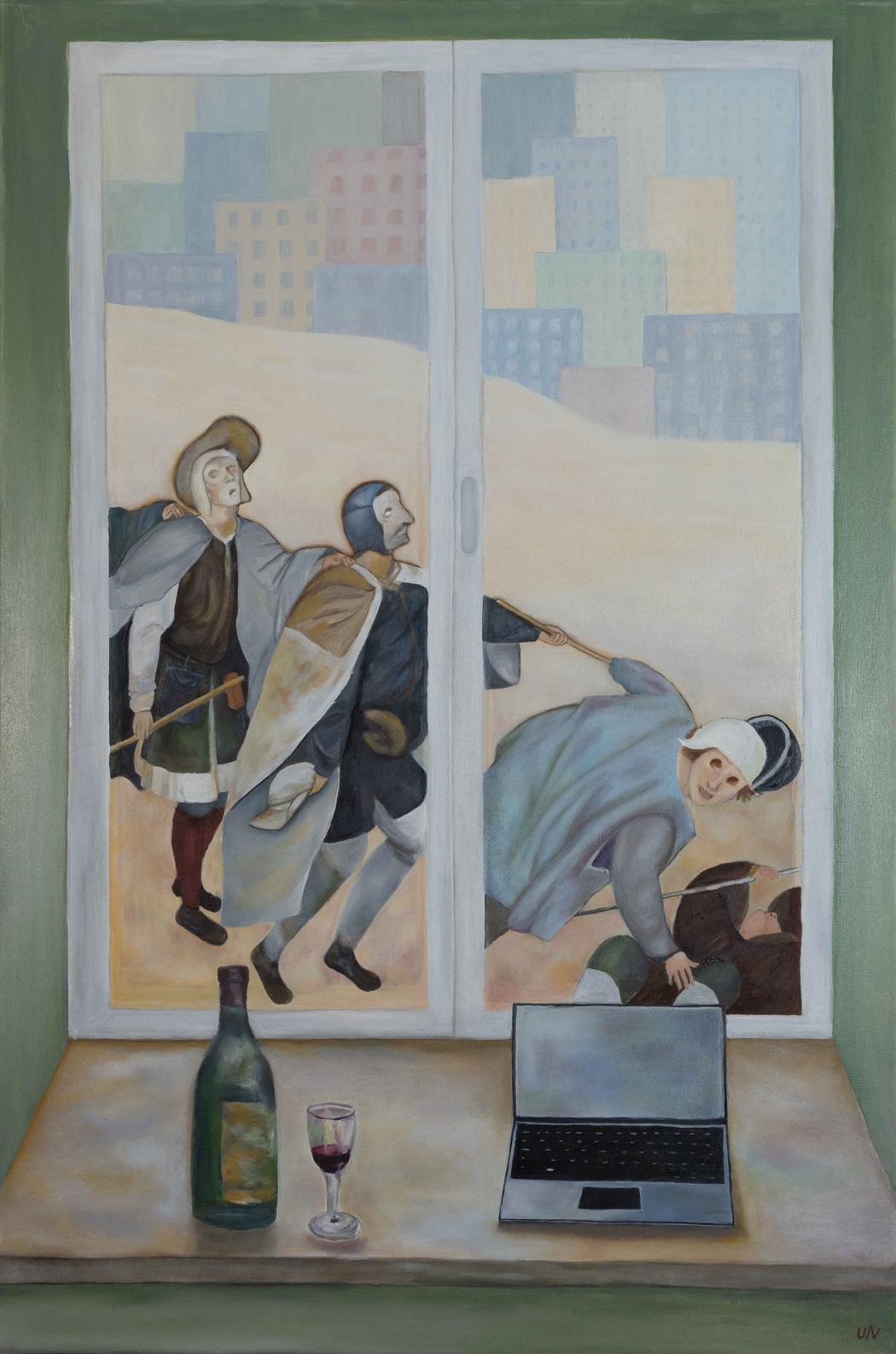 Uliana Novak | Window | 2023
There is a strong sense of observation in your works, almost like a researcher analyzing reality. Do you still feel like a sociologist when you paint?
With ten years of studying sociology and the professional education I’ve received, the influence of my background is deeply ingrained in me. I often find that my sociological perspective naturally informs my artistic process. This background allows me to observe and analyze reality through an artistic lens, enriching my work and enabling me to explore social dynamics and human behavior in a unique and meaningful way.

Leave a Reply
You must be logged in to post a comment.