
Mariola Szreiber-Zdziebłowska

Your work is described as a “victory over emptiness.” What does emptiness mean to you, and how does art help you overcome it?
Emptiness was a state I inhabited after loss – after the death of my daughter, the suicide of my husband, and falling into the darkness of depression. At that moment, I was invisible to the world and to myself. Picking up a camera became the turning point. This passion filled the void, becoming my salvation. Today, that space is no longer empty; it is filled with creation, which has become the material cementing the cracks in my soul.
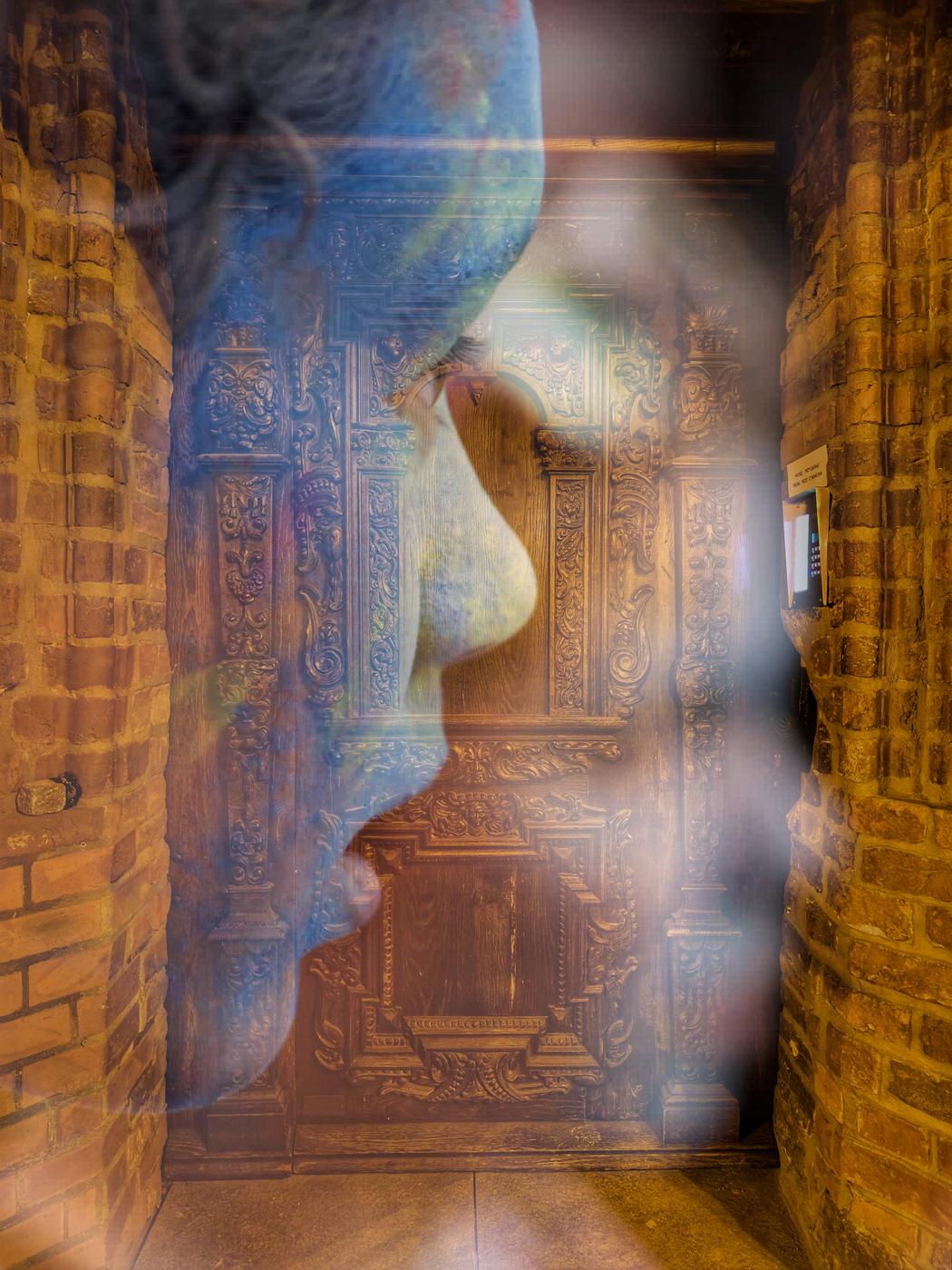 Mariola Szreiber-Zdziebłowska | Echo of Existence Victory over the emptiness of the past
With whom or what do you conduct a dialogue when you create?
I conduct a dialogue with myself – with the woman who once didn’t have the strength to get out of bed. My works are a letter and a manifesto of hope. Using my own example, I want to show that returning to the light is possible, but it requires setting a goal. This goal becomes the engine that pulls you upward when you lose your footing. I create to release emotions, but also so that others can see that it is possible to emerge from the deepest darkness back into life.
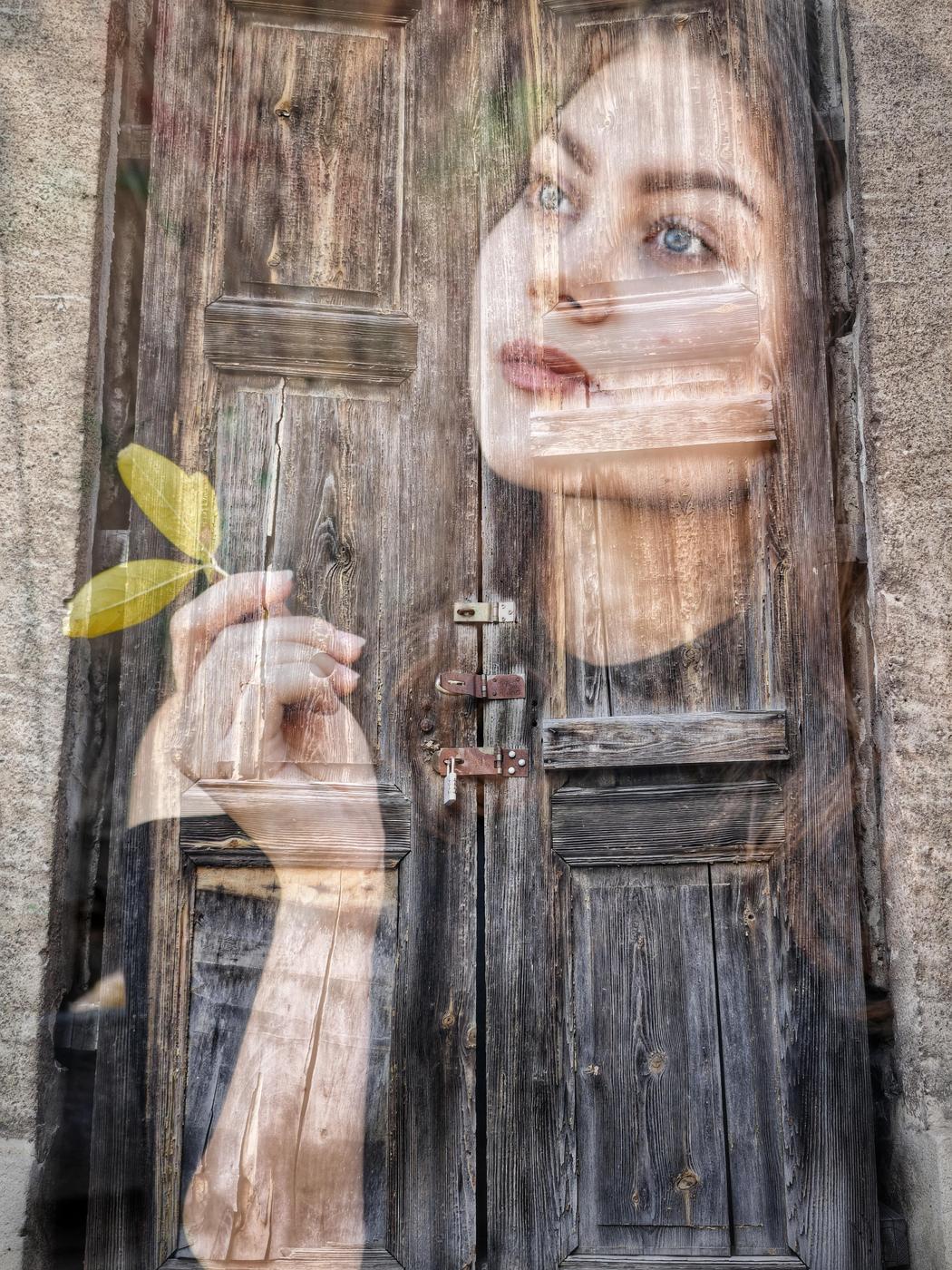
The idea of transforming hardness into fragility is very strong. How does this transformation manifest in your artistic practice?
This is most evident in my works featuring concrete. Concrete represents the hardness of the fear and blockages we carry within us. Breaking through this layer is painful and requires immense strength, but it is worth it. On the other side of that concrete, freedom awaits. My art documents the moment when what is hard and impenetrable cracks, revealing a fragile, saved soul that has dared to burn with its own light once again.
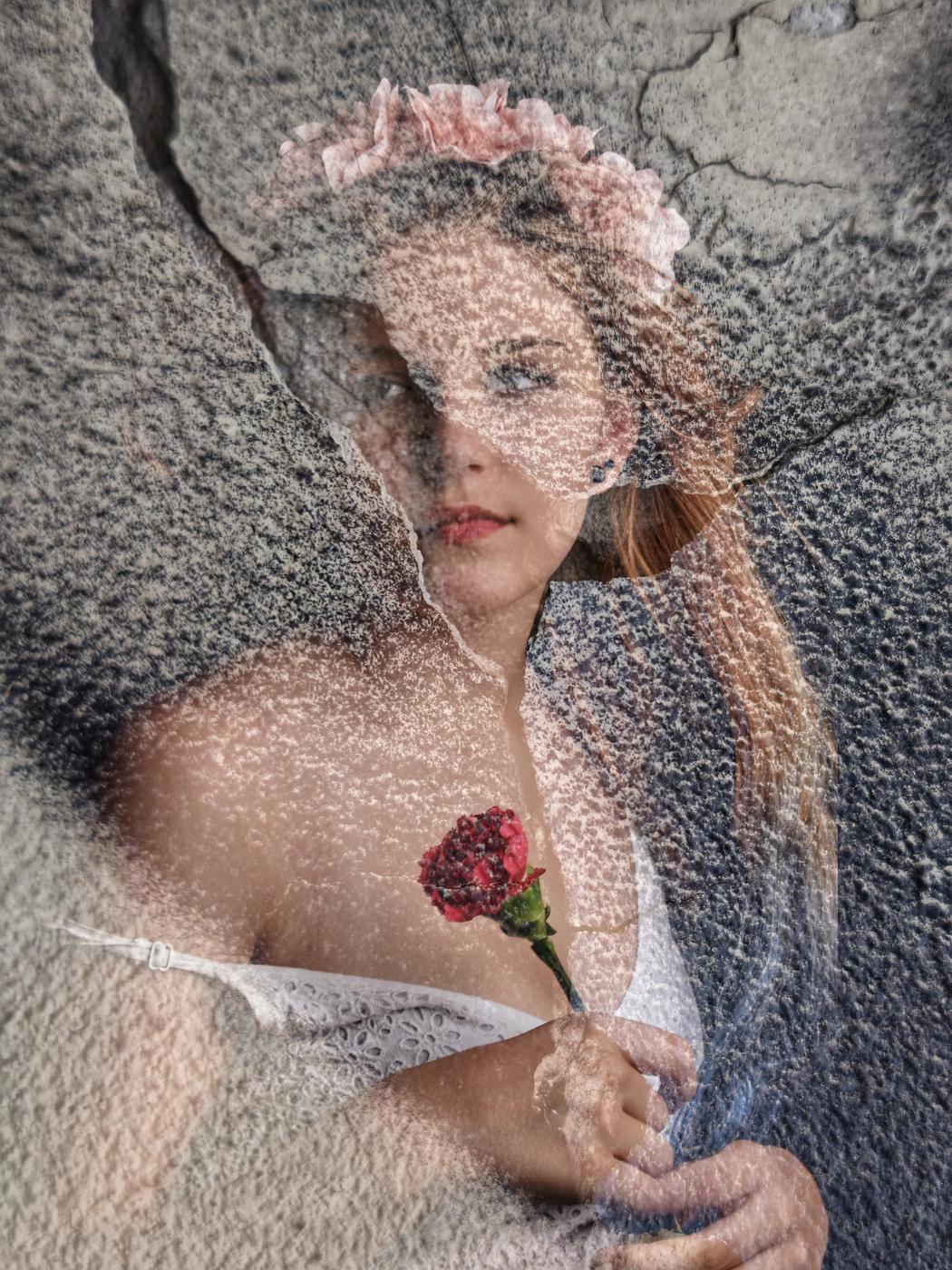
Texture and layering: how do visual materials or surfaces contribute to the conceptual depth of your work?
The layers in my work reflect the complexity of human experience – what is on the outside (the mask) and what lies beneath (the truth). The texture of concrete or peeling skin symbolizes the process of “shedding” what once limited us. By materializing these feelings in an image, I give them a tangible form, which helps me – and I hope, my viewers – understand the process of internal transformation.
Leave a Reply
You must be logged in to post a comment.