
Urvashi Sharma
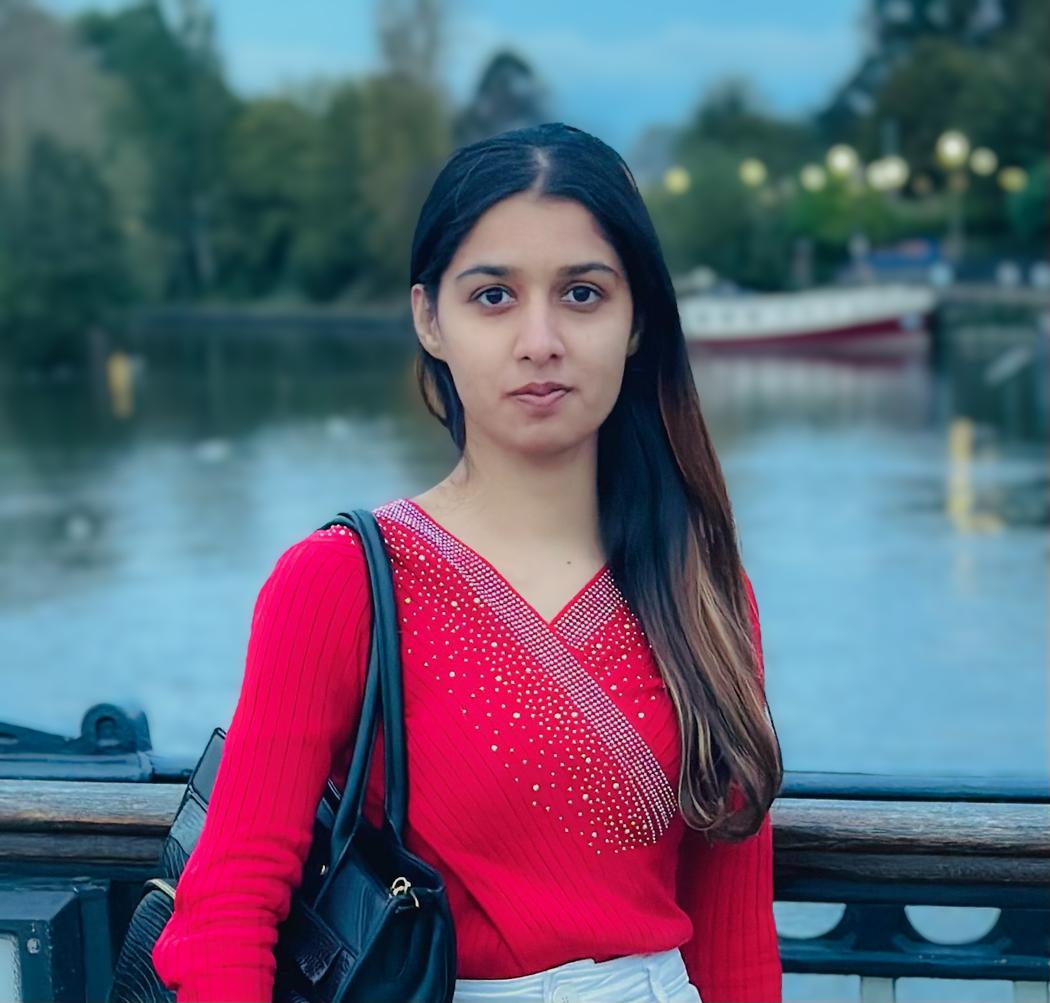
You completed your MA in Illustration in London. How did studying and living in the UK influence your visual language and approach to storytelling?
My approach to illustration evolved significantly during my MA in Illustration in London, where research and conceptual thinking became central to my practice. Rather than beginning with style, I learned to let ideas, context, and narrative guide my visual decisions. This shift helped me create work that feels more intentional, thoughtful, and story-driven.
Living in London further strengthened this development. The city’s dynamic design culture, diverse communities, and constant visual energy encouraged continuous observation. Being immersed in such an environment naturally influenced my visual language and refined the way I communicate stories through images.
Many of your works depict iconic places such as Oxford and London. What draws you to these locations as recurring subjects?
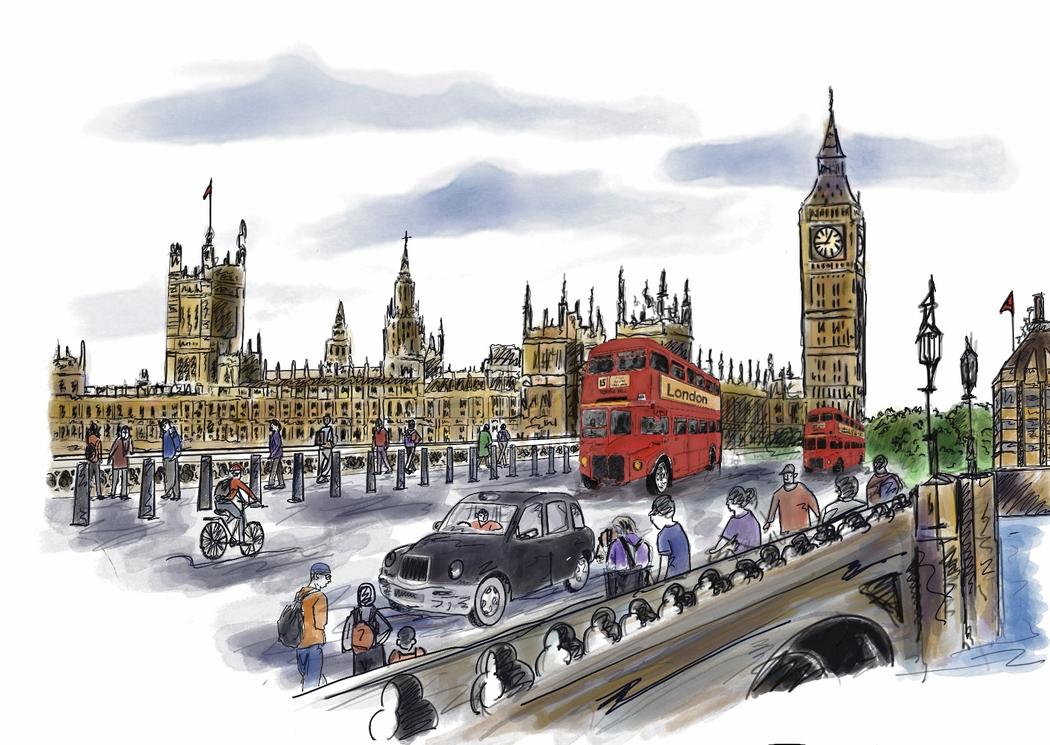
London and Oxford represent the global history and identity of England, which naturally draws me to them as subjects. When I began working as a designer creating gifts and souvenirs, I wanted to represent these iconic cities in a way that feels modern, fresh, and accessible.
Both cities offer a compelling balance between historic architecture and contemporary everyday life. My aim is to reinterpret their cultural significance through simplified forms, bold compositions, and a contemporary visual language, making these places feel relevant and engaging for today’s audience.
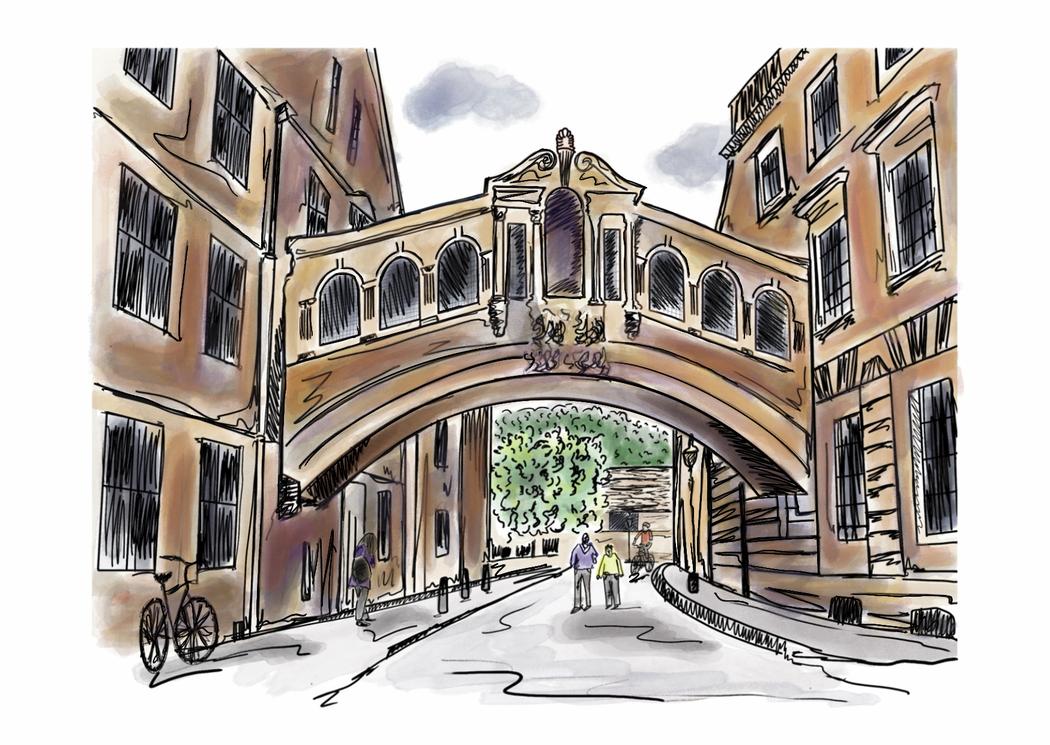 Urvashi Sharma | Bridge of sigh (postcard)
Before working on illustrated souvenirs, you explored themes related to mental health. Do you see a connection between your earlier conceptual work and your current practice?
During college, I chose mental health as a research focus because I felt it was an important and often overlooked subject. I wanted to explore how complex emotional experiences could be expressed and understood through visual language.
That way of thinking continues to influence my current practice. Although my work has shifted towards illustrated souvenirs, I still see illustration as a powerful tool for storytelling, emotional connection, and clear communication. The context has changed, but the intention to connect meaningfully with viewers remains the same.
You currently work as a full-time designer creating souvenir designs. How does working in a commercial context shape your creative decisions?
I genuinely enjoy working within a commercial and decorative context because it challenges me to think beyond personal expression and consider audience needs, business objectives, and usability. It has helped me develop a more mature approach, where creativity works alongside clarity and purpose.
Designing souvenirs requires understanding what people are visually drawn to and how they emotionally connect with a product. Balancing storytelling, visual appeal, and market awareness has strengthened my ability to create work that is both engaging and accessible.
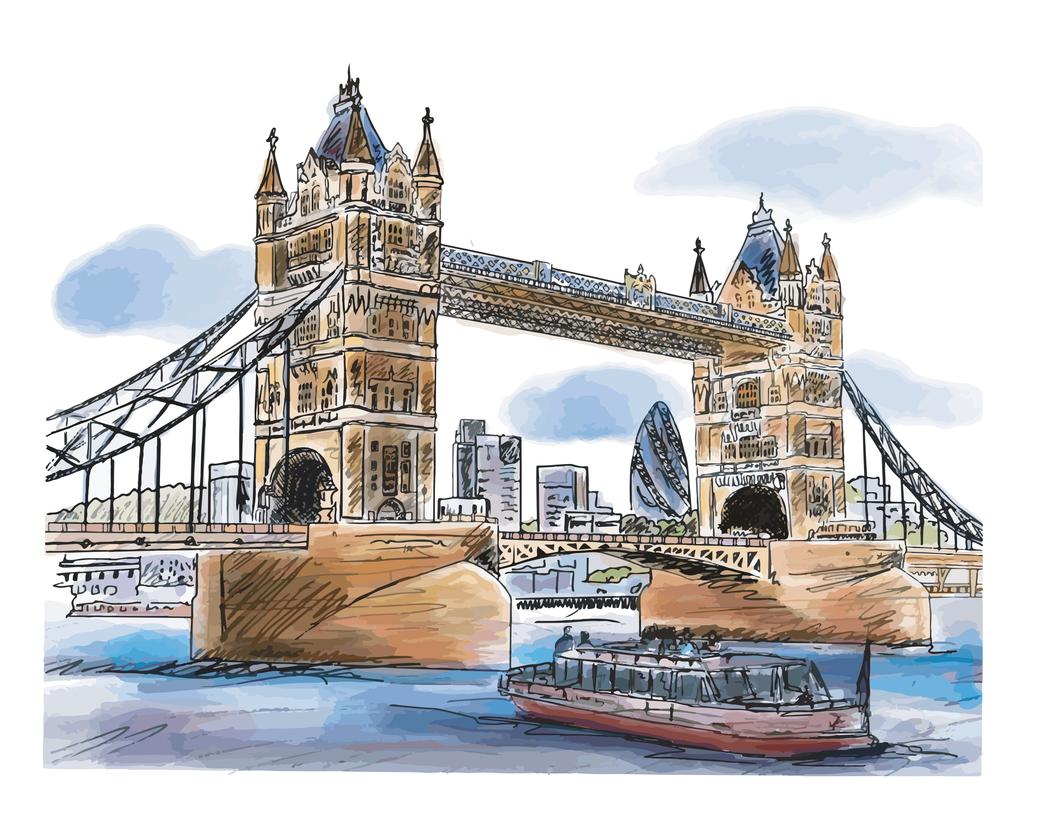 Urvashi Sharma | London Bridge
Can you walk us through your creative process from initial idea to final image?
Research plays a key role in my creative process, as it allows me to fully understand the subject before moving into visual development. Once I establish a clear concept, I explore different drawing approaches and select the style that best supports the idea.
From there, I focus on composition, ensuring the arrangement feels strong and balanced. Colour is used intentionally to enhance mood and clarity. By simplifying forms, I aim to allow the narrative to come through clearly while maintaining a visually striking final image.
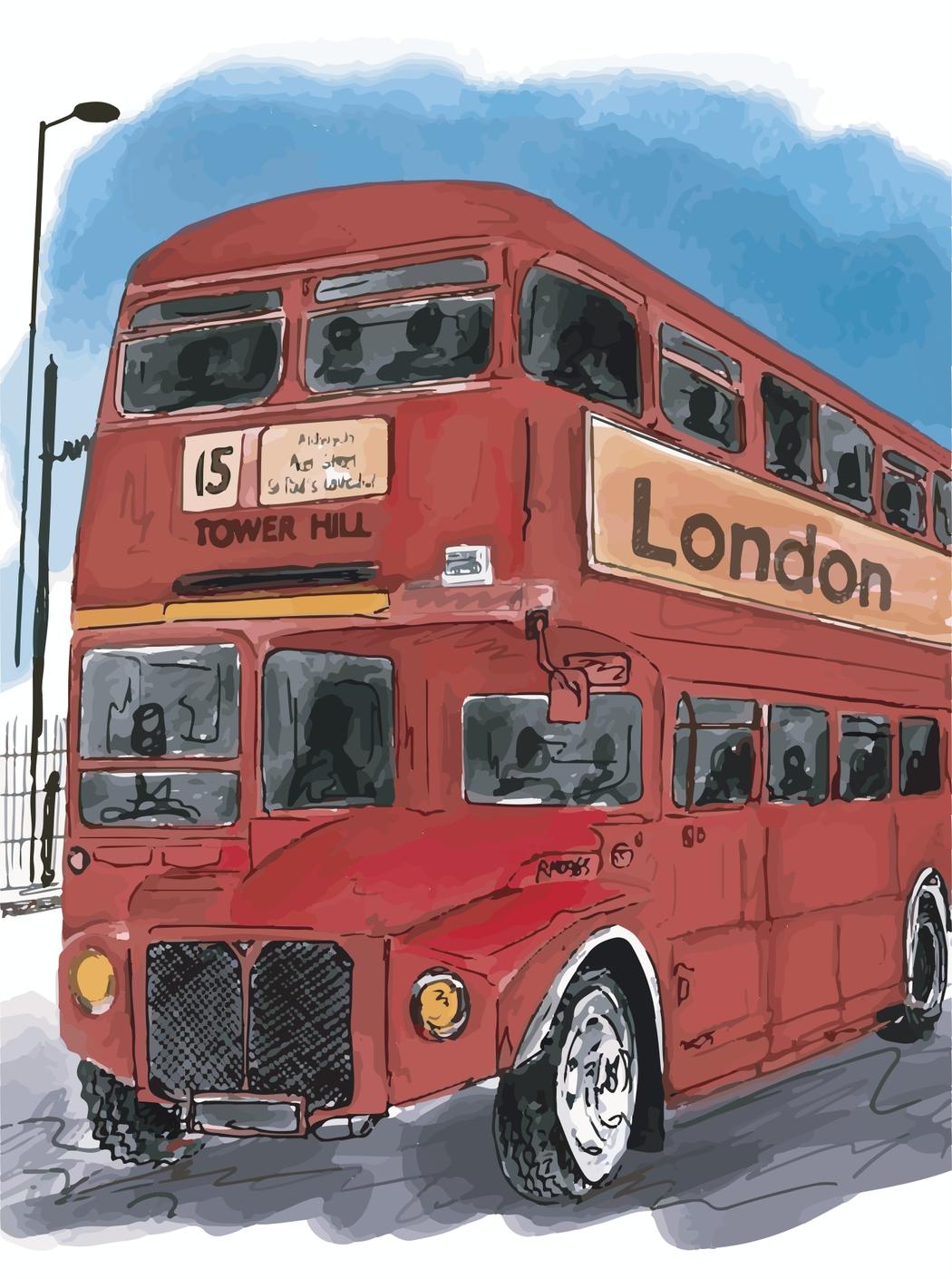 Urvashi Sharma | London bus
What role does visual storytelling play in your work today?
Visual storytelling remains fundamental to my work. It allows me to create connection and emotion through imagery, whether I am illustrating places or broader concepts. I strive to communicate ideas in a way that feels approachable and relatable, inviting viewers to form their own relationship with the work.
Storytelling helps me move beyond decoration and create visuals that feel meaningful and engaging.
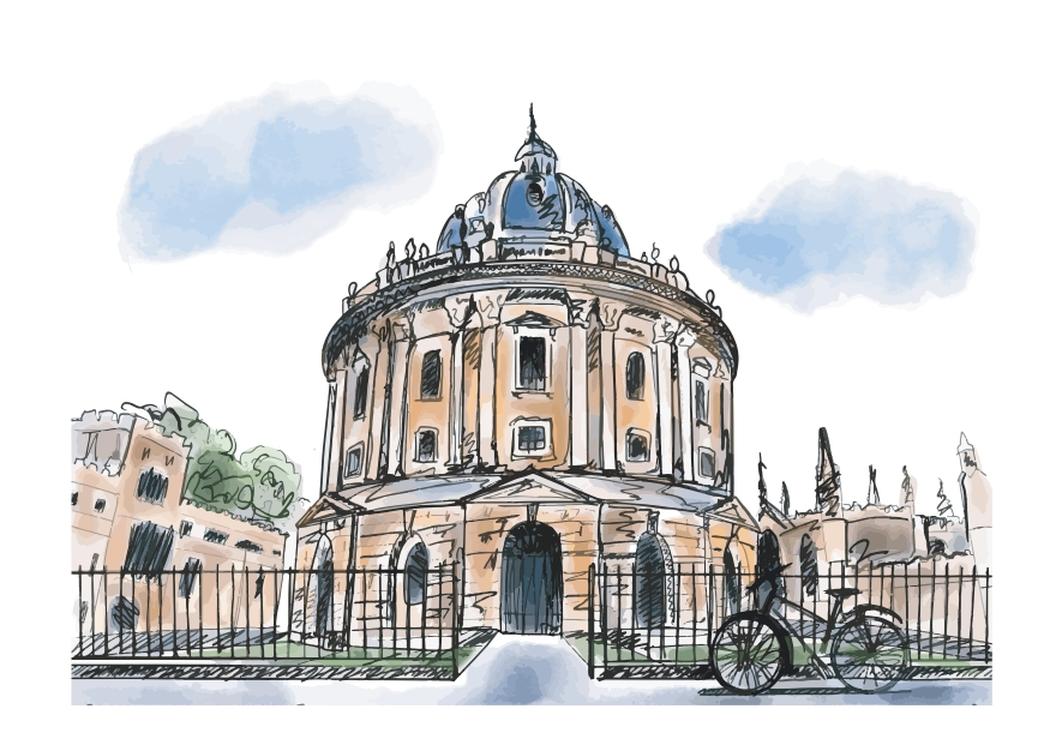 Urvashi Sharma | Redcliff camera
Looking ahead, are there particular themes or directions you would like to explore further?
Alongside commercial illustration, I am interested in engaging more deeply with social issues, particularly mental health, through illustration and volunteering. I aim to balance decorative, market-driven work with projects that contribute positively to society.
For me, illustration is not only about aesthetics or products, but also about using visual storytelling as a way to encourage empathy, awareness, and meaningful connection.
Leave a Reply
You must be logged in to post a comment.