
Xinling Zhang
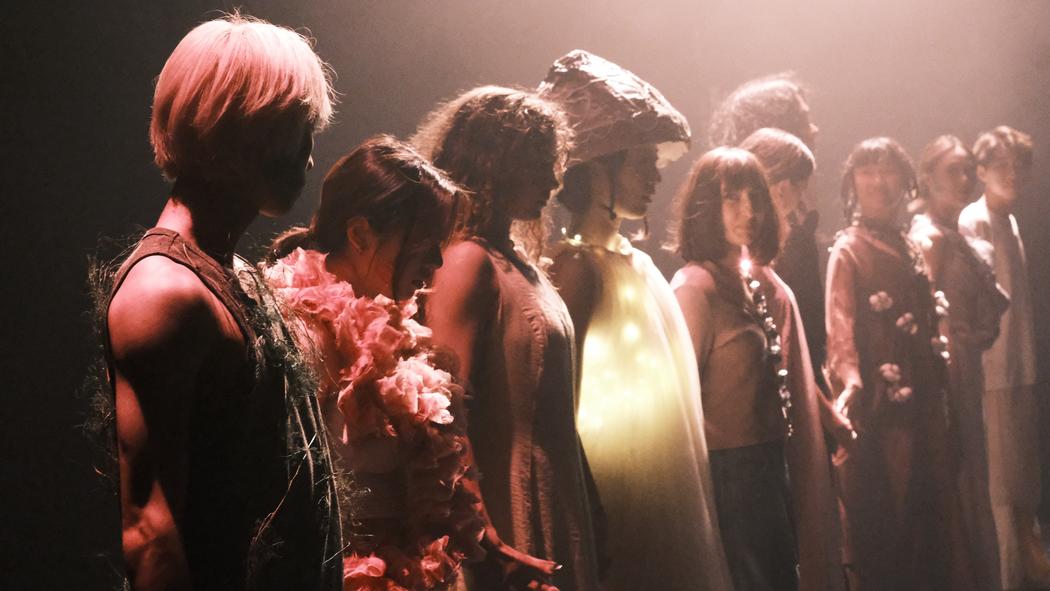
Your work moves fluidly between film, movement, and performance. What usually appears first for you – a visual image, a physical impulse, or an emotional memory?
My work usually begins with lived experience and inner reflection. Personal growth is the core source of my practice — the root from which everything else emerges. Because of this, emotional memory is often the first thing to appear: a felt experience that exists before it becomes form, image, or language.
You describe your practice as exploring how the unseen becomes felt. Can you share an example of a moment when something intangible suddenly took form during a project?
A clear example comes from my use of live camera in performance. Traditionally, the camera operator remains invisible, positioned behind the scenes. When I chose to step onto the stage and become a visible photographer, that convention was disrupted.
At that moment, what had previously been intangible became palpable: the dynamics of looking and being looked at, self-awareness, and distance were clearly felt through the interaction of body, image, and live presence. I realised that live imaging does not simply make emotions visible; it allows me to become an observer of my own life.
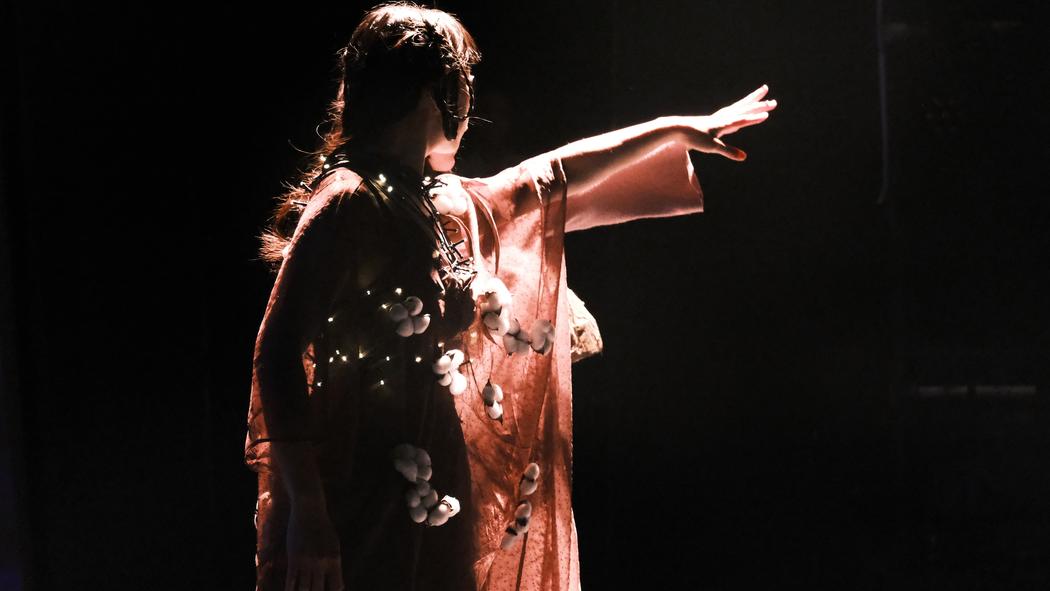
Intuition plays a central role in your creative process. How do you distinguish between intuition and artistic intention when shaping a piece?
For me, artistic intention is the ‘core’ that must be held onto once a theme is defined. It functions as an anchor throughout the process, guiding decisions and ensuring that every choice develops from the same underlying direction.
Intuition, on the other hand, allows me to maintain balance while making those decisions. It keeps both the rational and sensorial sides of the process in dialogue, encouraging me to listen to the body and to my most instinctive impulses. I believe that the purest artistic material comes from these impulses, and intuition prevents the work from becoming overly conceptual or rigid.
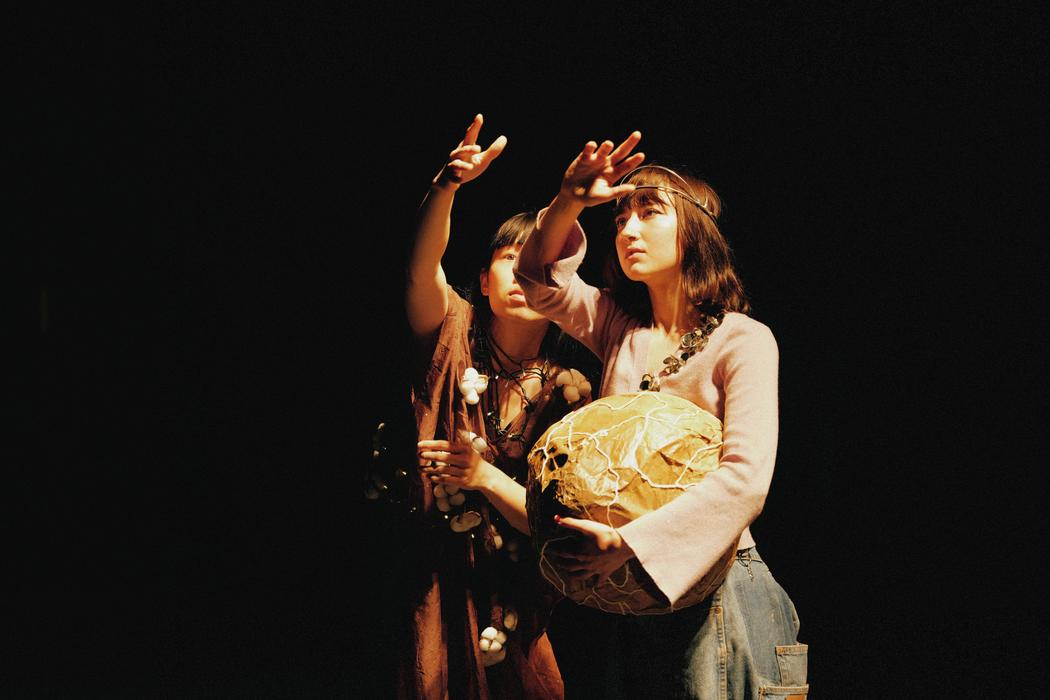
Your method of devising treats collaborators as “living archive”. What have you learned from working in this co-creative, non-hierarchical way?
What I have learned most is an attitude of equality, respect, and mutual appreciation. What you offer within a collaboration eventually returns, often in unexpected forms. I believe that only when a person feels genuinely trusted and respected are they willing to give one hundred percent of themselves, bringing life into the work with a sense of ease and creative openness. It was through this foundation of equal dialogue that I realised devising is the method most aligned with my directing style — allowing me to build healthy, fluid energetic relationships with collaborators, while also giving myself permission to work in a state of flow and inner stillness.
How does your background in both Beijing and London influence the way you perceive the body, presence, and performance?
Living and studying between Beijing and London has deeply shaped how I perceive the body, presence, and performance. In the Chinese context, I’ve learned to sense and express emotion through metaphor, spatial relationships, and subtle interactions—my body often carries meaning that isn’t directly spoken. In London, I was encouraged to let the body itself become a language, entering the present moment in a more direct and open way.
These experiences have taught me that the body is both a vessel for personal emotion and memory, and always exists in relation to others.
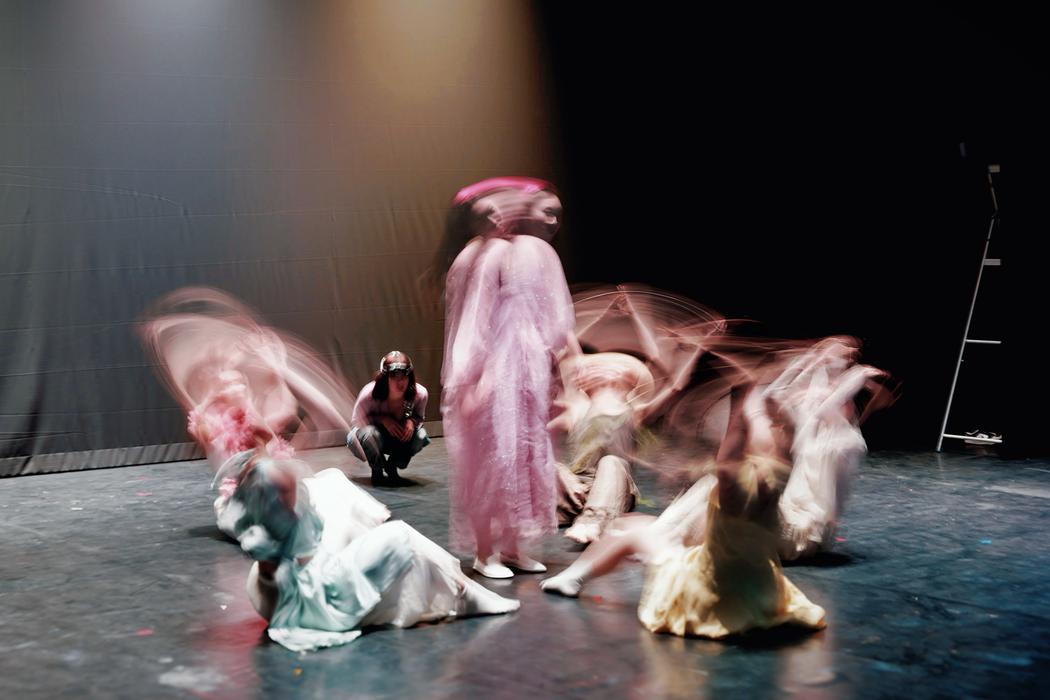
Memory and emotional resonance appear frequently in your work. What role does personal vulnerability play in your creative process?
Vulnerability is both the starting point and the compass. I create from the parts of myself that are still tender — unresolved relationships, distance, longing, and the desire to be seen without fear. Allowing these emotions to surface in the studio helps cultivate trust among collaborators and unlocks deeper movement qualities.
I believe that vulnerability is not weakness but a form of energetic truth. When I open myself in the creative process, performers follow, and the audience eventually enters that shared space of honesty. Vulnerability becomes the bridge connecting all three.
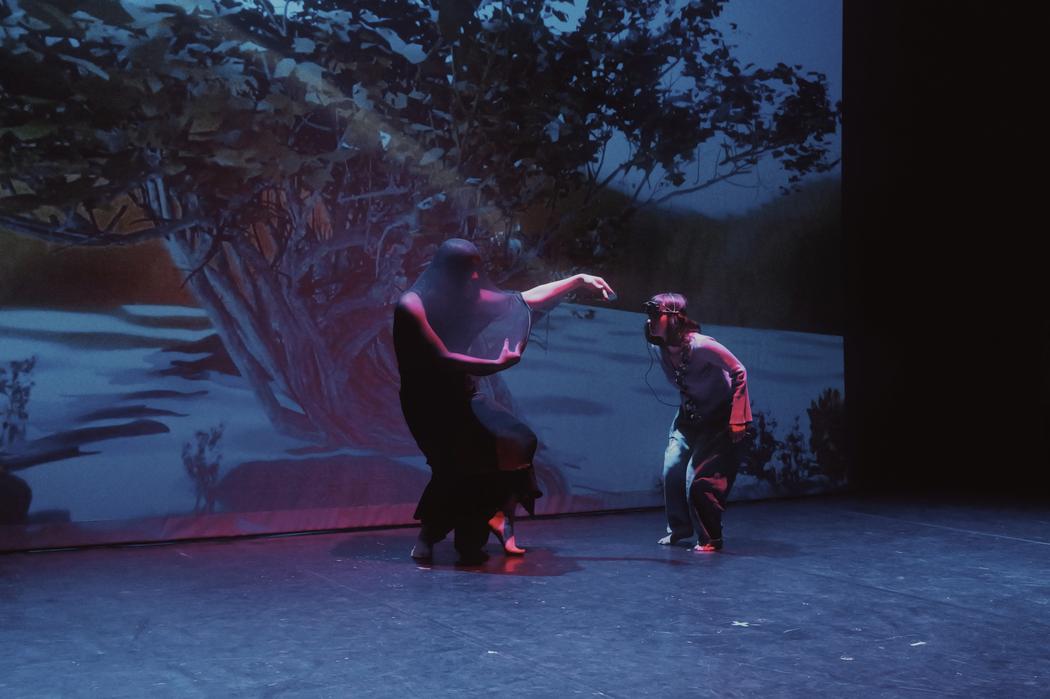
Your performances often blur the boundaries between performer and observer. What kind of emotional or spatial environment do you hope to create for audiences?
I tried to blur or dissolve the traditional concept of the stage, exploring the space between conventional and immersive theatre. In my work, I combine image, movement, performance, and space, creating a multi-media dialogue that allows the audience to experience interaction across bodies, projections, and sound.
When the audience is not simply watching as spectators or treating the work as a show, this multi-layered experience can open new philosophical reflections, even offering a sense of life beyond the fleeting beauty of a single performance.
Leave a Reply
You must be logged in to post a comment.