
Alexandra Struber
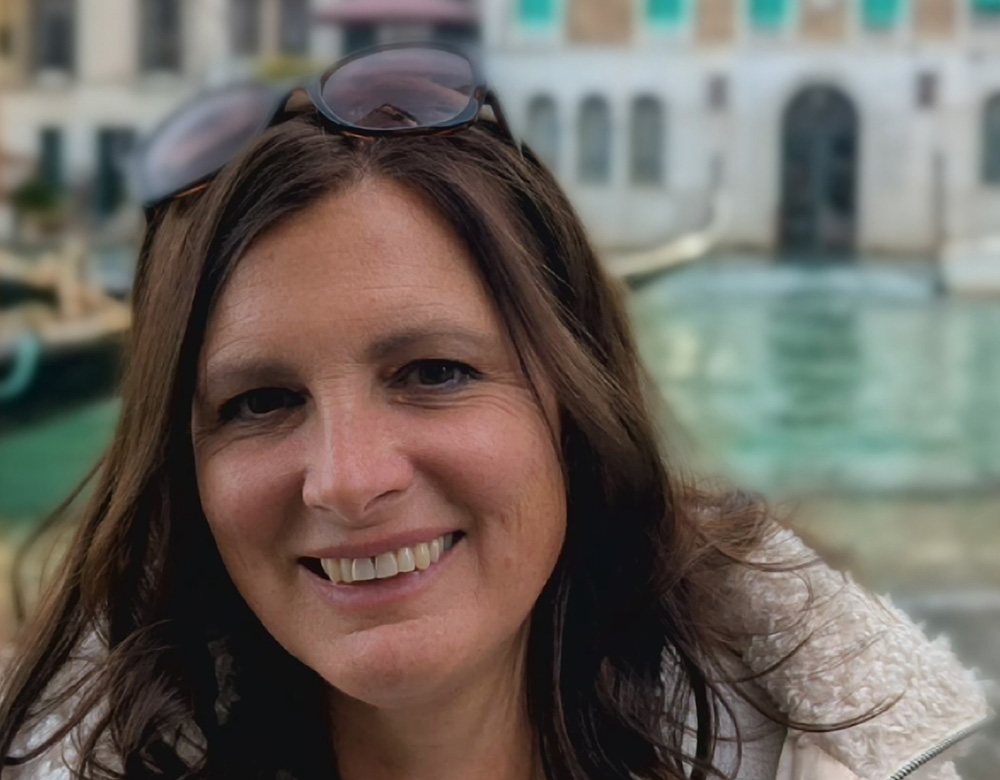
Year of birth: 1971, Salzburg
Where do you live: Rome, Italy
Your education: Studied teaching; artistic training mainly through workshops and professional watercolor courses
Describe your art in three words: Light, poetic, natural
Your discipline: Watercolor painting
Instagram
Your artistic journey began in childhood. What are some of your earliest memories related to watercolor, and how do they influence your work today?
My first connection to watercolor began with a book I read as a young girl. It told the story of three girls traveling through Italy by car, and one of them always carried a sketchbook and a small watercolor set. Wherever they stopped, she captured her impressions in watercolor sketches. That image stayed with me deeply. It awakened a strong desire to try watercolor myself, because it represented freedom, lightness, and something inherently poetic.
Other artistic practices were already present in my childhood home—my mother painted ceramics and furniture and worked with reverse glass painting—but watercolor felt fundamentally different. Its fascination did not lie in technique, but in its openness and delicacy.
Today, the aspect of painting while traveling is less central for me, as I integrate watercolor primarily into my everyday life, alongside work and family, in consciously created moments of time. The medium itself, however, remains simple and clear to handle, without the material heaviness of techniques such as acrylic or oil.
What is essential for me has not changed. The central point of watercolor is its lightness—its transparency, restraint, and its ability to create atmosphere with very little. This sense of lightness continues to define my relationship with watercolor and remains a fundamental element of my work.
After rediscovering watercolor two years ago, what felt different compared to your earlier approach to painting?
When I returned to watercolor two years ago, the process was no longer uncomplicated. This second approach was far more demanding, especially toward myself. I wanted to understand the medium thoroughly and to master its techniques with precision.
I worked consciously with different types of paper, a wide range of pigments, and various materials, including mixed media such as ink and charcoal. Exploring these combinations allowed me to better understand the limits and possibilities of watercolor and to develop greater technical confidence.
As part of this process, I chose to study with a professional painter. I attended a structured course and still return to it from time to time. This disciplined learning phase was essential—it transformed watercolor from an intuitive practice into a deliberate and technically grounded artistic language.
Nature seems to play a central role in your work. What draws you most to animals and landscapes as your primary subjects?
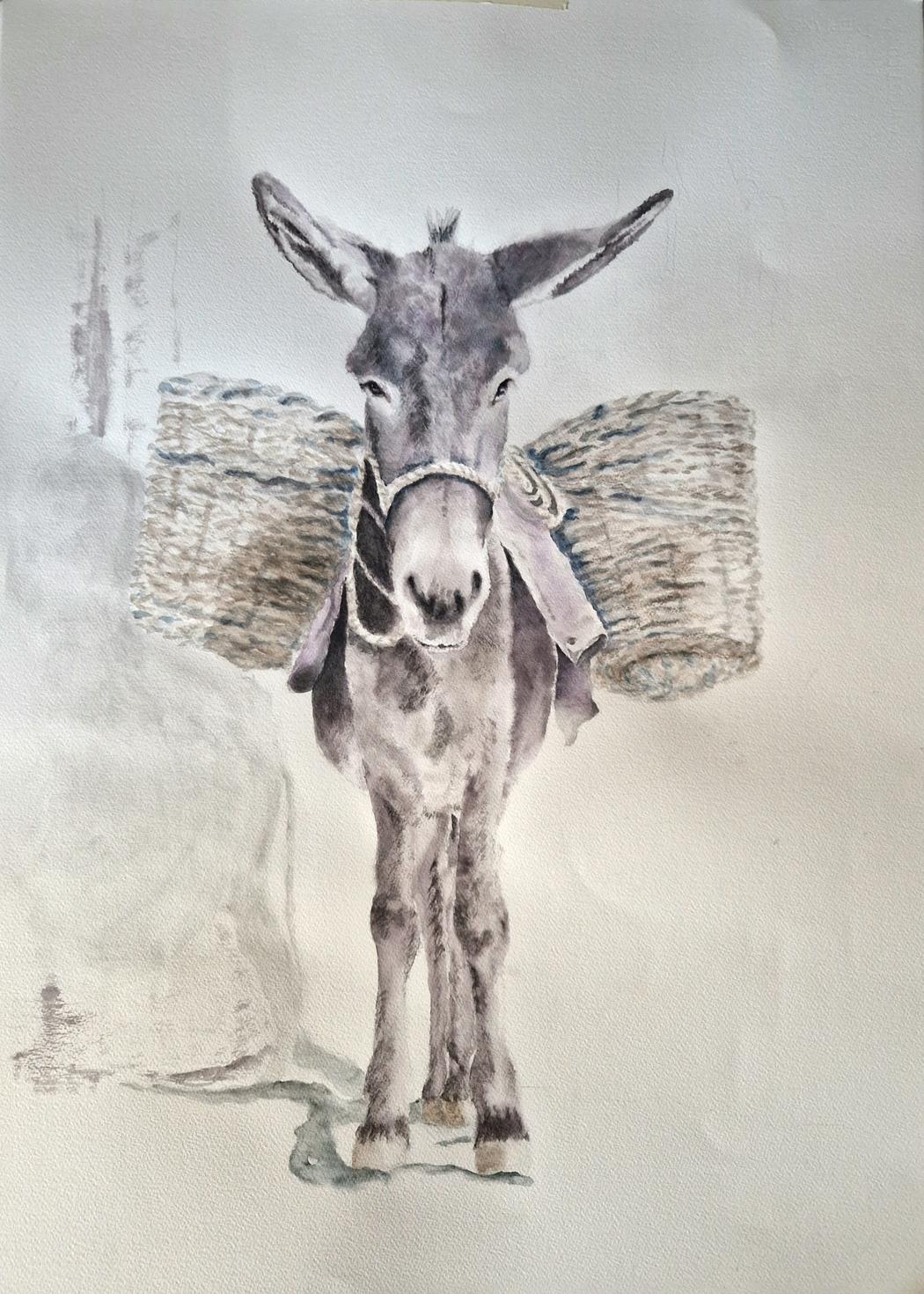
Nature has always held a central place in my artistic practice because it represents authenticity and presence. I am particularly drawn to animals and landscapes not only for their forms but for the quiet moments they reveal—the stillness, the subtle gestures, the light and atmosphere that define a place or a being.
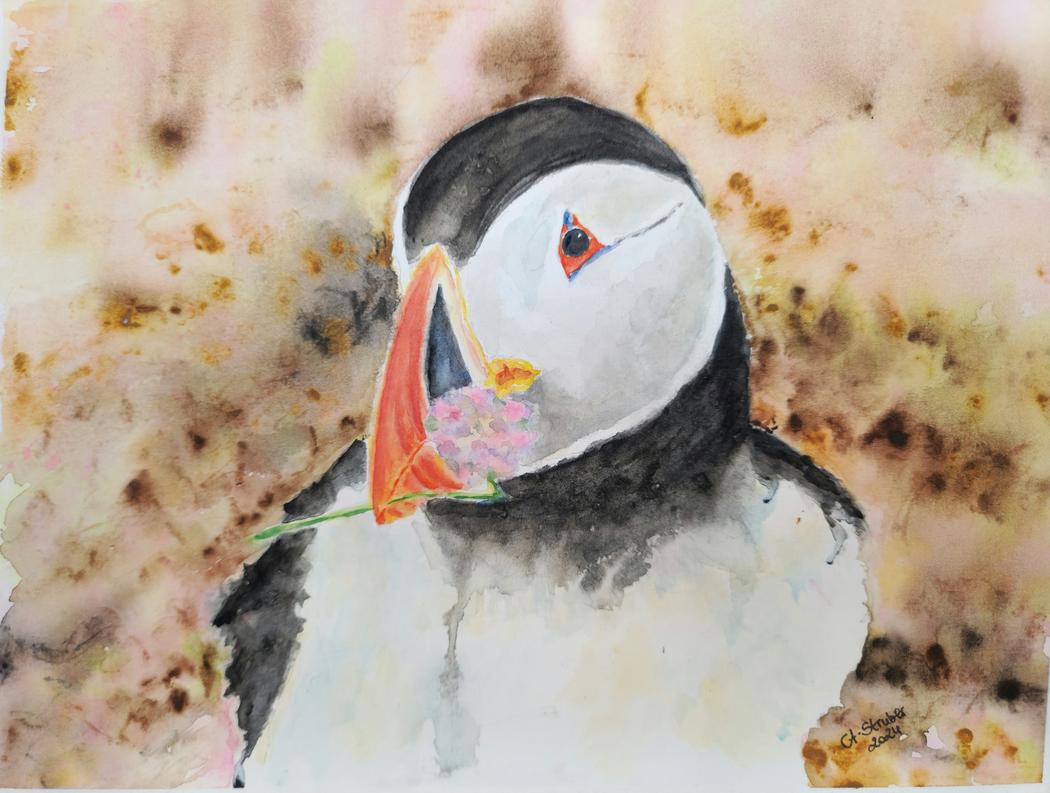
Many of my subjects come from direct observation, whether it’s birds on a rocky coastline, cormorants drying their wings, or a fleeting encounter with wildlife during a walk. Other times, photographs or sketches help capture moments I cannot observe in real time. But in every case, I focus less on literal representation and more on conveying the essence of what I see—the mood, the rhythm, and the balance of a scene.
Watercolor is especially suited to this because of its transparency and unpredictability. It mirrors the fragility and fluidity of nature itself, allowing me to work with both control and chance, which is central to how I interpret the natural world.
Living in Rome since 1998, how has the city and its artistic atmosphere influenced your creative development?
Living in Rome has had a strong influence on my artistic development. The city is layered with centuries of art and history, from classical architecture to contemporary expressions, and this constant presence of creativity shapes how I observe and compose my work. Rome has taught me to see time and space as layered rather than linear, which helps me perceive light and atmosphere more consciously.
A particularly important element is Rome’s unique light. Its constant presence, in summer as well as in winter, together with the city’s proximity to the sea, strongly influences how I perceive color, mood, and space. It has a clear effect on how I interpret nature and my subjects.
Life in Rome is very different from my time in Austria until 1998. Rome is a busy metropolis: everything moves quickly and must be planned. Austria, by contrast, offered quiet and open space, and my childhood there—surrounded by nature and stillness—shaped the way I see and paint. This combination of fast city life and quiet childhood memories naturally flows into my work and influences how I observe and depict my subjects.
You have participated in exhibitions from Barcelona to Paris and Cologne. How have these experiences shaped your artistic vision?
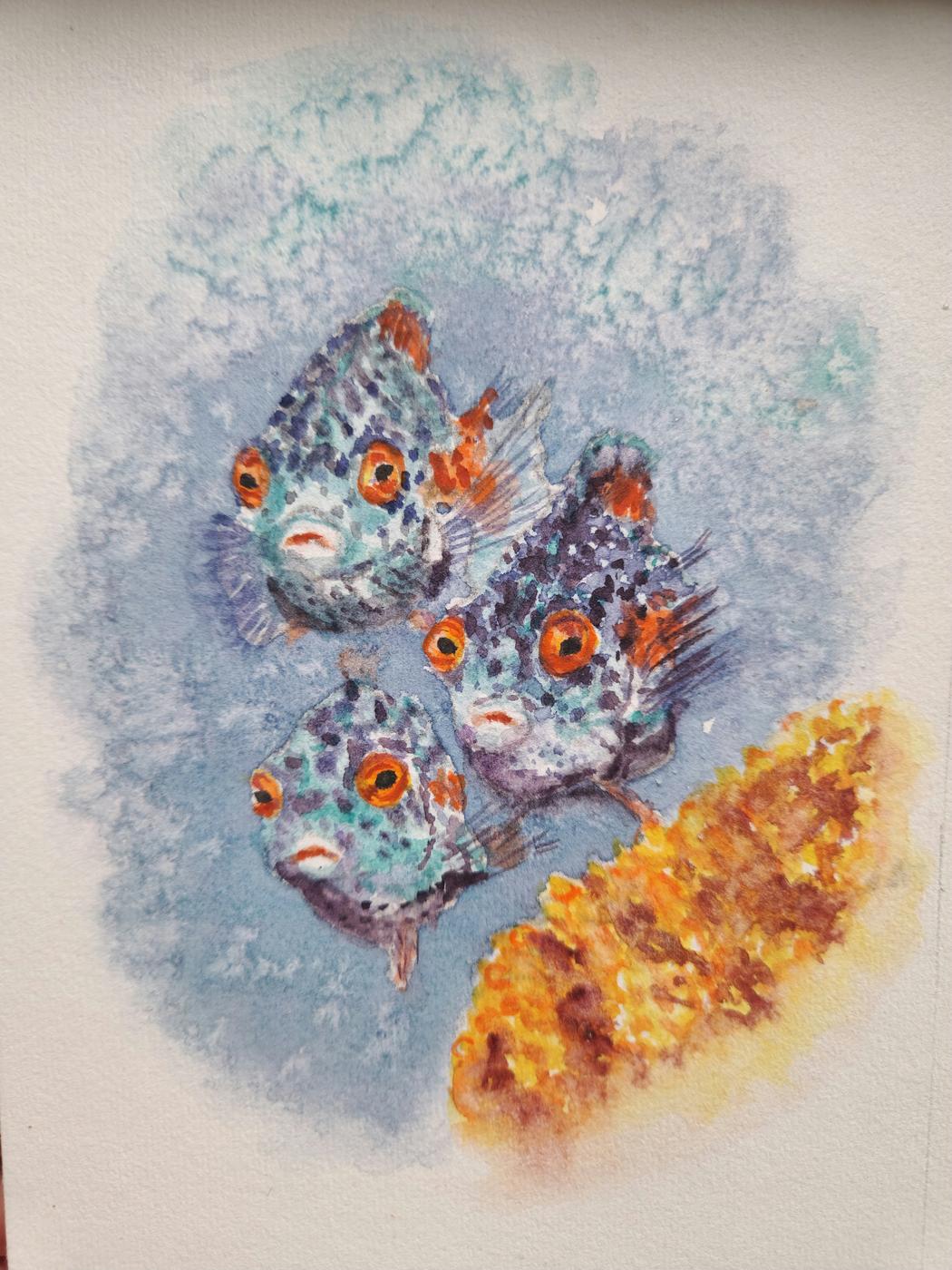
Exhibiting internationally has been both inspiring and instructive. Showing my work in different countries allows me to see how people respond to nature and watercolor in diverse cultural contexts. I have noticed that the emotional impact of light, atmosphere, and quiet moments is remarkably universal.
These experiences have reinforced the importance of maintaining a clear and personal artistic voice. While I value exchange and feedback, I do not adapt my work to trends. Exhibitions also provide insight into the professional aspects of being an artist—preparing works for display, presenting them coherently, and engaging with a wider audience.
What is particularly meaningful for me is that painting allows me to enter a world I would not experience as a teacher. Connecting with other artists, surrounding myself more fully with culture and art, and engaging in dialogue on a similar level opens new perspectives and enriches my work deeply.
Ultimately, each exhibition deepens my awareness of what is essential in my work and strengthens my confidence in the choices I make as a painter.
Watercolor is often described as an unpredictable medium. What do you find most challenging – and most rewarding – about working with it?
Watercolor is a medium of immediacy and delicacy, and that is both its challenge and its reward. The greatest challenge is letting go of complete control. Unlike other techniques, watercolor reacts on its own with water, pigment, and paper. Every stroke involves chance, and the final result is never entirely predictable.
At the same time, this unpredictability is what makes watercolor so rewarding. The medium allows the work to breathe and preserves a sense of life and spontaneity. The surprises that watercolor offers are not to be underestimated: it is incredibly satisfying to look at a finished painting after it has dried and see effects that formed on their own, which I could not have directed.
For me, the most poetic aspect of watercolor lies precisely in this balance. Its transparency, lightness, and responsiveness mirror the fragile and fleeting qualities of nature, allowing me to translate observation and emotion into something immediate yet enduring on paper.
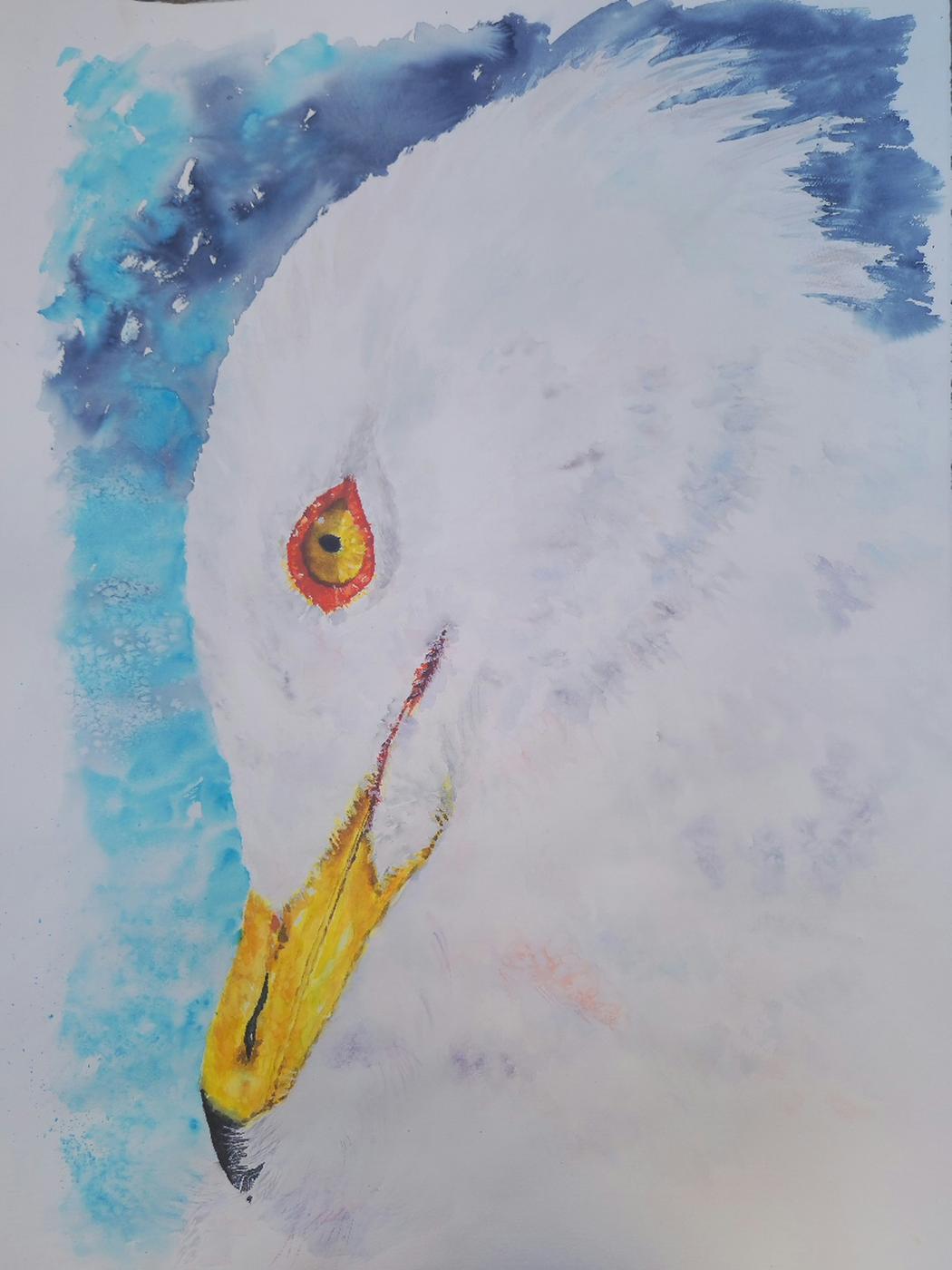
How do you choose the animals or scenes you portray? Do these subjects come from personal encounters, photographs, or imagination?
In practice, I almost always rely on photographs to paint animals, because capturing them accurately on site is extremely challenging. Animals move too quickly to depict them from memory, and their gestures and proportions are difficult to translate without a reference. Only in broader scenes, such as landscapes with distant birds like seagulls, can I work directly outdoors.
Photographs allow me to preserve the details, movement, and character of the animals, which I could not otherwise depict from imagination alone. Once I have this visual reference, I combine it with my memory, observations, and artistic interpretation to create a composition that conveys both the reality of the scene and the mood I want to express.
Leave a Reply
You must be logged in to post a comment.