
Julia Karrys
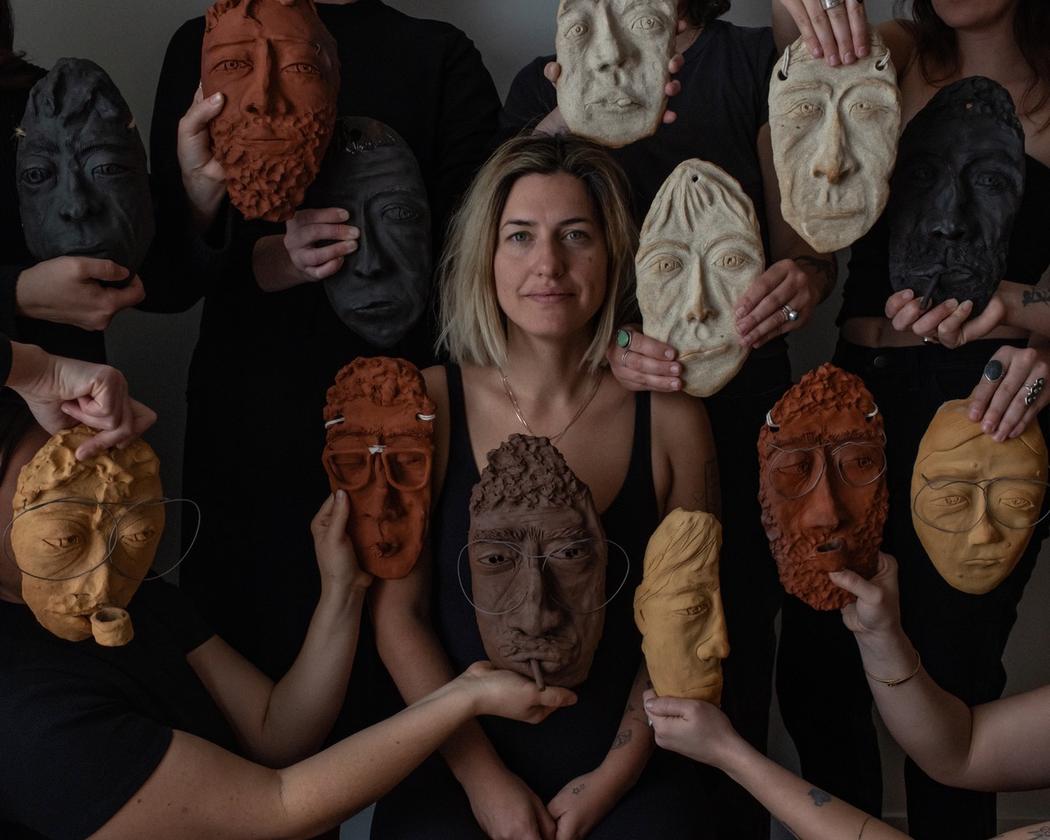
You hold degrees in both Creative Writing and Clinical Mental Health Counseling. How do these two fields influence your approach to ceramics and art therapy?
I blend creative writing and clinical counseling with the belief that both are foundational to life. I use creative writing with the principle that our stories matter, and that creative expression is both healing and fundamental to our very nature and history as human beings. Ceramics and therapy carry that same truth: expression shapes meaning. My counseling background provides the foundation to hold that process safely, using research-based tools to care for trauma. Together, they allow me to honor both the raw, creative act of storytelling and the responsibility of supporting people through their most vulnerable experiences.
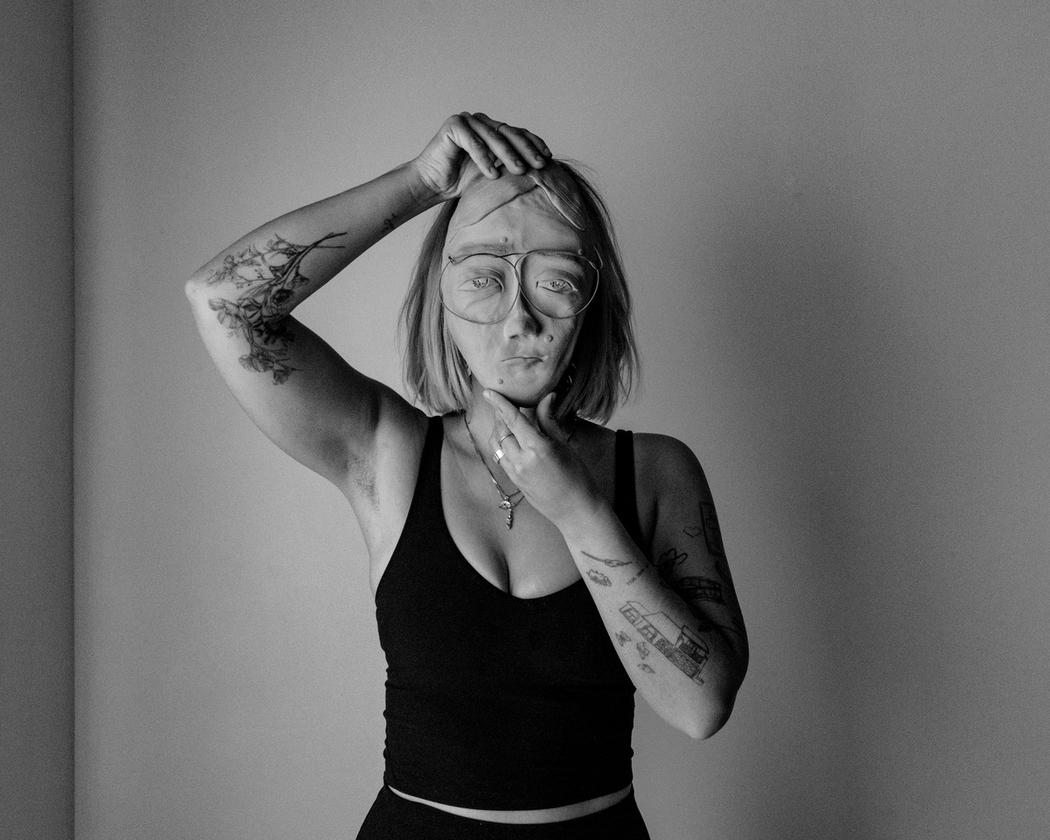
In your artist statement, you mention that clay “holds memory.” Could you expand on what this means to you in both a personal and therapeutic sense?
Clay quite literally holds memory in its particles, meaning that no matter the shape you make with it, it will retain traces of that movement and may attempt to shift back. In a therapeutic sense, our bodies also hold meaning, memory, and often trauma—mimicking clay in its soft form. Clay is the medium closest to human touch.
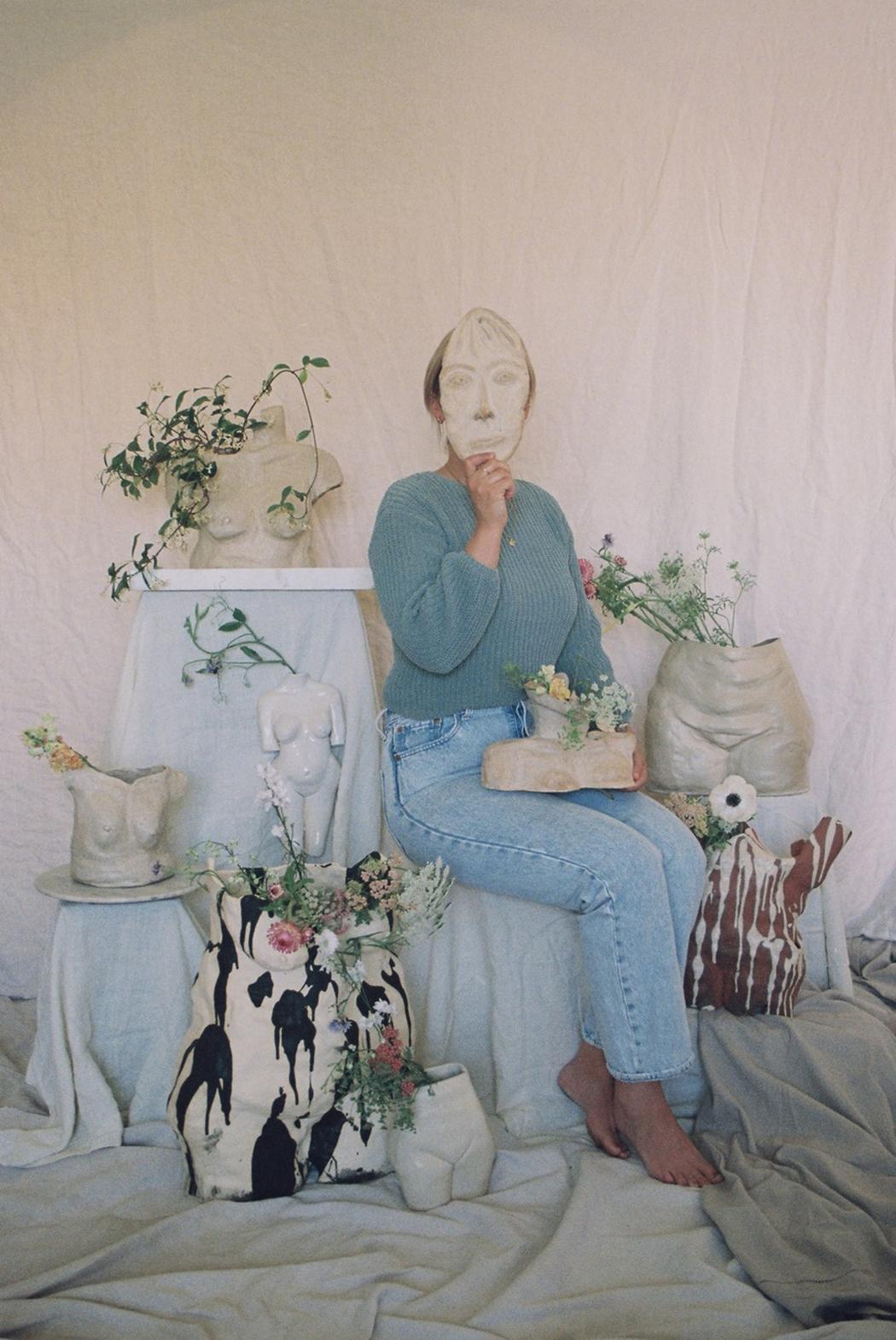
Masks are a central motif in your work. Why did you choose this form to explore grief, identity, and transformation?
I love people and am interested in every person’s natural beauty, evident in their differences, perceived flaws, and uniqueness. Be it wrinkles or asymmetry, I wish we no longer felt the need to use a filter to look similar to one another. I think masks are a beautiful way to explore identity, transformation, and grief, as they give us a look into ourselves—how we show up internally vs. externally. Faces hold grief as they get older, and this is how I know to honor the human experience.
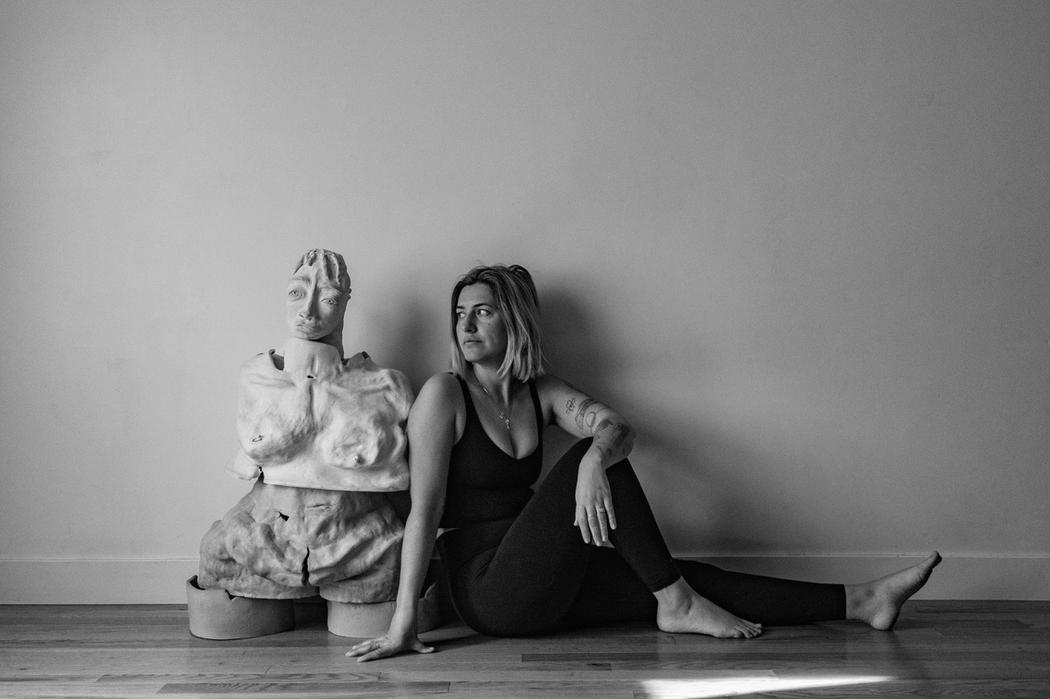
Your exhibition HIGH FIRE connects the firing of clay with the body’s own transformation. How did this concept first emerge, and what does it reveal about the human experience?
The concept emerged as I was researching the temperatures at which clay fires and connected it to my own personal experience of the loss of my mother and honoring her ashes, so to speak. I felt the similarities held meaning for me. I think it reveals the human experience—to change and shift over time, leaving lasting meaning in the world, whether through the permanence of objects, memories, storytelling, or family legacy.
How does working with clay in community workshops differ from working alone in your studio?
Working with clay in community workshops is an external experience of giving to those around me, while working alone is navigating my internal world and doing my own personal healing. I sculpt to connect with myself, and teach sculpting to connect with others.
What role does poetry play in your artistic practice, alongside your sculptural work?
Poetry is my original art form. I started writing poetry as far back as I can remember. Like sculpting, it’s another way I’ve learned to make sense of my inner world. Blending the two is pure joy for me.
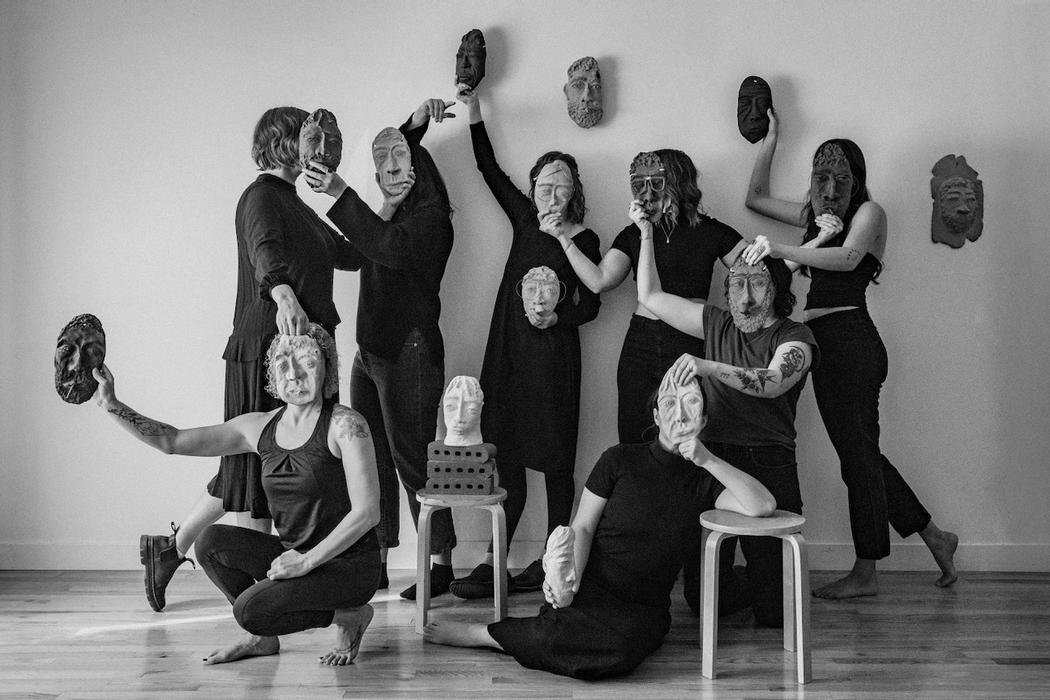
Do you see your masks more as portraits of others, self-portraits, or symbolic representations of inner states?
I see my masks as portraits of grief.
Leave a Reply
You must be logged in to post a comment.