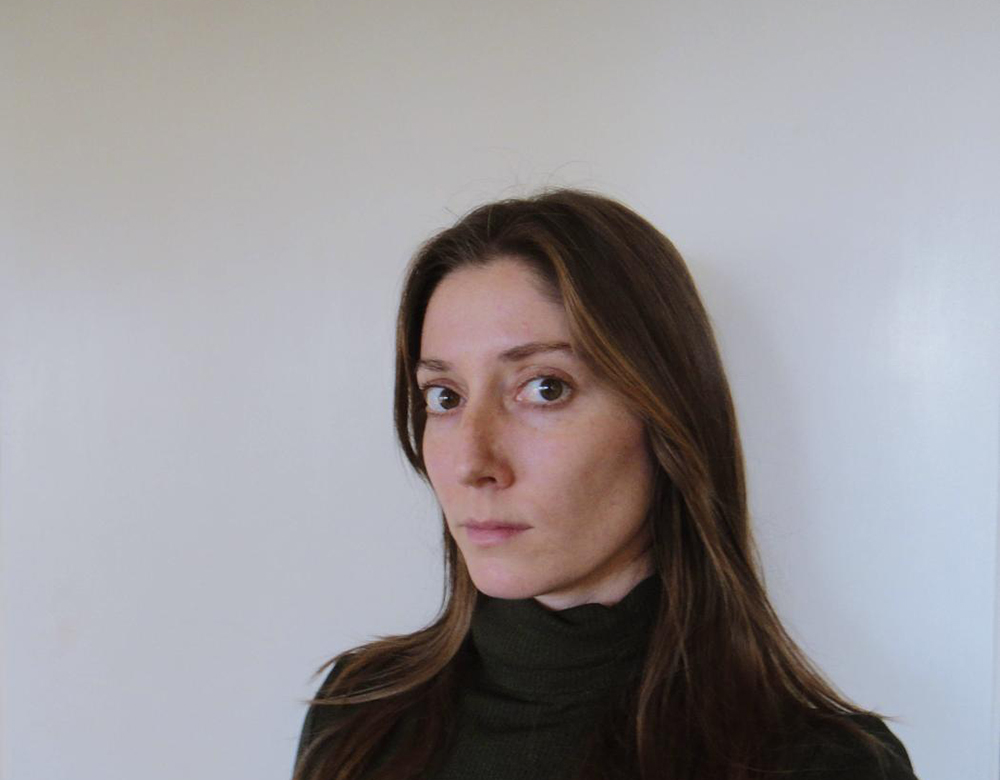
Vanja Klaric
Your paintings often begin with memories, dreams, or places that have stayed with you. How do you recognise the moment when a personal memory is ready to become a painting?
I recognize a memory is ready to become a painting when it persistently returns to my thoughts. That fixation is usually a sign for me to engage with it. It happens naturally, without force. The components usually arise during walks. In most cases, for an image to come together, I need three elements: a specific moment or place, a deep feeling tied to it, and an object that anchors that memory. When these are present, the painting begins to take shape.
You describe painting as an alternative to words. What can an image express for you that language cannot?
Animals, nature, space, dreams, and fragments from places and moments I have lived all carry heavy symbolism and help recreate a feeling for me. Though I enjoy writing, I have never been able to fully convey my internal world through words or speech alone. An image is freeing because it is not bound by language. It can stay ambiguous, and for someone who is not so free with their words, depicting feelings and thoughts through images is deeply liberating.
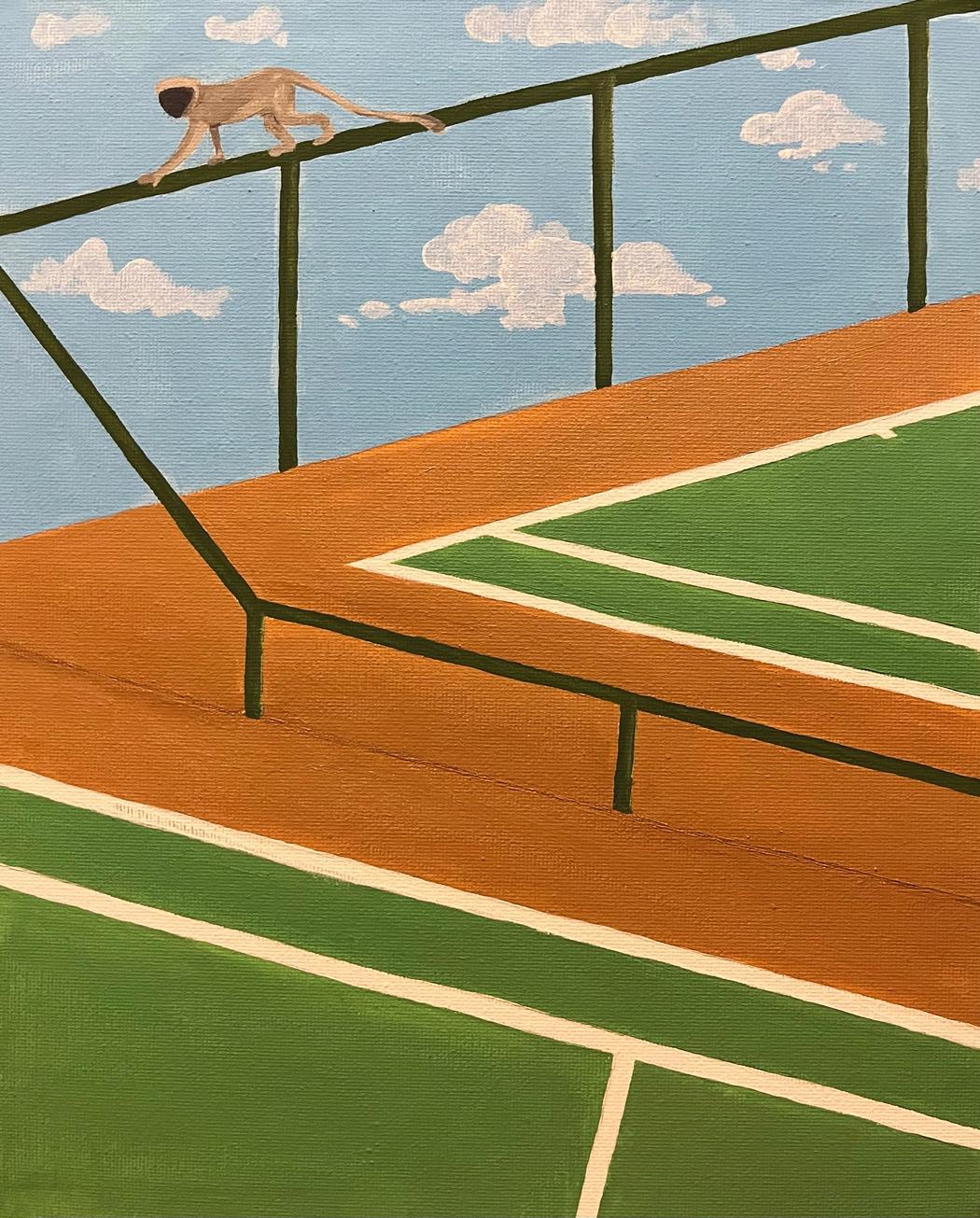 Vanja Klaric | The Beginning | 2025
Having lived across several continents, how has movement between places shaped your sense of home, distance, and belonging?
At some point, it becomes inevitable that you lose yourself. You are constantly uncovering new parts of who you are, but you are also letting other parts go. In my early twenties, I found it intensely uncomfortable to not clearly belong anywhere. If you move around often, you eventually understand the sacrifices, but until that wisdom arrives, the journey can feel regretful, and you spend more time questioning instead of living your life. You feel like your feet are never truly on the ground beneath you, that you are always floating around. At times it feels exhilarating, and at others you long for a place you can return to that tells you who you are.
Over time, the lines blur. Home changes. Circumstances change. You have to accept it. Sometimes you envy those who have a fixed home and family. Other times you feel wildly grateful for such an adventurous life. Everything has two sides. You gain freedom, but you also lose certain things. Once you have lost enough, moving around becomes easier. Now I just try to follow the road. When I miss places and people, I have found my way of revisiting them through images. I cannot go back in time, so I paint.
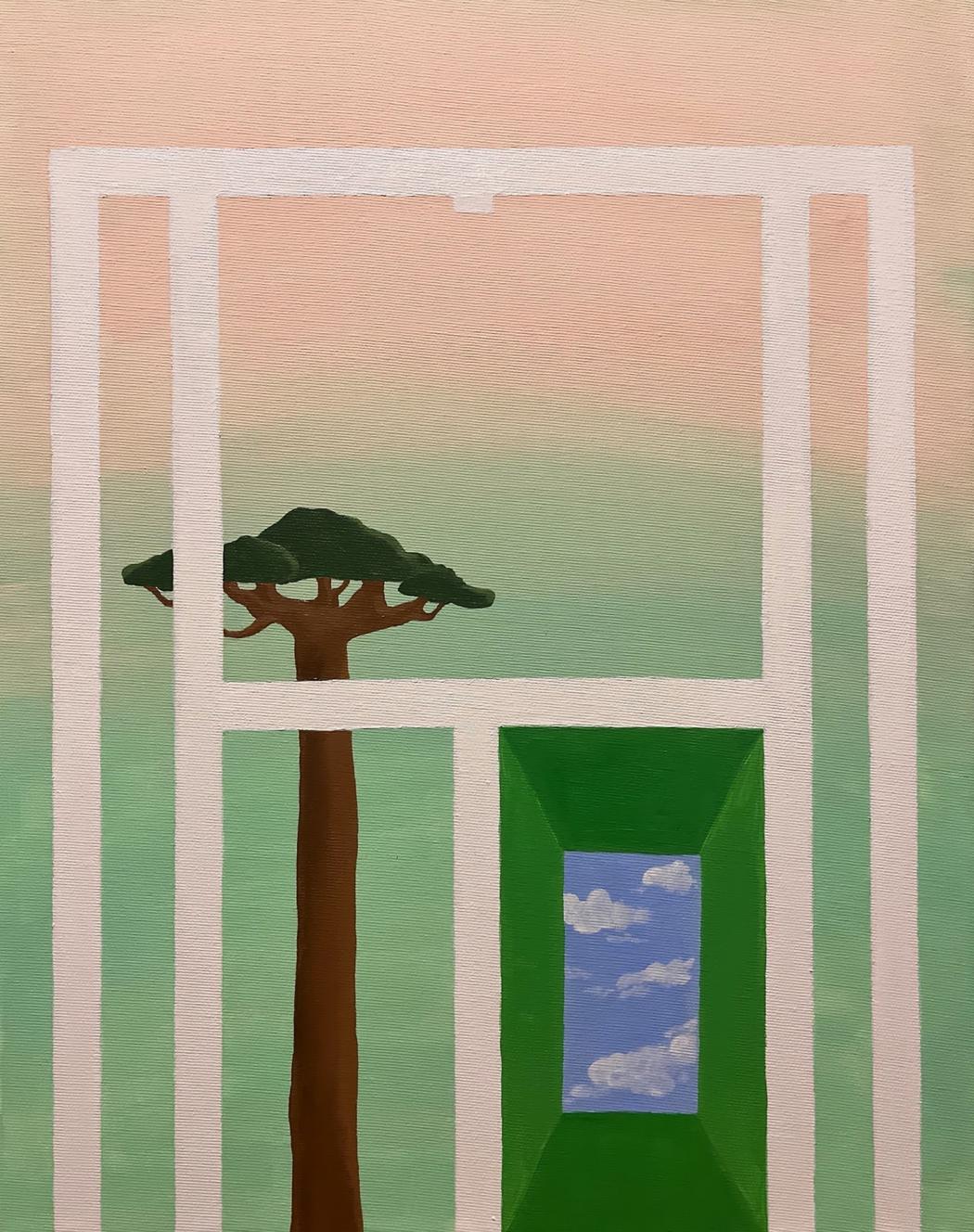 Vanja Klaric | Portal To You | 2025
Your work combines intimate emotions with vast skies, open roads, and landscapes. What role does space play in conveying emotional experience?
Space for me is a reminder of the fleeting nature of things. Sometimes events in your life remind you how small you are, and I have been affected by both extremes of my “tininess”: feeling paralyzed and feeling untethered. You question the purpose of your entire life. You are this tiny thing existing for only a short period of time, so you ask yourself what the point really is. Space gives me the feeling of autonomy, and it provides me with clarity. As someone who often rigidly follows rules, creating space in my images is a self-reminder that I am free. At the same time, large empty spaces in my paintings allow the focus to remain directly on the memory being shown and give myself and the viewer room to breathe. Emptiness and vastness are calming in what is sometimes very turbulent for me within the memory.
You identify your approach as naïve surrealism. What does this term mean to you, and how does it guide your visual language?
The things I feel most deeply, I struggle to convey “perfectly.” Painting in this way allows me to express something that might appear a little random or ambiguous at first. My paintings dance around what I am trying to say. It is the same way I tend to speak. When trying to say something true and profound, it never lands quite clearly. Painting gives me the ability to say what I want in an unrealistic and unpolished way. As for the naïve aspect, it prioritizes emotional clarity over formality. It is about giving myself an honest, sincere perspective. It is one space where perfection is not required. No one can tell me I am not clear with what I am trying to say. For me, putting the image together is the clarity, and nothing more is necessary. I find this style of painting cathartic.
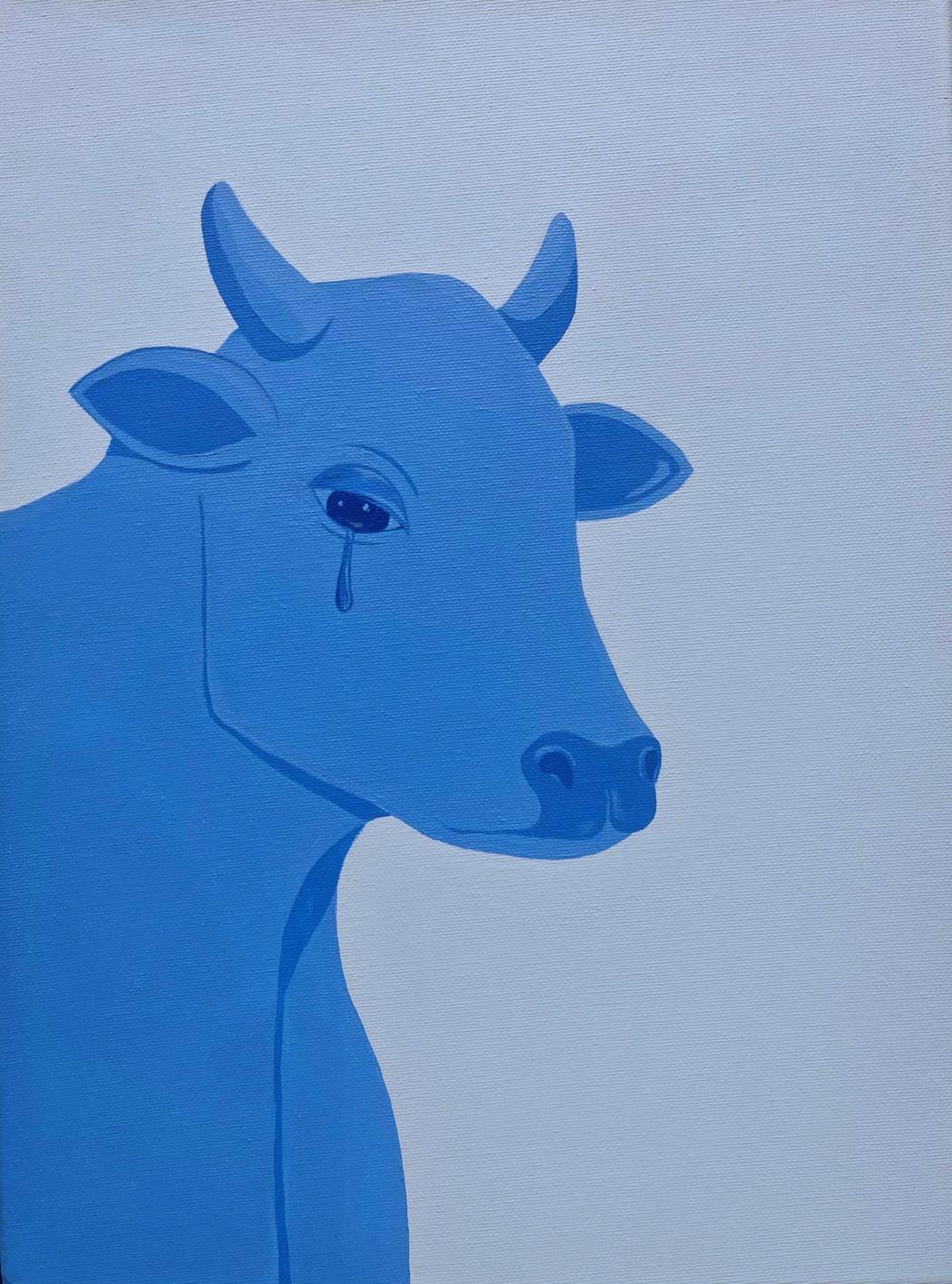 Vanja Klaric | Blue Cow | 2026
As a self-taught painter, how did you develop trust in your own instincts and establish your practice?
When I started painting, I simply followed my feelings, not any rules. As I mentioned, I am a person who can be too compliant at times, but I realized that I could do whatever I wanted on the canvas. I began documenting important moments in my life through images, and when I completed a painting that I felt truly captured what I was trying to express, it was enough for me. Once I have enough sensory and emotional data to form a clear personal connection, I know that is enough. At the end of the day, the purpose was to find a way for the inner world to be put onto something that can be held and looked at. If there is no force, I know I can trust what I am making. Sometimes it takes a lot of patience, so I just need to wait. There are plenty of things I have had to do, and still do, in my life by “force.” This is not one of them, so I only do it when I want to or have the need to. When I have this feeling, I know I am making something true.
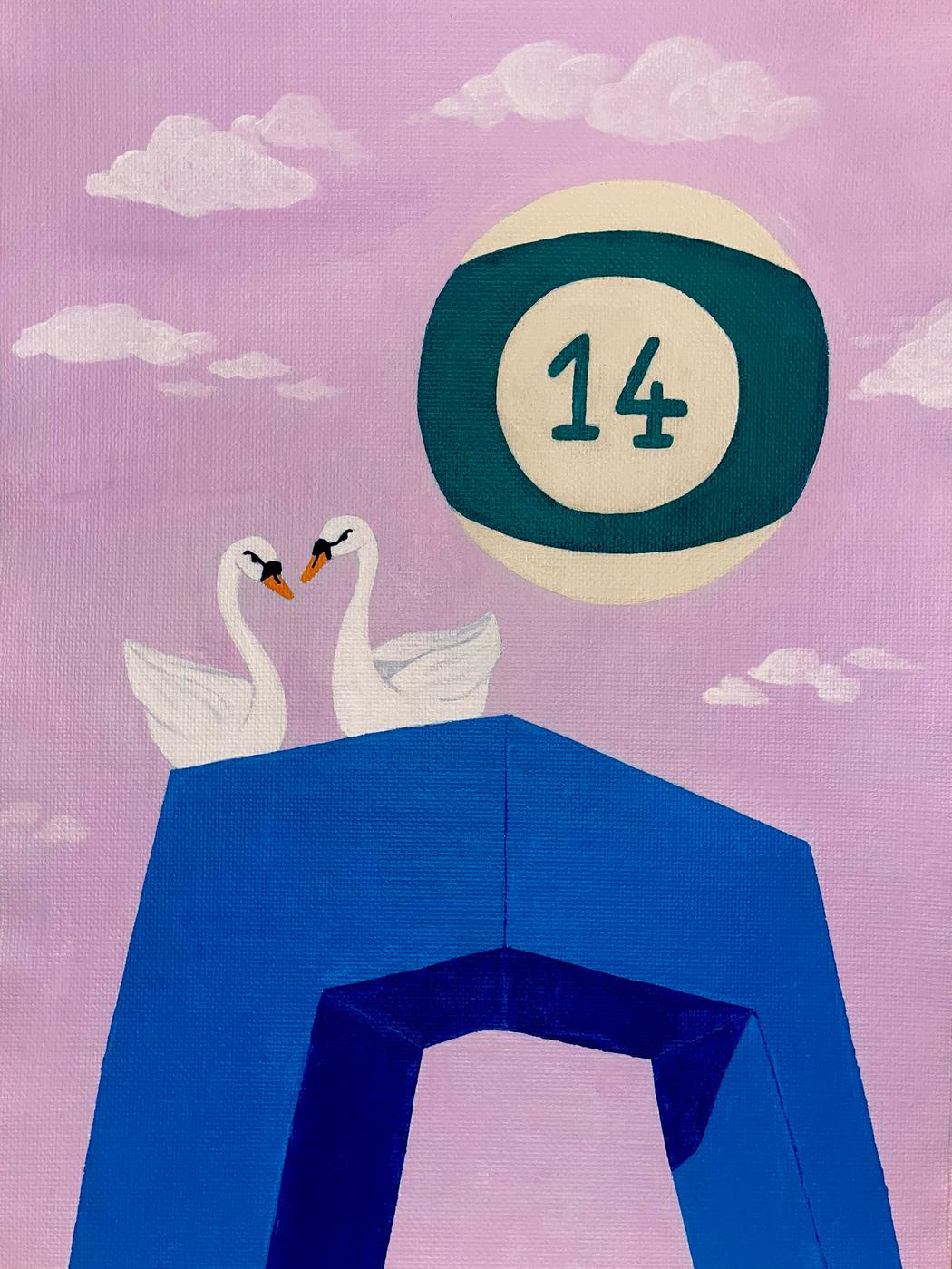 Vanja Klaric | Destiny | 2026
When viewers encounter your work, what kind of emotional space or memory would you like to invite them into?
I think the idea is to invite a reflective moment, to make you ask a question of yourself, to make you wonder. The story might not be clear just by looking, so it remains open to be interpreted personally. The universal part is the weight of the image. Whether it stirs a sense of loss, longing, or quiet loneliness, I hope the viewer feels something familiar but unnameable. It connects everything, I suppose. A connectedness between times, places, and things.