
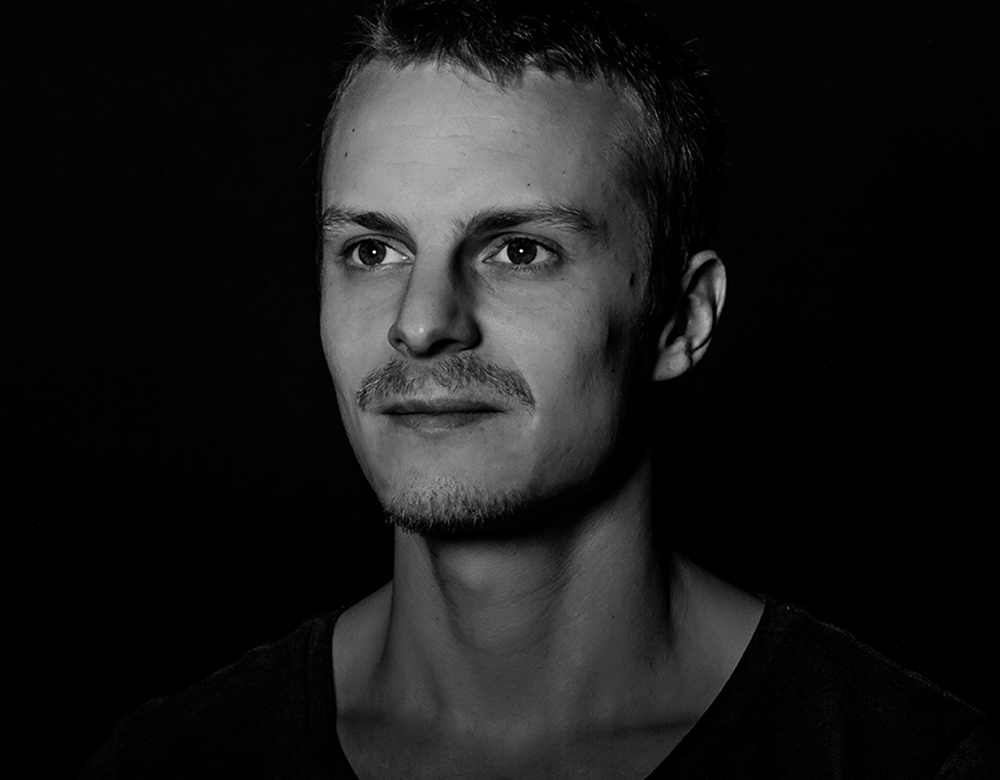
Madis Põldsaar
You discovered your connection to art at an early age. What are your first memories of drawing or creating, and when did you begin to see art as an important part of your life?
Yes, and no. I was way too young to discover it myself and far too young to understand its significance. Creating art came naturally for me, but my artistry was actually noticed by a kindergarten teacher. I recall one evening there–my mom came to pick me up and my teacher had placed a few of my drawings on the windowsill to discuss my talent with her. I overheard some of it and this was the subliminal encouragement I needed, I guess. When someone asked me not long after “Who do you like to be when you grow up?” I confidently said “I WANT TO BE AN ARTIST” as if it’s set in stone. That’s when I realized art is an important part of my life.
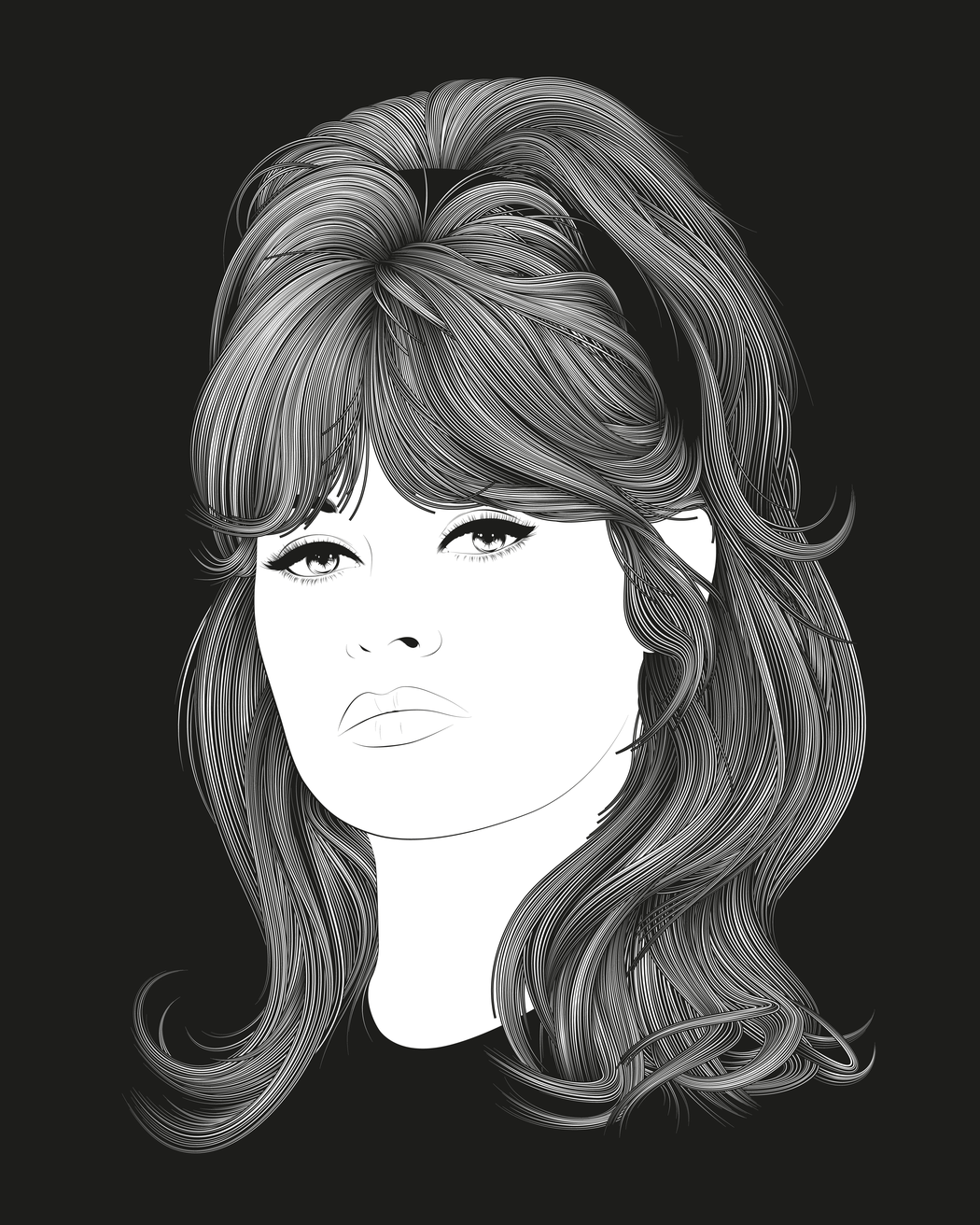 Madis Põldsaar | Brigitte | 2026
Your first digital portrait in 2008 marked the beginning of your journey into vector art. What attracted you to this medium, and what made you continue exploring it?
It all began when a friend of mine insisted on me putting my drawing skills to use and to learn a thing or two on Adobe Illustrator. I was pretty intrigued and so it got me thinking ‘What would it take to draw a portrait?’ As I took on the challenge and decided to draw it as a surprise present for someone special, I almost gave up on it. Eventually, upon delivering the gift, her reaction said all I needed to carry on with my creations. It was a very significant confirmation for me. Fun fact, my VERY first digital portrait was actually done pixel by pixel on Microsoft Paint around 2003.
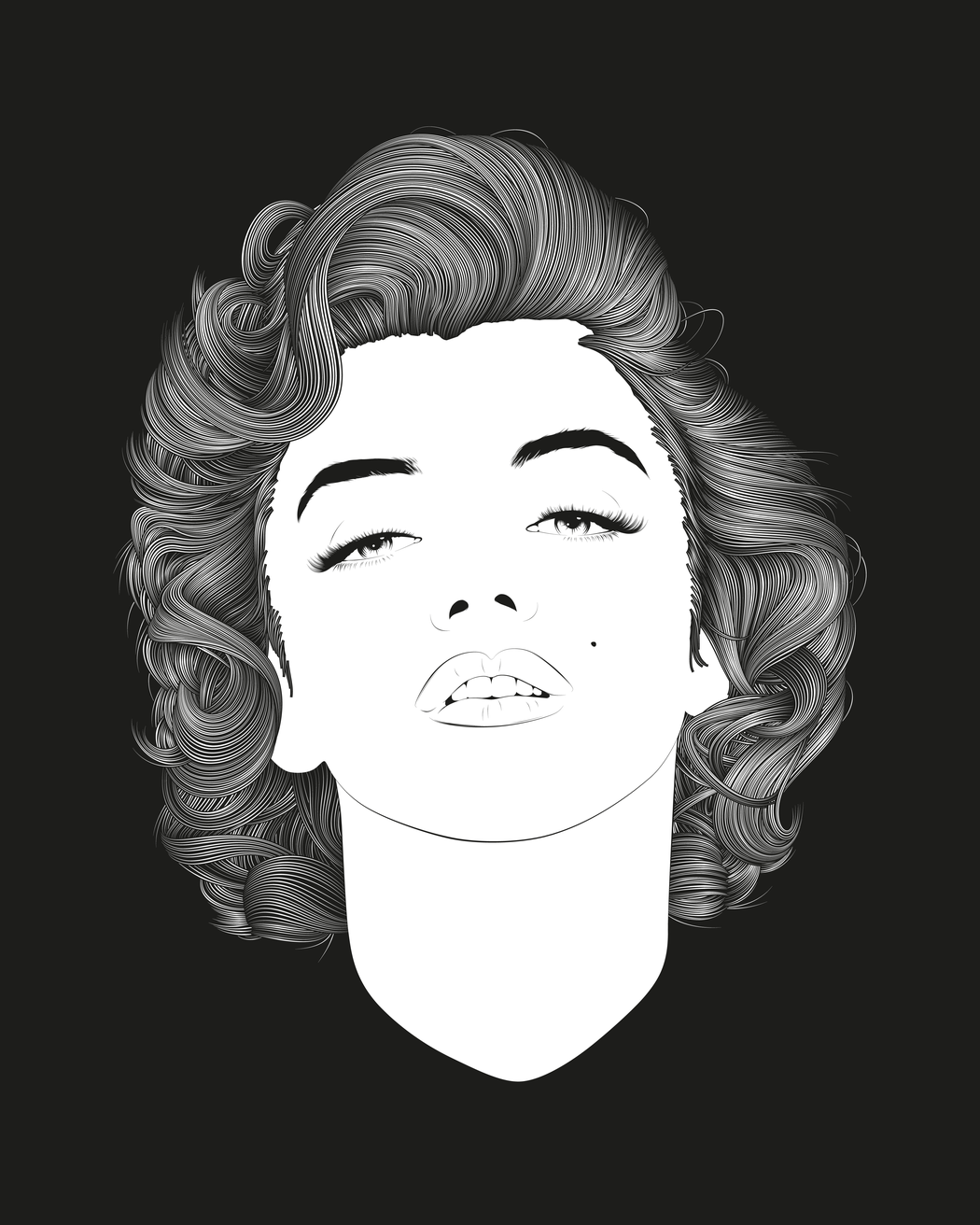 Madis Põldsaar | Marilyn | 2026
In 2013, you developed a distinctive technique for creating highly detailed hair in Adobe Illustrator. How did this method evolve, and what challenges did you face while perfecting it?
Prior to this development I had tested multiple options for illustrating hair, but it all seemed mediocre, so I wasn’t satisfied using them. Upon coming up with this method I had discovered the addictive effects of meditation and began to practice it regularly. One day, like any other, I was shown the visuals of this particular technique during meditation. In order to test the concept, I instantly searched for a female photo with lush, wavy hair and stumbled upon a photo of Rita Ora. It became my first signature portrait and I was so stoked to see this illustration recognized by Adobe. While perfecting this particular technique of mine I came to realize that creating beautiful things take patience indeed. Like Vincent van Gogh once wrote, beautiful things require effort, disappointment, and perseverance, you know. He was probably right. The most profound challenge for me has been getting used to accepting that imperfection actually is perfection.
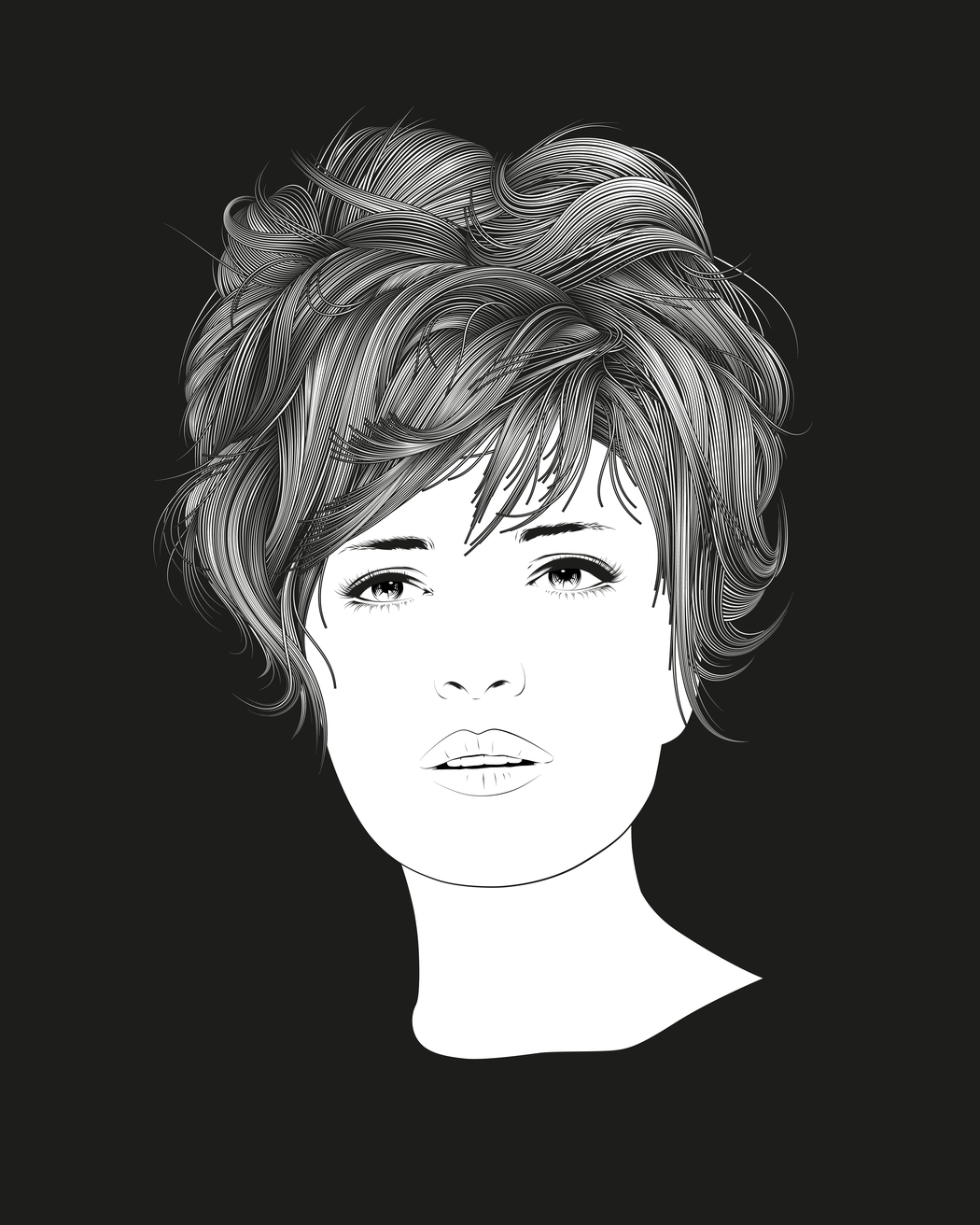 Madis Põldsaar | Monica | 2025
Your works are predominantly black and white. What possibilities does this limited palette give you, and why do you prefer it to working with color?
I’ve always been drawn to the contrast of light and dark, hence the fascination. As a kid I thought that the past and the world before me was black and white, since all the photo memorabilia was depicted like this. I admired how there was something mysteriously captivating. This spiked my curiosity. B&W medium gives my work a visually clean look, but it’s challenging to make it obvious. I have to remove lots of unimportant details and pinpoint the characteristics, that define every face in order to make them recognizable. The possibility is the challenge itself. I’m quite sure that this is just my black and white era.
Female figures are at the center of your artistic practice. What draws you to femininity as a recurring subject, and what qualities or emotions are you interested in expressing through these portraits?
Frankly, I’m a man. Along with the admiration towards female beauty and femininity, there’s something magnetic about them that instinctively draws my attention–something unknown and a little bit dangerous. For me, it’s not so much about capturing the literal resemblance, but more so about expressing something far more timeless and authentic. I’d like to think I’ve left enough room in-between the viewer and viewee for the sake of their own discovery in regards to the emotions, associations and details. In many ways, my portraits are an attempt to slow down, take notice, and appreciate beauty.
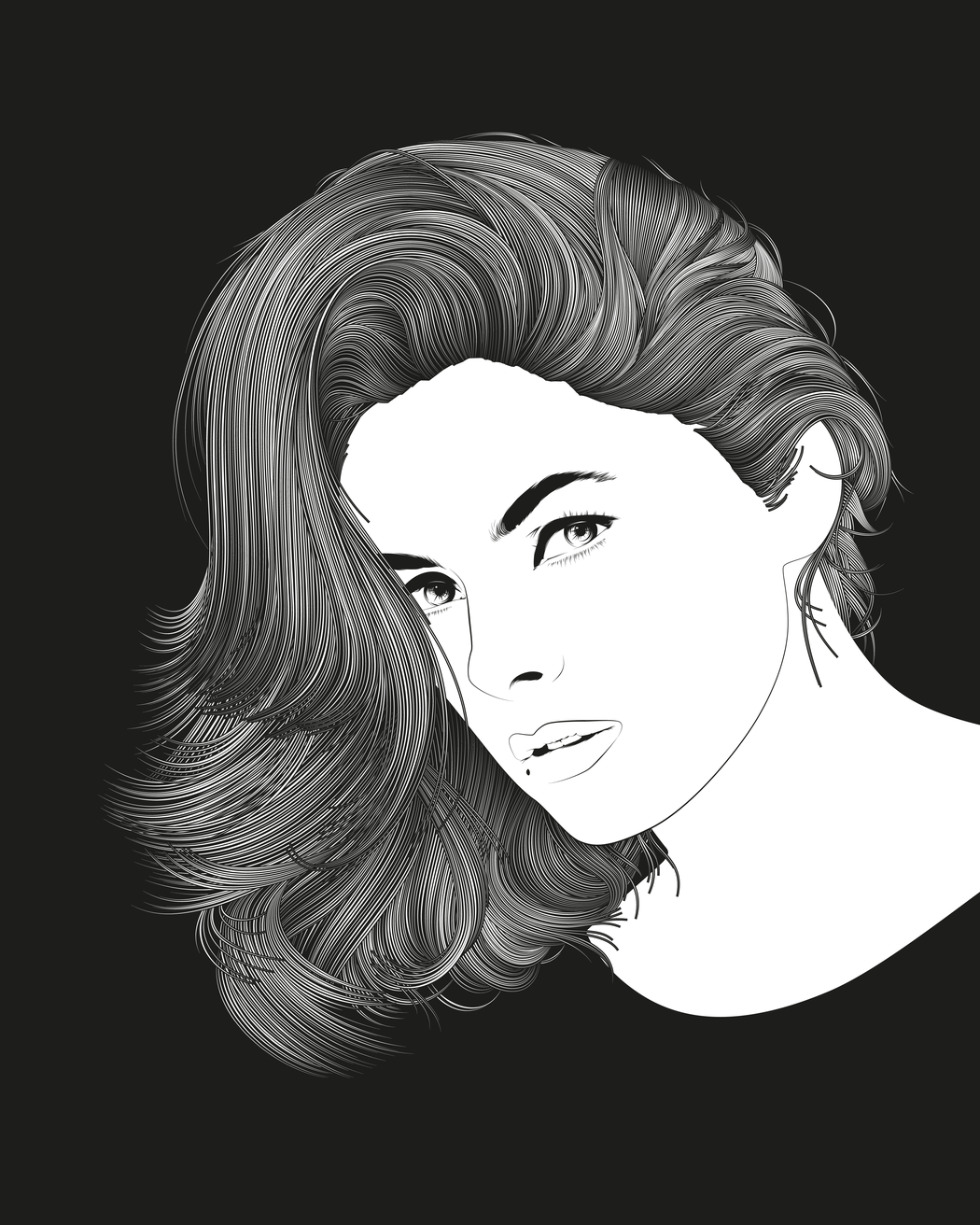 Madis Põldsaar | Virna | 2025
How do you choose the women who become subjects of your portraits? Are you primarily inspired by their appearance, personality, cultural presence, a particular photograph, or something less tangible?
It started out with portraying female friends of mine and surprising them once I sent the finished work over. Reflecting the traditional Estonian folklore that views a woman’s hair as her greatest adornment, my curation of portraits focuses on subjects with particularly captivating hair along with their seductive gaze and lips. These days, it’s mostly guided by my gut feeling and subjects overall alluring essence.
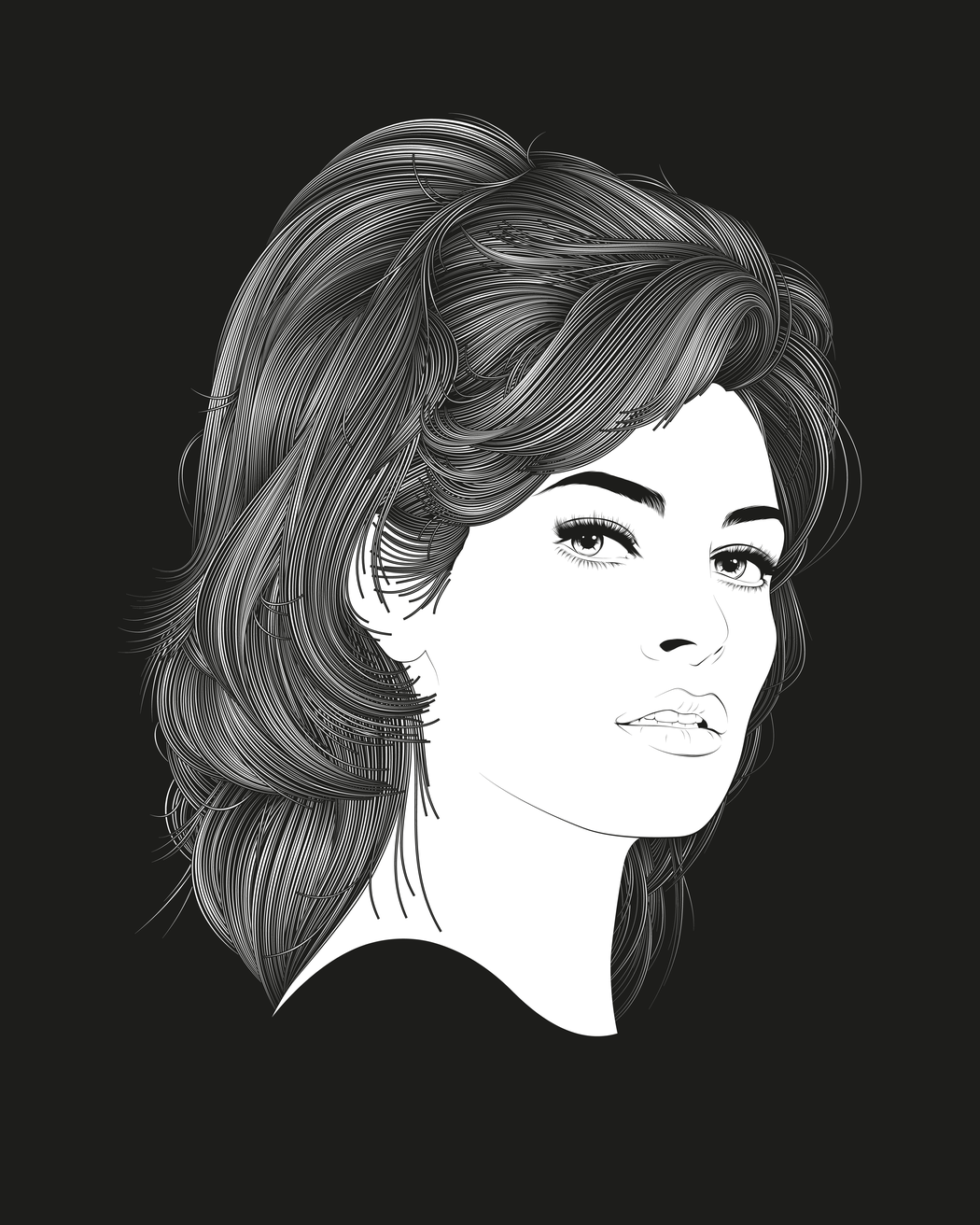 Madis Põldsaar | Raquel | 2025
After many years of working with vector illustration and developing such a recognizable visual language, what directions would you like to explore next, and how do you see your artistic practice evolving in the future?
Vector illustration is my core visual language and primary focus, but I approach creativity as a multi-medium discipline. Curiosity has led me trying everything from ceramics and snapback embroidery to cross-stitched typography. Even though I haven’t tackled stained glass, animation or sculpture yet, those open areas just mean I have an entire landscape of mediums left to explore, so there’s tons of options to win over. Regardless of whether I’m working in a familiar digital space or experimenting with a brand new tactile medium, my standard of quality never changes. I put the exact same meticulous effort into every single output.