Equilateral Trinity Evelyn
You began developing your creative practice and your freelance business at a remarkably young age. How has starting so early influenced the way you approach photography, collaboration, and your place within the creative community?
Starting off younger than my peers was difficult at first. Being underage meant I lost a lot of opportunities in the gig scenes. However, building by brand around fantastic, inspiring Ōtautahi creatives, I was quickly welcome into the creative circles of my city. My age still comes up occasionally and it can be hard to earn respect from our elder peers, but having an excellent creative support network around me has meant I can learn, teach and evolve with the right people.
You describe your work as confident, bold, intersectional, and unapologetic. What does each of these qualities mean to you visually, and how do you translate them into a photograph?
Who I choose to collaborate with is as big a part of my work to me as the final product is. Curating my portfolio to include models that are inherently confident and unapologetic in their lifestyles and the way they portray themselves is a huge part of my motivation for the final visual outcome. My angles, locations and collaborators are intentional and focused around these themes.
Editorial fashion photography is an important influence on your practice. What attracts you most to the relationship between fashion, the body, posing, and visual storytelling?
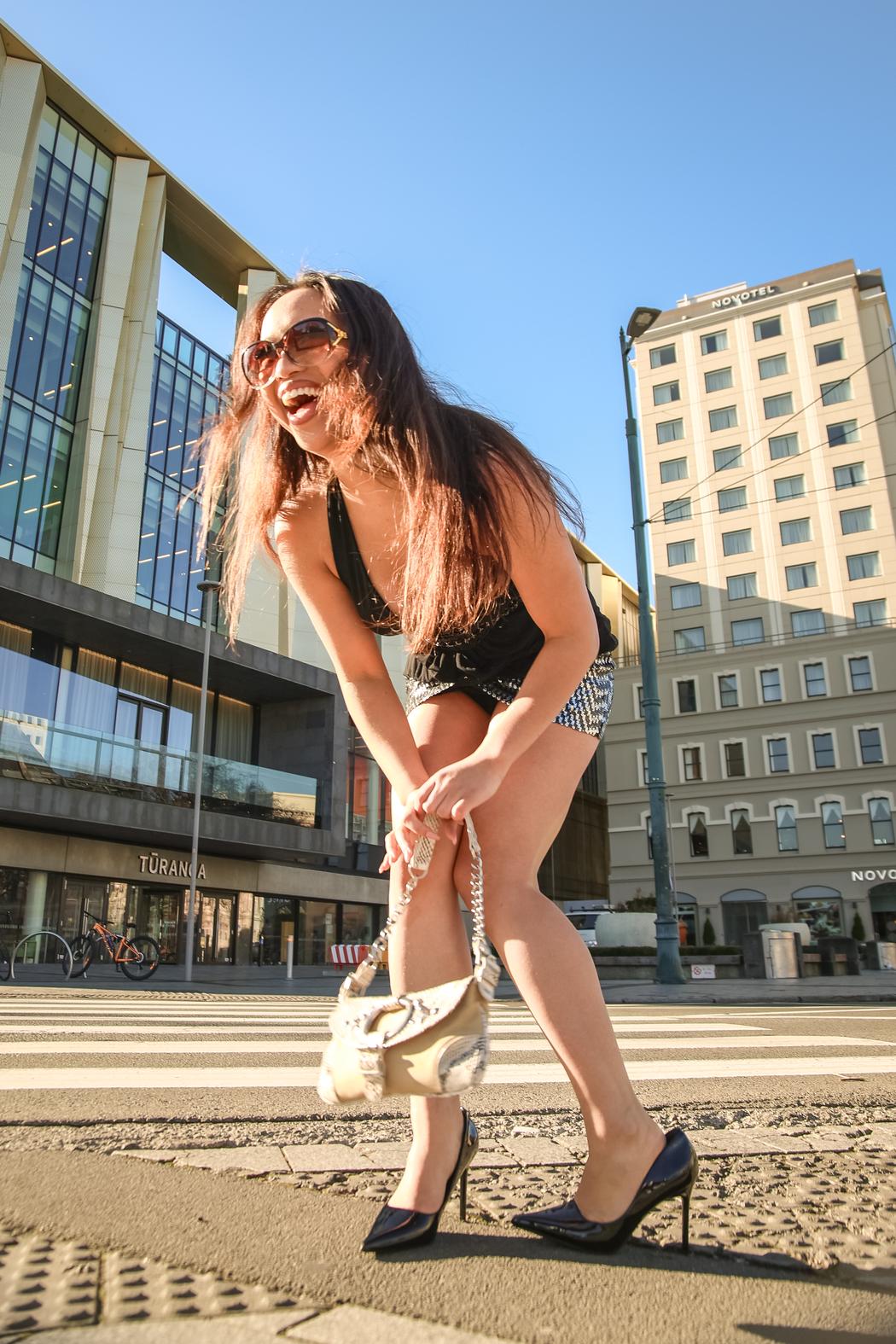
Fashion is a familiar part of everyday life. The way we stand at crossings, hold ourselves in interviews etc. is relatable and full of expectations. Merging this with posing and storytelling, editorial fashion photography plays with our expectations, using different themes intertwined with its elements to create a story. For example, styling an individual in a boho outfit, with natural feminine posing and located in a forest tells a story of grace, elegance and presence. However, the same styling located in an office space with a high contrast edit style shows an interesting juxtaposition of attire and modern day commercialisation. I am deeply fascinated by this creative process and ability to warp feelings of expectations.
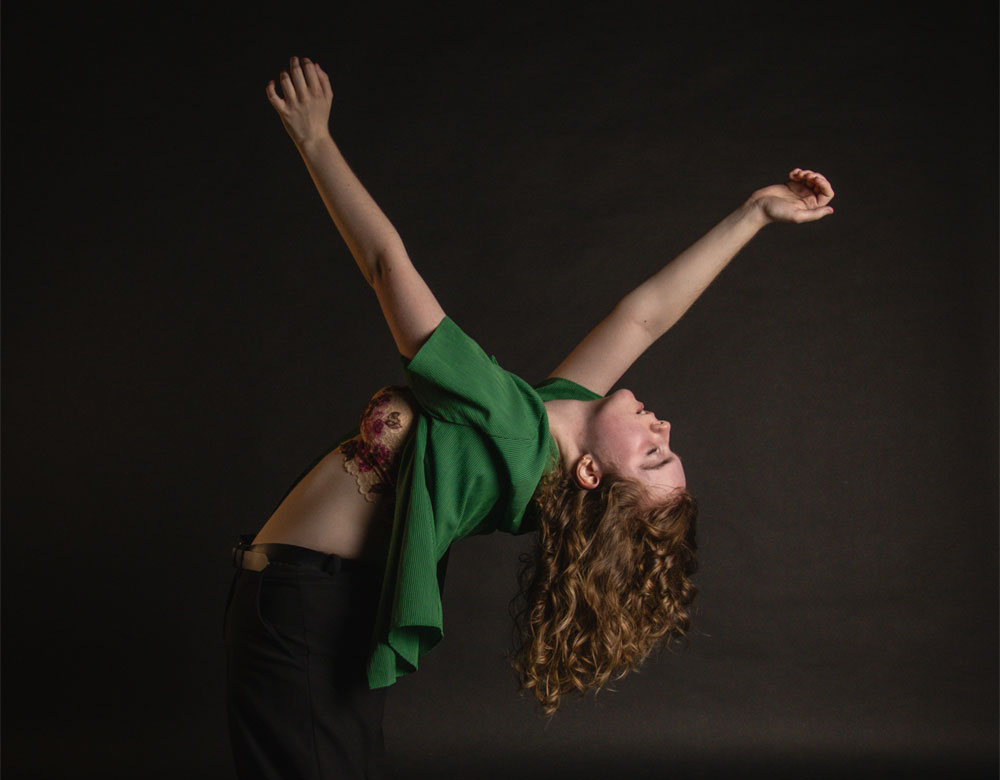
Your photographs often make strong use of perspective, gesture, and unconventional body positions. How do you direct your models, and how much of the final pose comes from planning versus spontaneous experimentation during a shoot?
Most of my shoots start with inspiration pictures for the posing, discussed in a preshoot meeting. However, on the day, we love to get creative and play around with however we’re feeling including any adjustments for the location such as props and modelling around the objects in the space. Often I end up picking images that were not planned poses, because what comes naturally speaks louder in the visual.
You are interested in familiarity, culture, stereotypes, and social expectations. How do you use photography to question ideas that viewers may initially take for granted?
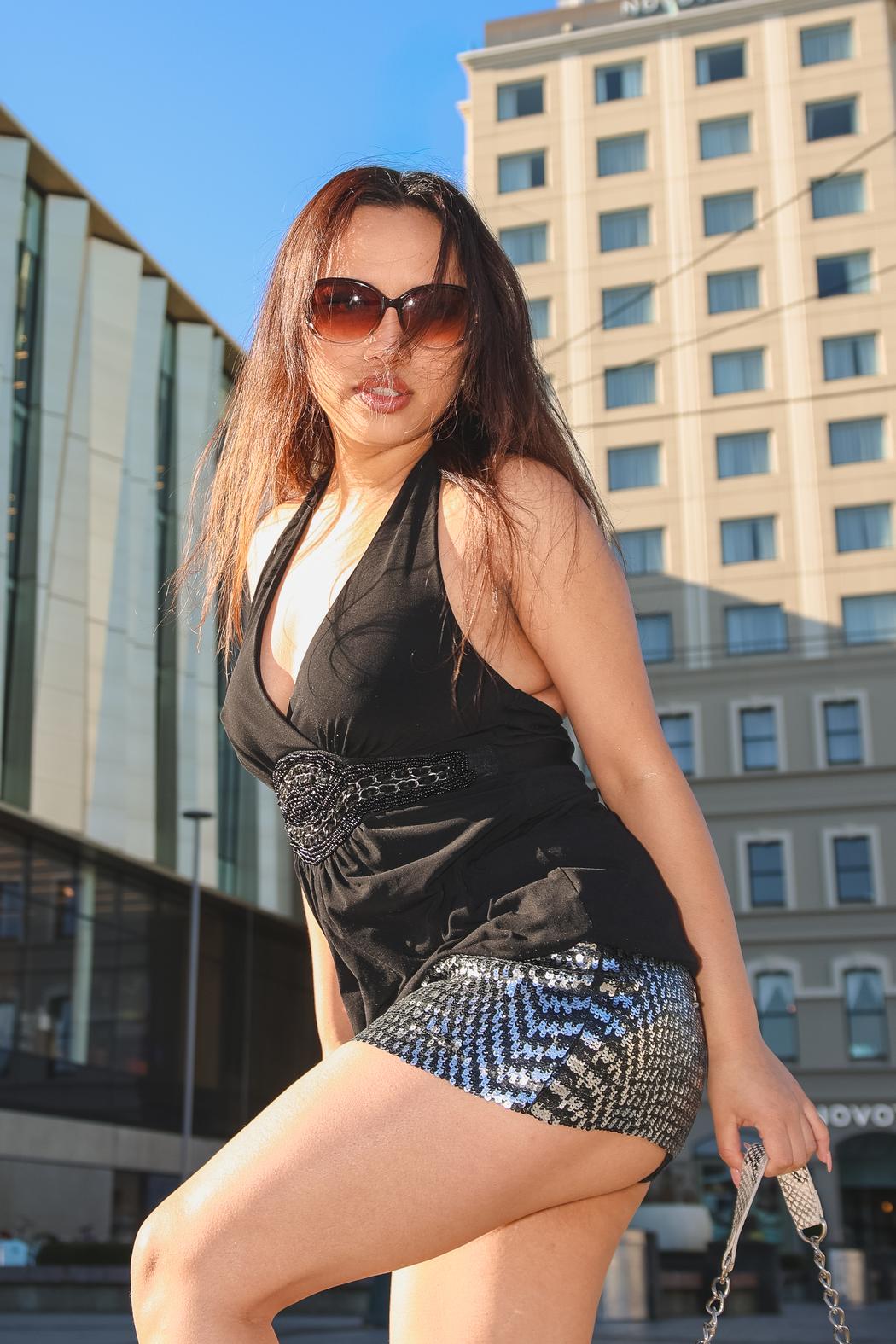
As previously mentioned with the expectations included in editorial fashion photography, an individuals’ perspective plays a massive role in the story told. Blending different styles together creates a visual dissonance that appears striking, provoking the viewer to look deeper into these explorations of culture and stereotypes.
How has living and working in Ōtautahi, Aotearoa shaped your photographic perspective? Do the local creative community, culture, and environment influence the subjects or values you bring into your work?
Absolutely my environment and circles have, and continue to, influence my work. It can be difficult to be creative in such a small, relatively rural city. The south island of Aotearoa has only 1.2 million people on it, making creative connections that much more valuable. Although a small city, Ōtautahi has a large population of emerging artists. After the 2011 earthquakes, communities had to come together to rebuild our city. Since then, I pay close attention to our culture and intentional creative spaces. This city and its architecture is full of life and continues to grow with its people.
Alongside photography, you study law and run Equilateral as a creative business. Do these different areas of your life influence one another, particularly in the way you think about representation, advocacy, responsibility, or community?
My purpose in law and passion in photography stems from the same root. I care deeply about helping and advocating for others, and I believe all areas of my life should positively influence my community. I consciously find ways of including broad communities in my careers and actively seek to encourage their comfortability.