
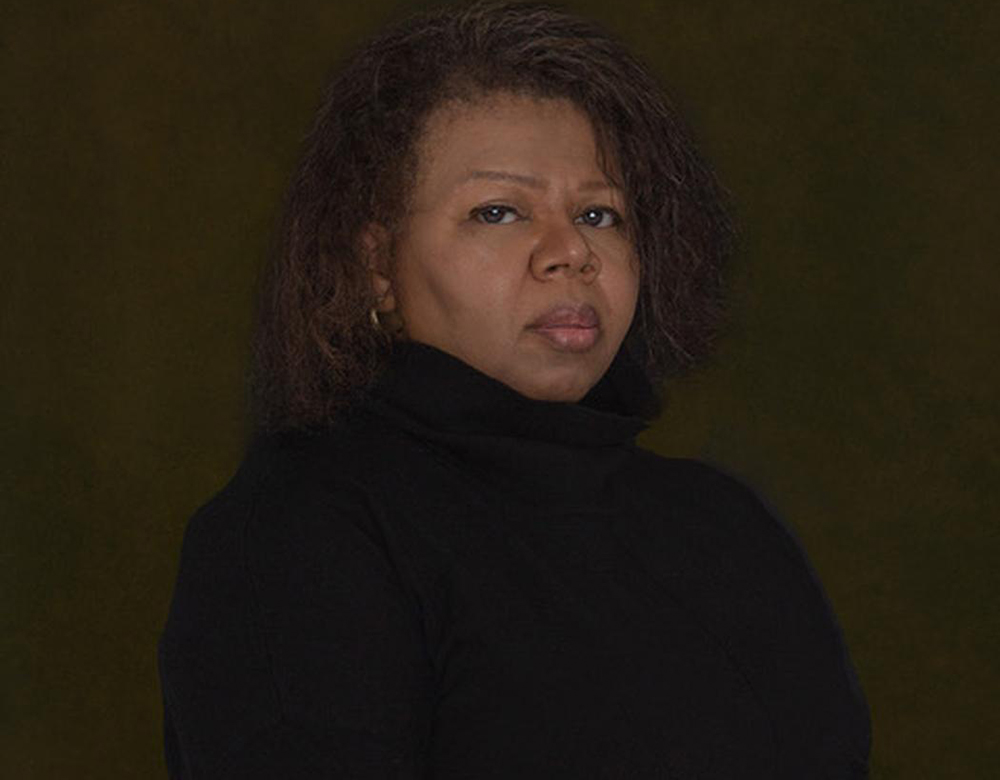
Jane Oliveira
Your artistic journey began after a transition from the medical field to fine art photography. How did this shift influence the way you look at the human mind, emotion, and vulnerability?
Although my professional path began in medicine, I have always been interested in the human mind and visual expression. Medicine allowed me to witness vulnerability, resilience, and the many emotional layers that shape our lives. Over time, I realized that photography was the perfect way to bring these interests together. While medicine explores the human experience through science, my artistic practice explores it through symbolism, dreams, and metaphor. To me, these paths are simply different ways of understanding what it means to be human.
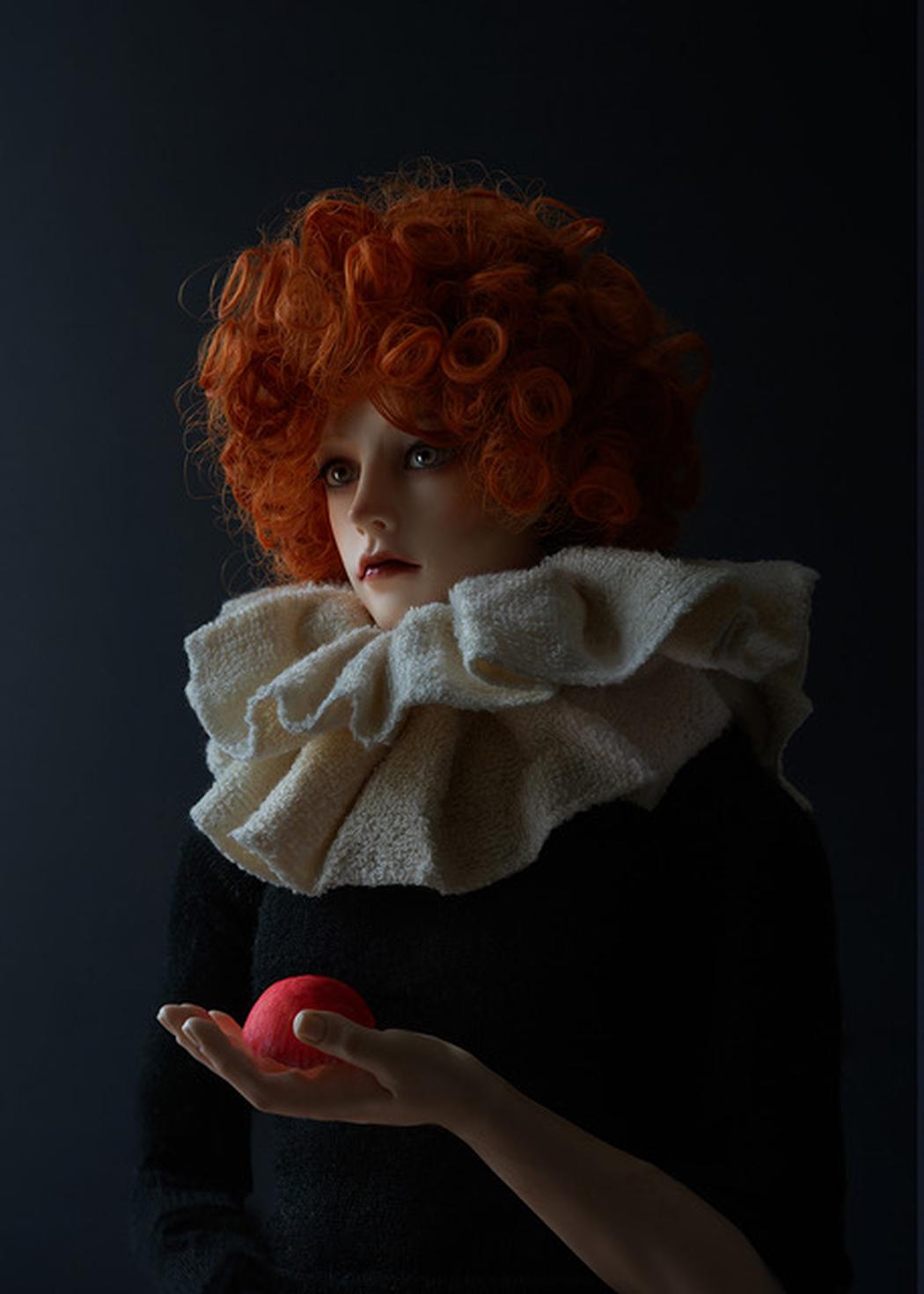 Jane Oliveira | Sad Clown | 2025
Dreams and unconscious imagery play an important role in your work. Do your photographs usually begin with a clear concept, a dream-like image, or an intuitive feeling?
Most of the time, they begin with a dream. Dreams have always played an important role in my work. Sometimes I wake up with a strong image in mind, and that image becomes the starting point for a photograph. From there, I gradually build the scene, choosing symbols, objects, and light that help transform an invisible feeling or idea into a visual image.
Why did you choose Ball-Jointed Dolls as the central figures in your visual narratives? What do they allow you to express that a human model might not?
At first, my choice was a practical one. At that time, finding opportunities to work regularly with human models was not always easy, so I began creating my own worlds on a smaller scale. What started as a practical solution gradually became an essential part of my artistic language.I discovered that their stillness offered something unique. It challenged me to create emotion, narrative, and a sense of life through light, symbolism, and composition. Unlike human models, they are not tied to a specific identity, age, or personal history. This gives viewers more freedom to bring their own emotions and experiences into the image.
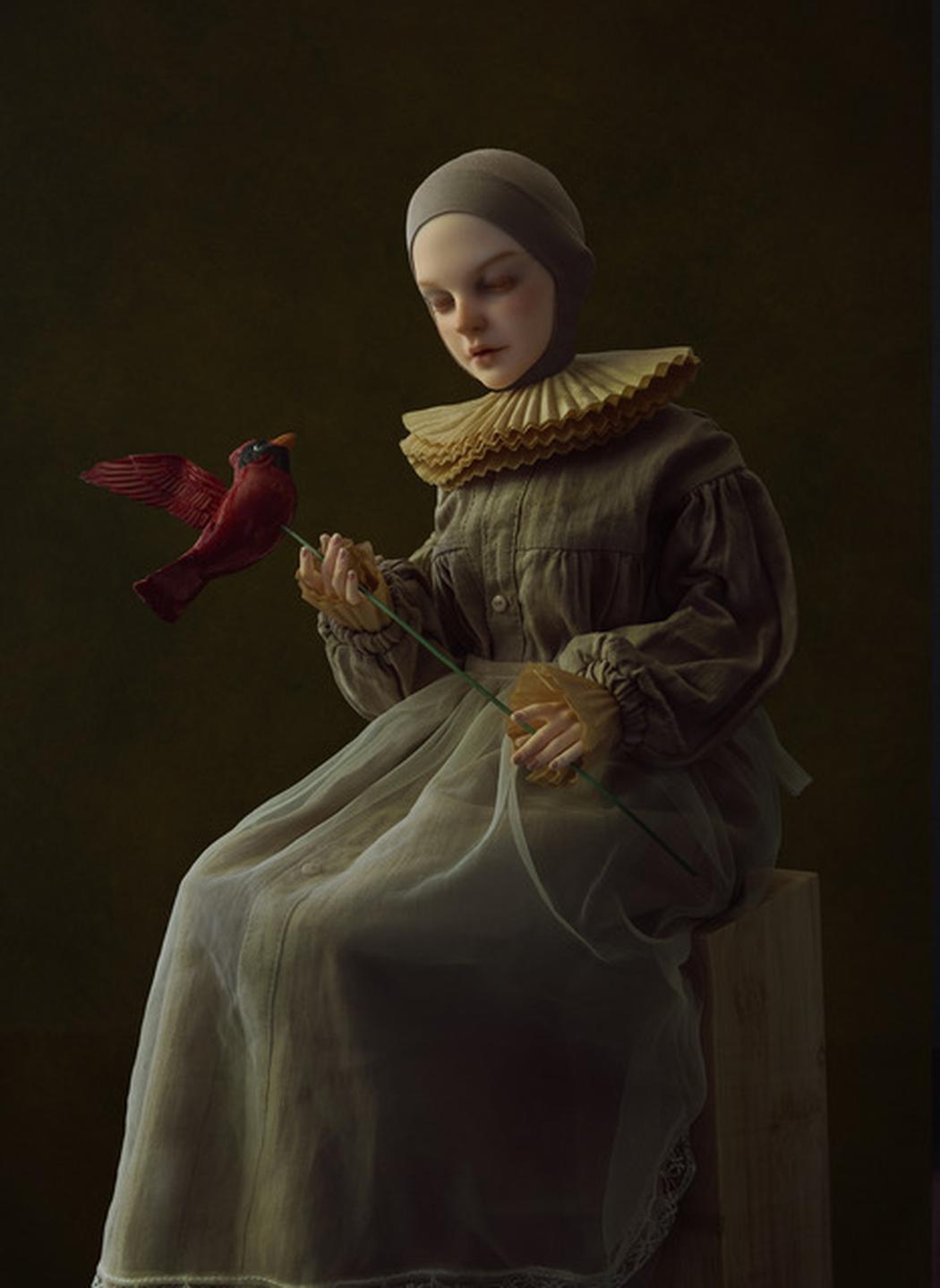 Jane Oliveira | In Stillness It Sang | 2025
Your works often feel suspended between life and stillness. How do you create this sense of quiet tension in your images?
Natural light plays a fundamental role in creating that tension. Inspired by Baroque painting, I use chiaroscuro – the dramatic relationship between light and shadow – to guide the viewer’s eye and build atmosphere. Composition is equally important, as well as the posture of the dolls and the relationships between objects within the scene.I am often looking for a balance between stillness and movement. Even though the figures are motionless, the composition, gestures, colors, and symbolic elements can suggest that something is changing, emerging, or about to happen. That is where much of the tension comes from.
You mention the influence of Baroque and Renaissance painting. Which elements of classical art are most important for you: composition, light, symbolism, atmosphere, or something else?
All of these elements are important because they contribute to the narrative. If I had to choose one, it would be light. I am deeply influenced by the Baroque use of chiaroscuro, where light and shadow do more than shape form; they create mood, emotion, and meaning. For me, light is a visual language that guides the viewer’s journey through the image. Combined with composition, symbolism, and atmosphere, it helps transform a simple scene into a layered and contemplative visual story.
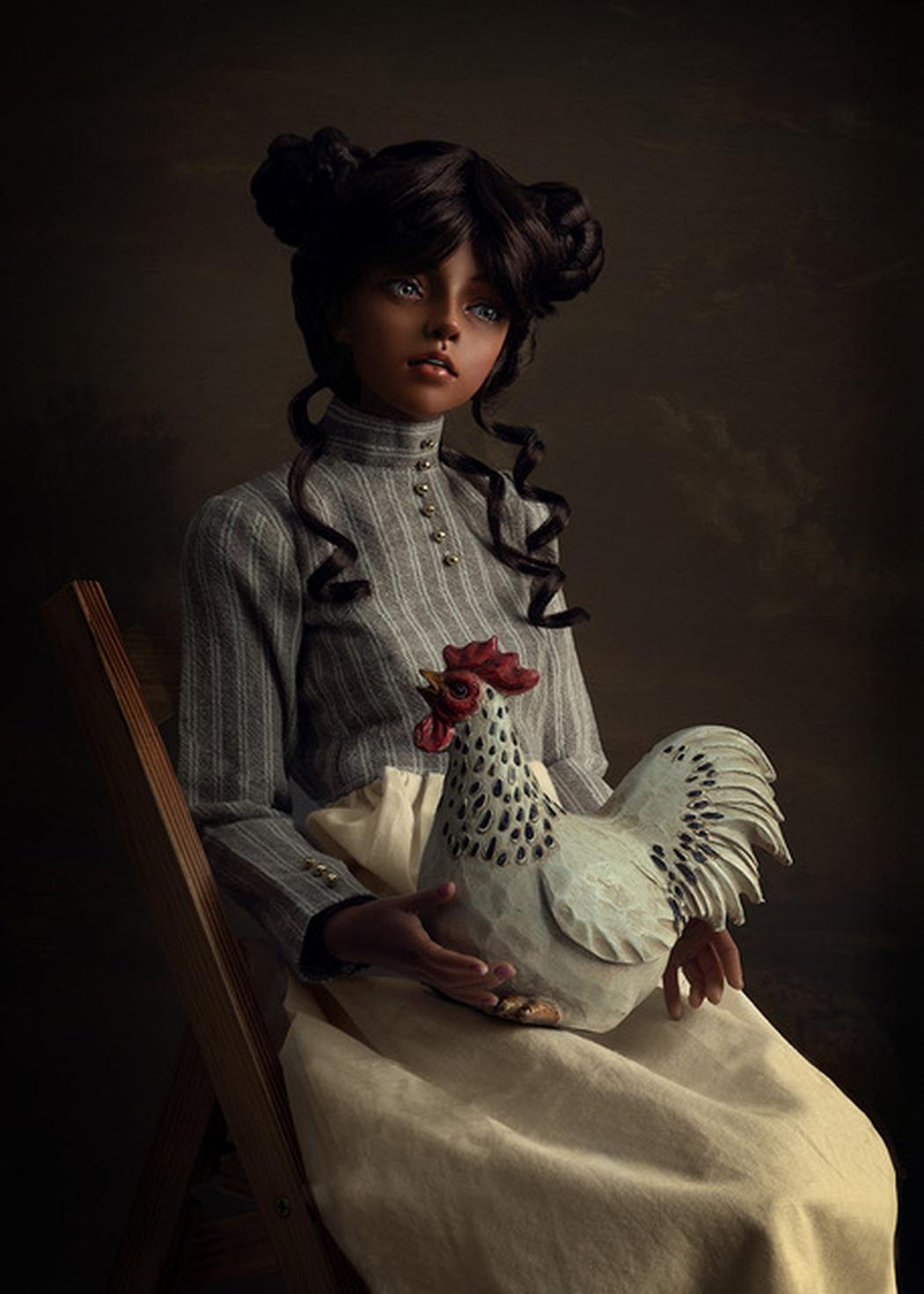 Jane Oliveira | The Weight Of A Quiet Reverie | 2024
Many of your images have a theatrical quality, almost like silent scenes from an unknown story. Do you imagine narratives behind each photograph, or do you prefer to leave them open-ended?
Yes, I usually begin with a narrative, although it often starts with a dream, an emotion, or a question I want to explore. From there, I develop a concept and gradually build the visual story around it. At the same time, I intentionally leave the narrative open. My art is not meant to close the story but to open a window into it. The images contain fragments of my own reflections, dreams, and questions, yet I hope viewers will bring their own experiences and interpretations to the work.
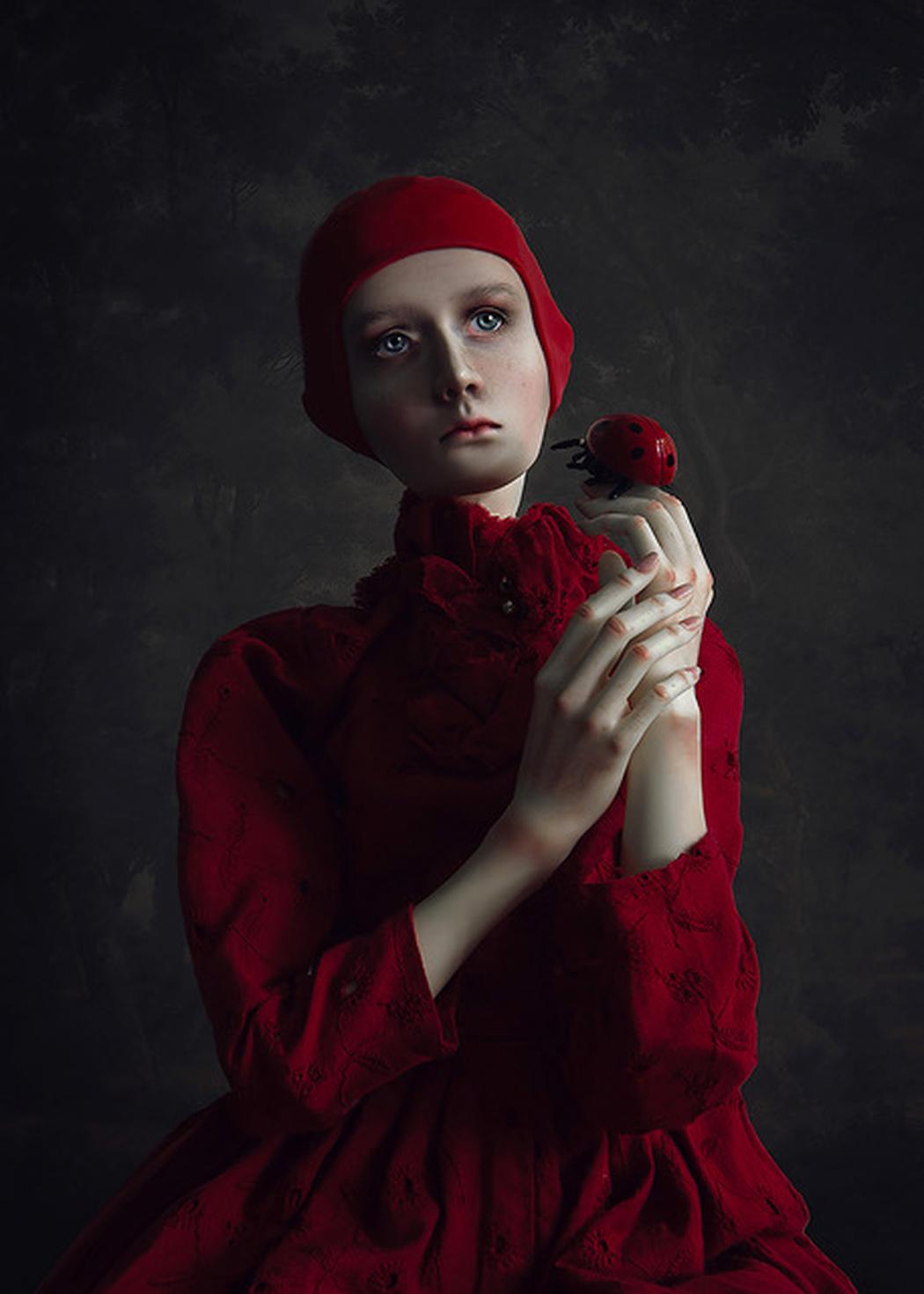 Jane Oliveira | Silent Dialogue | 2024
Your works invite viewers to project their own memories and emotions onto the figures. What kind of inner response do you hope your images will awaken?
I often say that my work is about opening windows rather than closing them. My photographs are built from personal fragments, but they are not meant to provide definitive answers. Instead, I hope they create a space where a dialogue can emerge between the image and the viewer, inviting them to reconnect with their own inner landscape. If an image resonates on a deeper level and allows someone to discover a fragment of themselves within it, then it has fulfilled its purpose.
Leave a Reply
You must be logged in to post a comment.