
Nika Nuova
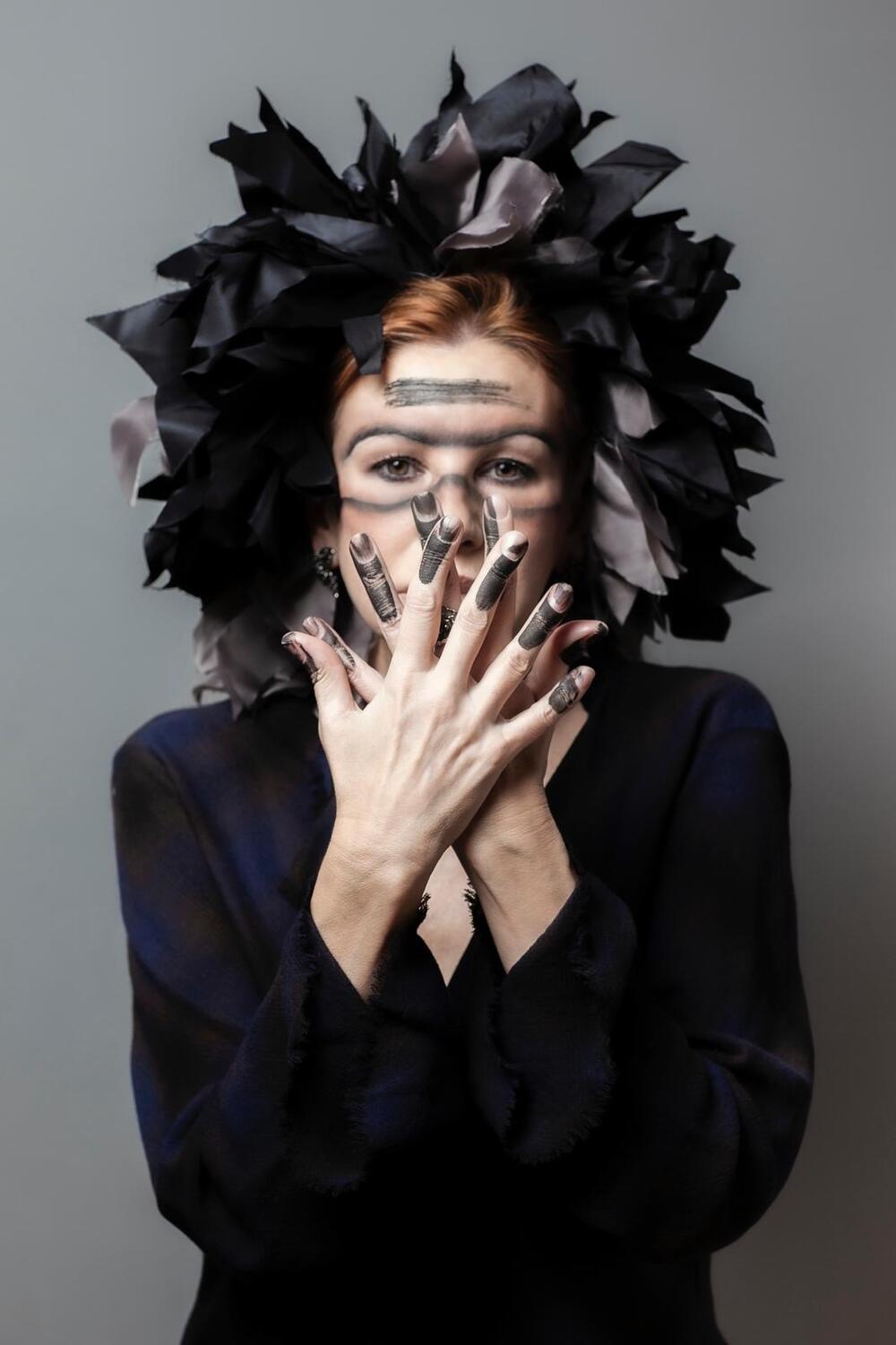
Your project frames cross-stitch as a metaphor for invisible labor. At what point did you realize this medium could carry such a strong social statement?
It felt almost inevitable. Cross-stitch, like many crafts, tends to be met with dismissiveness – it can’t possibly be art, people say; it’s just a pastime. And society treats women’s work in exactly the same way: as something unimportant, something done on the side.
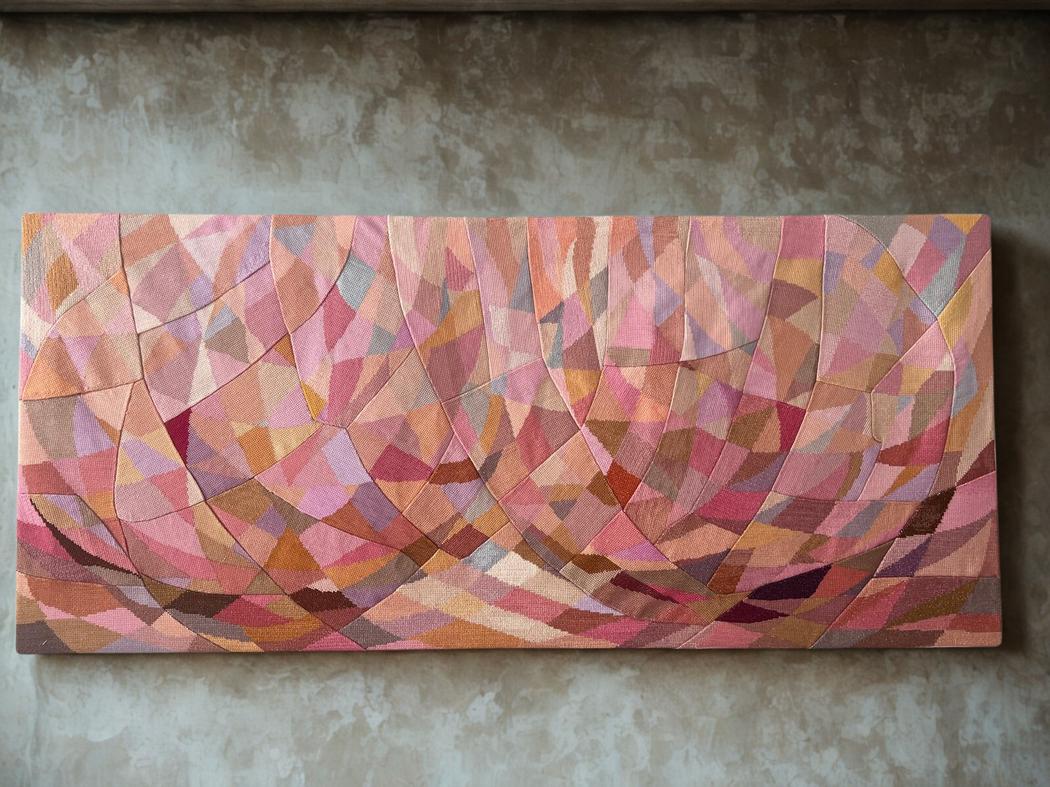 Nika Nuova | Ode to women’s labor | 2025
The idea of the “second shift” runs deeply through your description. How do you translate this invisible, repetitive labor into visual rhythm and composition?
The chosen technique is key. Modest, unobtrusive, conforming to stereotype – all of this underscores the role so often assigned to women: to serve society quietly and without fanfare, to create comfort, to take on additional responsibilities day after day, stitch by stitch.
This work is created collectively. How did collaboration influence the final visual language of the piece?
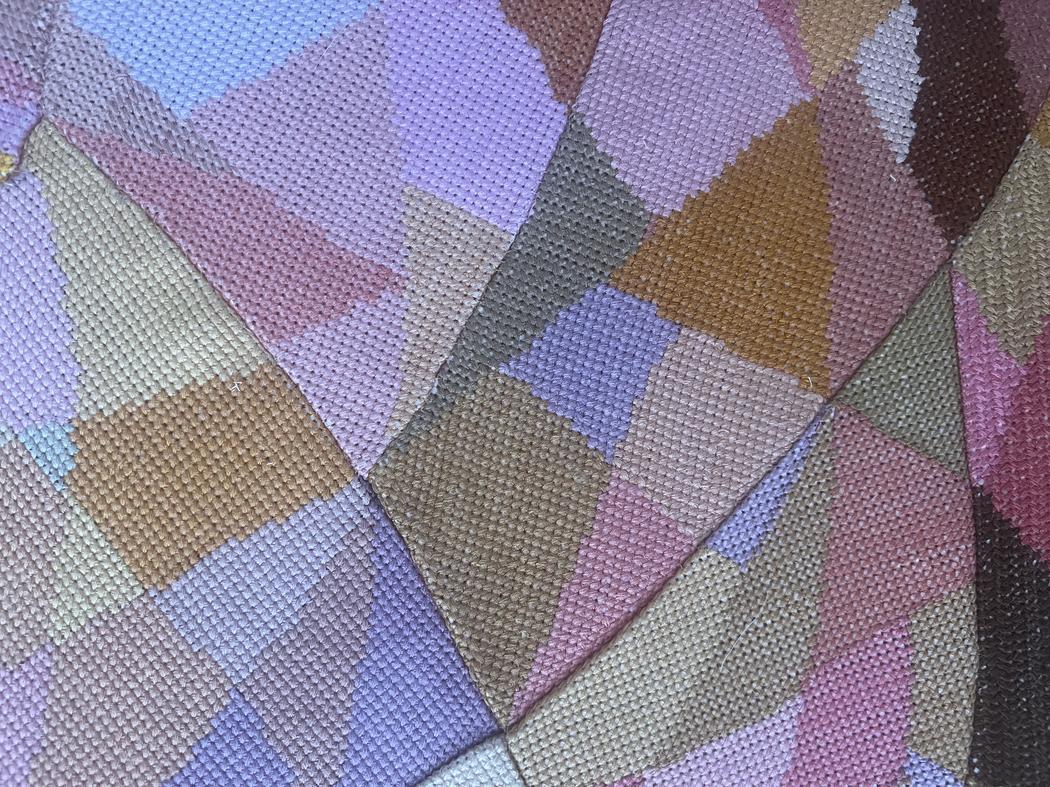
Each participant created their own section in their own style. The sections all turned out slightly different, reflecting the life of each family, with their own traditions and customs, yet all existing within the same world and governed by the same social norms. The result is a single canvas made up of many different voices.
Each stitch is described as essential to the whole. Do you see this as a political statement about individual contribution within society?
Yes, absolutely. It was important to me to emphasise that domestic work is work – and should never be dismissed as unimportant or as a lesser achievement. Managing a household or raising a child can be far more mentally demanding than many career accomplishments. That is precisely why it deserves to be taken seriously.
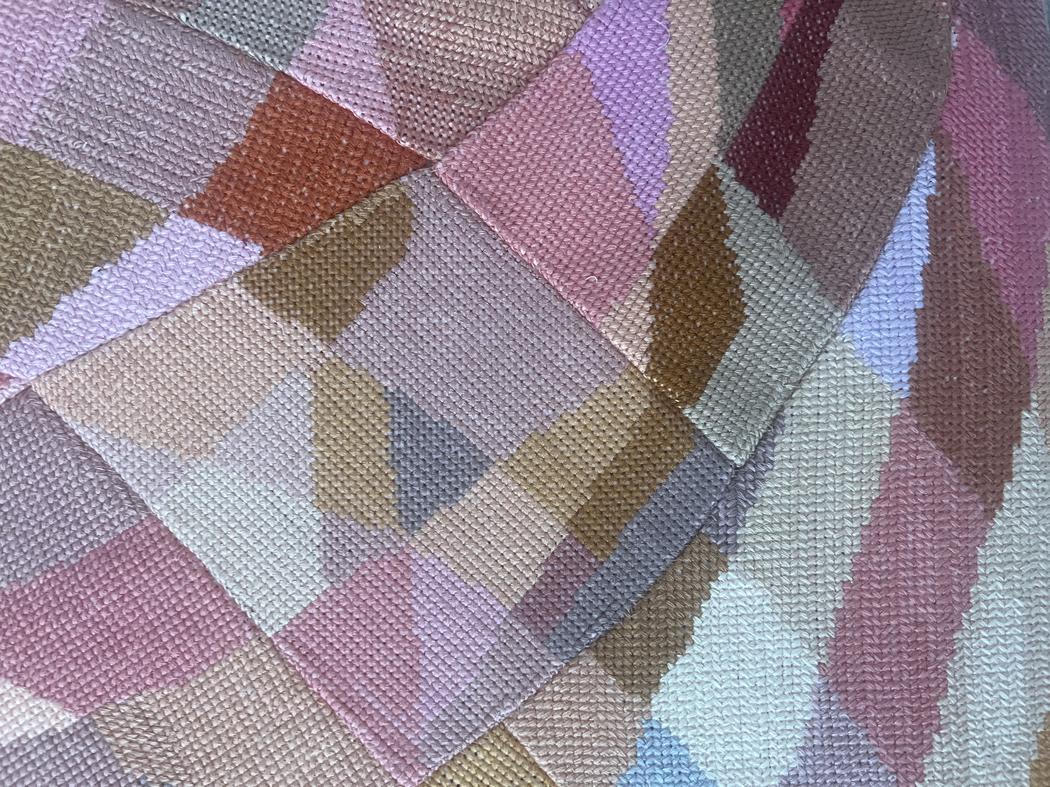
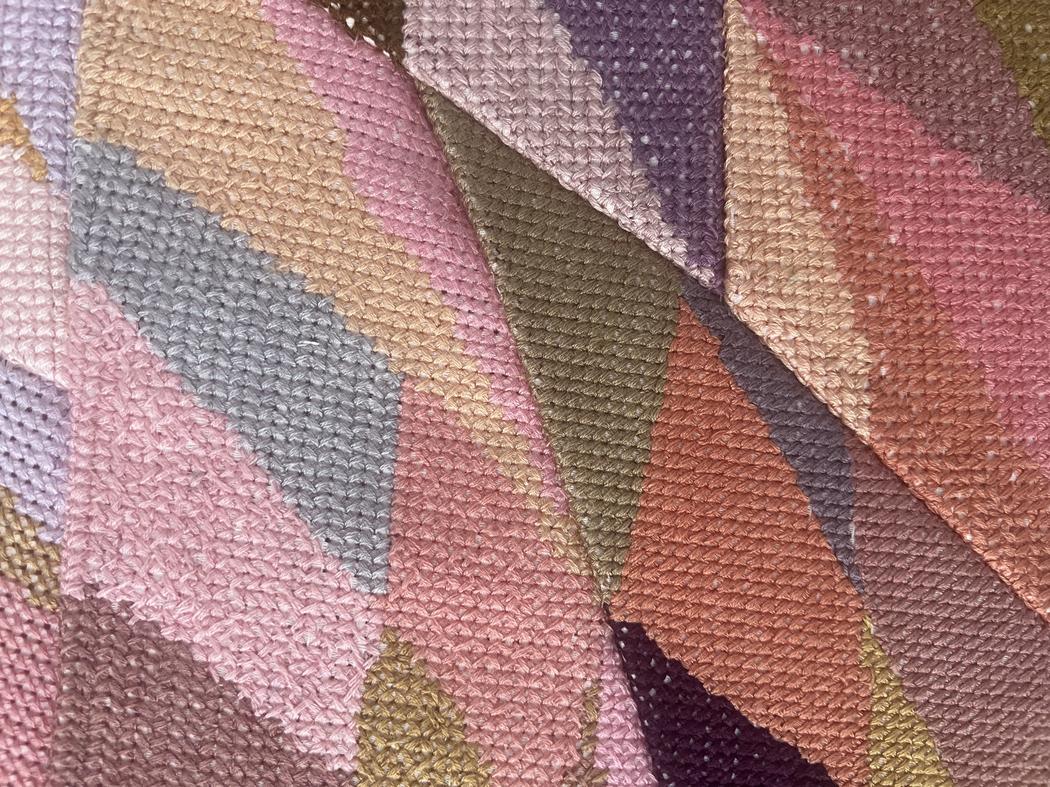
The surface of your work resembles painting from afar, yet reveals labor-intensive stitching up close. How important is this shift in perception for the viewer?
I enjoy playing with contrasts in perception and scale. In that sense, this piece isn’t so different from my other work – except that instead of different fabric patterns, I’ve used different techniques within a single embroidery. You can read the overall picture, or you can examine each individual piece of the puzzle.
The palette feels soft, almost delicate, while the concept is quite critical. How do you balance aesthetic beauty with conceptual weight?
It’s just like in real life, where a woman embodies warmth, love and tenderness. But at the same time, she is a pillar of support, and sometimes even the backbone of the whole structure. That is precisely what I wanted to convey in my work. The first aspect through the colours, and the second through the project as a whole.
How do you think the meaning of this work changes when viewers learn about the collective process behind it?
I think it deepens the understanding and truly brings the idea to life. So many women – all different, from different countries and communities, different social backgrounds, different careers – have used embroidery to make their voices heard. They have shown that every contribution matters and should never be taken for granted.
Leave a Reply
You must be logged in to post a comment.