
Simona Di Pietro
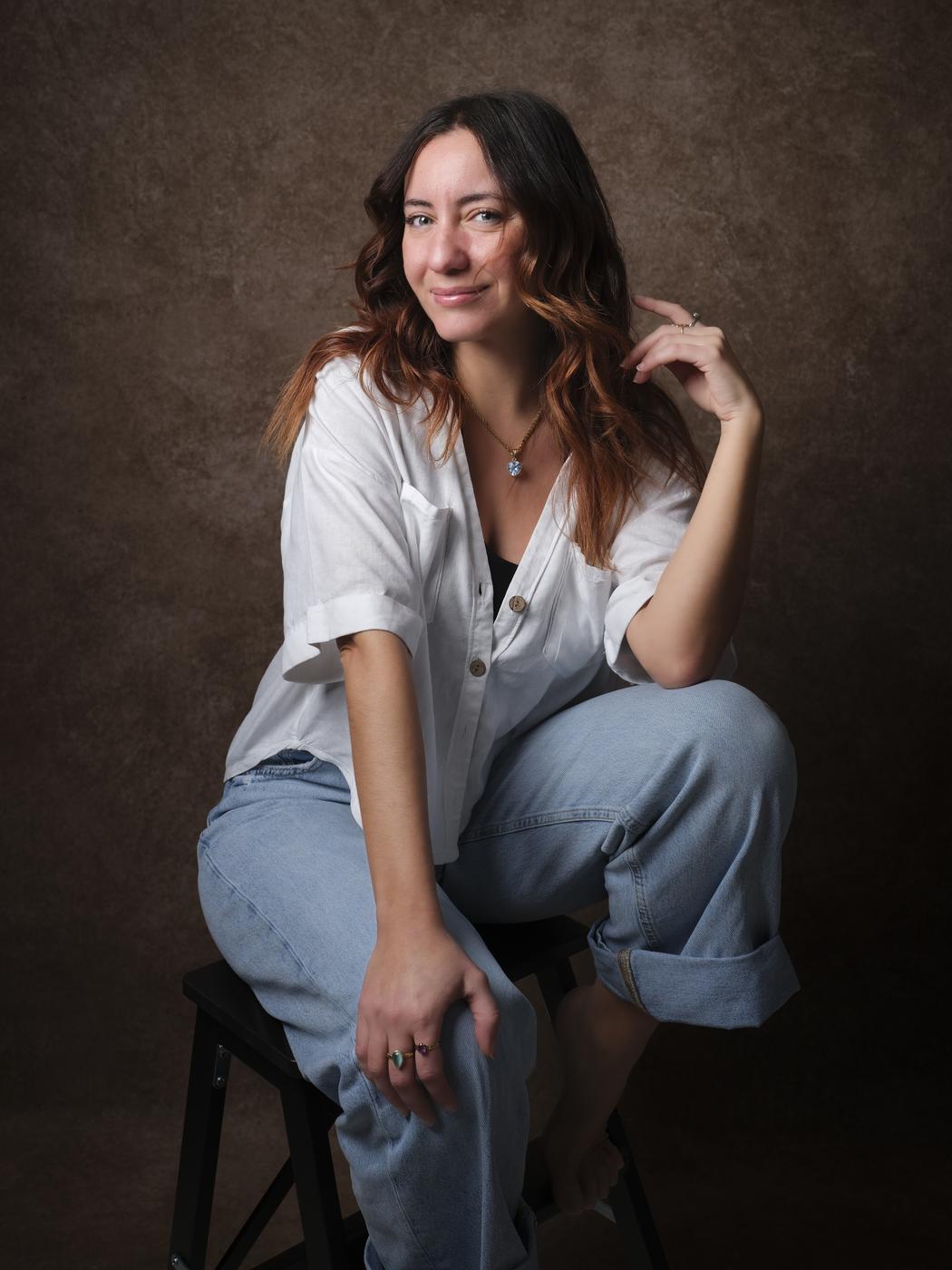
You were trained in Como, a historic center of textile excellence. How did this environment shape your understanding of pattern, material, and craftsmanship?
Being trained in Como deeply shaped my understanding of pattern and material. Growing up in a city where textile culture is part of everyday life, I entered this world very early, almost intuitively.
After primary school, driven by a strong interest in drawing, I enrolled in a technical high school specializing in textile design: Setificio in Como. During those five years, I was immersed in both artistic and technical disciplines. The education was strongly process-oriented and highly practical. Within the school, there was a dedicated area for looms, both traditional and digital, which allowed me to see how a design translates into fabric, while visits to local textile companies showed me how the work learned in class is applied in real production.
This experience introduced me to a world I hadn’t imagined before: textile design is not only a form of visual expression, but a highly specialized language shaped by material knowledge, history, and precision.
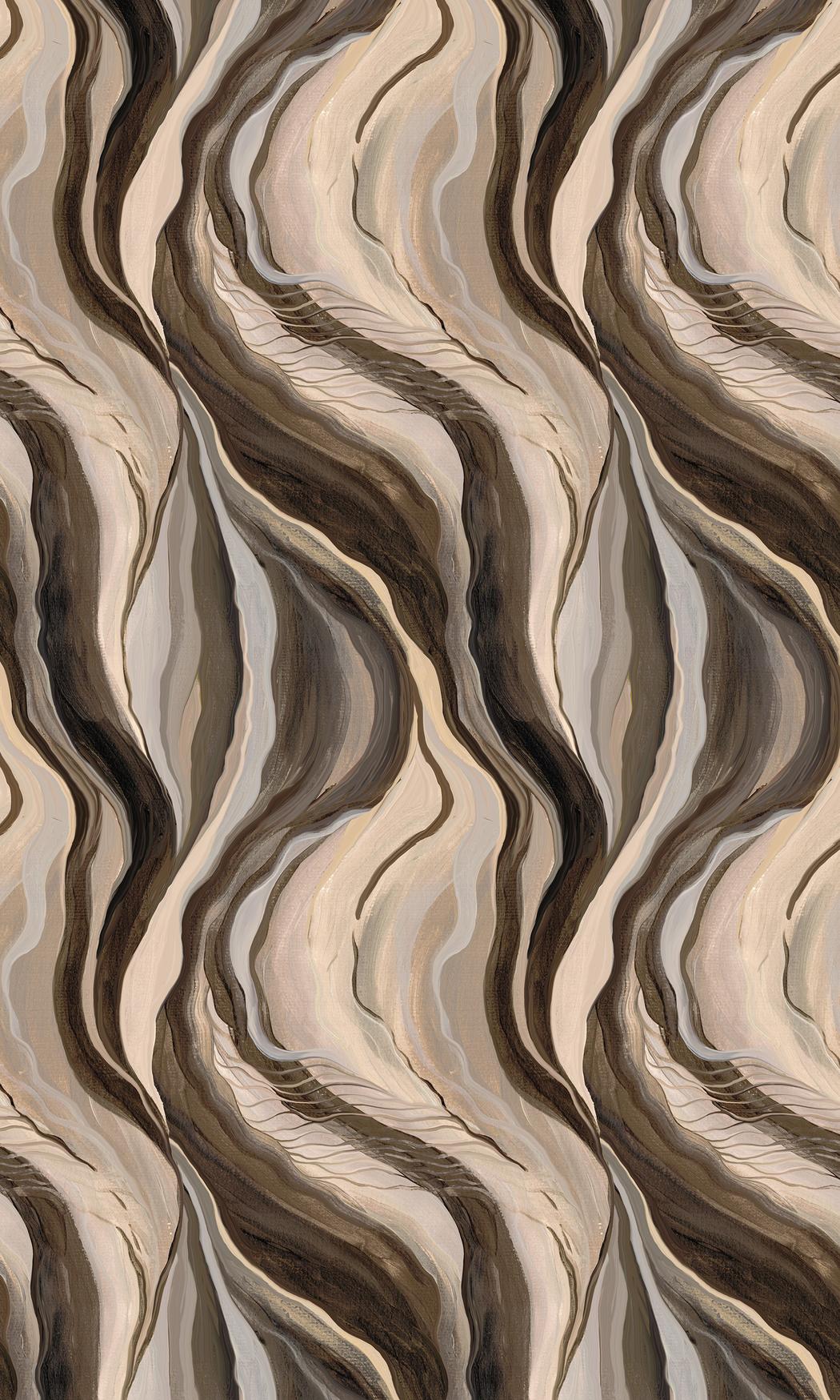 Simona Di Pietro | Desert Whisper
You often begin your work from a natural reference such as a landscape or organic texture. What kind of emotional or intuitive connection do you look for before starting a new project?
A pattern in nature can stop me in my tracks: dots on a leaf, the blending of tones in rocks, the textures in bark, or water in motion. It makes me pause, deeply observing, letting my eyes follow the shapes, the flow, and the movement outward from a single point.
It feels as if nature itself is inviting me to slow down, to watch carefully and with intention. That invitation comes with a subtle, almost pleasant feeling in my body: a kind of internal nudge that tells me this is something worth exploring, something that wants to become art. This sensation, combined with my personal experience and emotional response, drives the transformation of that moment into a design that is uniquely mine.
Hand painting plays a central role in your process. What does the physical gesture of painting allow you to express that digital tools alone cannot?
Acrylic paint allows texture to emerge through pressure, layering, and rhythm. These variations happen in real time and are perceived physically, giving the work a sensitivity and presence that feels essential to my process. The marks are tangible, and their immediacy evokes a direct emotional response that digital tools cannot fully replicate.
There is also a sense of freedom that comes from working on large sheets of paper. My arm can move freely, following the rhythm of the pattern as it develops, without the constraints of a screen. That bodily movement becomes part of the design itself.
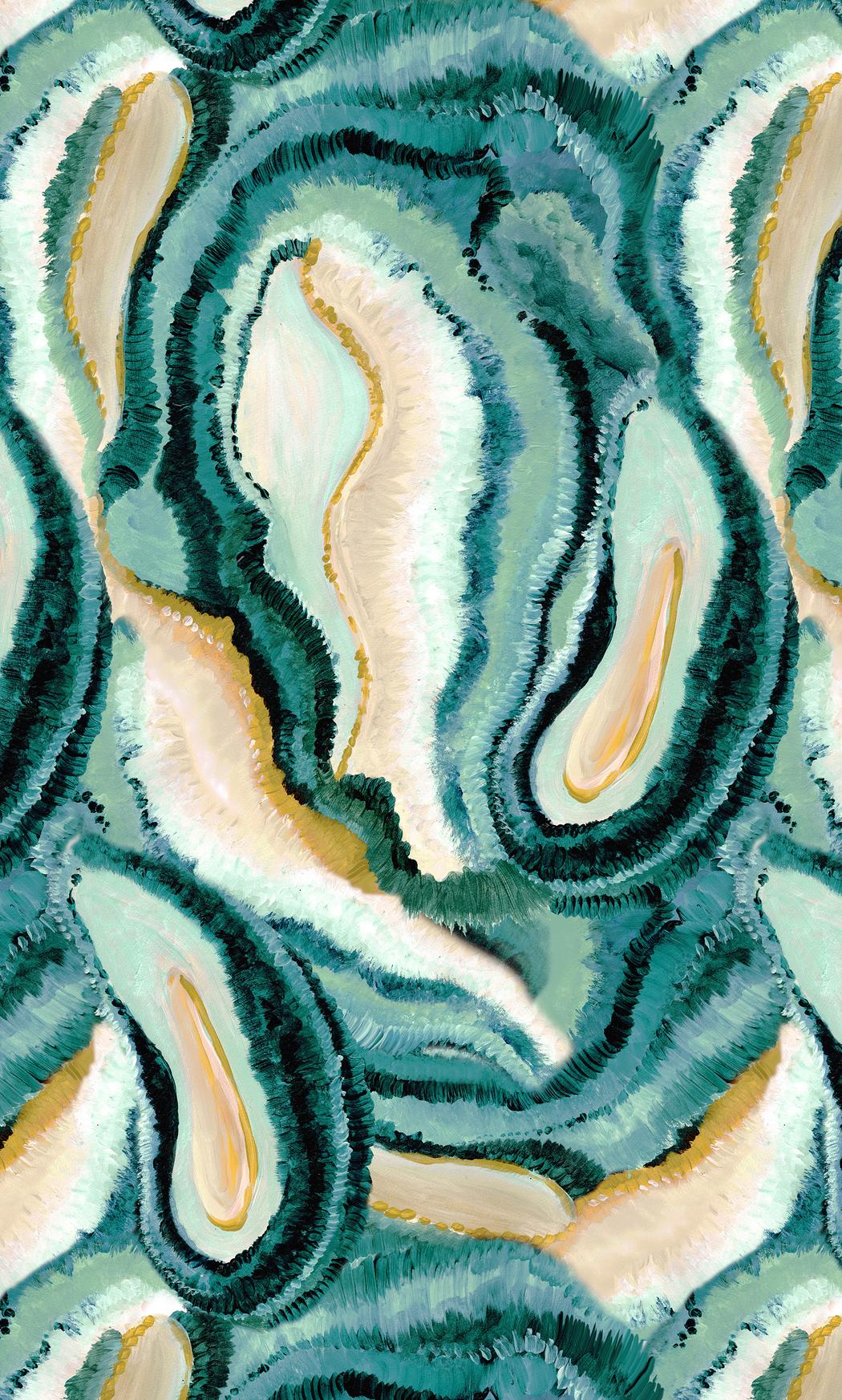 Simona Di Pietro | Aqua, Daydream
The transformation from a hand-painted artwork into a seamless repeat seems crucial in your practice. How do you approach this transition without losing the original emotional quality of the work?
The transformation from a hand-painted artwork into a seamless repeat is indeed a crucial part of my process. I always start spontaneously, giving the initial drawing the space it needs to breathe, letting the gesture and movement emerge freely.
Creating the seamless repeat is a more technical step. Over years in this industry, I’ve developed the skills to translate a hand-painted piece into a repeat without losing its original essence. My focus is always on preserving the flow, rhythm, and character of the initial mark, even as I work digitally to make it repeatable.
It’s not a simple scan-and-go process, careful work is required to maintain the integrity of the gesture. The goal is to keep the pattern alive so that the emotion, movement, and intention of the original hand-painted artwork remain present in the final seamless design.
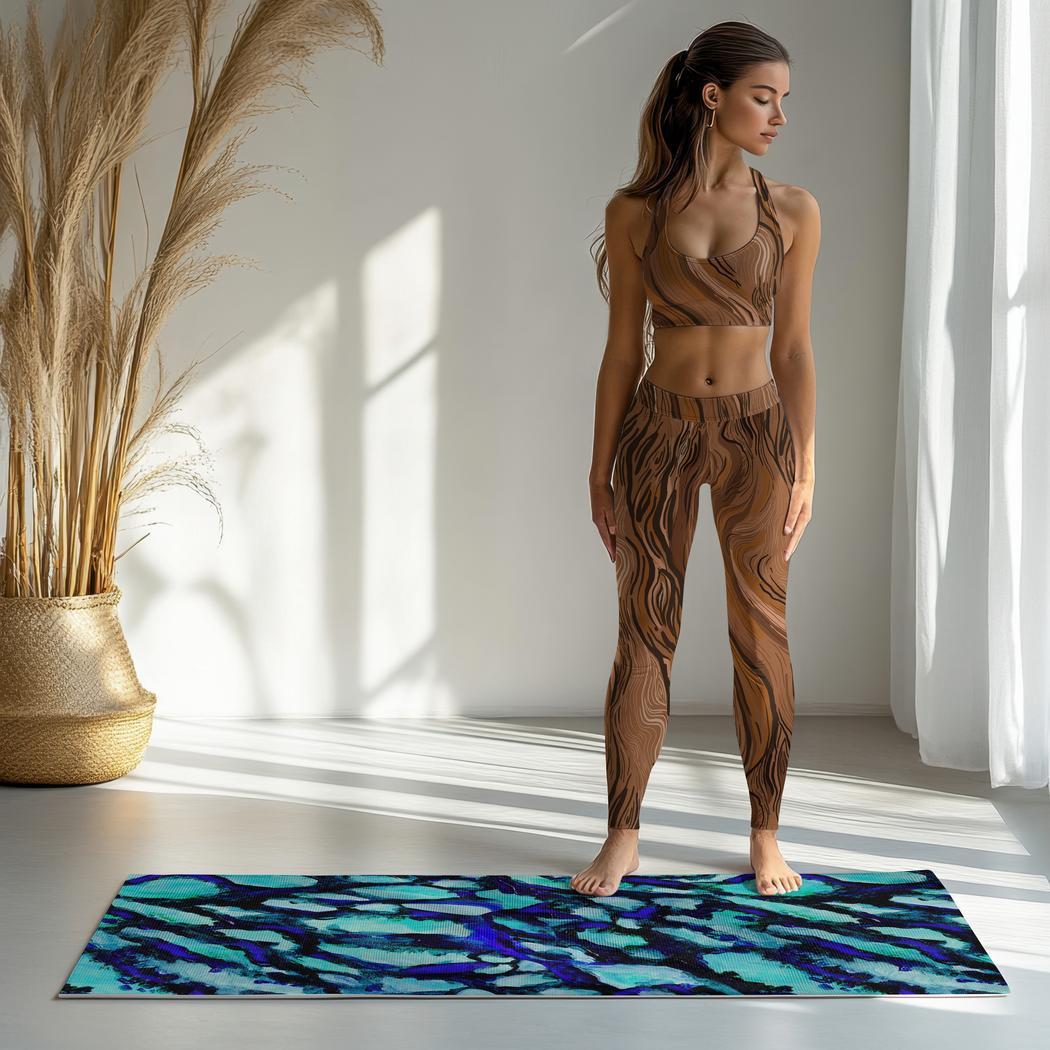 Simona Di Pietro | Aqua+Barkmockup
Living in Australia and working with swimwear and surf-inspired brands clearly influenced your palette and forms. How did the ocean and coastal landscapes reshape your sense of rhythm and movement in design?
Living on the Australian coast profoundly reshaped how I observe and translate nature into my designs. The ocean, with its ever-changing movement, turquoise waters, and waves, taught me to see rhythm and flow in patterns. The red rock formations of the desert and the intricate textures of tropical rainforests revealed natural structures and patterns I had never noticed before, which became a core part of my visual archive.
The diversity of native plants, unusual flowers, and wildlife opened my attention to new forms and details, expanding the way I perceive shapes, colors, and movement. Even encounters with underwater life, from coral formations to marine creatures, offered inspiration in pattern and hue.
These experiences have shaped my palette and forms, blending earthy, grounded tones with vibrant, tropical colors. They allow me to combine spontaneity with structure, creating patterns deeply connected to the natural world.
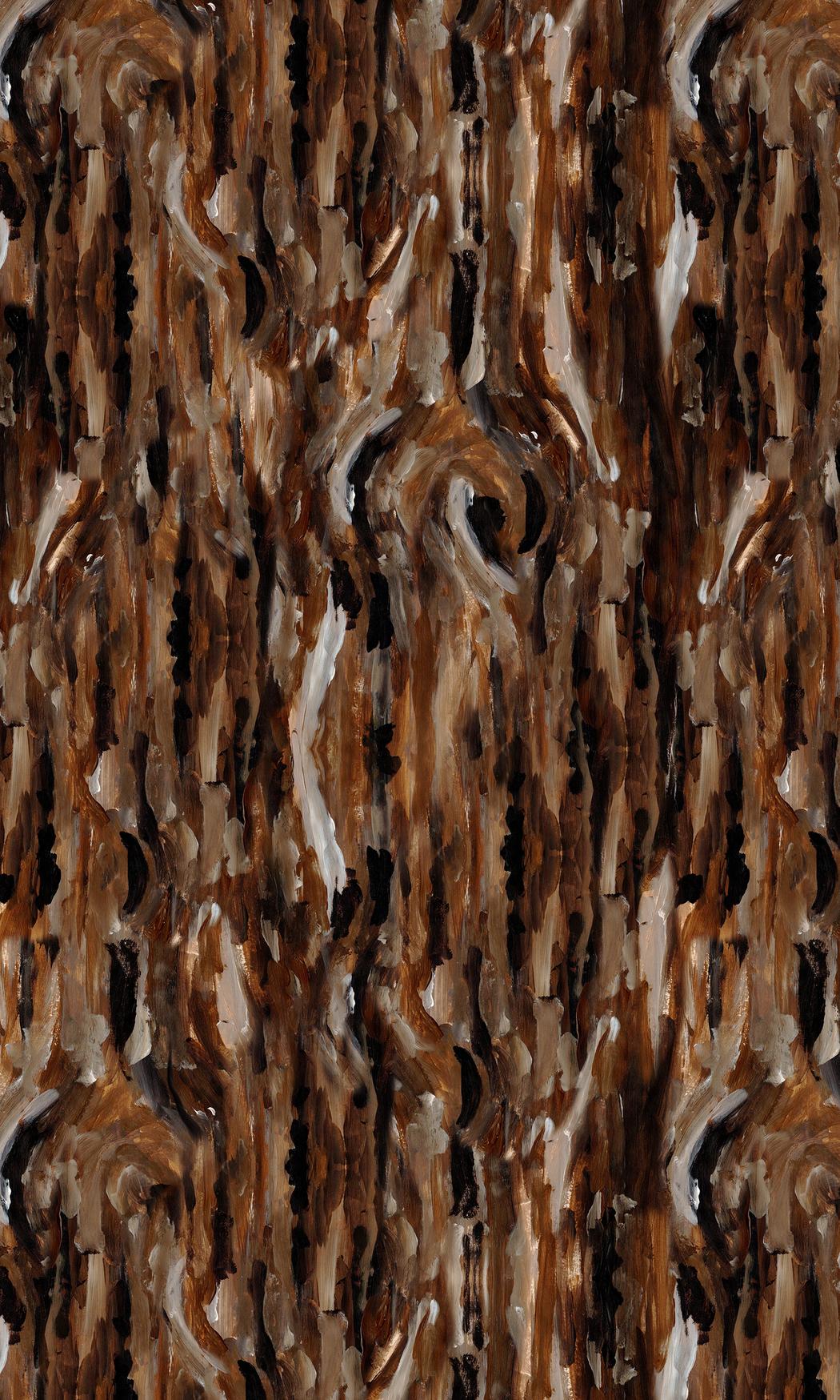 Simona Di Pietro | Bark&Bloom
Your work often exists beyond the canvas, applied to garments, yoga mats, and functional objects. How does functionality influence your creative decisions?
For me, functionality doesn’t dictate my creative decisions; it’s the other way around. Each design is a message, a way to bring the power and beauty of nature into everyday life. In our fast-paced world, it’s easy to feel disconnected from the natural environment, so I see my work as a bridge: translating the rhythms, colors, and textures I’ve observed in landscapes, rocks, oceans, and plants into patterns that can live on garments, objects, or surfaces.
The goal is to create a connection, a gentle reminder of the beauty around us, an invitation to pause and feel a sense of wonder. By bringing nature into objects, I hope to offer more than decoration: a moment of reflection, inspiration, and grounding.
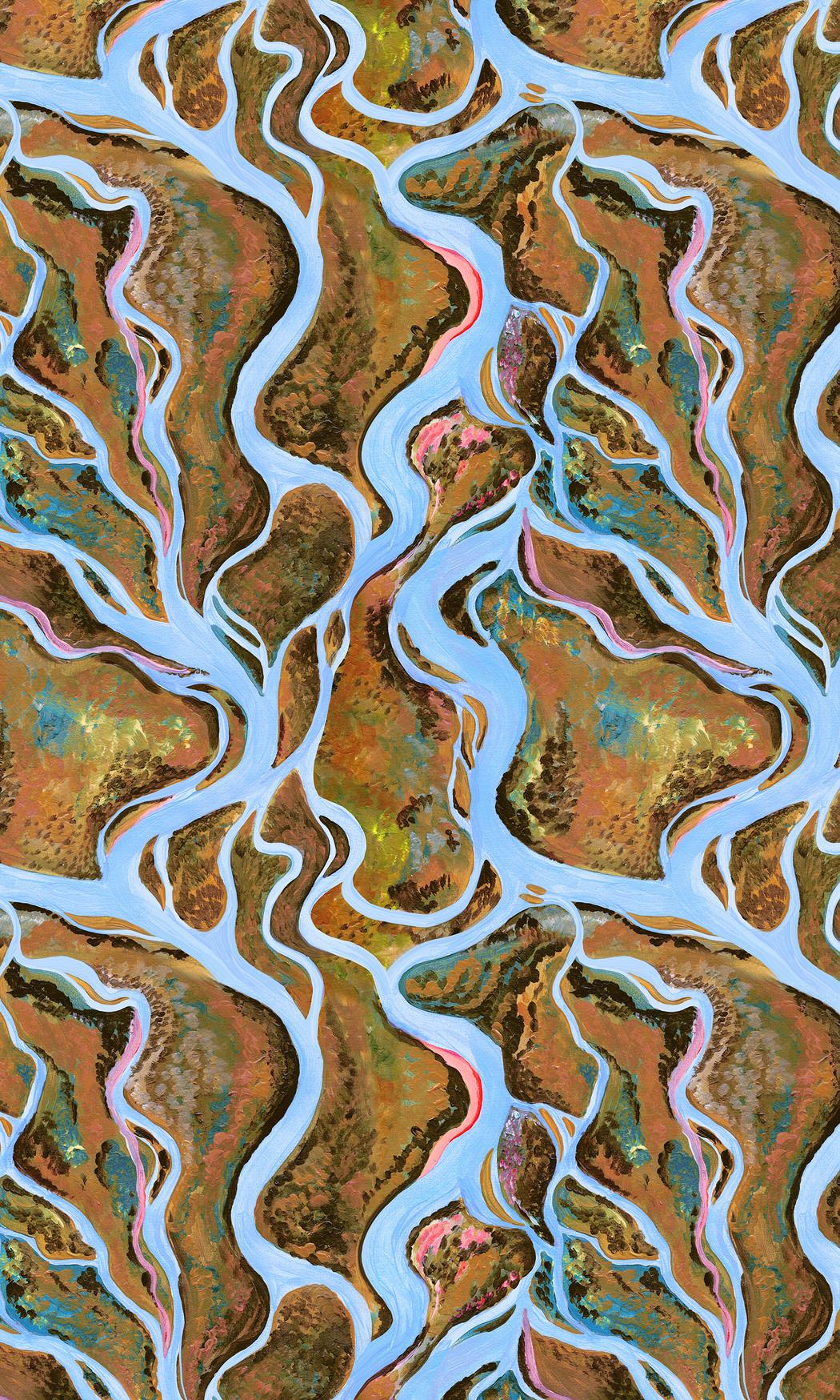 Simona Di Pietro | Converge
You describe your current practice as more mature and conscious. What does “conscious design” mean to you today, both ethically and creatively?
Conscious design today means creating with purpose and awareness. My work aims to bring the beauty of nature into everyday life, offering moments of reflection and connection, while carrying my personal interpretation and identity. Creatively, it pushes me to follow my own vision rather than trends.
Ethically, it guides the collaborations I choose: I aim to collaborate with brands and people who share a sustainable, thoughtful approach to materials and production. It’s about making choices that honor the planet and nurture authenticity, while keeping my work unique, meaningful, and connected to the natural world that inspired me.
Leave a Reply
You must be logged in to post a comment.