
Daniel Chek-Shu Housley
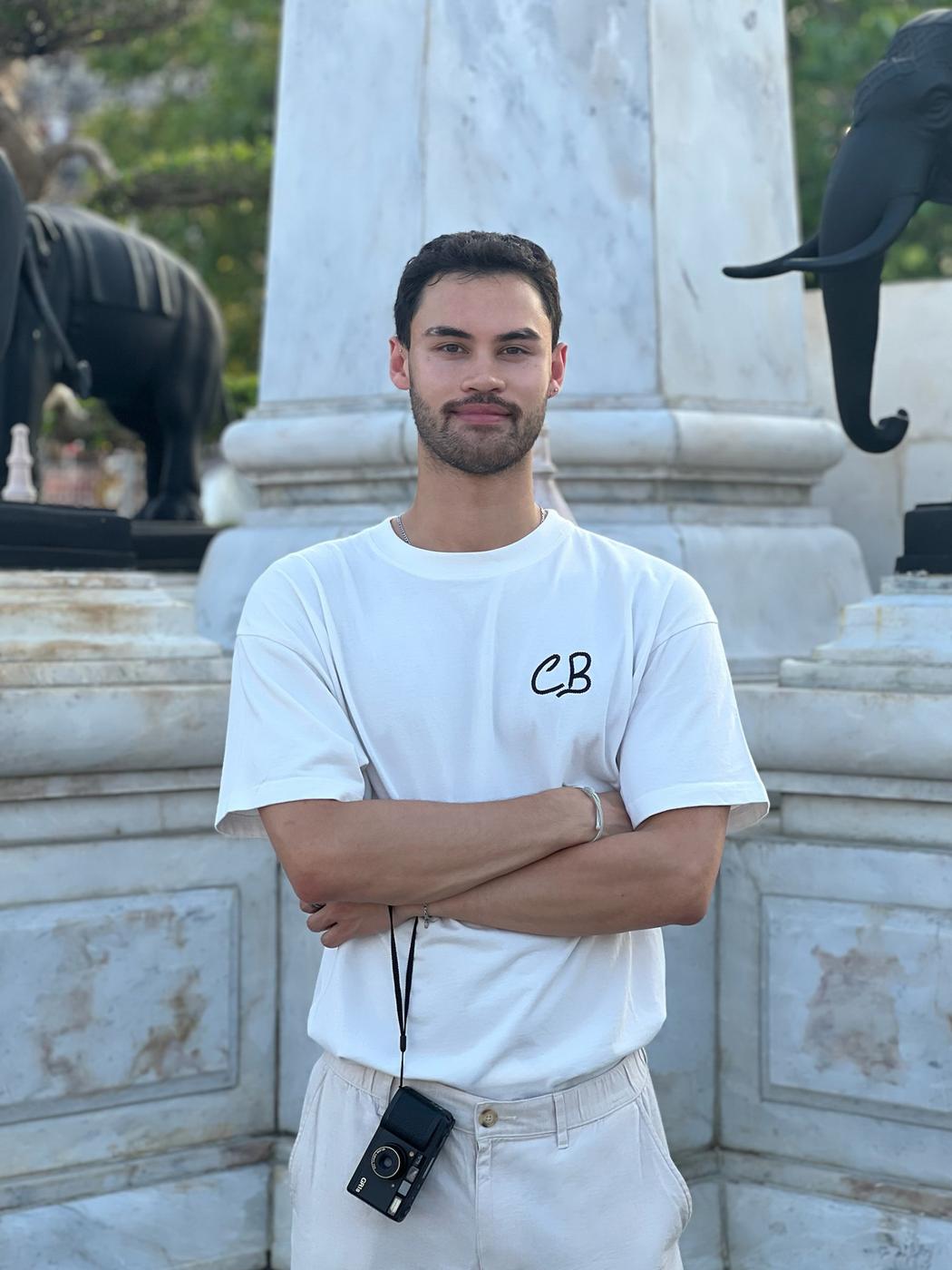
Your portraits often sit between observation and performance. How do you decide where reality ends and construction begins in a particular image?
I don’t usually think about it in fixed terms while shooting. I tend to start with observation, spending time with someone and noticing how they hold themselves, how they move, what feels natural to them. From there, small decisions are made instinctively, often around light, framing, or stillness.
The construction comes in quietly. It’s less about inventing something and more about creating the conditions for something honest to surface. If an image feels too performative, I usually pull back. If it feels too casual, I might introduce a small amount of structure.
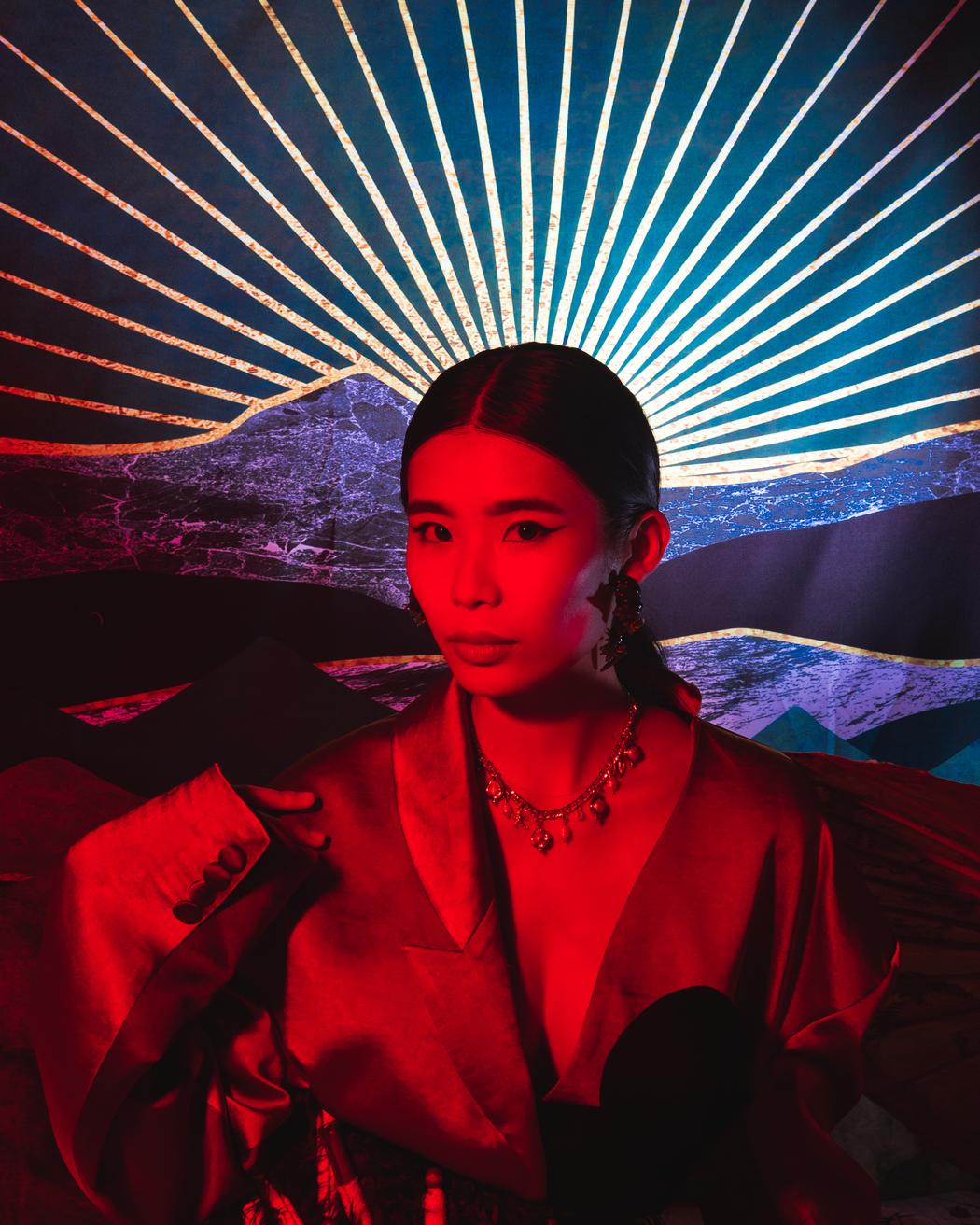 Daniel Chek-Shu Housley | Diaspora | 2021
Many of your works feel quiet yet highly charged emotionally. What role does stillness play in how you approach portraiture?
Stillness gives space for attention. When things slow down, small gestures and expressions become more visible, both to me and to the person being photographed. I’m not very interested in capturing peak moments or overt drama.
Emotion, for me, often sits in what isn’t happening. I find that a held breath, a pause, or the absence of movement can feel more truthful than something expressive or loud.
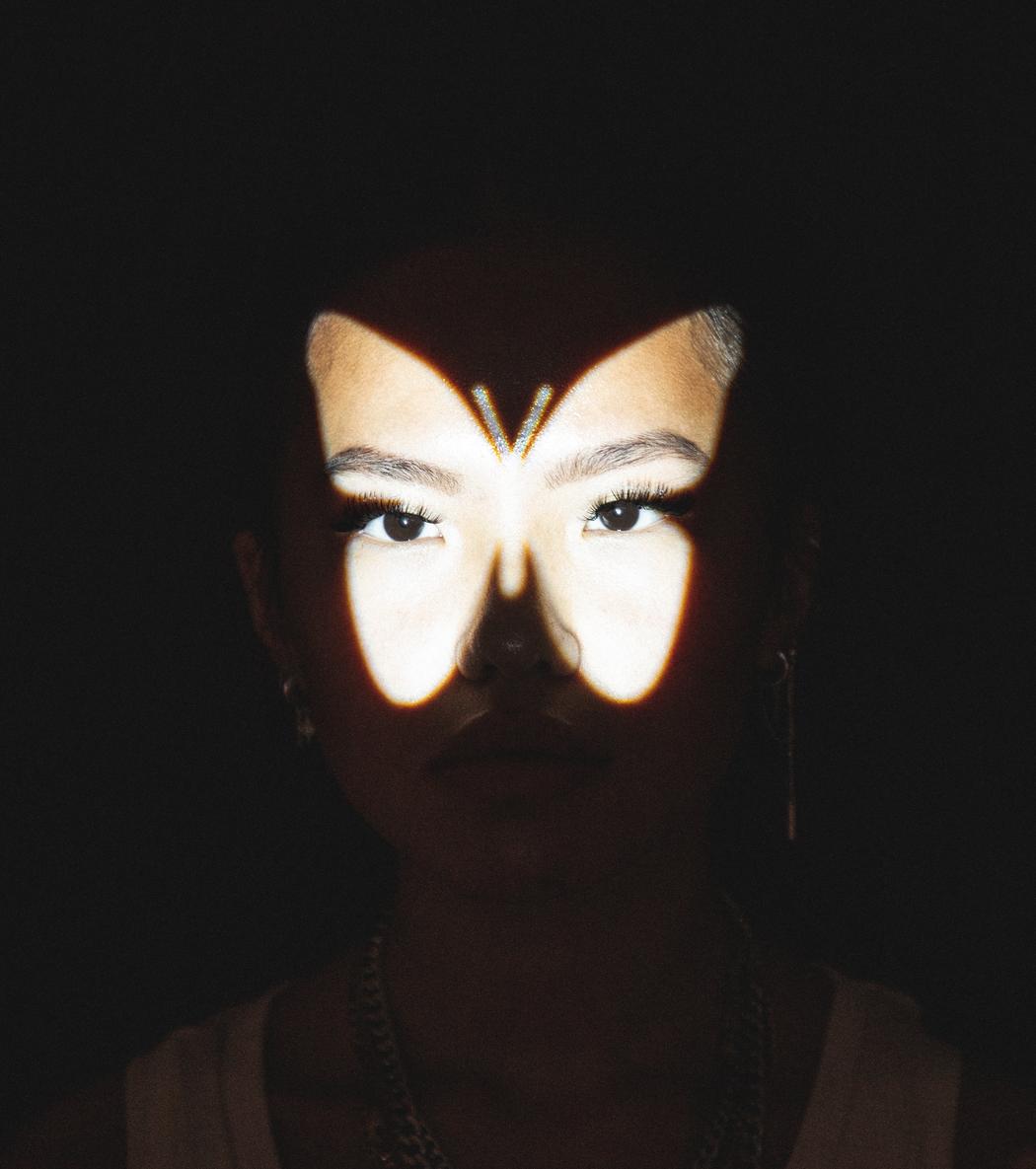 Daniel Chek-Shu Housley | Farfalla | 2021
You work between the UK and Hong Kong. How does moving between these cultural contexts shape the way you think about identity and belonging?
Moving between the UK and Hong Kong has made me more aware of how fluid identity is. I often feel slightly out of place in both contexts, which has shaped how I look at others and how I photograph them.
That in-between feeling has become part of my work. I’m drawn to people who occupy multiple worlds at once, culturally or emotionally, and portraiture feels like a way to sit with that complexity rather than resolve it.
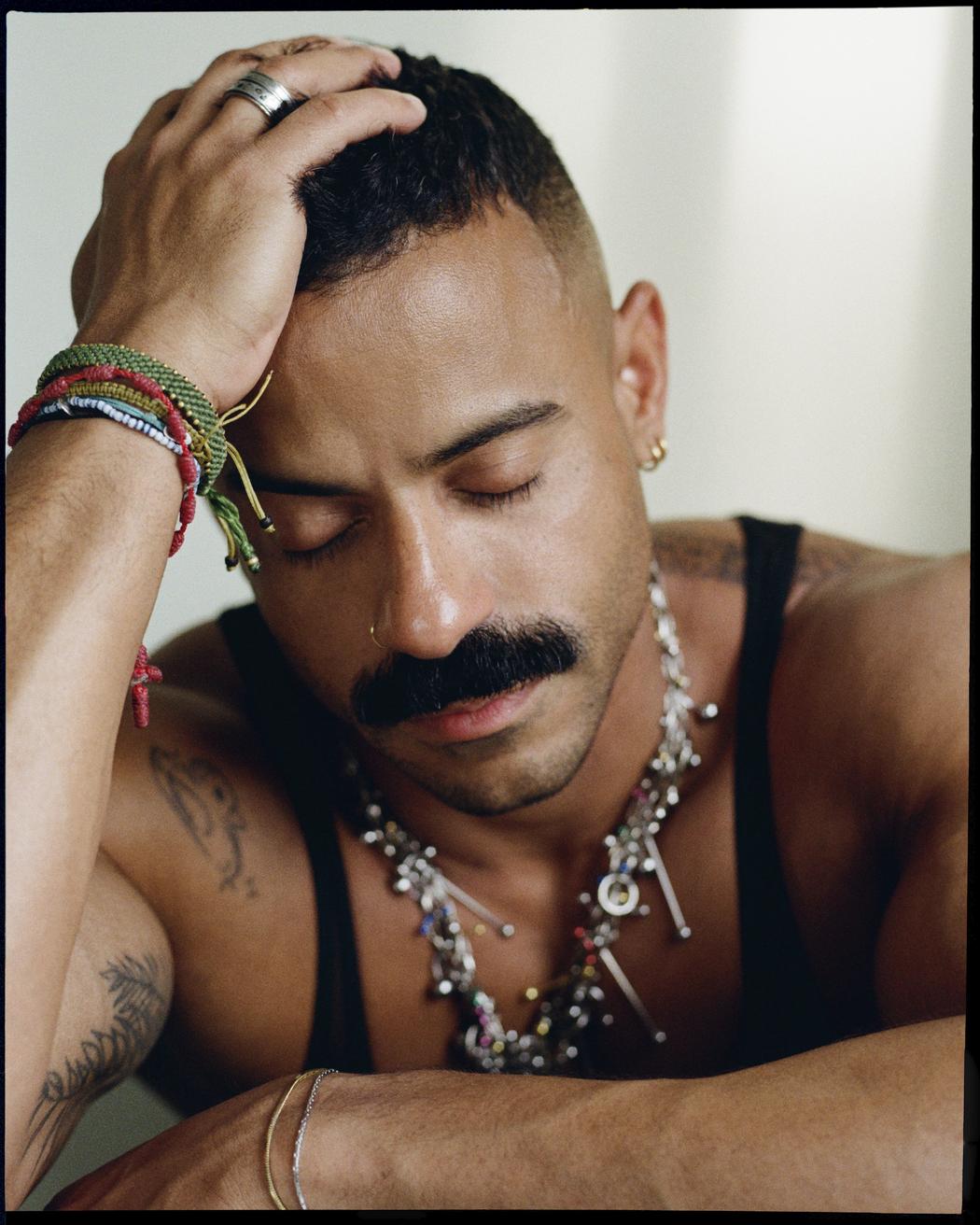 Daniel Chek-Shu Housley | Home With José | 2025
Light and colour function in your images as emotional tools rather than decorative elements. How do you develop a visual language for emotions that are difficult to name?
Light and colour are decisions I make in response to the person and the space rather than something I pre-plan in a rigid way. I’m attentive to how a particular quality of light or a certain colour shifts the emotional weight of an image, and I work with that in the moment.
I’m less interested in colour as theory and more interested in atmosphere. Light and colour allow me to suggest emotional states quietly, without needing to define them or reduce them to language.
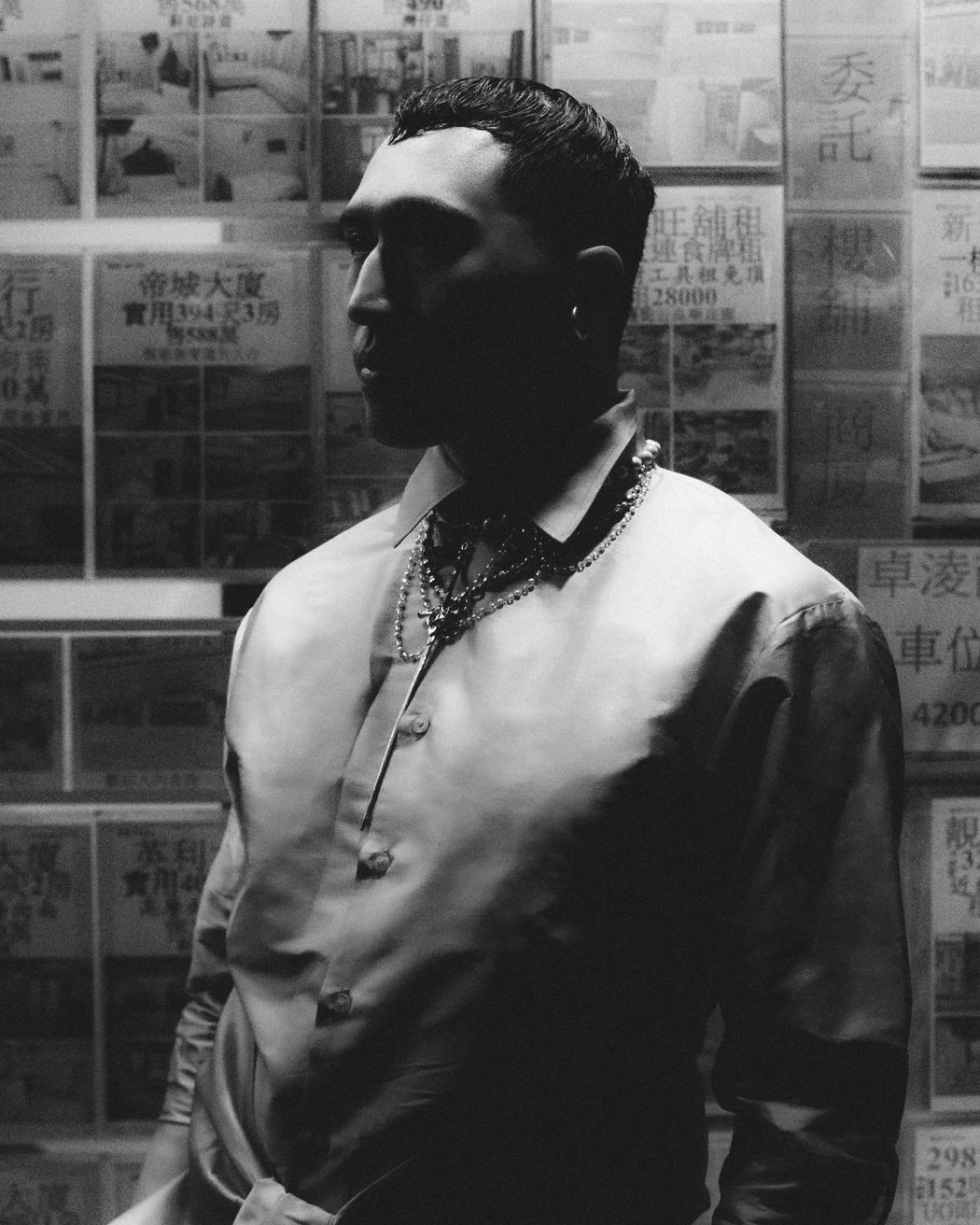 Daniel Chek-Shu Housley | In Causeway Light | 2024
Several of your portraits suggest intimacy and trust between you and the subject. How do you build collaboration with the people you photograph?
Time and honesty are important. I try to be clear about why I want to photograph someone and how the image might be used. I also leave space for conversation and silence rather than filling every moment.
I don’t see portraiture as something done to someone. It works best when it feels collaborative, when the person being photographed feels seen and respected rather than directed.
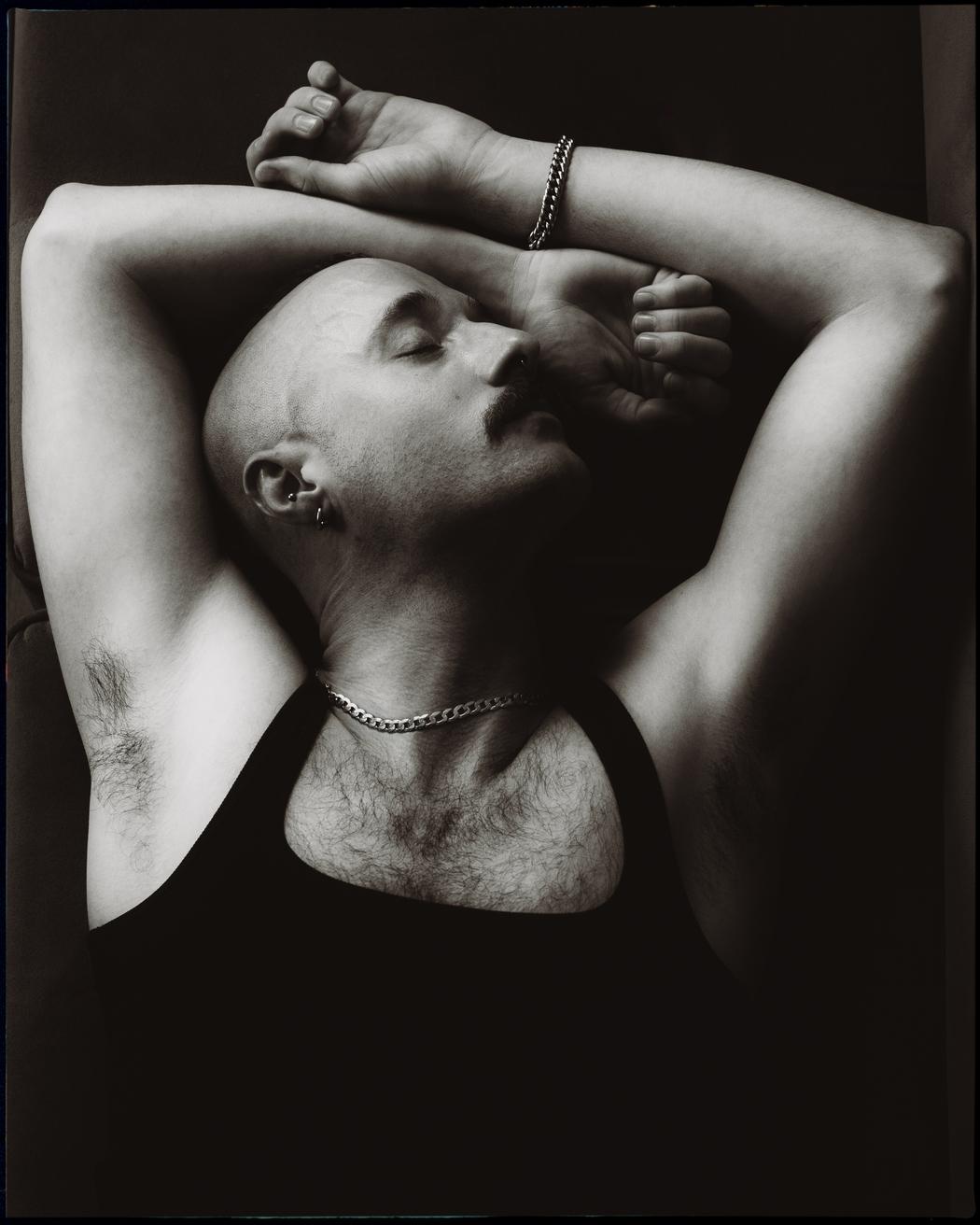 Daniel Chek-Shu Housley | Settling In | 2025
Your work often resists clear storytelling and explanation. What do you hope viewers bring into the image themselves?
I hope viewers bring their own experiences and emotional references. I’m not trying to guide them toward a specific narrative or conclusion.
If an image leaves space for uncertainty or reflection, I see that as a strength. I’m more interested in images that linger rather than explain themselves immediately.
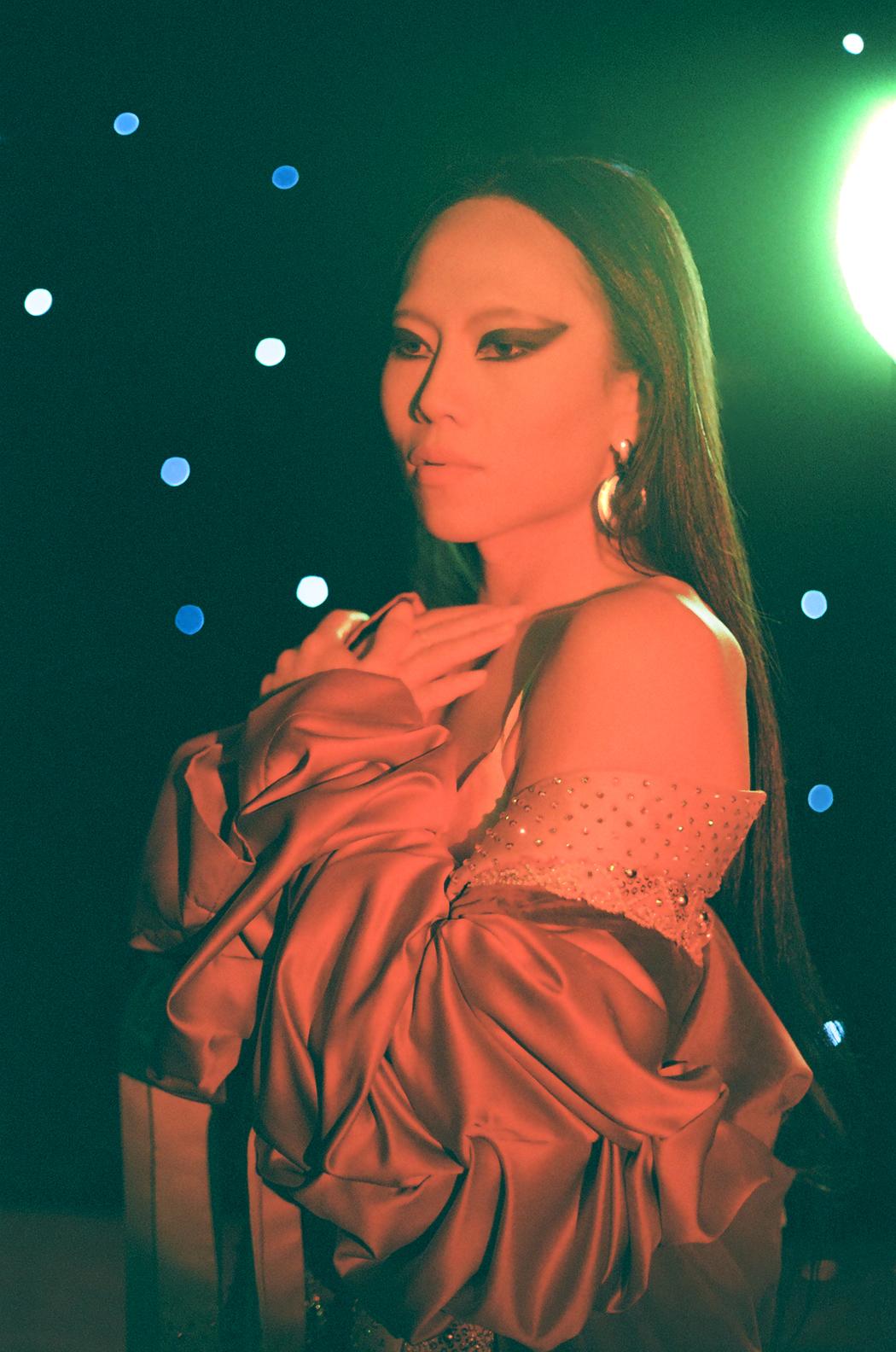 Daniel Chek-Shu Housley | Le Fil | 2023
How do your long-term personal projects differ from commissioned work, both creatively and emotionally?
Personal projects tend to move more slowly and are driven by curiosity rather than outcomes. They allow me to sit with uncertainty and return to the same questions over time.
Commissioned work has its own energy and clarity, which I enjoy, but personal projects are where I process ideas more quietly and intuitively. The two inform each other, but they feel emotionally different.
Leave a Reply
You must be logged in to post a comment.