
Annie RC
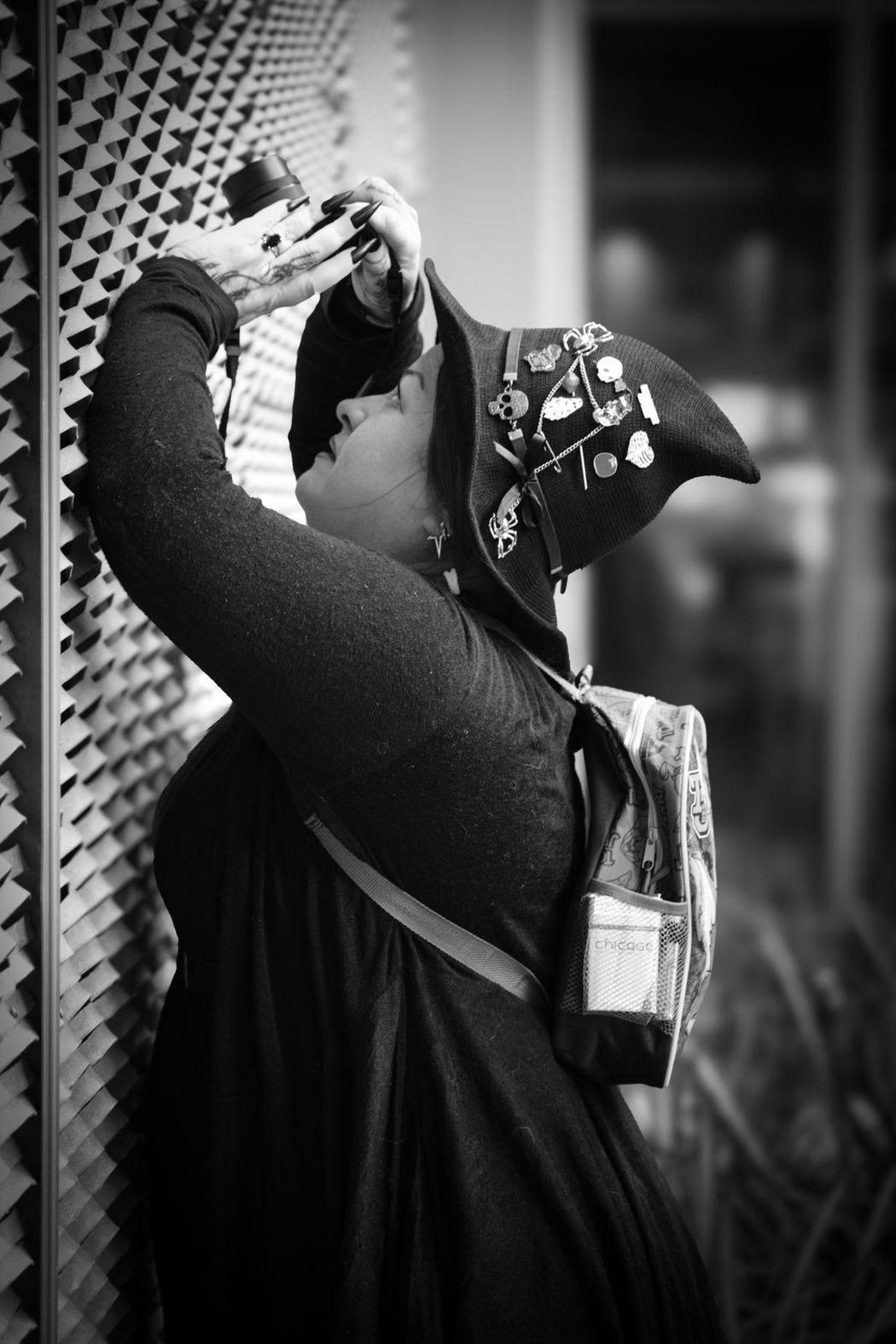
How did your background as a chef shape the way you approach photography today?
One of the first things you learn when working in the food industry is that people eat with their eyes first. How food or a plate is presented to a guest often determines their experience – a beautiful plate will automatically taste better than a dull, uninteresting one. The same can be said of photography. The aim is that at first glance a photo must draw you in, either a striking subject or something else that peaks your interest to look deeper, further, more intimately at the picture as a whole.
What was the moment or experience in the community photography programme that made you fall in love with black-and-white photography?
During the orientation on the first day we were told that we would be shooting only in black and white for the entire workshop and I was slightly disappointed. By the end of that same day, I realised that shooting in black and white drove us to look deeper when taking photographs.
When you remove colour, light and shadow take center stage, and viewers aren’t distracted by the “real” colours of things. It highlights mood and atmosphere: As an example, high-contrast lighting can create drama or tension, while soft gray tones can feel nostalgic or poignant. Black and white photography places emphasis on emotion and timelessness. By stripping away colour, monochrome photography removes distracting elements and focuses the viewer on the raw emotion, expressions, and connection within the image.
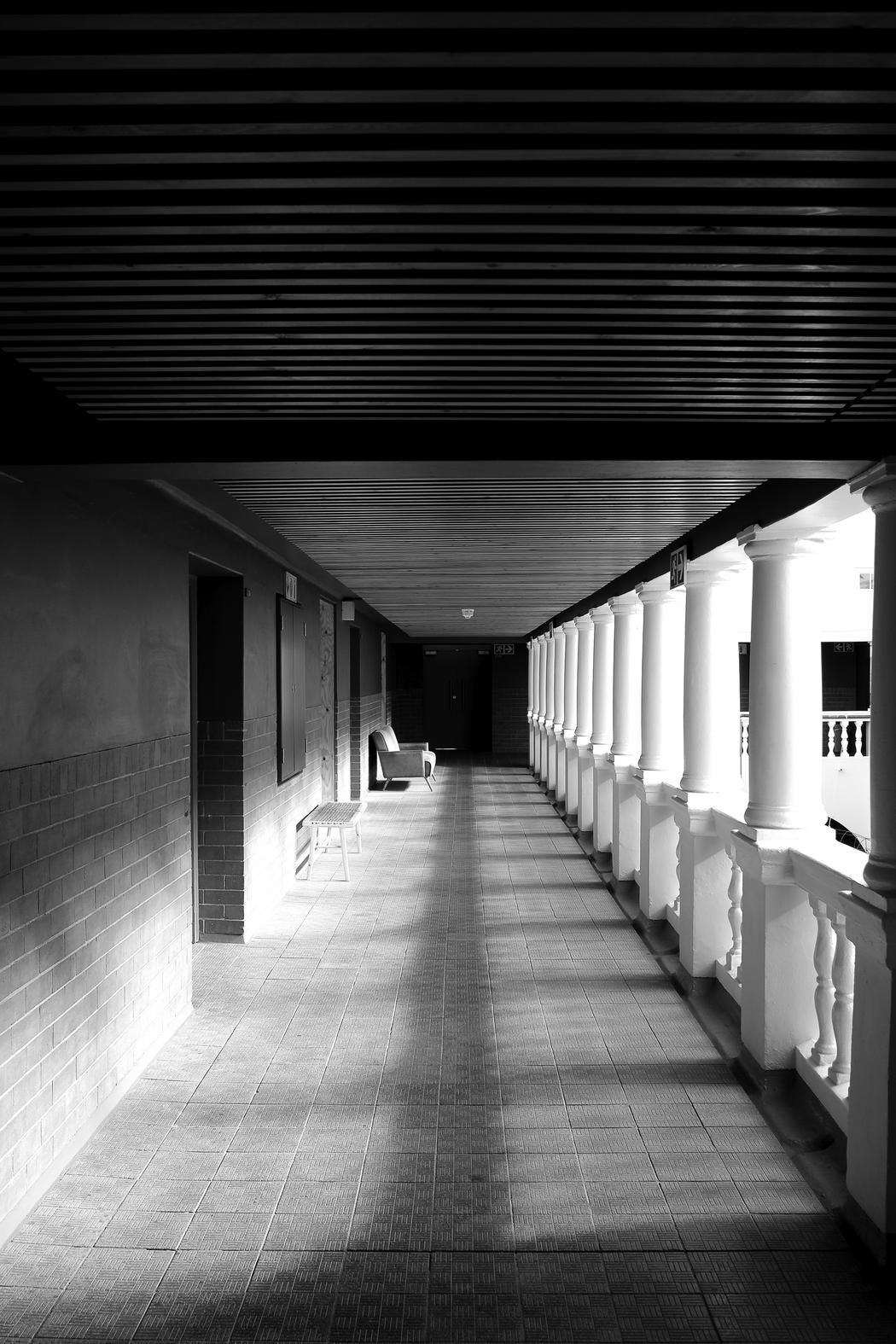 Annie RC | Tunnel Vision
Your images often focus on quiet corners, textures, and overlooked details. What draws you to these “forgotten places”?
The mere fact that they are overlooked. Many photographers focus on the obvious, the every day, the blazingly colourful. I want to focus on the details that people miss, the dismissed corners and objects. The disheveled, the broken and the hidden have such beautiful stories to tell, if you only stop to listen.
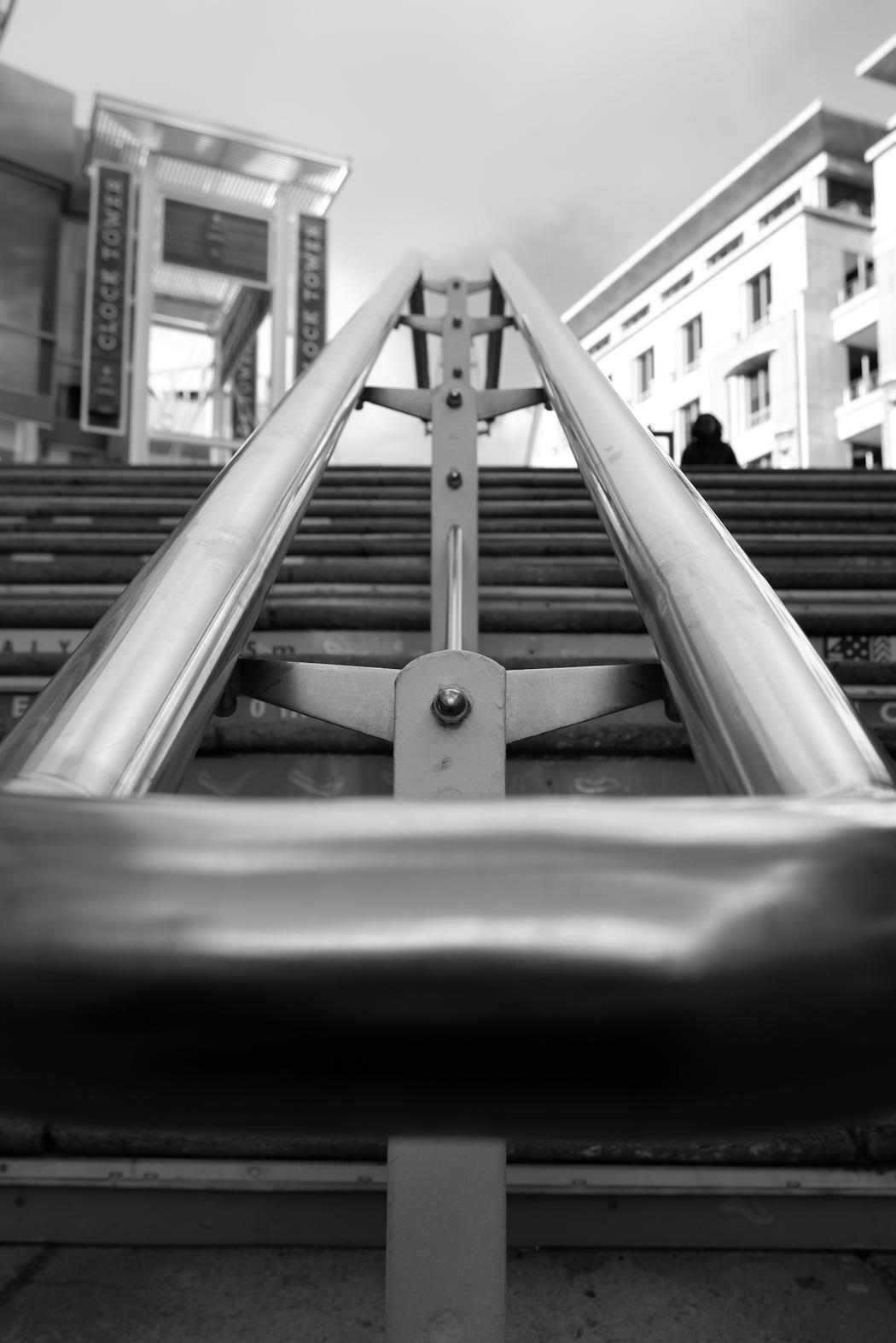 Annie RC | Stainless Loop
How do you decide which scenes work best in black and white rather than in colour?
Shadows and light often determine if I feature a photograph in black and white. Striking contrasts are so much more clear when shadows highlight subjects, strips of light enhancing details, intricate textures reveal themselves when colours are removed. There is also a deep knowing and resonance when taking a particular picture that it should be monochrome.
Many of your photographs feel cinematic and atmospheric. Are you inspired by film or any particular visual artists?
I’m definitely inspired by old cinema, the way a picture can tell an entire story really aligns with me. Also the current trend of abandoned places / urban exploring really influences my eye when I look at my surroundings, finding abandoned and forgotten nooks and corners to show that even in decay there is beauty.
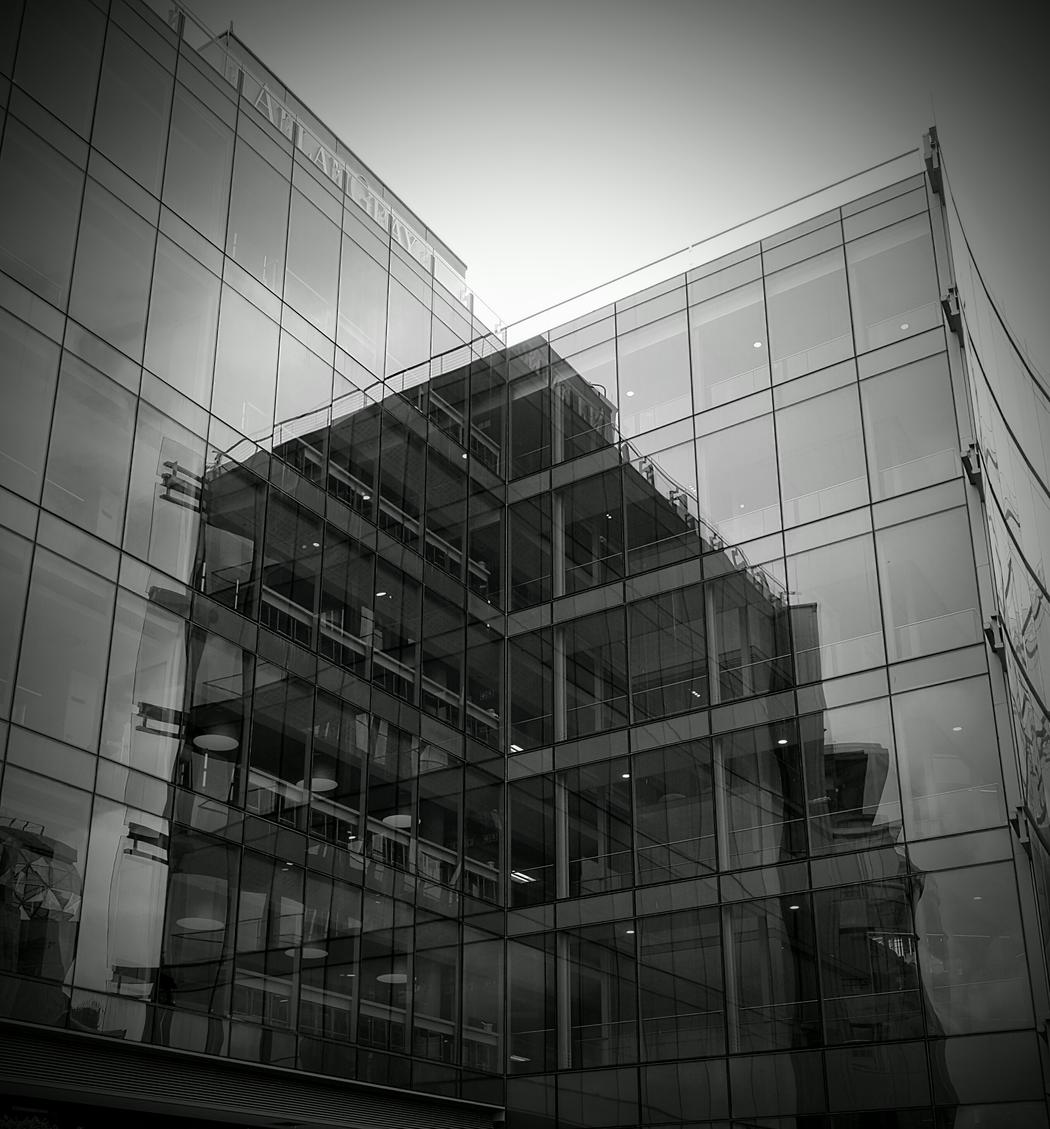 Annie RC | Mirror Image
Is there a particular location in Cape Town that you find yourself returning to again and again for inspiration?
There is a strip of smaller fishing coastal towns along the south coast that I am constantly drawn to. Kalk bay in particular has a small harbour where mostly independent commercial fisherman dock their boats. The diverse community and the natural scenery pulls me back over and over.
I’m also drawn to the inner city streets with it’s vibrant communities. Cape Town has a rich and complex history with many surviving historical buildings, that are still in daily use, dating back to the 1700’s and 1800’s. This makes for amazing architectural photography and capturing changes and symbiotic relationships between old and new, historic and current.
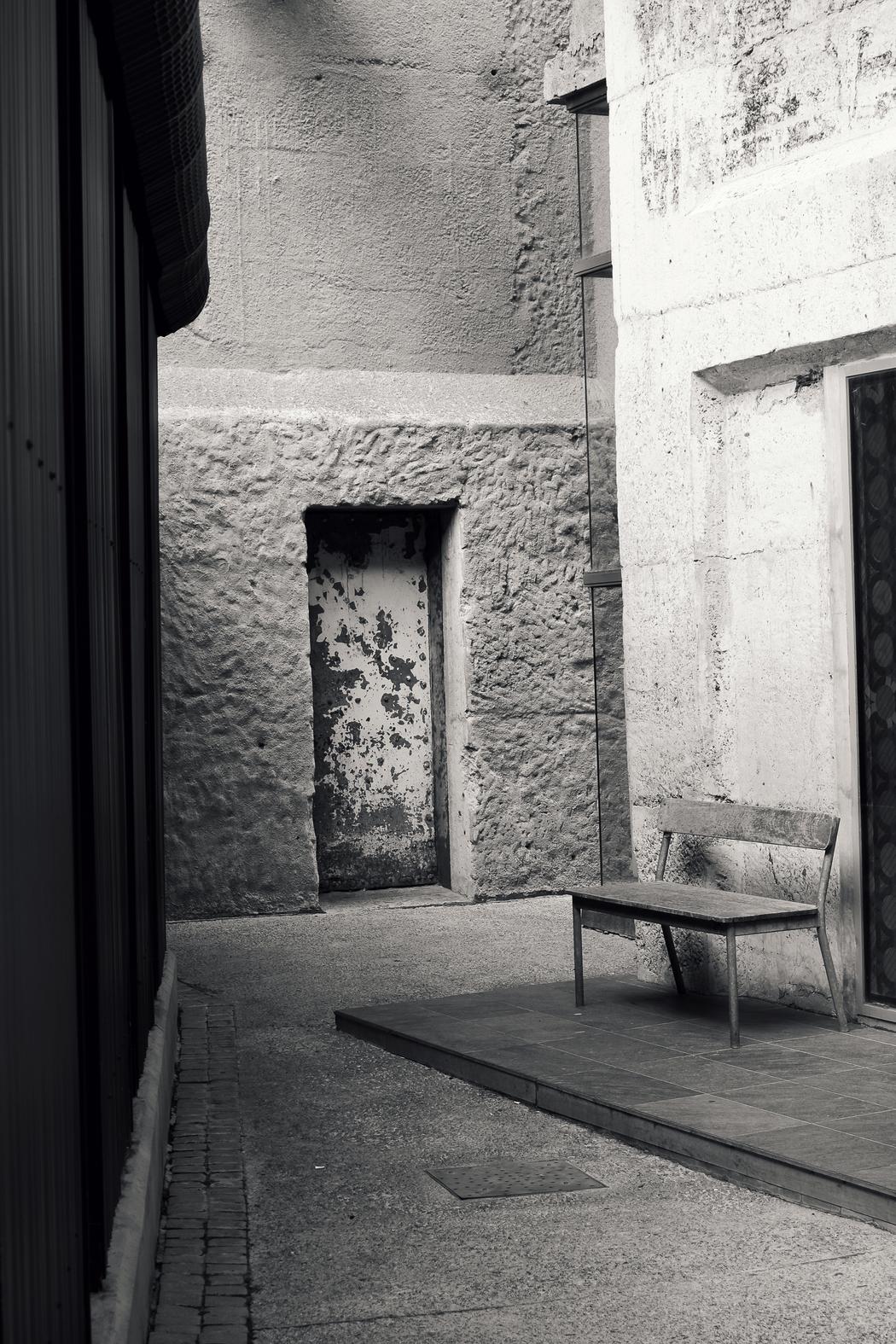 Annie RC | Hidden Corridor Corners
What emotions or thoughts do you hope viewers experience when looking at your work?
The emotions a photograph evokes are subjective and vary depending on the viewer’s own experiences. As the photographer, I want to invite viewers to connect with a captured moment, but I cannot dictate their exact response. However, by capturing hidden corners, objects or often missed scenes I want to encourage viewers to stop, think, experience, as to intentionally guide their reaction through my artistic choices. Ultimately, I want viewers to see the world through my unique lens. My photography reflects my perspective and my thoughts about the scene. If you can make viewers feel something—anything at all—then you have successfully moved beyond simply documenting a moment and have given the image an emotional weight and purpose.
Leave a Reply
You must be logged in to post a comment.