
Thomas Rosen (rsn)
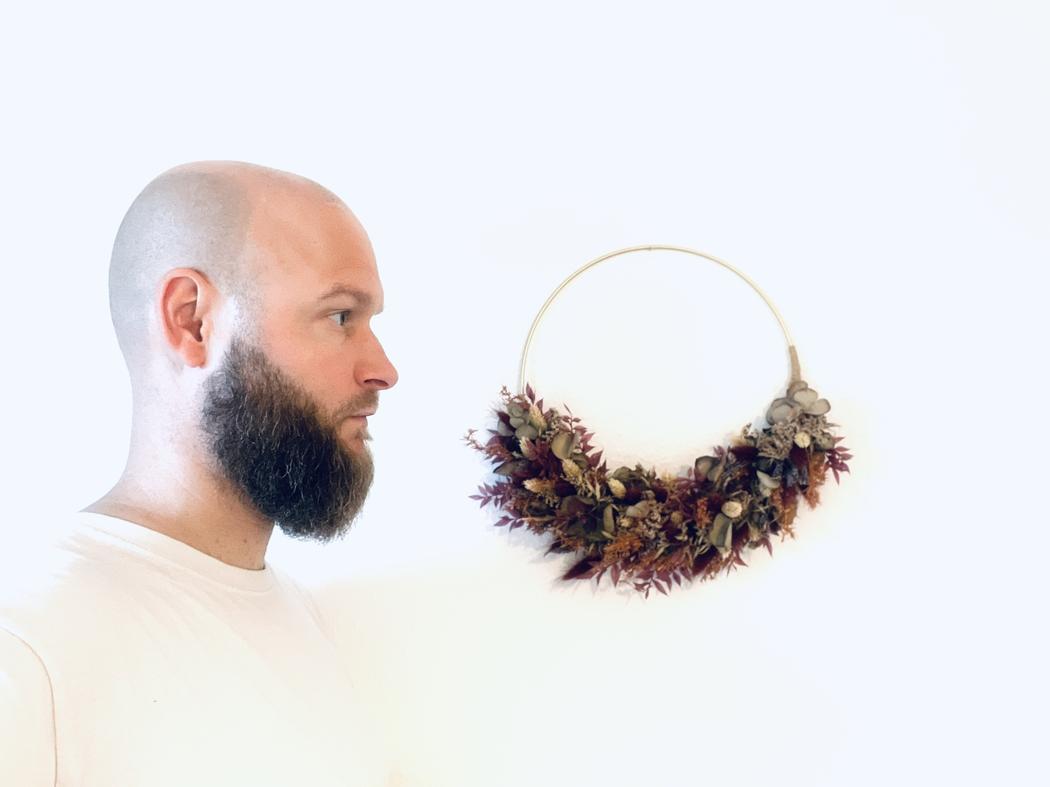
Your work explores how perceptions can be altered. Could you describe a moment when you yourself felt your own perception shift while creating a piece?
This happens quite regularly — both in photography and in music. I find my motifs in everyday life, while I’m out and about. Details, structures, and colors catch my eye, and I mentally detach them from their surroundings to see whether they hold something I want to capture. At that moment, my perception shifts — through detachment, focusing, zooming in. With music, it happens in the flow, while writing or performing. It feels like a blurring and dissolving, as if things slip away and reform into something new.
 Thomas Rosen (rsn) | Flowing & Absorbing cutouts | 2024
Many of your photographs emphasize shapes and colors without referencing external objects. How do you decide when an image is “complete” if there is no subject to guide you?
That’s a very good question, and one I can’t fully explain rationally. It’s an intuitive decision that comes to me when I select the final section of an image. Since my works are not digitally edited, I already know which areas of the original photograph will be cropped out. But the exact frame — what will eventually be printed and exhibited — is decided spontaneously and entirely by feeling.
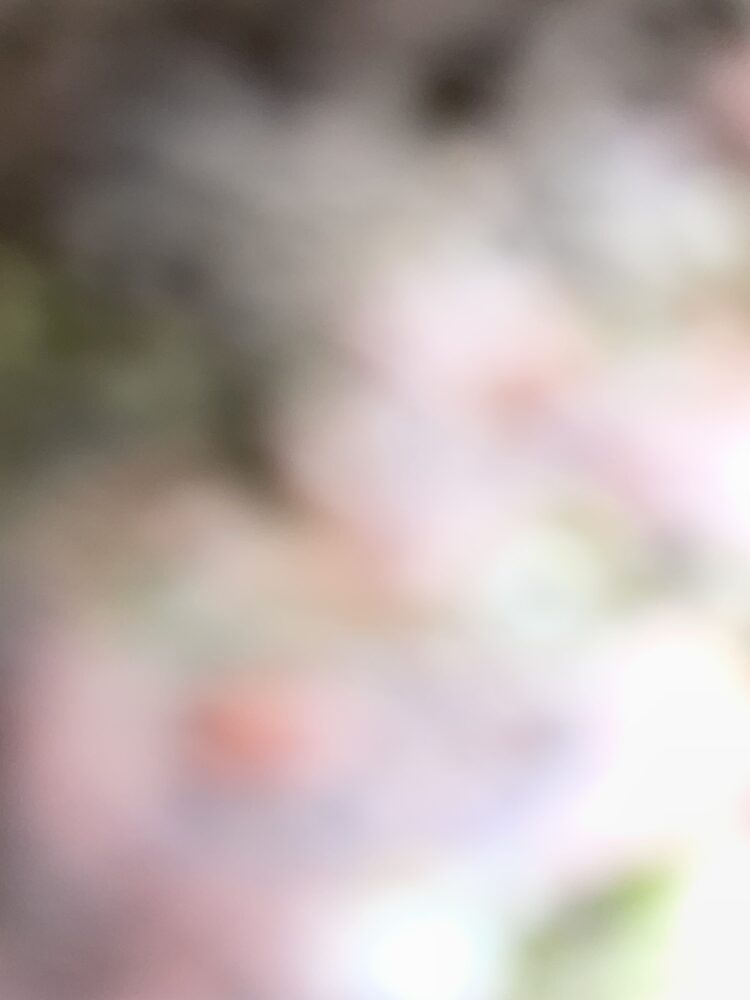 Thomas Rosen (rsn) | Flowing & Absorbing cutouts | 2024
The series flowing & absorbing cutouts blurs color structures and contours. What sparked this idea of blurring as both an aesthetic and philosophical gesture?
My artistic roots lie in music — a broad field where I’ve explored many genres. Since turning toward drone, ambient, and noise, detail has become central to my practice. In both music and visual art, the detail contains the whole, yet also stands independently and reveals a new world. I’m drawn to subtle structures that only reveal themselves through close or repeated attention. Their blending and disappearance create tension and artistic depth. Like in the series mentioned, overlaps and shifting nuances — visible or purely imagined — are also crucial in my music.
Sound is central to rsn. How does working with immersive soundscapes influence your visual compositions — and vice versa?
Even though most works stand on their own, they are closely connected. Both are rooted in immersion. While music and photography are usually created separately, there are moments when the two reference or complement one another — sometimes even intentionally brought into harmony. flowing & absorbing cutouts is a good example of that.
 Thomas Rosen (rsn) | Flowing & Absorbing cutouts | 2024
You have experience with collaborative music projects like [ B O L T ]. What freedoms or challenges do you find in creating solo work under rsn compared to band projects?
I’ve spent most of my artistic life working in collectives. I value the exchange and the anticipation of what a group effort will become. Collaboration carries a strong emotional resonance for me. At the same time, some ideas demand to surface as solo work. The challenge is that on stage you have no backup — you’re fully responsible and can’t allow yourself to step back. But that vulnerability also opens possibilities, pushing you to stay present in the moment. I don’t enjoy being the center of attention — that’s an advantage of group projects. But when a solo work or exhibition is necessary, I have no choice but to take that position. What concerns me is when the focus shifts from the work to the artist as a persona. My art should speak independently — the ego gets in the way of immersion.
Your process seems to invite accidents and chance. Could you share a moment when an unexpected technical “mistake” led to a breakthrough?
This happens all the time in music, because I use a variety of effects whose interactions can’t be fully predicted or controlled. Coincidence is part of the process — the challenge lies in shaping a complete work that incorporates everything: the mistakes, the environment, and (especially live) the audience’s response. In photography, accidents are more visually striking. For instance, the triptych confused & blurred details #2.1 is the only one of my works whose colors differ from the original. The altered tones came from a misadjusted printer. Yet the result was so expressive that I chose the “mistake” as the final piece.
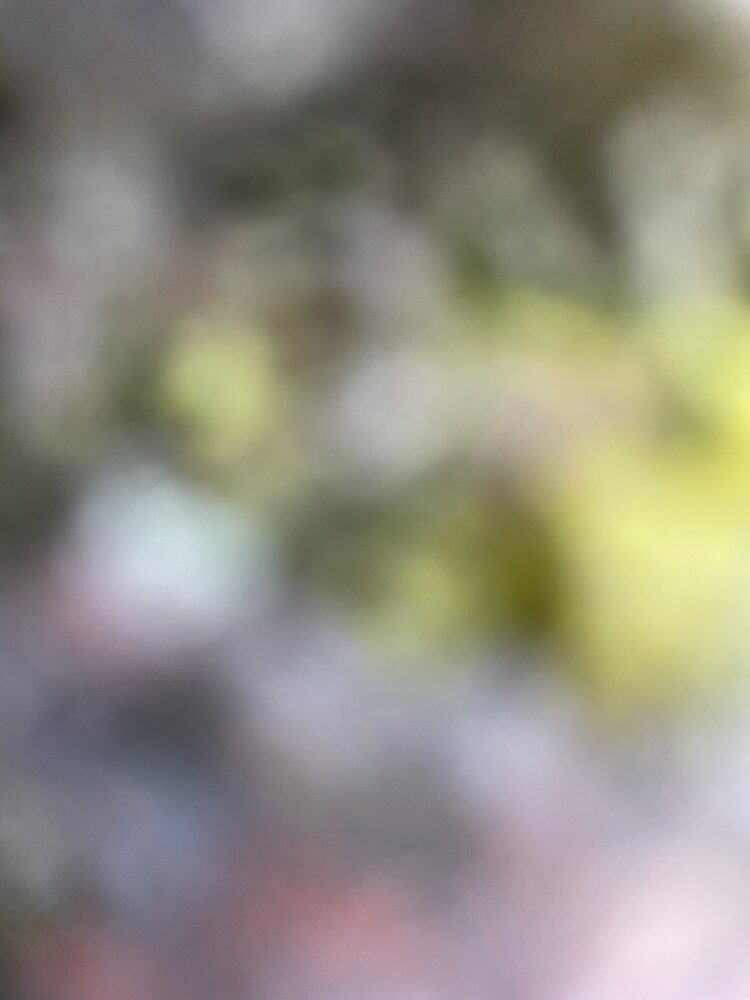 Thomas Rosen (rsn) | Flowing & Absorbing cutouts | 2024
Your exhibitions range from galleries to music venues. How do you adapt installations or presentations for these different contexts?
It’s a small challenge each time — and one I enjoy. I want to create immersive experiences, so I consider how people move through and use a space. Sometimes I activate the entire room; other times I build intimate areas that invite viewers to pause. This applies to both music and photography, since my concerts often take place outside classical music venues. It’s a great artistic challenge — and a privilege — to show my work in unconventional spaces. I hope there is even more potential to explore.
Leave a Reply
You must be logged in to post a comment.