
Robin Steven Moné
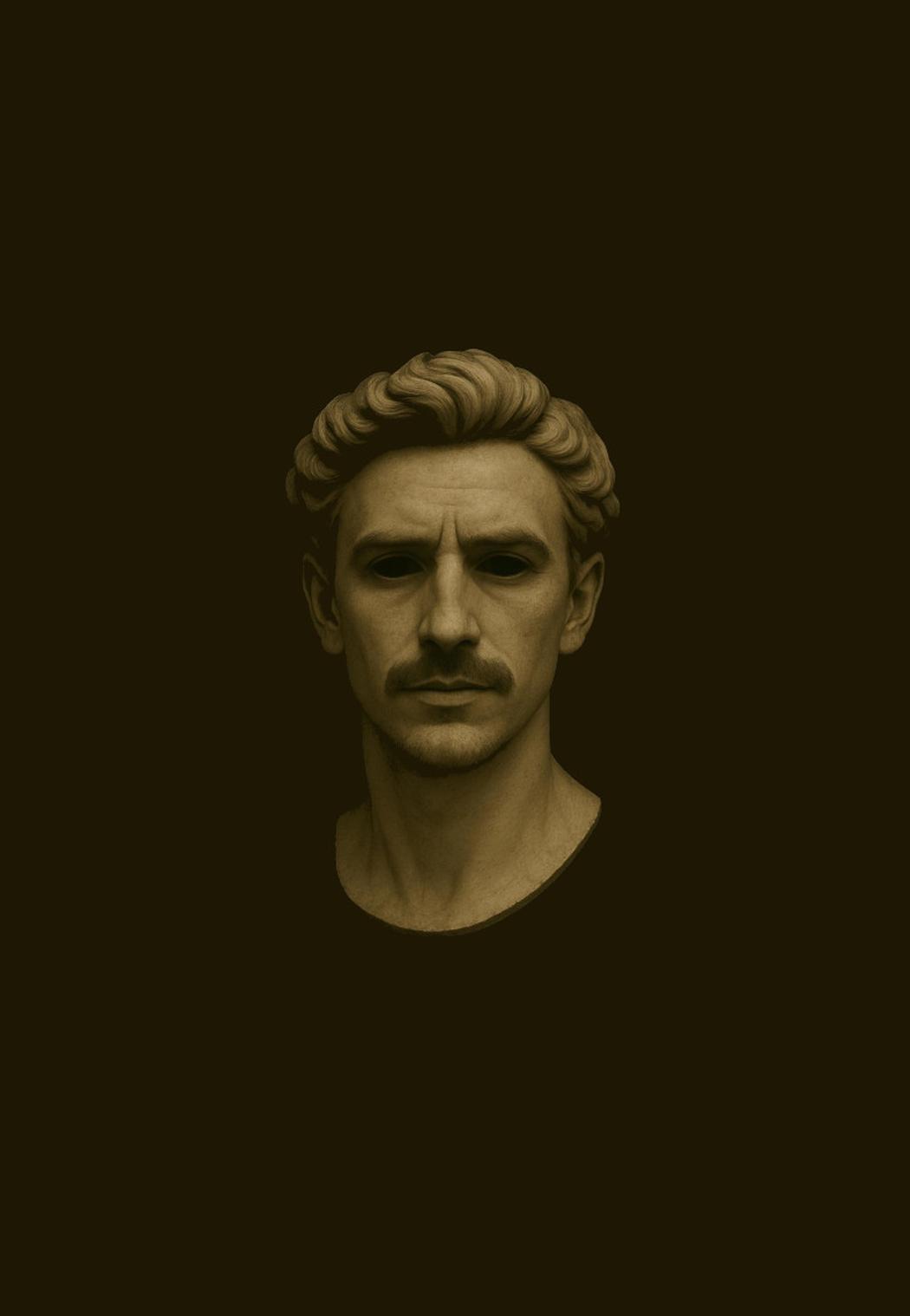
Your statement declares, “These works are not objects. They are wounds.” Can you share a personal memory that shaped this philosophy?
I don’t believe art must be autobiographical to be deeply personal. I’ve made painful experiences, yes – but they are not the source of my work. The source is something more pervasive: the quiet violence of being human. I observe the absurdities, fractures, and blind spots in others – and in myself. What disturbs me is not what happened to me, but what happens constantly, everywhere. My works are wounds not because I was wounded – but because we all are. I’m not interested in telling my story. I’m interested in digging beneath what we’ve agreed to ignore. You could say I’m an archaeologist of silence.
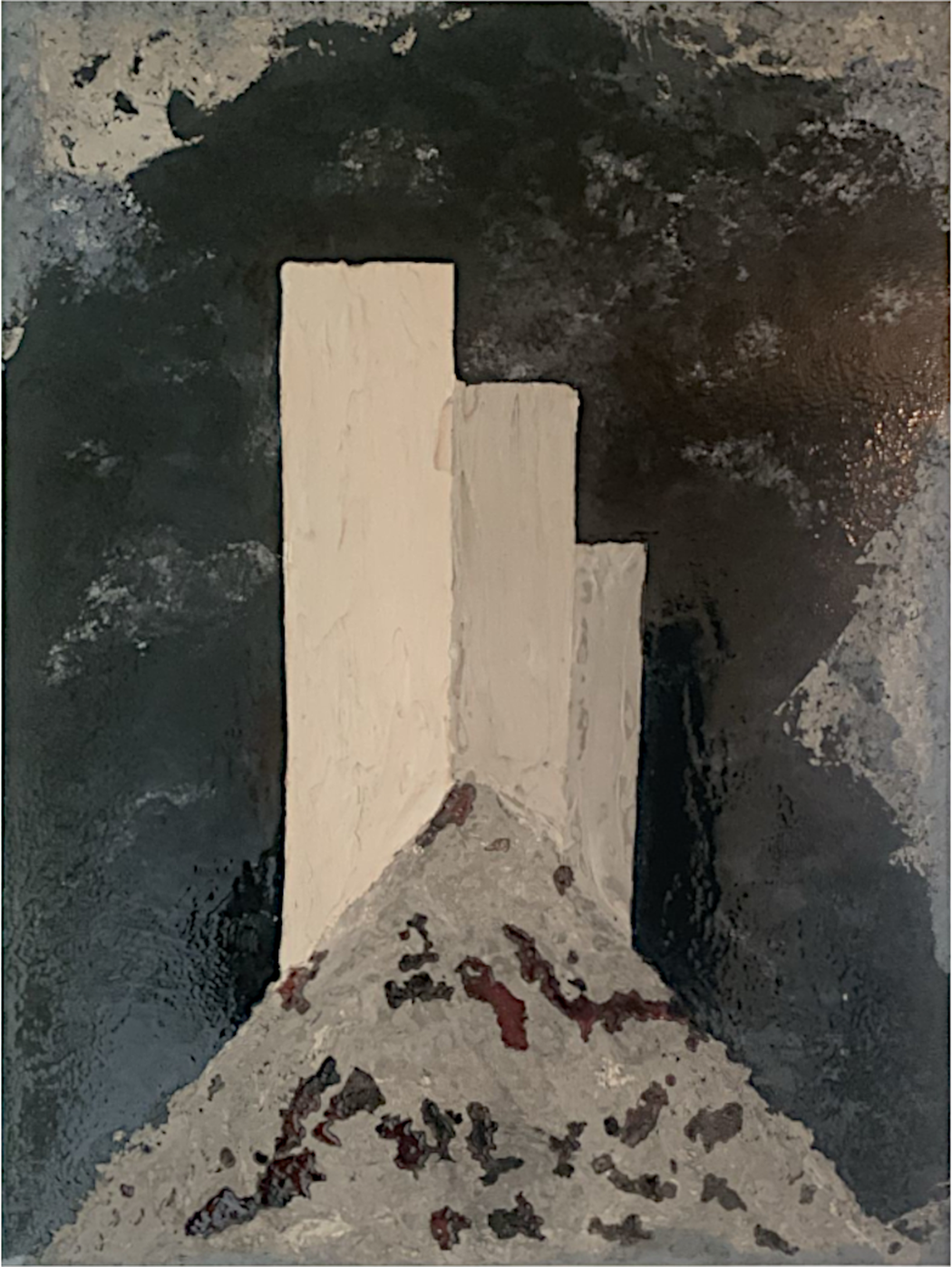 Robin Steven Moné | Absurdity
Much of your art deals with violence and psychological trauma. How do you protect yourself emotionally while creating such intense work?
For me, creating is not an act of catharsis – it’s a process of observation and inscription. I don’t create to process trauma, but to record what I discover. My work is not a therapy, but a form of documentation. I can approach these themes – violence, trauma, existential absurdity – without fear, because I’ve already made peace with the nature of things. I don’t resist uncomfortable truths. I welcome them. The world is fractured, brutal, absurd – and it has always been. But that doesn’t unsettle me. I don’t expect a clean answer from existence. I don’t need meaning to feel alive. My worldview is fluid. It has no fixed doctrine that can be broken. That openness – to every possible answer, even the painful ones – is what shields me. In a way, truth itself is my armor.
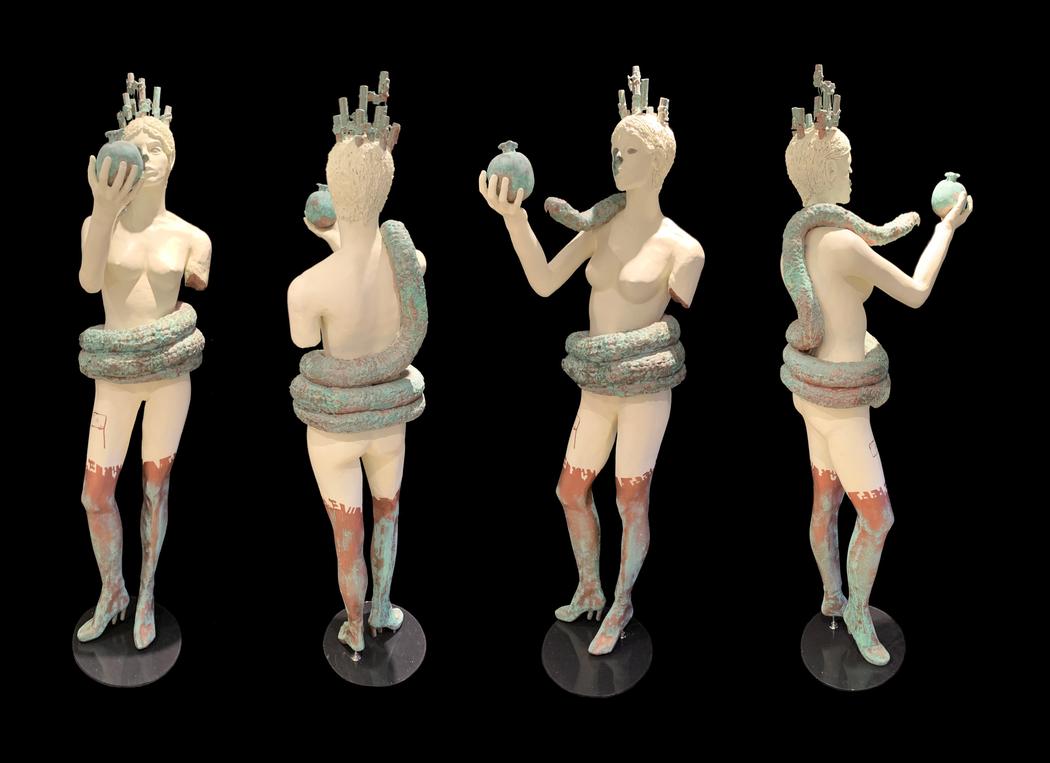 Robin Steven Moné | Eve
You describe art as a mirror many cannot bear to look into. What reactions from viewers have surprised or stayed with you the most?
The most meaningful reactions are rarely loud. Sometimes it’s a long silence. Sometimes it’s someone walking away without a word. I’ve seen people become uneasy – not because the work is violent, but because it feels familiar. I’ve been asked more than once: ‘Why don’t you make something beautiful?’ And that question says a lot. It reveals how uncomfortable people are with what they see – not just in the work, but in themselves. On the other side, I’ve heard things like: ‘These are difficult themes. But there’s something impressive about how far you go.’ That contrast – between evasion and confrontation – stays with me. I don’t aim to provoke, but I don’t soften the mirror either. The work doesn’t ask to be liked. It asks to be faced.
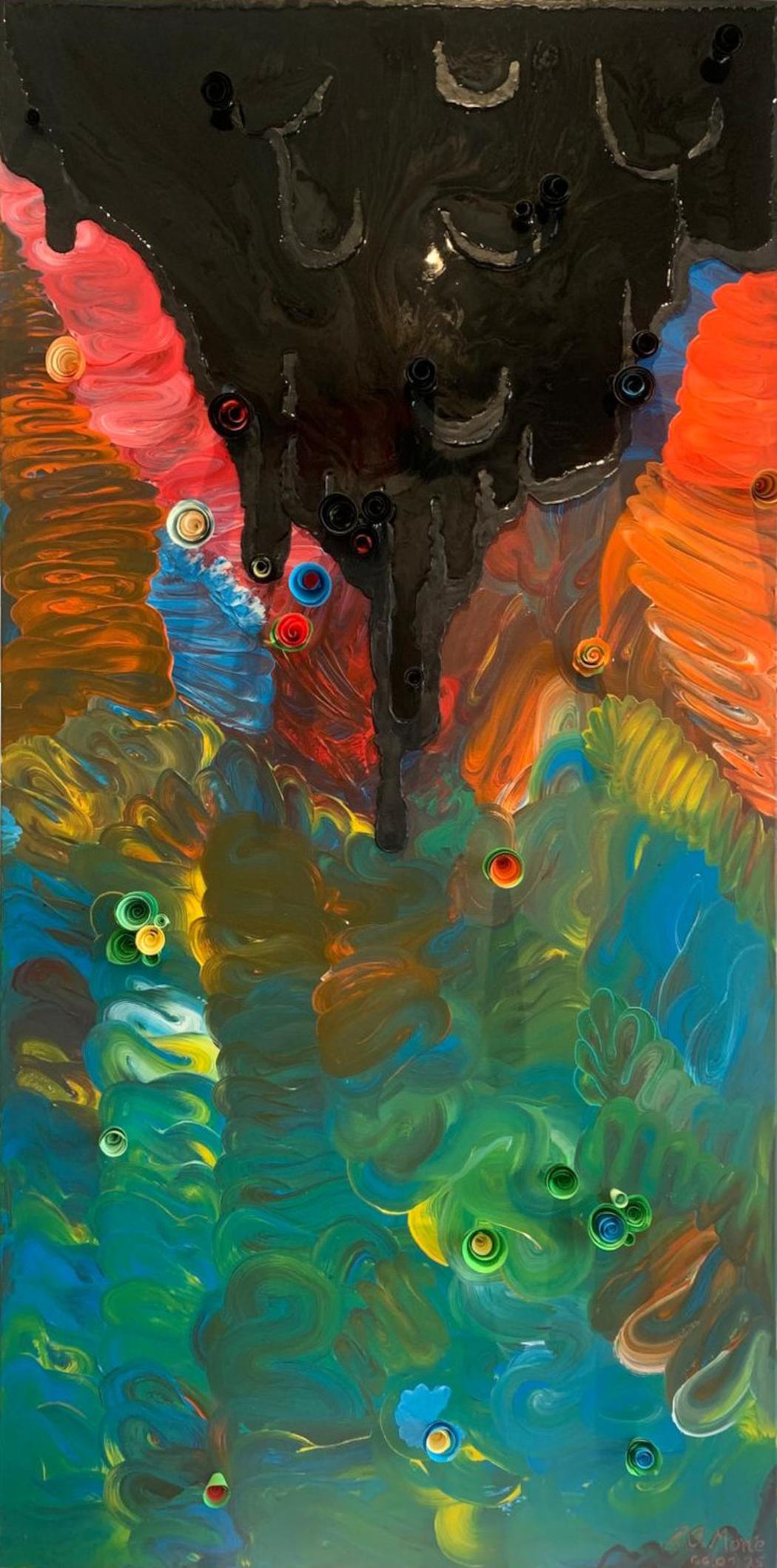 Robin Steven Moné | Corruptions
What challenges have you faced as an artist who refuses to create commercially digestible work?
The biggest challenge is that the world often rewards visibility more than substance. When you don’t create to please, you move slower. People don’t always know where to place you. But that’s a risk I accept. I’m not here to decorate spaces or feed a market. I’m here to confront what we usually avoid. Commercial digestibility was never a goal – not because I’m against success, but because I don’t want to dilute the work to reach it. I believe there’s value in resistance. Even if it means walking alone for a while.
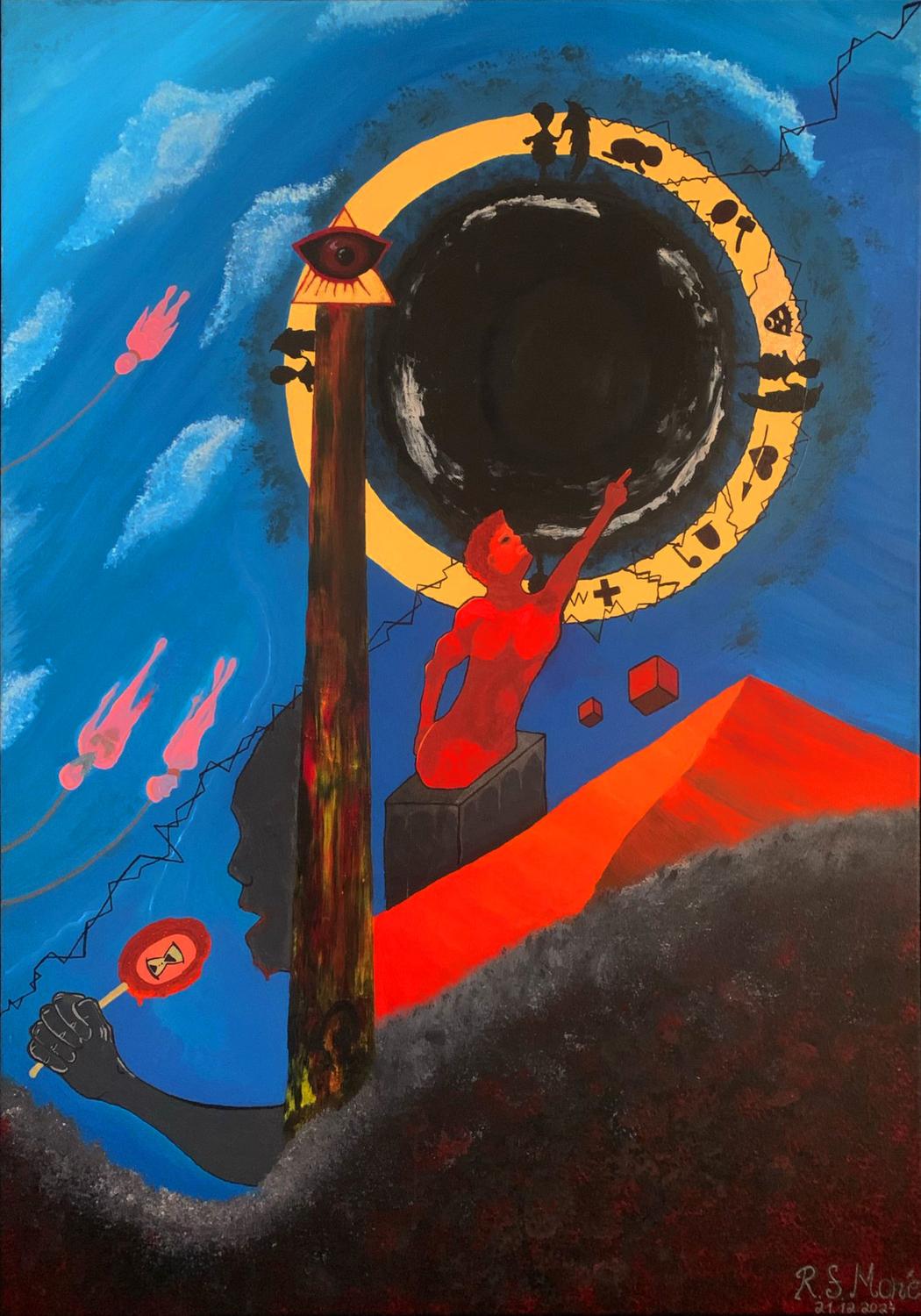 Robin Steven Moné | Last Act Human
How do you want people to feel after confronting one of your pieces—guilty, awakened, empowered, disturbed?
I don’t expect people to feel anything specific. My work is not there to guide or instruct – it reflects. How someone responds says more about their worldview than about the piece itself. If a viewer sees violence and feels confronted, perhaps it’s because that violence is familiar to them – in their actions, in their past, or simply in what they choose to ignore. Someone who has nothing to hide might walk away untouched. Someone who recognizes themselves in the piece might not. That said – I never aim to hurt those who have already been hurt. If someone feels unease because the work touches on something they’ve lived through, I hope they feel seen, not judged. The discomfort I seek is not for the wounded – it’s for the ones who wound.
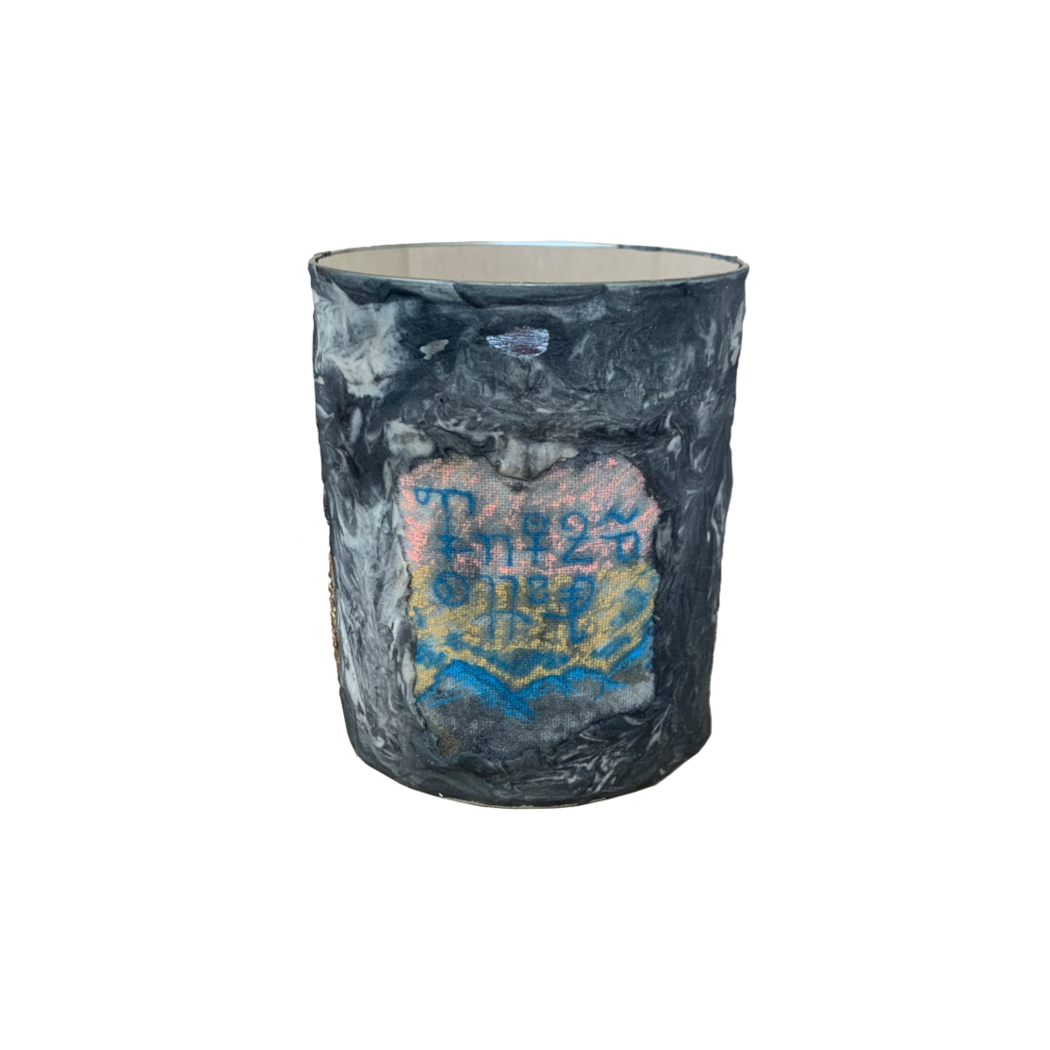 Robin Steven Moné | Relic 001 Shattered Innocence
Do you ever destroy or censor your own pieces when they become too raw or personal?
No – I don’t destroy a work because it’s too raw. That’s exactly the reason I make it. My role as an artist is not to soften reality, but to expose what usually stays hidden. I don’t create to reassure. I create to reveal. Of course, I avoid sensationalism. I’m not interested in shocking for its own sake. But I believe a certain directness – even a level of discomfort – is necessary. Many works I see feel too vague, too neutral, too careful. I think art should dare to say something. Not everything – but something. If I ever destroy an artwork, it’s not because it’s too strong – it’s because it doesn’t speak at all.
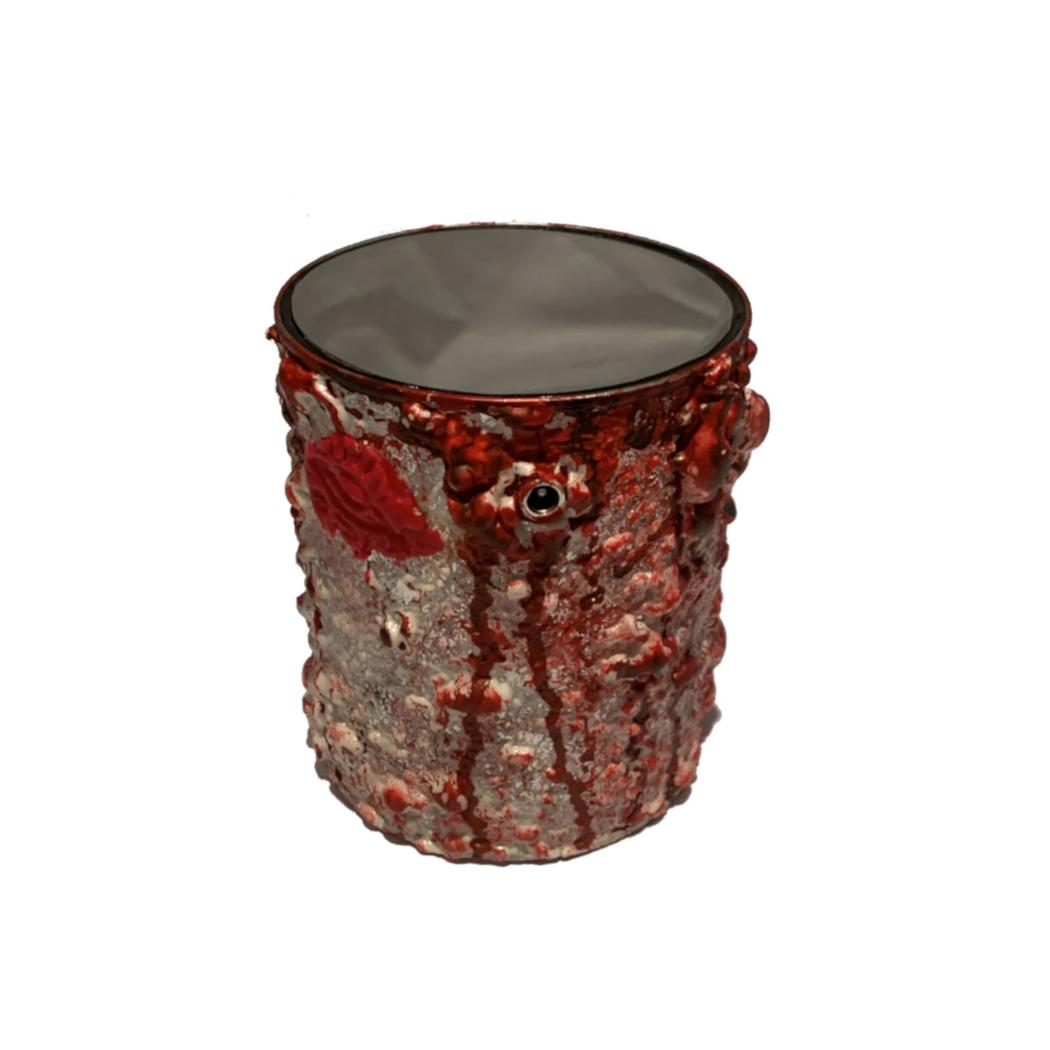 Robin Steven Moné | Relic 003 Bloodletting
What do you hope your legacy will be-not in the art market, but in human memory?
I don’t think much about legacy in institutional terms. The art world has its rhythms – I respect that. But I don’t create for its approval. What matters to me is memory. If someone carries a fragment of my work in their mind – a question, an image, a discomfort they can’t quite name – then something real has happened. I don’t aim to be remembered as a personality. I’d rather be remembered as a presence. Not loudly, not everywhere – but deeply, and in the right minds. I believe the moment an artist starts creating to be accepted by the market, something essential gets lost. Not success – but the core. The work doesn’t have to reach everyone. But when it does reach someone, I want it to stay.
Leave a Reply
You must be logged in to post a comment.