
Melita Nikolaou
practice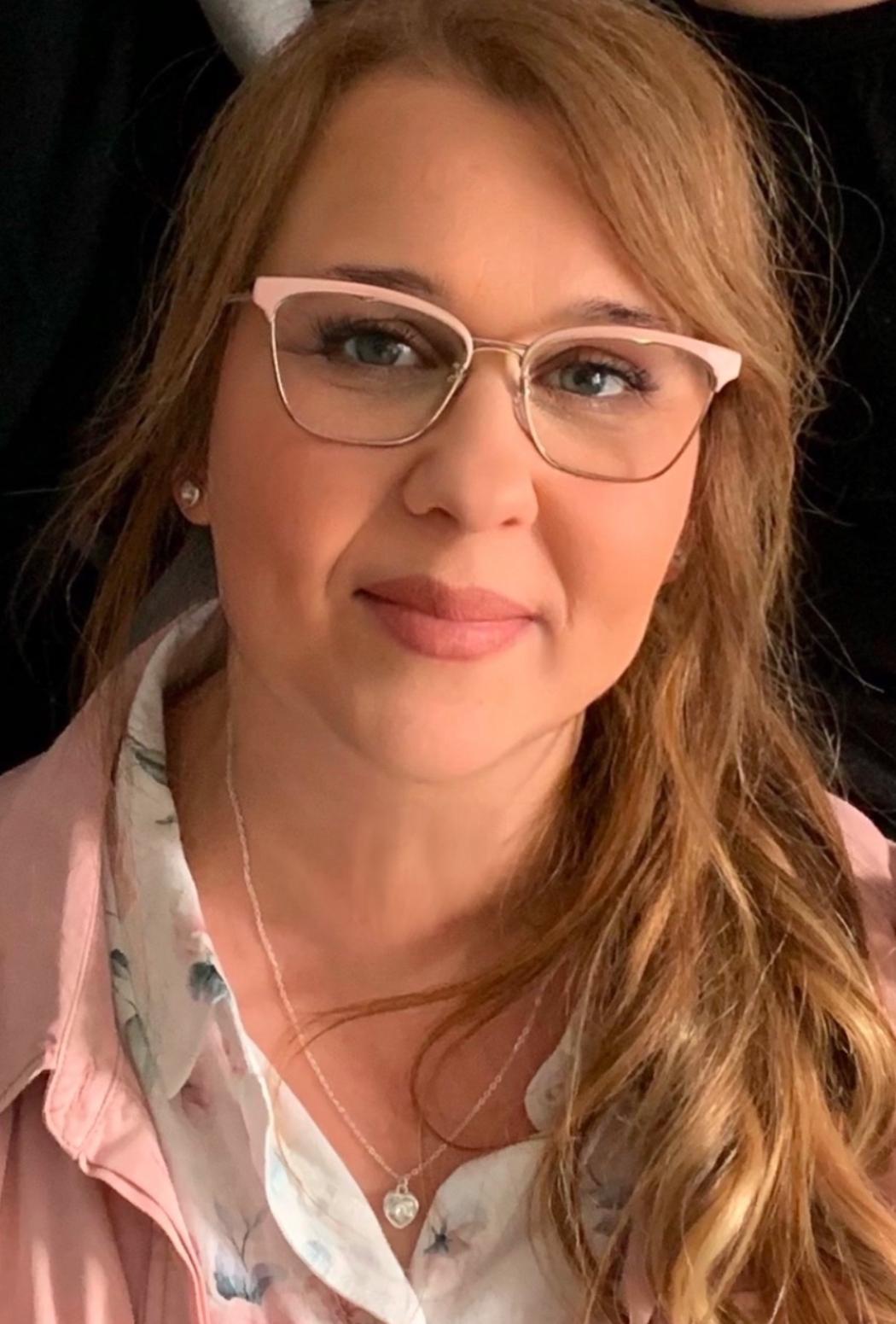
Your work often merges portraiture with floral elements. How did this visual language develop in your practice?
My interest in combining portraiture with florals developed quite organically. It all began when I entered and won a body makeup competition themed “Festivities of life.” I chose to represent “spring,” painting the entire body with flowers, butterflies, leaves and a head full of blooming forms. That experience marked a turning point in my practice, as it was the first time I explored how the human figure and natural elements could merge to tell a deeper story.
I’ve always been drawn to the emotional weight of the human face, but often felt there was something unspoken, something internal that couldn’t be fully expressed through expression alone. Flowers became a natural extension of that inner world.
Over time, they evolved from purely decorative elements into a visual language, one that carries emotion, memory and symbolism alongside the figure, allowing me to express what words or expressions sometimes cannot.
Flowers in your painting feel deeply symbolic. What do they represent for you on a personal and emotional level?
For me, flowers carry a quiet duality, they’re both fragile and resilient, fleeting but intensely present. On a personal level, they represent emotional states that are difficult to articulate directly: love, grief, tenderness, and even silence. I’m interested in how something so delicate can hold so much weight, and how its impermanence mirrors human experience.
In “My Promise”, the gesture of holding a ribbon-bound flower feels very intimate. How did this concept originate?
That piece came from thinking about the physicality of promises, how we try to give form to something intangible. The ribbon binding the flower suggests care, intention, and a kind of containment, while holding it close to the body makes the gesture feel private, almost like a quiet vow.
That idea became deeply personal for me. After my mother suffered a stroke that left her unable to speak,swallow, or move, I made a promise to care for her. It wasn’t something spoken pubicly, but it carried immense weight.
In that sense, the gesture in My Promise reflects a lived experience. It’s about devotion, but also fragility, how love and responsibility can feel both strong and delicate at once. I wanted it to feel intimate, something held close rather than declared.
You explore themes of impermanence and emotional preservation. Do you see painting as a way to resist time?
I think painting sits in an interesting space between holding on and letting go. It can’t stop time, but it can create a pause, a moment where something is held, observed, and preserved in a different way.
For me, that impulse comes from a desire to hold onto things that feel like they’re slipping away, whether that’s a feeling, a memory, or a presence. It’s less about resisting time and more about acknowledging its passage while trying to honour what might otherwise disappear.
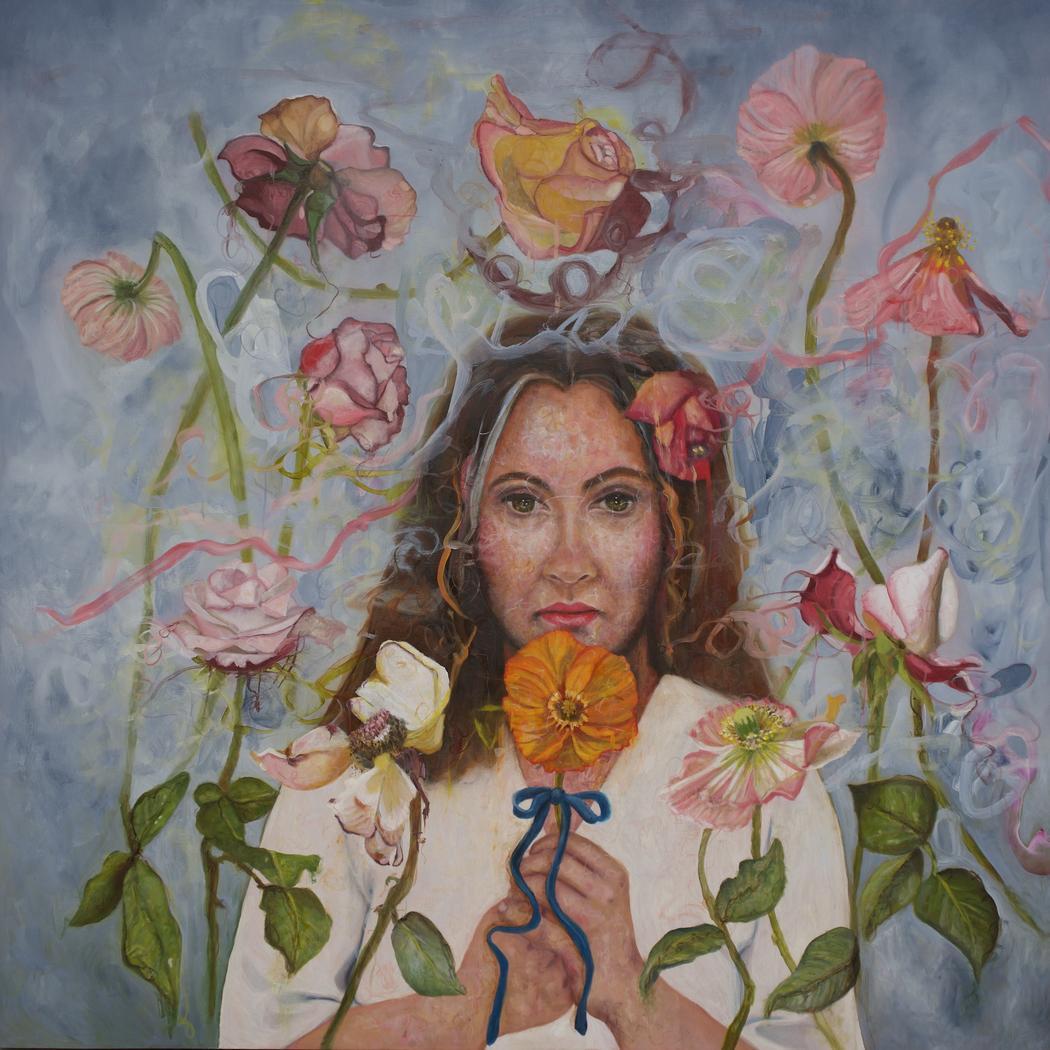 Melita Nikolaou | My Promise | 2026
Your background as a makeup artist seems to influence your sensitivity to skin and detail. How does this past experience shape your painting process?
Working as a makeup artist taught me how to really look at skin, its texture, translucency, and the subtle shifts in tone that give it life. That sensitivity definately carries into my painting.
It also shaped my patience and attention to detail, as well as my understanding of how small changes can alter the emotional reading of a face. I actually still use makeup brushes in my painting process, which creates a direct connection between the two practices.
In a way, that experience changed how I see people, I became more attuned to quiet nuances, which now feels central to how I approach painting.
Your brushwork often feels atmospheric and in motion. Do you approach painting intuitively, or do you plan compositions in advance?
It’s a balance of both intuition and planning. I usually start with a loose plan or structure, especially for composition, but leave space for the painting to evolve as I work. I often draw inspiration from flowers in my own garden, which adds a personal and temporal element, capturing something that is constantly changing and fleeting.
The movement in the brushwork comes from responding in the moment, allowing each mark to shift and develop rather than trying to control every outcome. Using softer tools like makeup brushes encourages that kind of blurred, fluid, responsive movement, creating a more atmospheric and tactile surface.
The figures in your work appear introspective and emotionally contained. Are they based on real people, or are they more symbolic?
Mostly, my figures begin with real people as references, which gives them presence and specificity. As I paint, I continue to focus on capturing emotions and subtle gestures, allowing the figure to become more of a vessel for broader feelings rather than a fixed likeness. For me, it’s not about exact resemblance, but about the emotions and presence a figure can hold.
Leave a Reply
You must be logged in to post a comment.