
Xuerui Chen
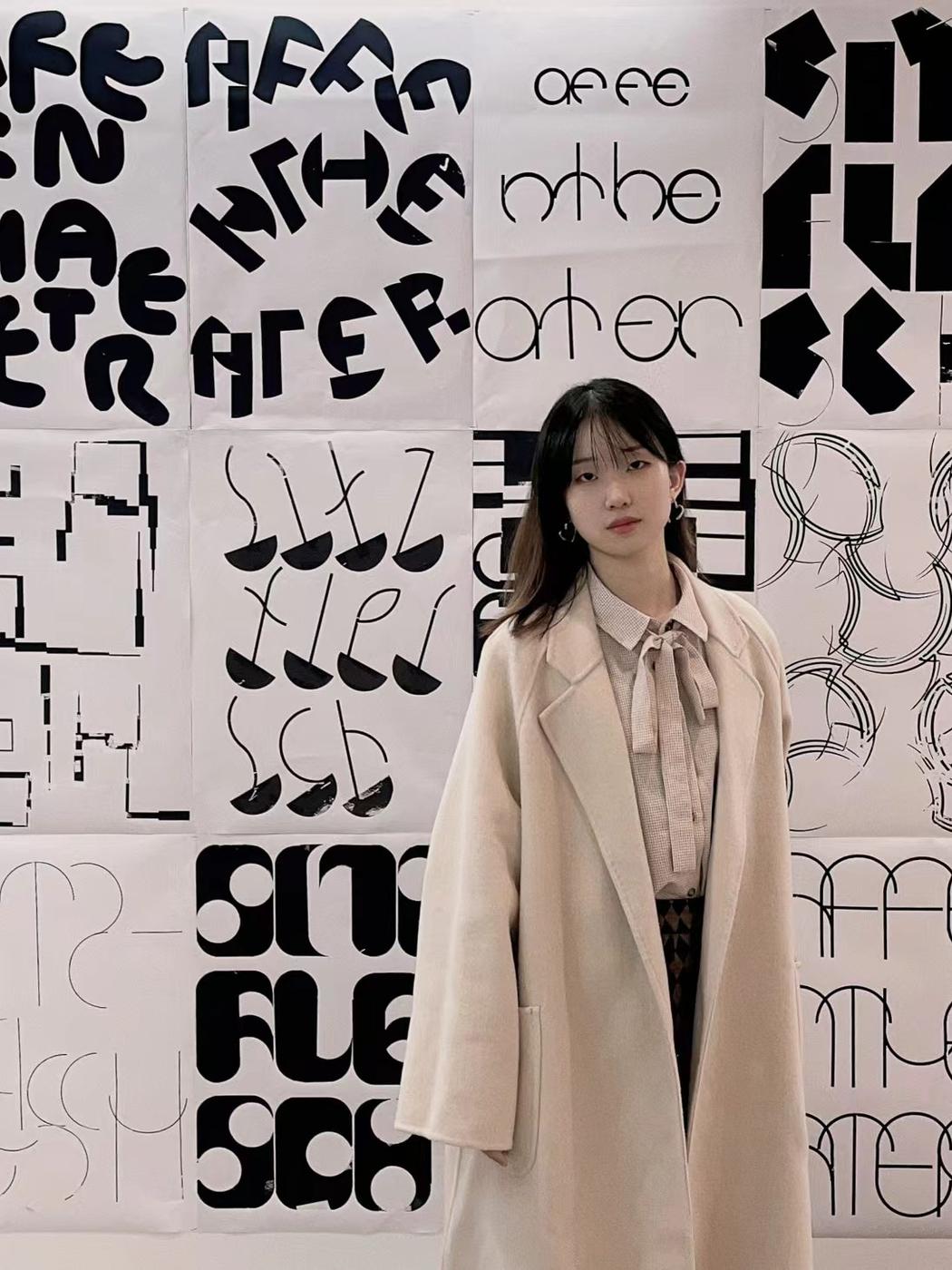
Your practice often explores how individuals coexist with external influences. How has your personal experience shaped the way you approach these themes visually?
Most of my work grows out of moments when my personal life intersects with the outside world. Some of these influences come from family and emotional relationships, others from social structures, and increasingly from the digital environments we live in. Through these personal experiences, I gradually realized that many of these tensions are shared by others as well, which led me to reflect on how external forces shape the individual.
I tend to understand these experiences through tactile and visual sensations. In my work, I look for materials and visual metaphors that can convey the feeling of being influenced or shaped by something beyond oneself. Layering, repetition, and tactile elements allow me to suggest how external forces slowly permeate everyday life, while handmade traces and irregular details represent the subjectivity that persists under pressure.
This approach also reflects my own experience of growing up—learning, little by little, how to hold on to my own voice amid expectations and influences.
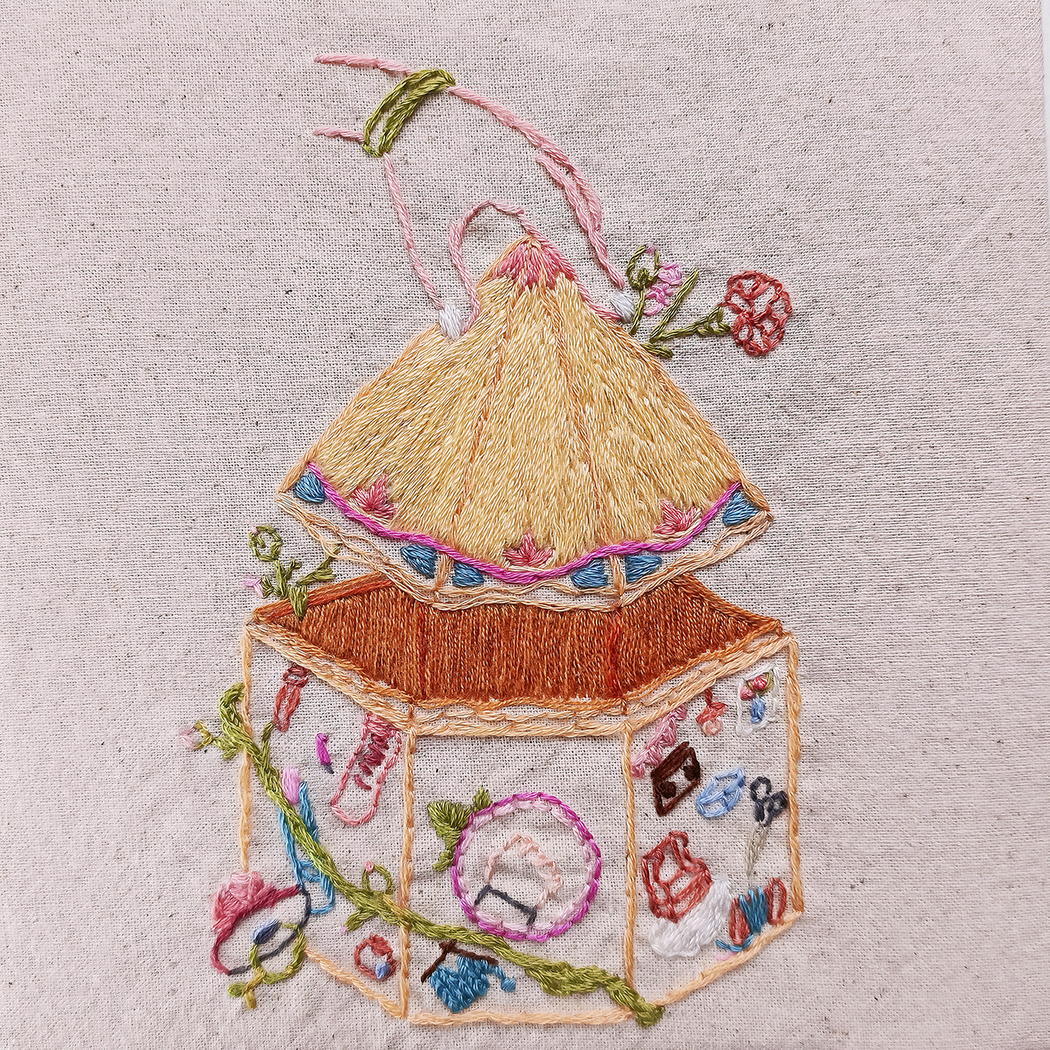 Xuerui Chen | A Toxic Relationship
In A “Toxic” Relationship, you examine the dynamics between care and control in a mother-daughter bond. How did embroidery and layered fabric become the right language for expressing intimacy and boundaries?
Textiles are among the first tactile experiences we encounter in life. Compared with many traditional painting materials, they feel much closer to the body and to memory. The layering of fabric naturally creates a sense of proximity and distance: a thin, almost transparent layer can soften a relationship while also creating a subtle barrier, whereas heavier fabrics can produce a feeling of pressure or suffocation.
Embroidery, meanwhile, is a form of drawing directly onto fabric. Thread can mend and repair, but it can also tighten and restrain. It carries both tenderness and tension.
Through the interaction between thread and fabric, emotions such as intimacy, dependency, restraint, and boundaries can be translated into a visual language that retains warmth and tactility.
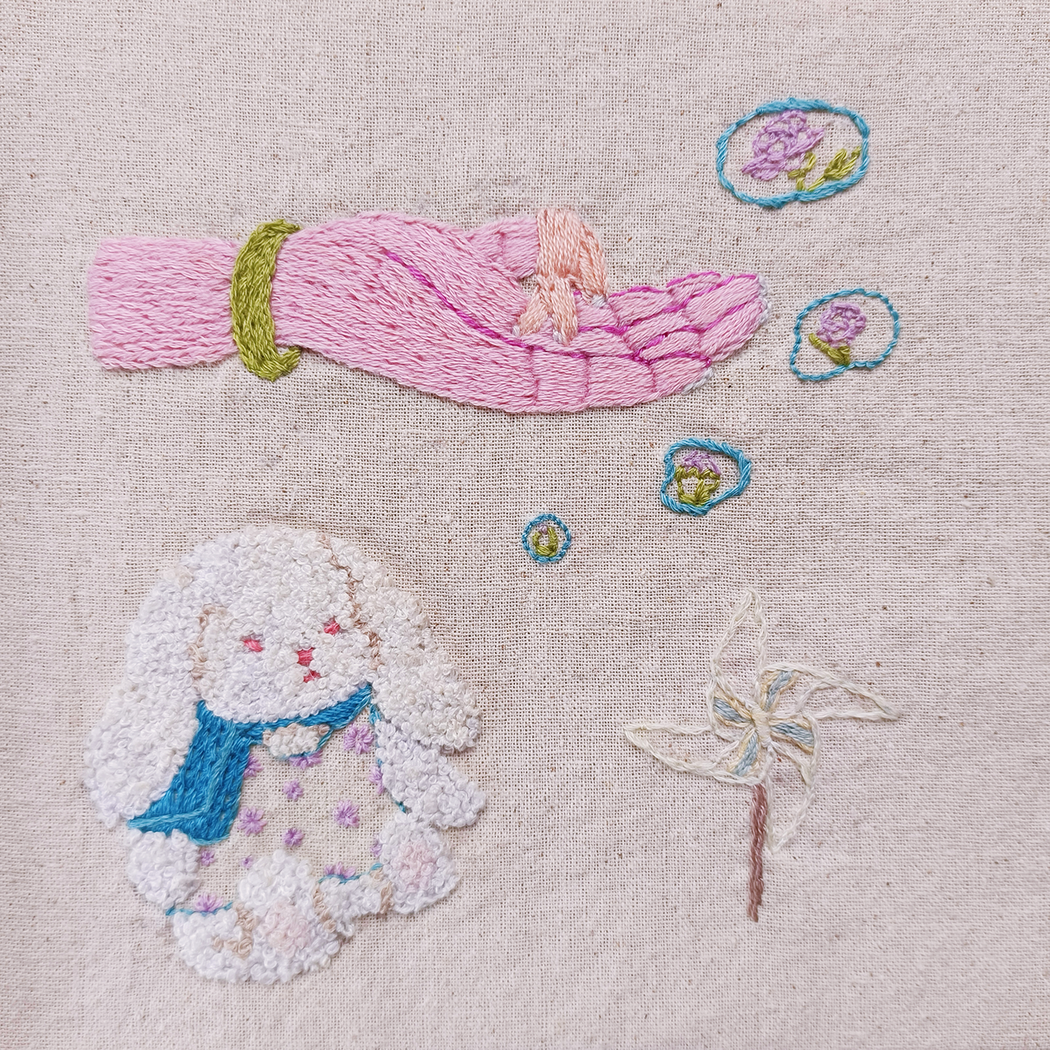 Xuerui Chen | A Toxic Relationship
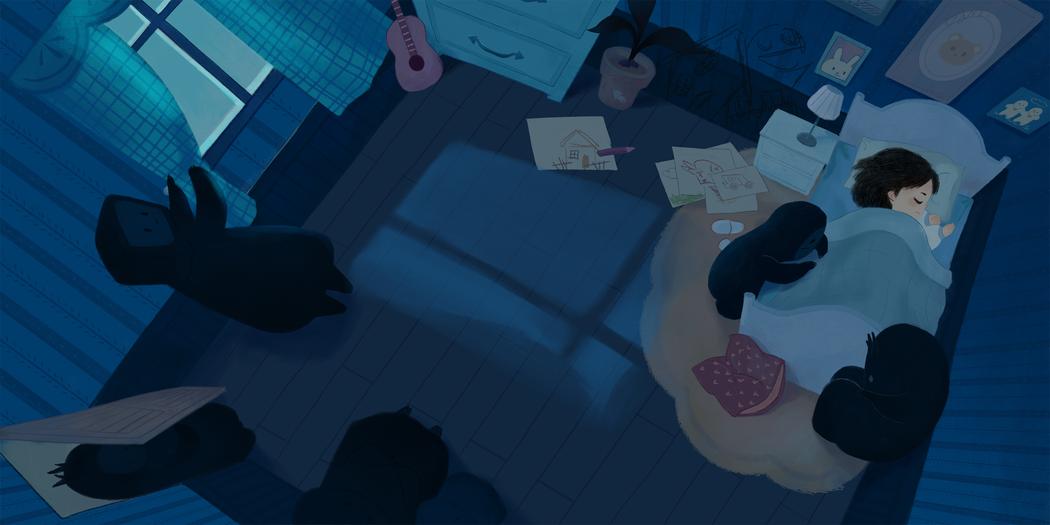
Welcome, My Emotions reframes emotions as “visitors.” What inspired this metaphor, and how do you hope children (and adults) respond to it?
This metaphor came from a very personal emotional experience. After a strong feeling had passed, I suddenly understood why it had appeared in the first place, and I began to learn how to observe myself when emotions arise.
There is a Chinese saying: “Among three people walking together, one can always be my teacher.” When I stopped seeing emotions as problems that needed to be eliminated and instead regarded them as signals or reminders, I realized that each emotion could teach me something about myself.
Emotions often arrive suddenly and leave just as quickly. If we can learn something from them, they become like visitors passing through our lives.
Through this story, I hope both children and adults can gradually learn to observe their emotions. Emotions should not become the final straw that overwhelms us. They are not flaws, but visitors that remind us of something important—sometimes even teachers and companions along the way.
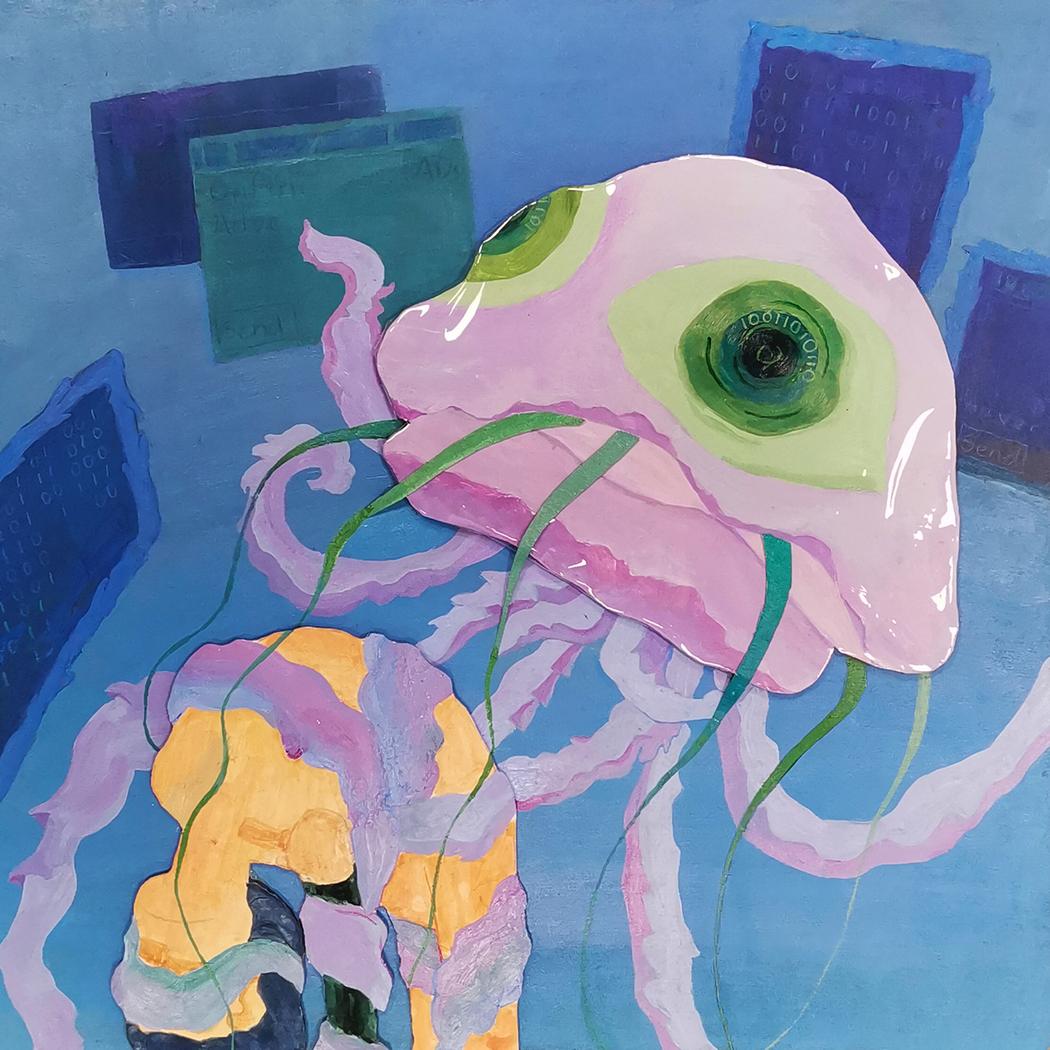 Xuerui Chen | An inescapable tangle
Your illustrations balance softness with psychological depth. How do you maintain empathy and humor while addressing heavy emotional themes?
For me, heaviness does not necessarily mean despair. It feels more like a layered experience with multiple entry points. Softness becomes a way for people to approach these emotions, and also a small but persistent form of hope.
I believe emotions are never a single weight, and neither are the situations or phenomena surrounding them. What interests me is their complexity and completeness—the tension alongside moments of looseness, tenderness, or quiet reflection. For that reason, I choose materials carefully for each theme, allowing the materials themselves to become extensions of emotion.
The textures of mixed media, the softness of fabric, and the breathing space created by lines introduce a sense of warmth into the image. They allow heavy themes to be visible without overwhelming the viewer, keeping the work approachable and open to empathy.
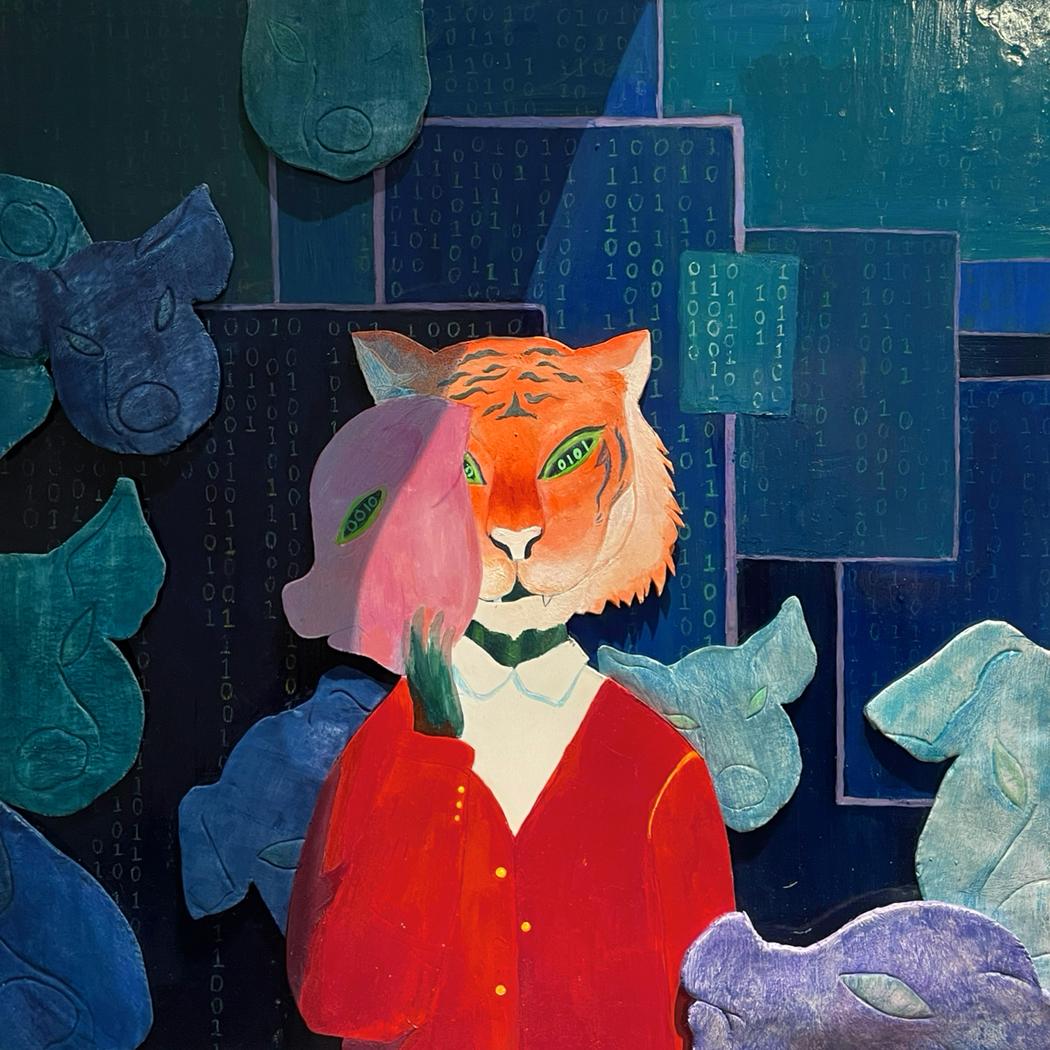
In 0101 Instructions, you use binary code and predator-like animals to critique digital advertising. Why did you choose animals as symbols of invisible persuasion?
Animals are instinctive, alert, and fast-moving, yet they often remain hidden within their environments. This characteristic allowed me to visualize the instinctive and predatory mechanisms behind digital advertising. Like predators, these systems observe targets, study habits, detect weaknesses, and react faster than the subjects they watch. This closely mirrors the “monitor–predict–deliver” processes of algorithmic advertising.
Using animals as metaphors allows this influence to feel more organic and subtle than direct technological imagery. It conveys the sense of persuasion that operates quietly and gradually.
At the same time, animals are essential parts of ecological systems—removing even one species can destabilize the whole environment. In a similar way, the algorithms behind digital advertising constantly operate in the background: their presence is continuous and powerful, yet often barely visible.
 Xuerui Chen | The Manipulators Behind the Scenes
The visual language in 0101 Instructions feels immersive and slightly unsettling. How do you design compositions that reflect the subtle invasion of digital control?
In some ways, the compositions mimic the way advertising gradually infiltrates everyday life. Repeating shapes, layered color blocks, and patterns that slowly expand across the image all play a role.
I often place the subject in a state of being surrounded. The figures tend to sit near the center or slightly off-center, while geometric forms, translucent layers, animal gazes, or antenna-like shapes move toward them—almost like streams of information closing in.
At first glance, the viewer may simply notice color and rhythm. But as the eye moves deeper into the image, a slow sense of encroachment begins to appear.
 Xuerui Chen | Welcome, My Emotions
Many of your works leave space for reflection rather than offering direct answers. How important is ambiguity in your storytelling process?
For me, ambiguity creates a space for interaction with the viewer. A work is not a finished conclusion; it is more like a starting point, and the rest of the narrative can be continued by the audience.
People respond to the same situation in very different ways, and I want that diversity of interpretation to remain possible.
My work sometimes addresses social phenomena or uncomfortable realities, but I still want the work to remain open rather than fixing a single meaning. In this sense, I prefer my work to stay in a state of “still happening,” where viewers can bring their own experiences and participate in completing the story.
Leave a Reply
You must be logged in to post a comment.