
Morpho (Bruno Gouagout)
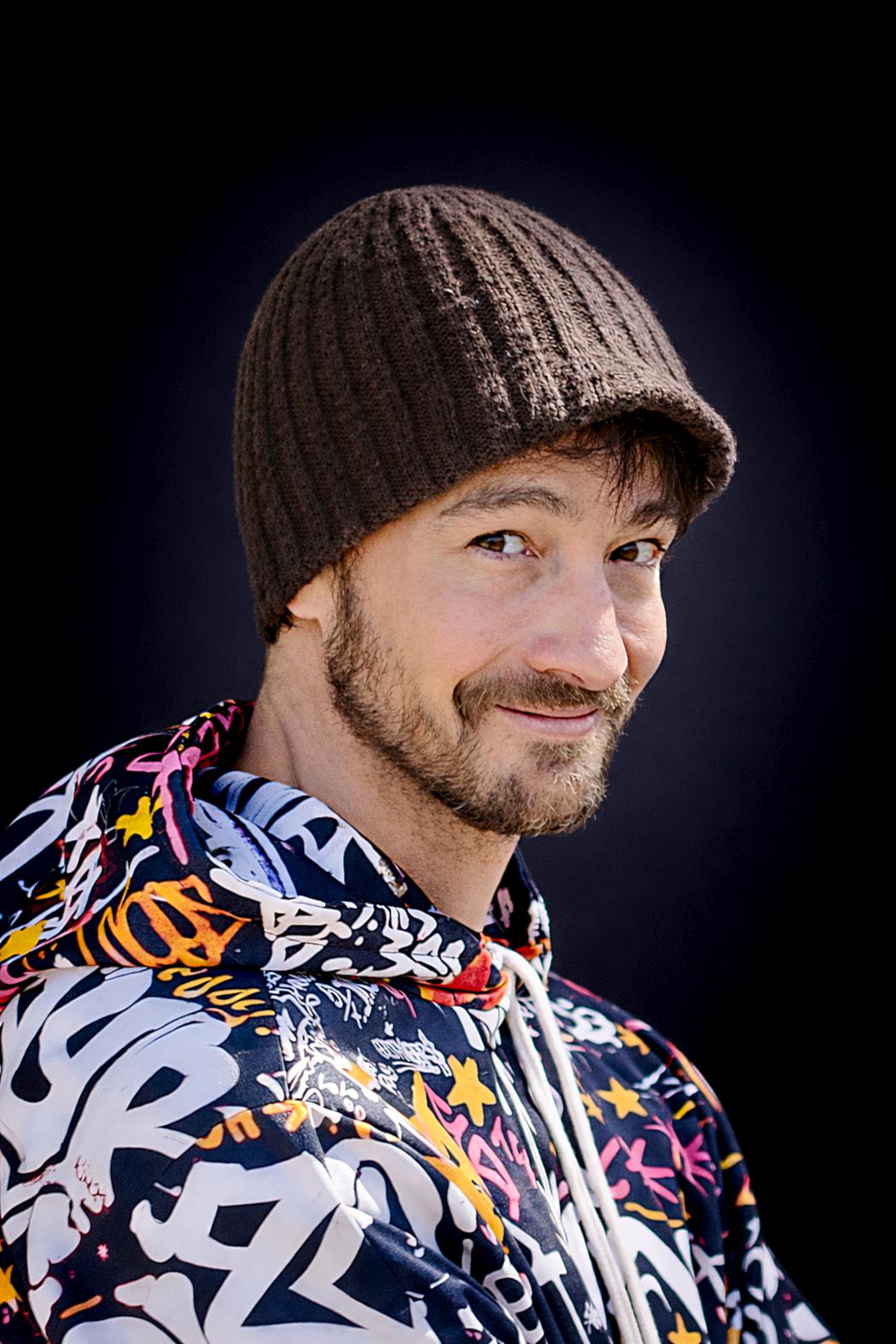
When do you know that a work has reached its right balance between form, meaning, and perception?
For me, balance appears when the sculpture invites the viewer to move by themselves. It is a symbiosis between the message, the material, and the aesthetic of the work. Once these three elements are united, the sculpture comes to life. As in Socratic maieutics, it is a process that, by changing perspective, allows one to give birth to their own truth. The artwork becomes a dialogue, and balance is found in this shared journey between the work and the one who contemplates it.
You describe yourself as a metamorphic sculptor rather than an anamorphic one. What does this term change philosophically?
Being a metamorphic sculptor means embracing profound transformation. Just as a caterpillar becomes a butterfly, my works do not merely distort an image as anamorphosis does: they change in nature. For example, a weapon becomes a flower when one changes angle. Philosophically, it reminds us that by changing perspective, we transform ourselves. And like the butterfly, art invites us to rise, free… Art gives us wings.
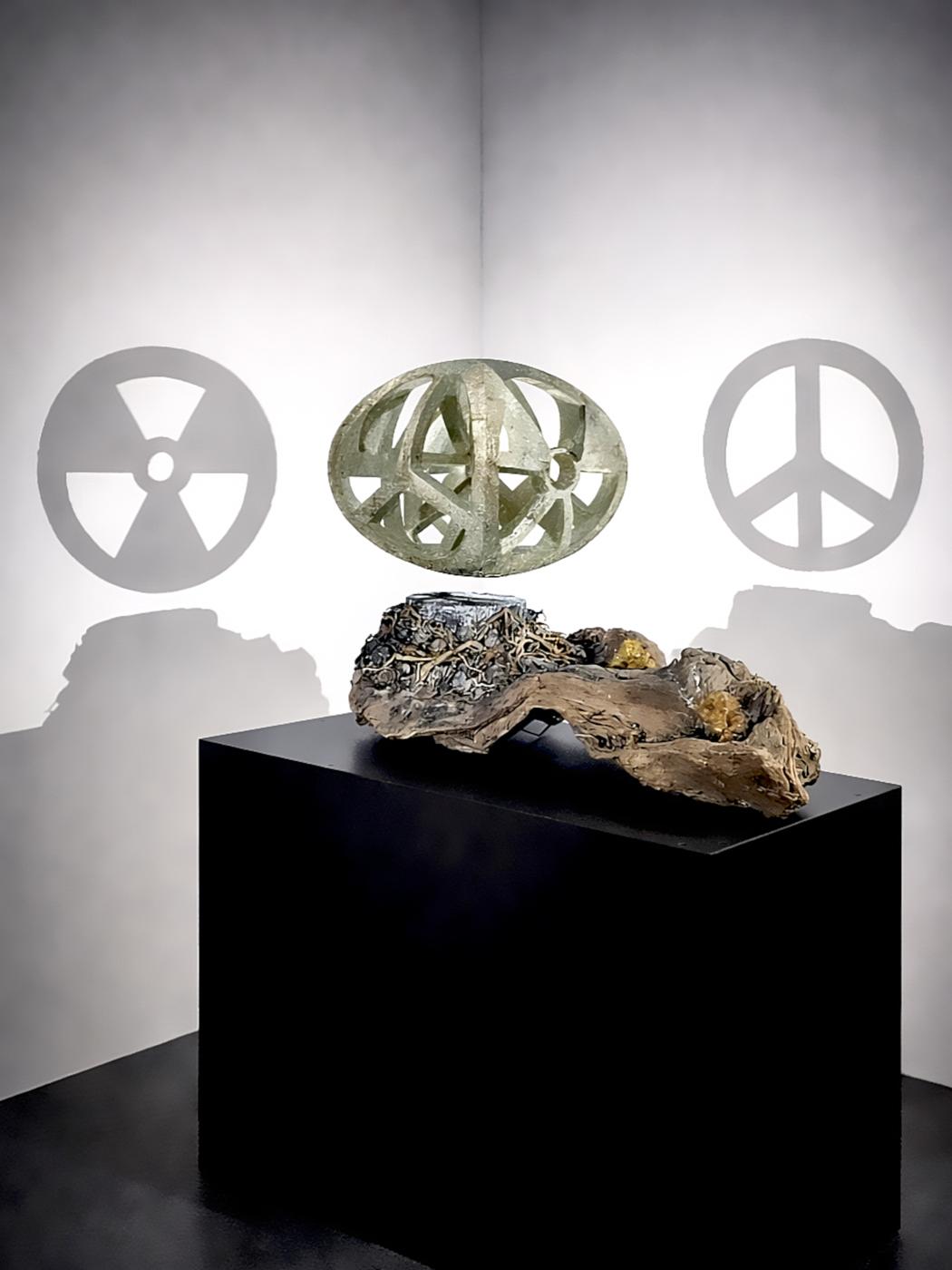 Morpho (Bruno Gouagout) | Atomes Crochus
Many of your works involve simple but profound symbols. How do you choose symbols that support multiple interpretations?
My intention is to select forms that are simple yet universal. I also choose them for their emotional and memorial charge, for what they awaken unconsciously rather than for what they explain rationally. The symbols I choose speak to our deep memory. They are the ancestors of words and writing, and they act directly on our cellular memory. A symbol evolves over time: what was once reassuring can become disturbing, and vice versa.
By confronting, opposing, or associating them, my works open a space for nuanced reflection. They invite us to go beyond what seems obvious and to question what we take for granted. I often draw a parallel between the power of symbols and that of words. For me, behind each symbol hides a library.
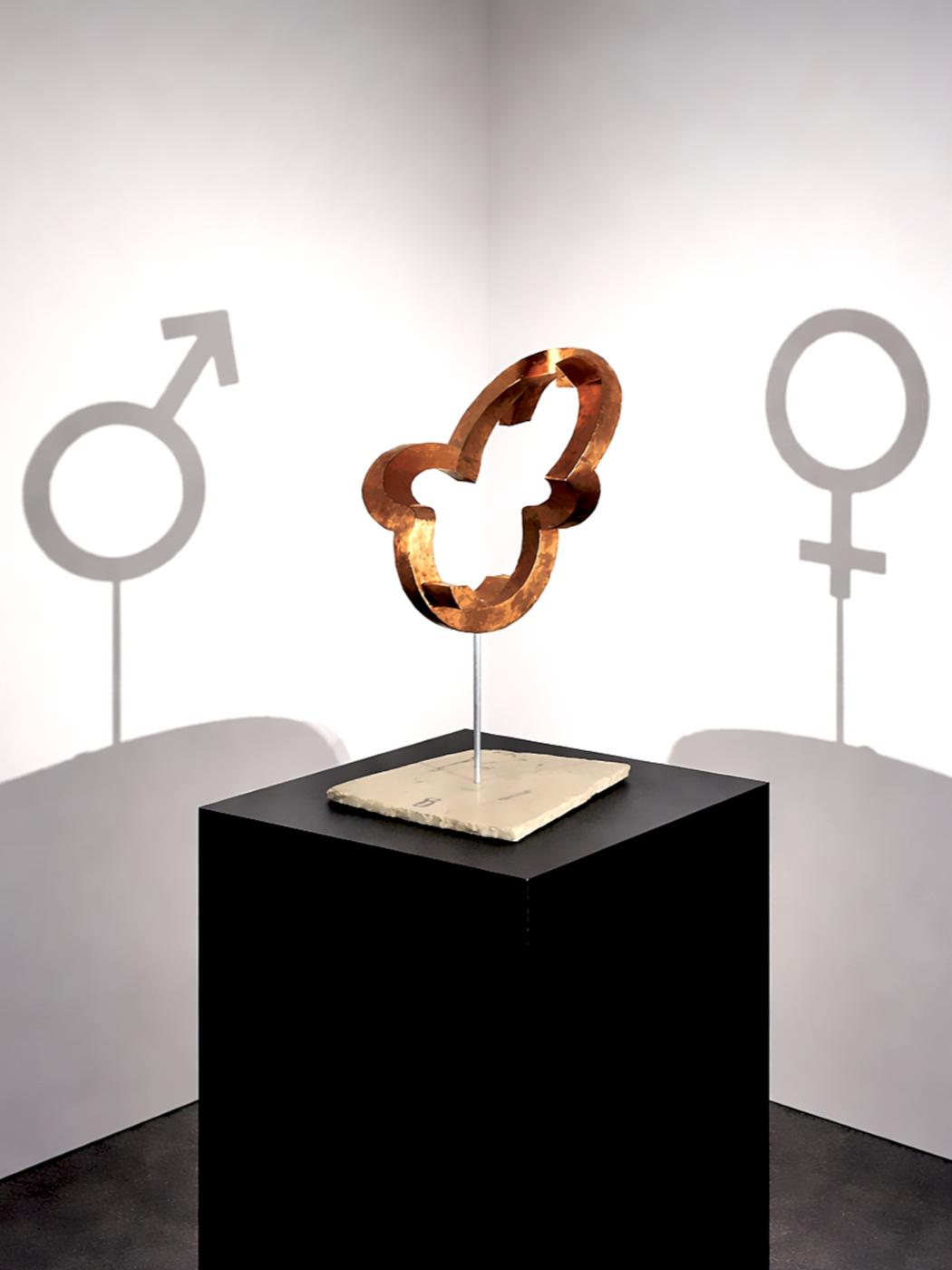 Morpho (Bruno Gouagout) | Genre!
What role do honesty or transparency play in your artistic process?
Honesty lies in the fact that I do not hide anything; I offer a space where the observer makes their own journey. I provoke curiosity: it is up to the person to have the experience. One only knows that fire burns by approaching it. My role is to be transparent: I impose nothing, but I create the space where one can denounce, question, and resist. My artistic universe invites this first step, so that each person, through curiosity, confronts their fears, questions injustices, and finds their own path. According to Socratic maieutics, I like to think that I help bring into the world what the person who contemplates my work already carries within.
Your personal life and your experience of illness have deeply shaped your artistic path. Do you see art today as a form of resistance, healing, or dialogue?
For me, creating is existing. Faced with an early awareness of death, art becomes a way of devouring life and extracting meaning from it. It is a form of healing, because while the body can be destroyed, it also possesses a profound capacity to repair itself. It is an opening to dialogue, because speaking about death confronts us with the most fundamental existential questions. And it is not a frontal resistance, but a resilience: each work is one more step toward transforming fear into vital energy.
I deeply believe that the day we stop creating, having projects, and above all dreaming, is the day we begin to grow old — and perhaps to die. And what if the only mystery were not the after, but the intensity of the before?
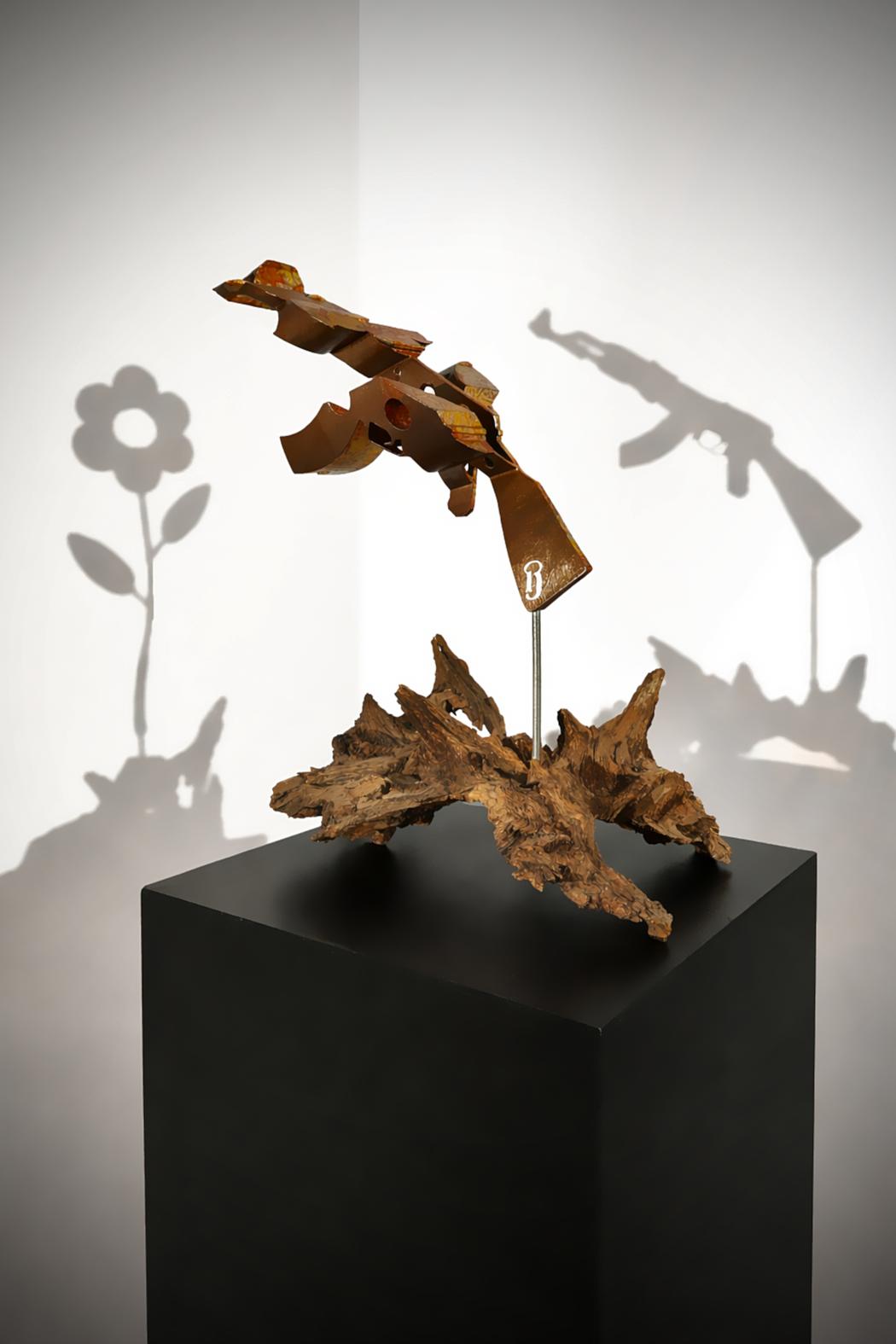 Morpho (Bruno Gouagout) | L’Arme À Fleur De Peau
Your works encourage viewers to question the idea of a single truth. Has creating metamorphic sculptures changed your own perception of reality in your personal life?
Inspired by Plato’s allegory of the cave, my art seeks to transcend our perception and reveal deeper and more spiritual dimensions of reality. Along this path, I have learned that experience and the power of intention in the present are essential for discovering oneself. As the proverb says, the true explorer is not the one who travels around the world a hundred times, but the one who manages to travel around himself at least once.
For me, single-minded thinking inevitably leads to a form of extremism. It traps us, as if we were looking at the world through a keyhole. By multiplying points of view for a more holistic vision, I have expanded my field of thought and opened my field of possibilities. By transforming white into black, I have become more sensitive to shades of gray. The anamorphic process pushes me to avoid sterile debates — where the strongest seeks to impose their truth — and to enter into constructive dialogue, capable of bringing about consensus rather than sacrifice.
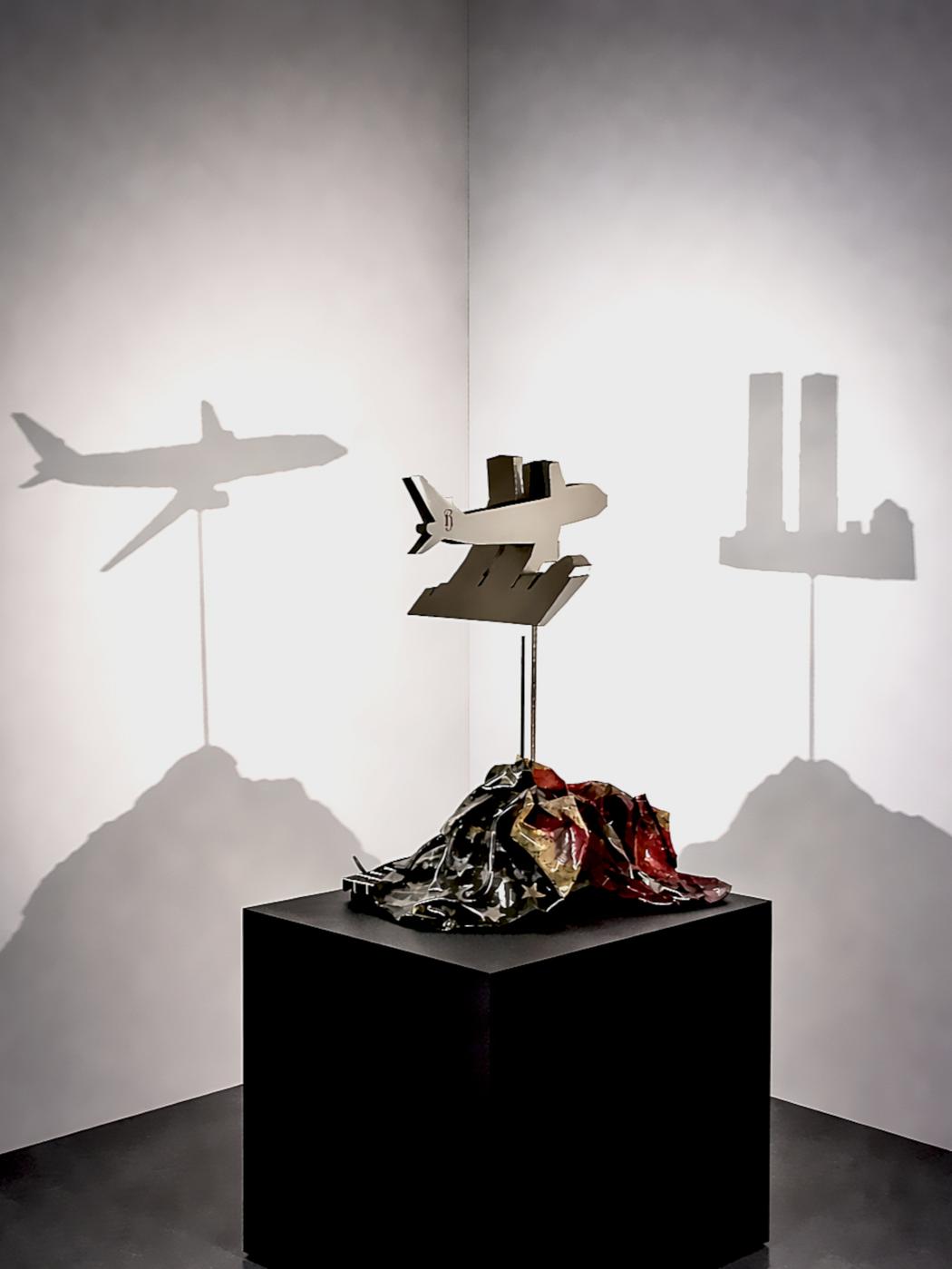 Morpho (Bruno Gouagout) | World Pain Center
If entering your universe is ‘the beginning of a metamorphosis,’ what kind of transformation do you hope the viewer will take with them after discovering your work?
If entering my universe represents the beginning of a metamorphosis, I hope above all to provoke a deep and authentic emotion in the viewer. Indeed, the message conveyed by emotion does not go directly to the brain and the mind, but penetrates deeply into the heart. The heart thus becomes an open door to plant a small seed in the viewer’s soul. Over time, if this seed is watered by its host, it may blossom, awakening a deeper awareness. It is this inner transformation that I wish to offer through my art.
Leave a Reply
You must be logged in to post a comment.