
Roger That
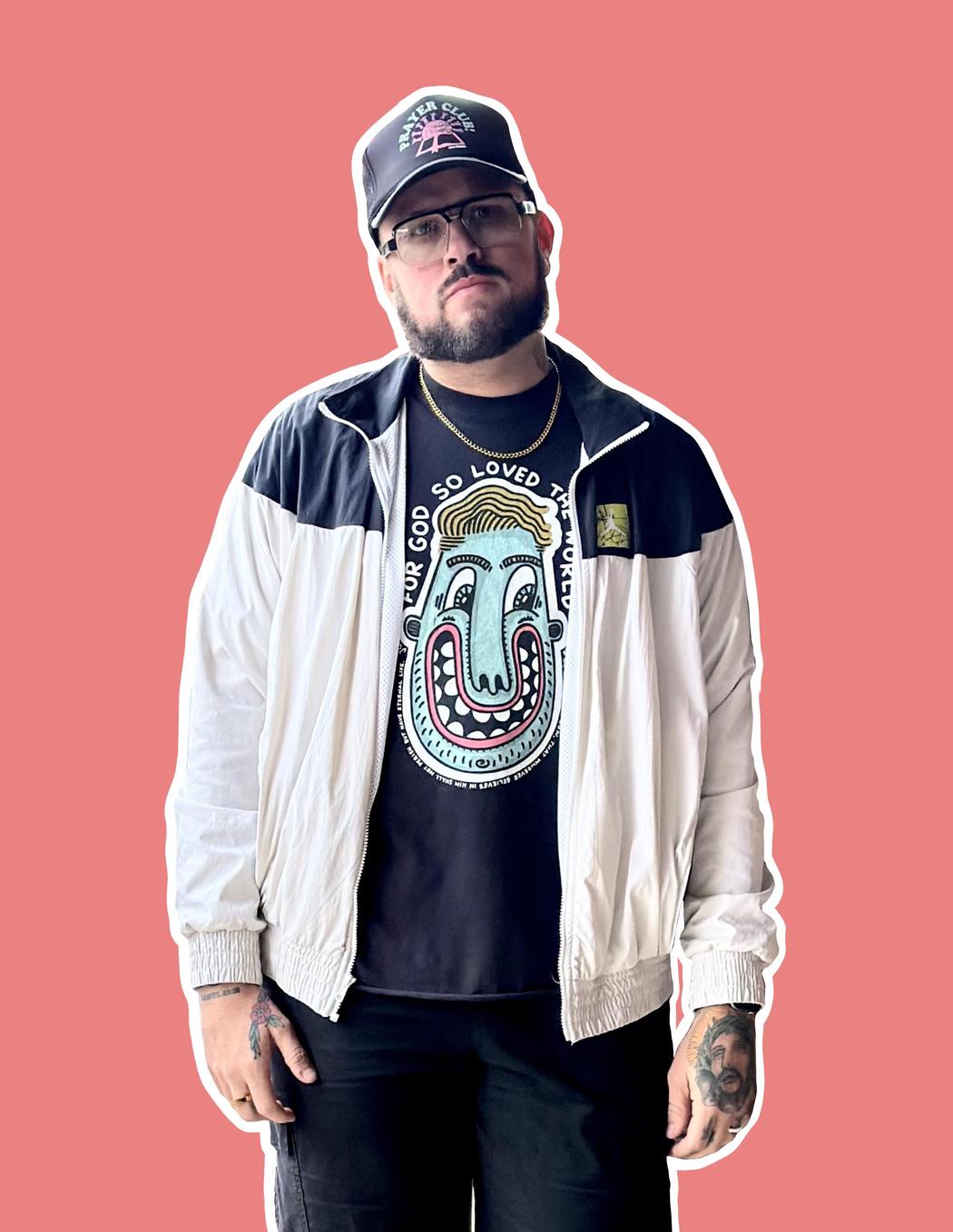
Your portraits are intentionally imperfect and emotionally raw. What does imperfection allow you to express that polished realism cannot?
Imperfection feels closer to real life. I’ve made art my whole life, and the more I tried to make things perfect, the less honest they felt. Normal is boring to me. The ongoing lines, weird proportions, and “off” moments let emotion come through without overthinking it. I’m colorblind too, so I’ve never experienced the world in a super clean or traditional way visually. That’s probably part of it. I like when people aren’t totally sure what they’re looking at… it makes them slow down and actually feel something.
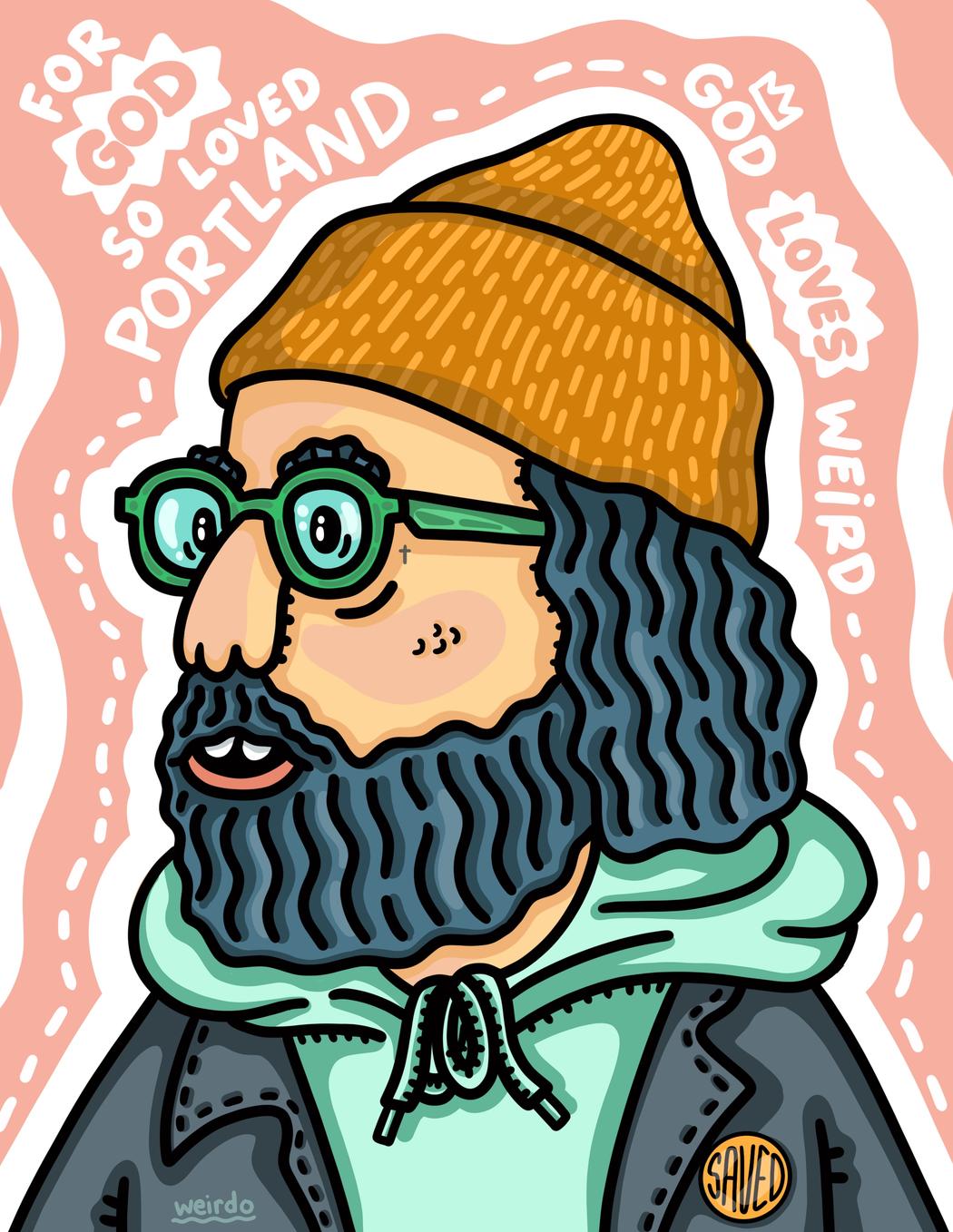
Faith, failure, and redemption are central themes in your work. Was there a personal moment or season that pushed you to begin exploring these ideas visually?
There wasn’t one big moment as much as a long season of realizing faith is a lot messier than I was taught growing up. I’ve had plenty of failure, doubt, and moments where I didn’t feel strong or spiritual at all. Art morphed into a way to process that without pretending I had answers. I wasn’t trying to make “faith art” initially, I was just being honest, and those themes kept showing up on their own. It changed everything.
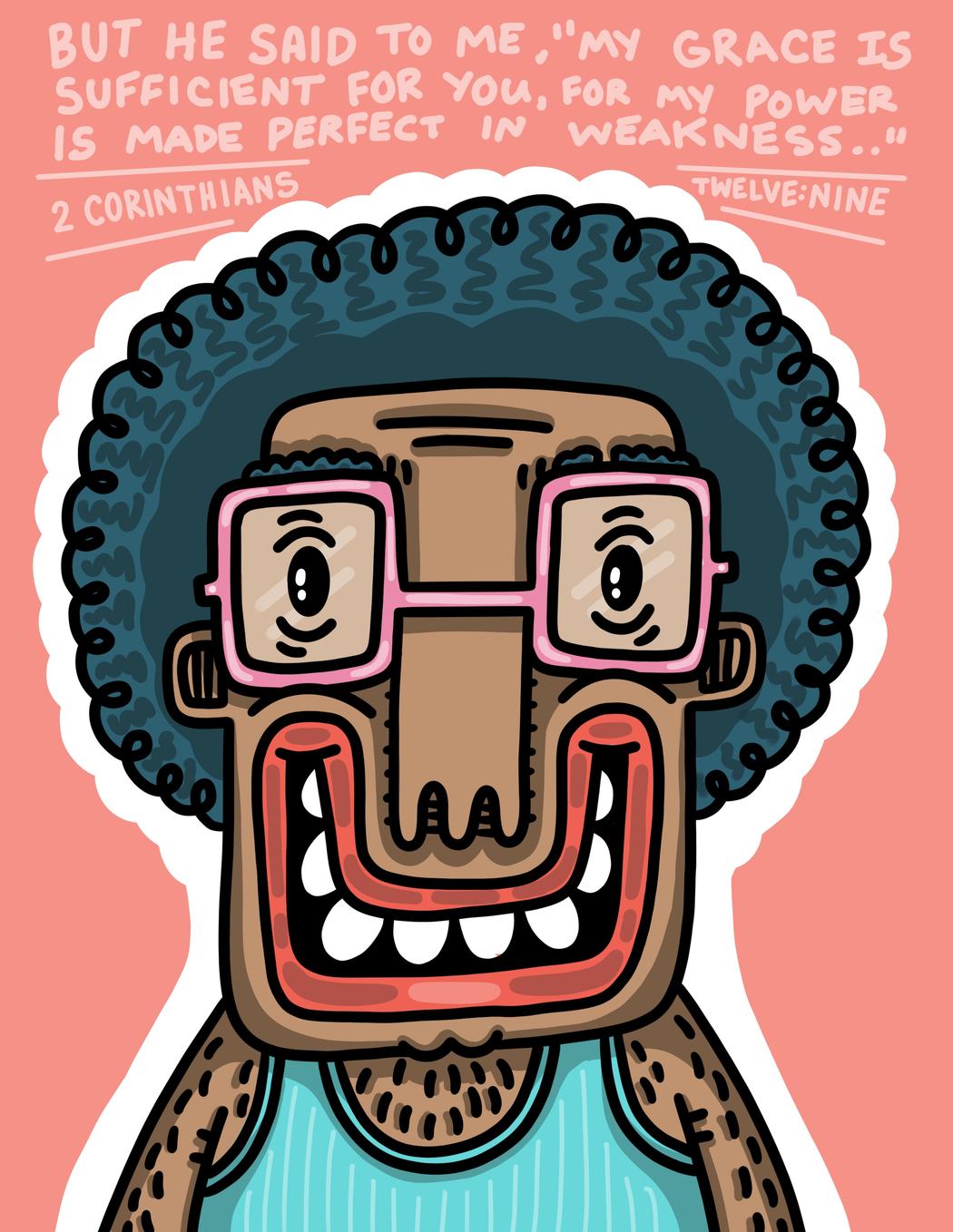
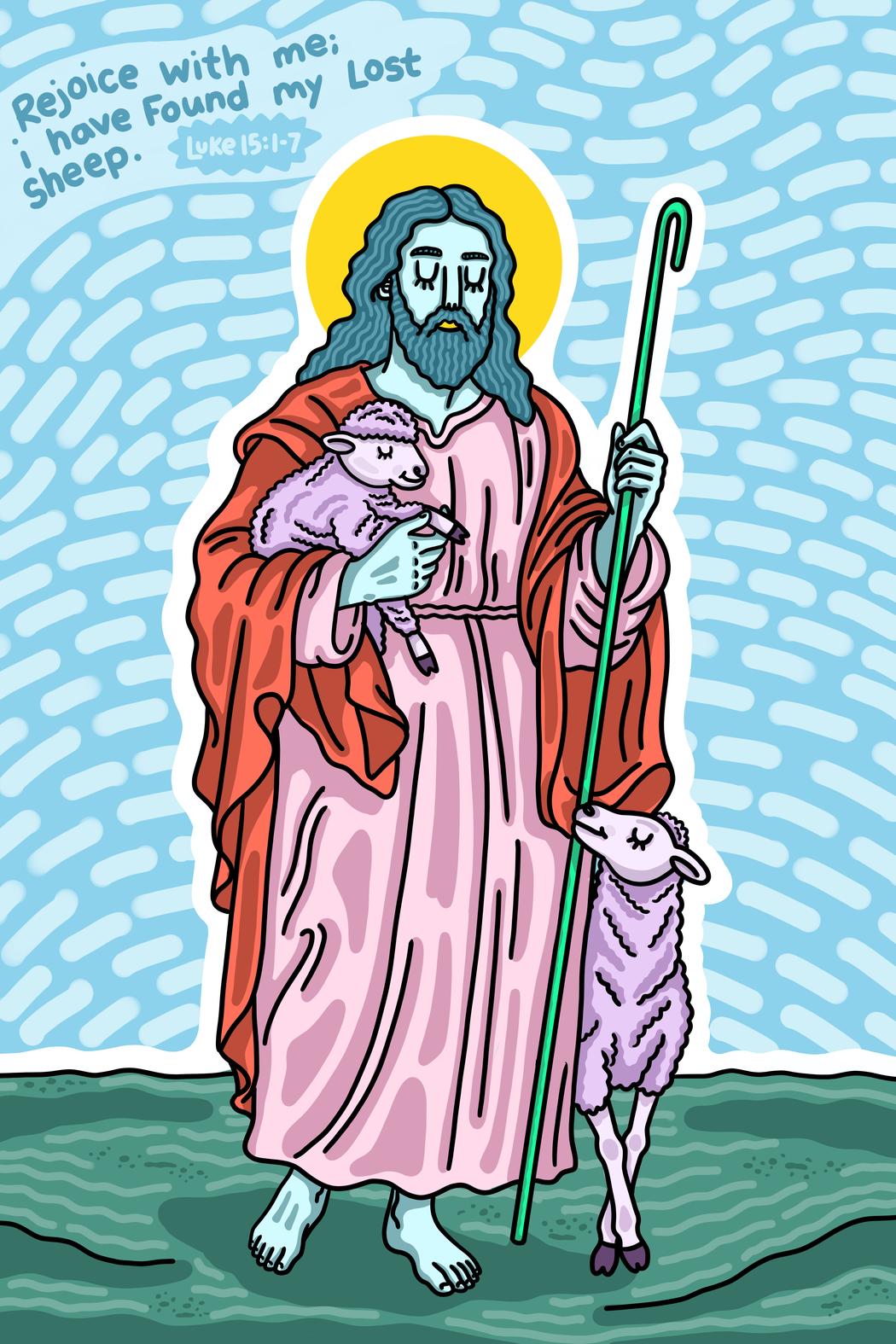
Many of your pieces include Scripture or handwritten text. How do you decide when words are necessary, and when the image alone should speak?
I don’t want words to do all the work. Most of the time, I want the image to make someone pause and wonder what they’re looking at. When I add text or Scripture, I want it to look like a reminder instead of a message. The handwriting keeps it human. It’s not meant to feel polished or preachy, just personal, like something scribbled in the margins.
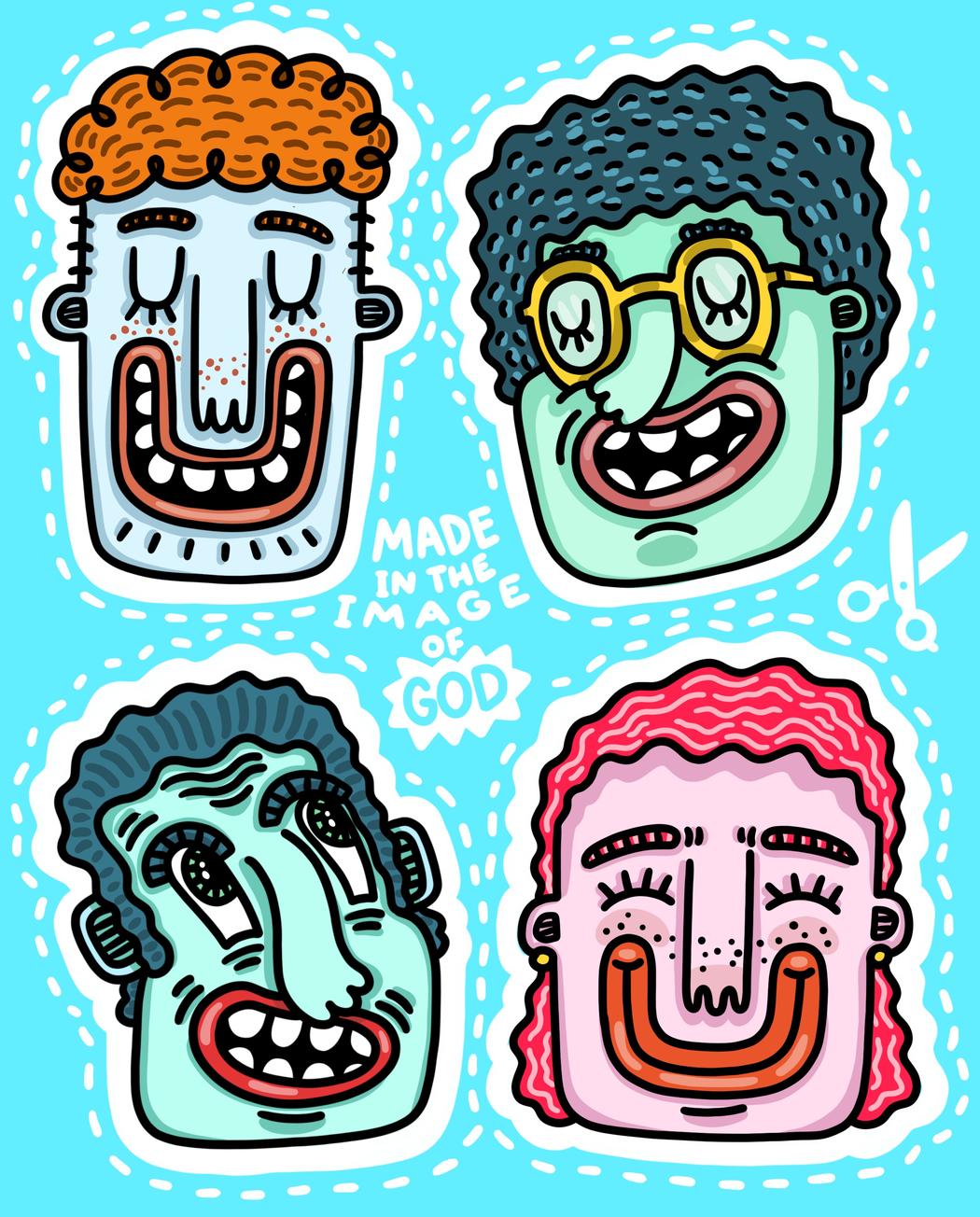
Your faces often feel exaggerated, awkward, or uncomfortable. What role does discomfort play in spiritual reflection for you?
Discomfort is kind of the point. If something feels too comfortable, people move on quickly. They trust it and it feels familiar. When a face feels awkward or a little weird, it makes you sit with it longer. Spiritually, a lot of growth happens in uncomfortable spaces.. questions, tension, not having it all figured out. Those faces reflect that. They’re not trying to be pretty; they’re trying to be honest.
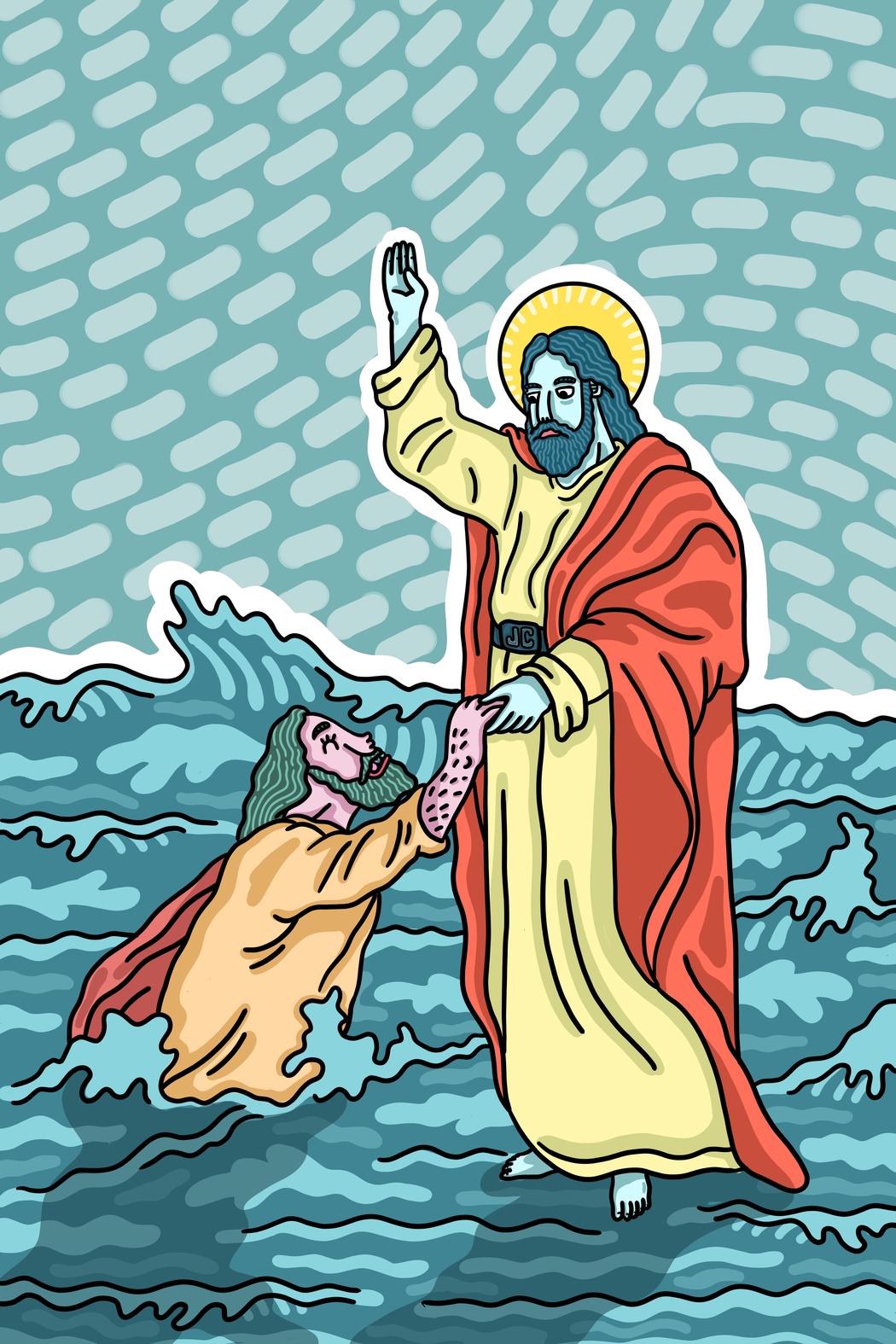
Biblical imagery appears throughout your work, yet it feels deeply contemporary. How do you translate ancient spiritual narratives into a modern visual language?
I don’t think these stories belong in the past. Faith isn’t something separate from real life, it’s happening right now. Putting Jesus in modern situations isn’t about being edgy; it’s about closeness. I want people to feel like Jesus sees them where they actually are, not just in stained glass or history books.
How do you hope viewers who may not share your faith background will engage with your work?
I hope they feel free to just experience it. You don’t have to believe what I believe to appreciate the story or the emotion. If someone is curious, confused, or just drawn to it visually, that’s enough. There’s room to admire the story even if you don’t share the faith behind it.
Your work invites viewers to pause and reflect. What do you hope someone carries with them after encountering your art?
I hope they walk away feeling seen. At the core of everything, I want people to be reminded that Jesus sees them and loves them.. right where they are. And if someone doesn’t believe that, I still hope they leave with a sense of wonder, or at least a moment where they stopped and felt something. Ultimately, my goal is to glorify God, even if it’s done in a quiet, unexpected way.
Leave a Reply
You must be logged in to post a comment.