
Pear Dropy
You’ve said that each work begins with a dare—crossing a line or breaking a rule. Can you remember a moment when taking that risk changed a piece in an unexpected way?
Every creative act feels like a dare. You might think you know where you’re headed, but following an idea often takes you down paths that don’t resemble what you first imagined. Sometimes the risk isn’t pushing forward, but turning back—or staying with an idea even when you don’t yet understand where it’s going.
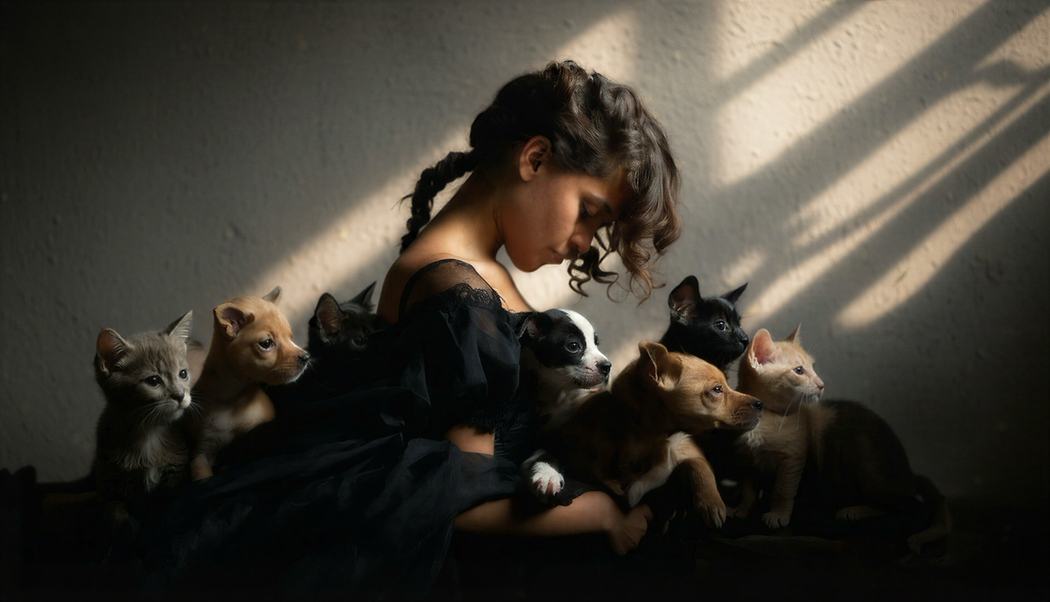 Pear Dropy | Banana Phone (Ringing Feels Like Yellow) | 2025
In your statement, page and canvas seem to speak to one another. How do words and images live together in your process?
They move back and forth. Writing becomes images; images turn into writing. Neither feels complete on its own. Some images hold a moment that wants to become a story; some stories collapse into a single, fixed image. These are the strays I let in.
How To Let The Wrong Thing In began as two separate works made weeks apart: an image of a dolphin rising high enough to see both the sun and the moon at once—an impossibility—and a poem written elsewhere, at another time. The title arrived last. When it did, I realised the image had been describing the poem all along. They were circling the same idea, looking for each other.
Your titles often feel like fragments of poems or unfinished questions. When do they appear?
Sometimes before, sometimes during, sometimes after. Some titles are poems. Others are questions or small stories. The image alone is never enough; the title works alongside it, opening a space for meaning rather than closing one. Naming the work is part of listening to it.
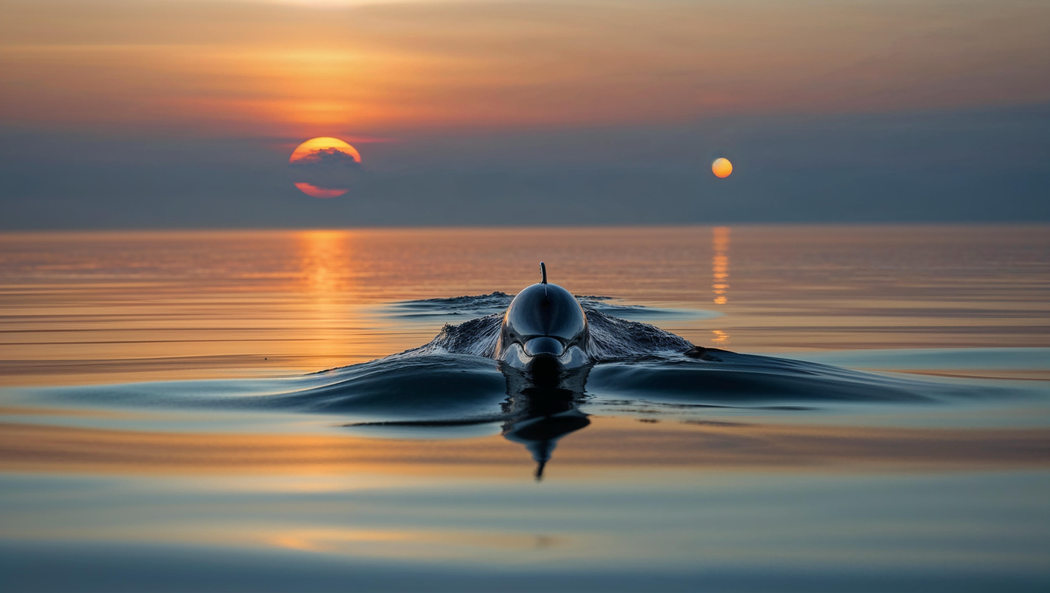 Pear Dropy | How To Let The Wrong Thing In | 2025
You’ve compared stories to cats—especially strays. How does that shape the way you let meaning remain open in your work?
Ideas don’t stay where you put them. They wander. They return when they want to. A stray might pass through once and never come back. If you’re lucky, you learn how to sit still long enough for it to trust you.
Your practice moves across digital painting, photography, and hybrid digital forms. What has working digitally given you?
I learned to draw, sculpt, and photograph very young—those skills came early, and easily. Digital work didn’t. It took years before it felt natural. But once it did, it opened a way to bring everything I already knew into one place. I don’t think in terms of mediums anymore. They’re just ways of getting closer to the idea.
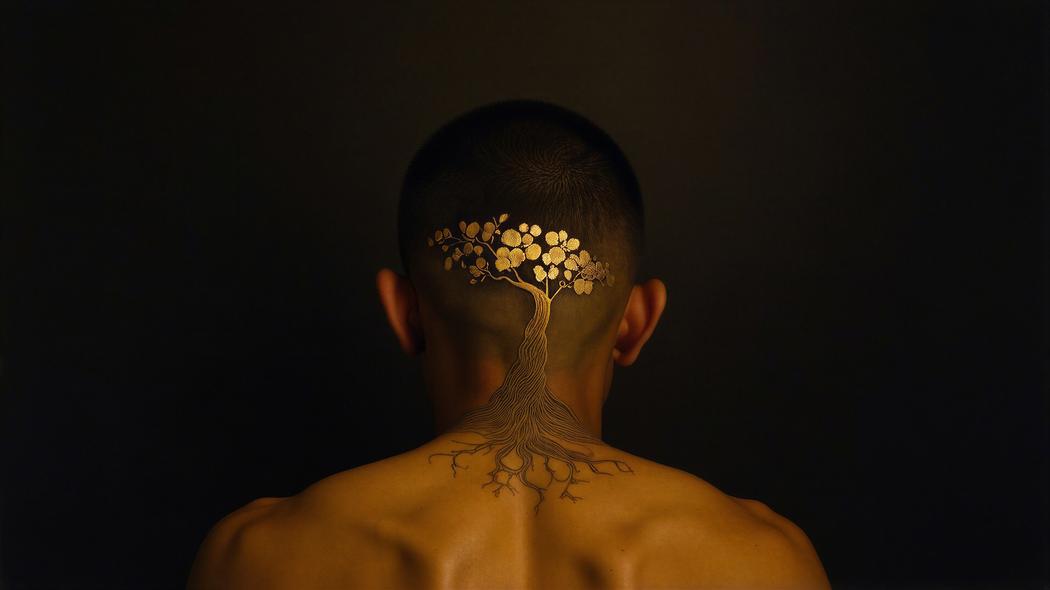 Pear Dropy | What Year Does Gold Still Mourn | 2025
Loss, longing, and transformation appear often in your work—not as endings, but as states of motion. Do you think of your images as emotional landscapes rather than stories?
I think of them as pauses. A moment held open. Nothing is resolved, but everything is present—the past, the future, all pressing gently at the edges.
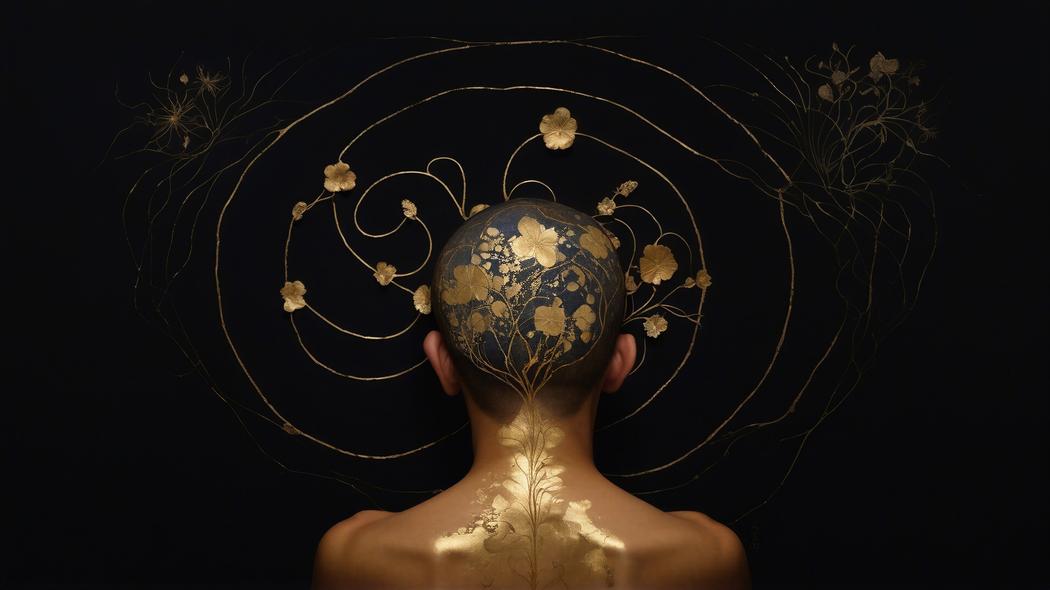 Pear Dropy | When Does The Frequency Of Longing Arrive | 2025
Animals—particularly cats—appear throughout your work, sometimes literally, sometimes symbolically. What do they hold for you?
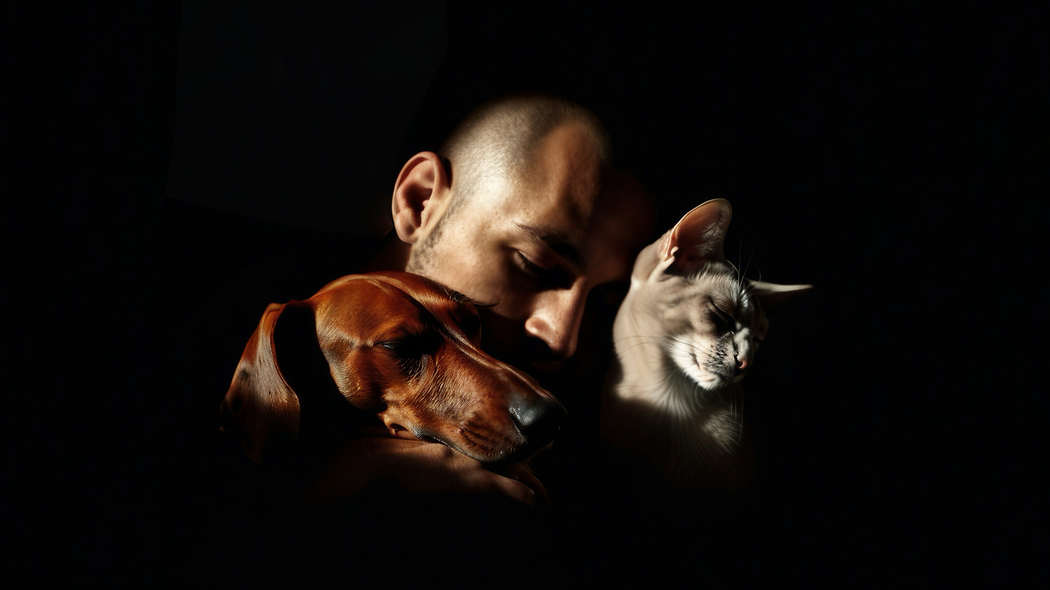
Animals feel like reflections of ourselves—our temperaments, our instincts, our ways of loving. I’ve tried to let both cats and dogs appear in my work. That Cat People Know Their Love resonated enough to be shown in the UK probably says more about how people feel about cats than about any intention of mine. It was one of two self-portraits I submitted; the other, more overtly political, belongs to a different body of work.
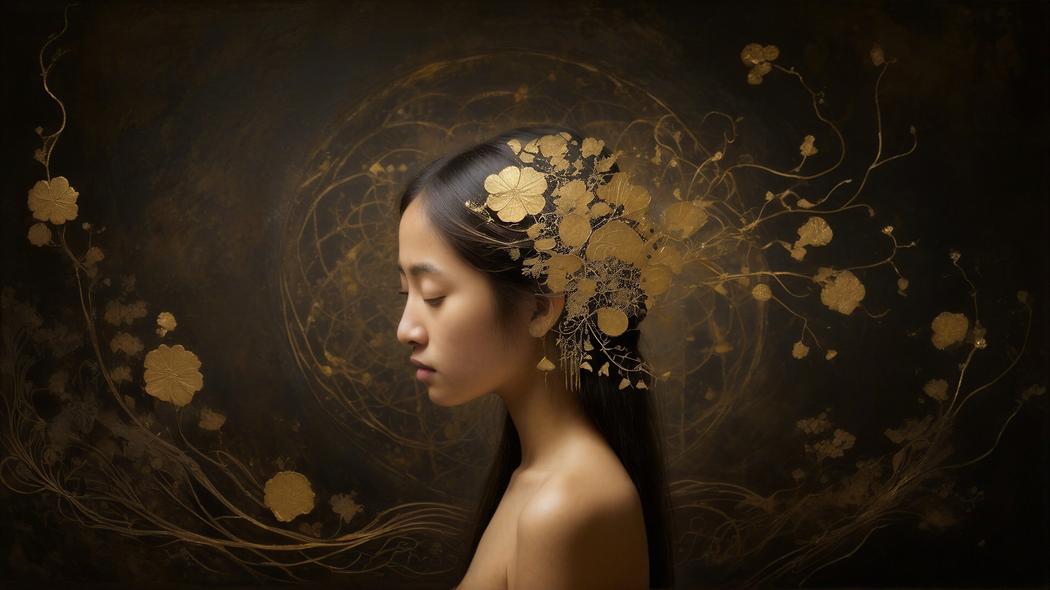 Pear Dropy | Where Did The Colour Go When You Closed Your Eyes | 2025
How To Let the Wrong Thing In
To belong is not always to match.
Some ideas arrive
dressed in the wrong season
carrying nothing
but the ache of becoming.
You try to make sense of them—
but sense was never their goal.
They knock,
not to be recognised,
but to be allowed.
You’ll want to close the door.
You’ll feel the itch to tidy,
to align,
to mute the note
that doesn’t harmonise.
But leave it.
Let the discord echo.
Let it shift the space
between what you thought
and what could be.
Not every thought
will stay.
Not every vision
is meant to fit.
But some will grow wild
in the corner of your mind—
turning light
into colour
you would never have chosen.
That’s the thing
about letting the wrong thing in.
It teaches you
what right never dared to become.
Leave a Reply
You must be logged in to post a comment.