
Liyu Yuan
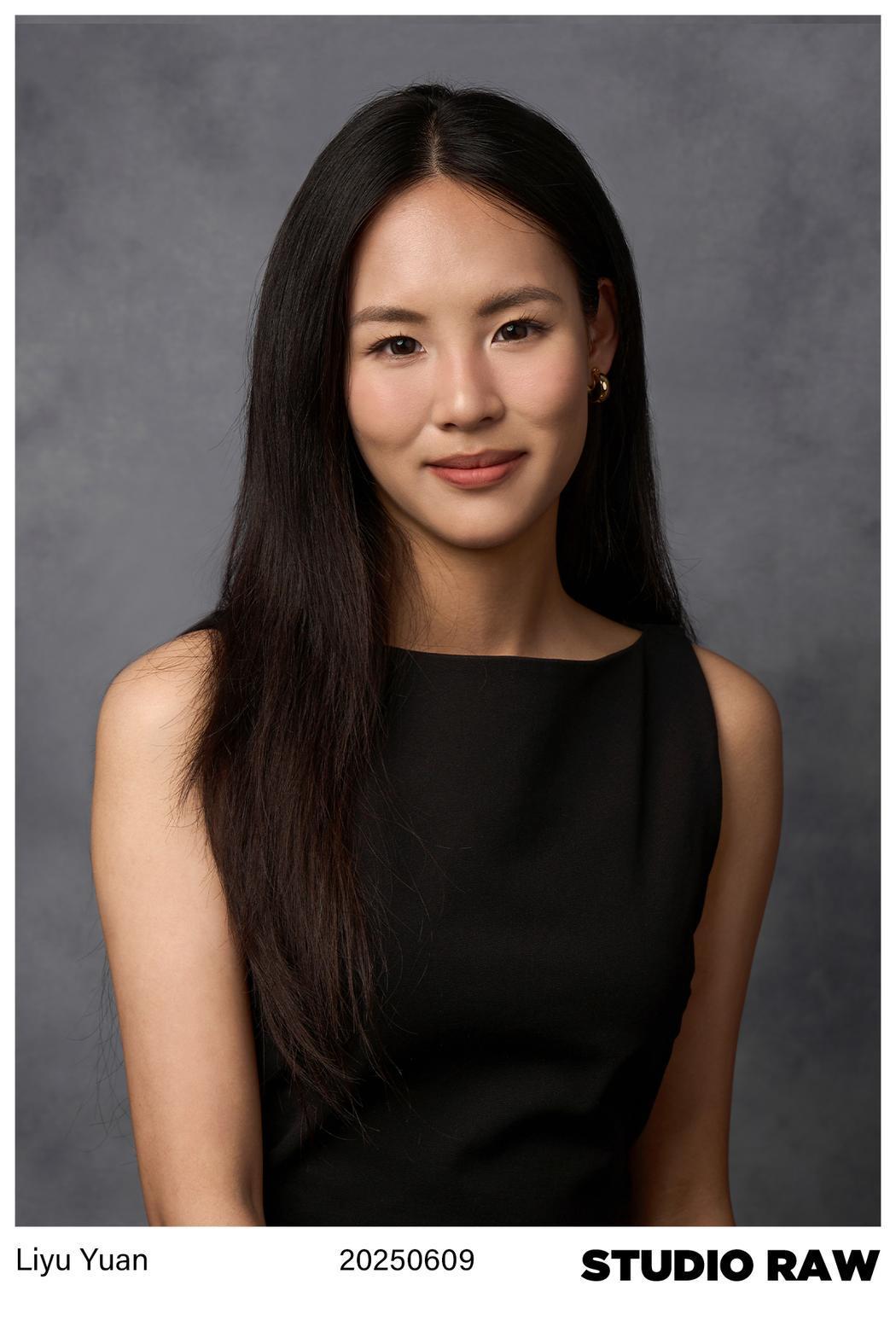
Your work consistently centers on the human body as a site of emotional and social tension. When you begin a new piece, do you start from a bodily gesture, a concept, or a lived experience?
I usually begin from a lived experience rather than a fixed concept or a predefined bodily gesture. What stays with me is often a moment that has not fully settled—something quiet, repetitive, or emotionally unresolved. These experiences are carried by the body before they are articulated intellectually. I pay attention to how the body occupies space, pauses, repeats actions, or responds subtly to its surroundings. Concepts arrive later, as a way of organizing what has already been experienced. I want the work to provide a sense of presence and duration, allowing viewers to encounter the body as something that holds time rather than illustrates an idea.
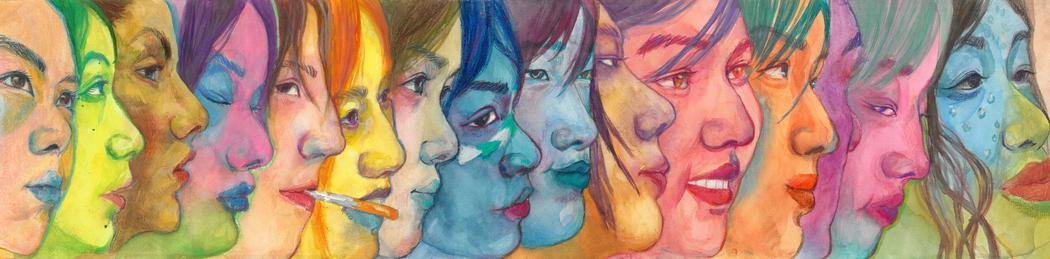 Liyu Yuan | Perpetrators, Bystanders, Survivors | 2025
Overlapping figures and colors appear frequently in your work. How do these visual entanglements reflect your understanding of responsibility and complicity within social systems?
The overlapping figures and colors in my work do not function as direct representations of social systems, but as visual conditions that mirror how individuals exist within them. Layering allows forms to coexist without hierarchy. Figures are neither isolated nor fully merged; they remain partially legible while influencing one another. This visual entanglement reflects my understanding of responsibility as something distributed rather than singular. It is often unclear where one presence ends and another begins, much like our positions within social structures. The viewer is asked to navigate these layers slowly, becoming aware of their own position in relation to what is seen. Responsibility, in this sense, is not declared but felt through proximity and duration.
Bullying is a difficult and emotionally charged subject. What led you to approach it through painting rather than text, research, or activism alone?
I was interested in how certain experiences linger in the body long after the event itself has passed: hesitation, silence, internalized pressure. These sensations are difficult to articulate through text alone. Through painting, I could work with accumulation, erasure, and repetition—processes that reflect how such experiences are remembered rather than narrated.
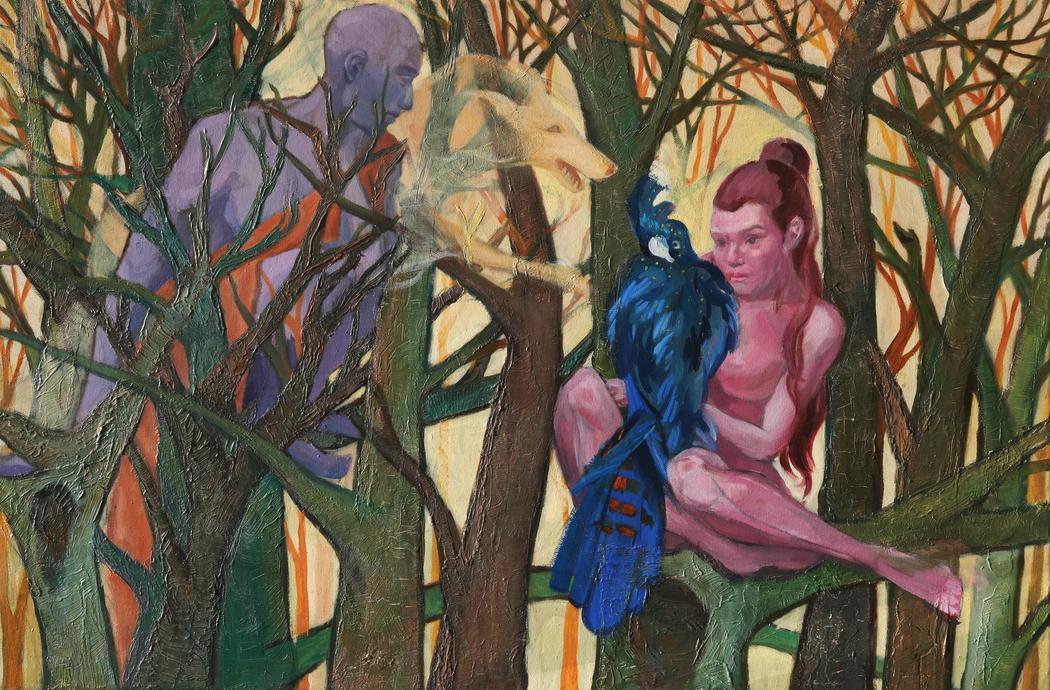 Liyu Yuan | Nature Is A Temple | 2025
Animals such as the snow leopard, mountain goat, parrot, and hunting dog appear symbolically in your paintings. How do you decide which animals enter a work, and what role do they play in your visual narratives?
Animals in my paintings represent a more instinctive and truthful layer of human relationships. I am interested in aspects of connection that exist before language or social roles—states such as alertness, dependence, intimacy, or vulnerability. Animals allow me to approach these conditions without the cultural expectations attached to human figures. By introducing animals into the image, I create a space where viewers can sense relationships in a more subtle and purified way. These figures do not carry fixed symbols; instead, they operate through posture, proximity, and gaze. This openness helps both the viewer and myself access emotional states that are often difficult to articulate directly.
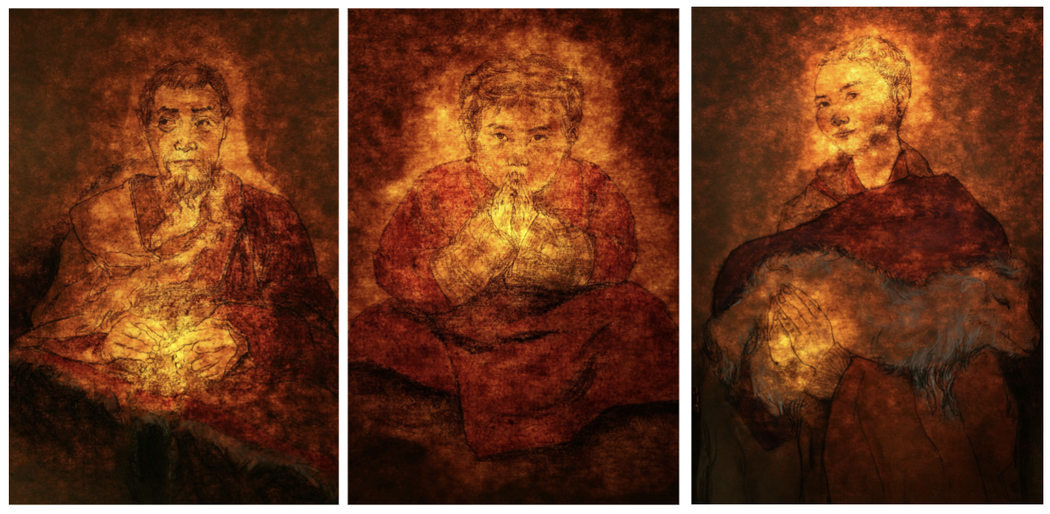 Liyu Yuan | Prayer Of Faith | 2025
Texture plays a crucial role in your practice, from mortar and crack paste to layered watercolor. How does material choice shape the emotional register of each series?
Material choice is never neutral in my work. I select materials based on how they respond to time, pressure, and touch. Mortar and crack paste introduce resistance and weight, while watercolor allows for diffusion and loss of control. These physical behaviors directly shape the emotional register of each series.
I am interested in how materials hold traces of process—cracks, stains, accumulations. These marks are not decorative; they register duration and friction. Rather than illustrating emotion, materials embody it. They slow down the making process and invite a similar pace of viewing.
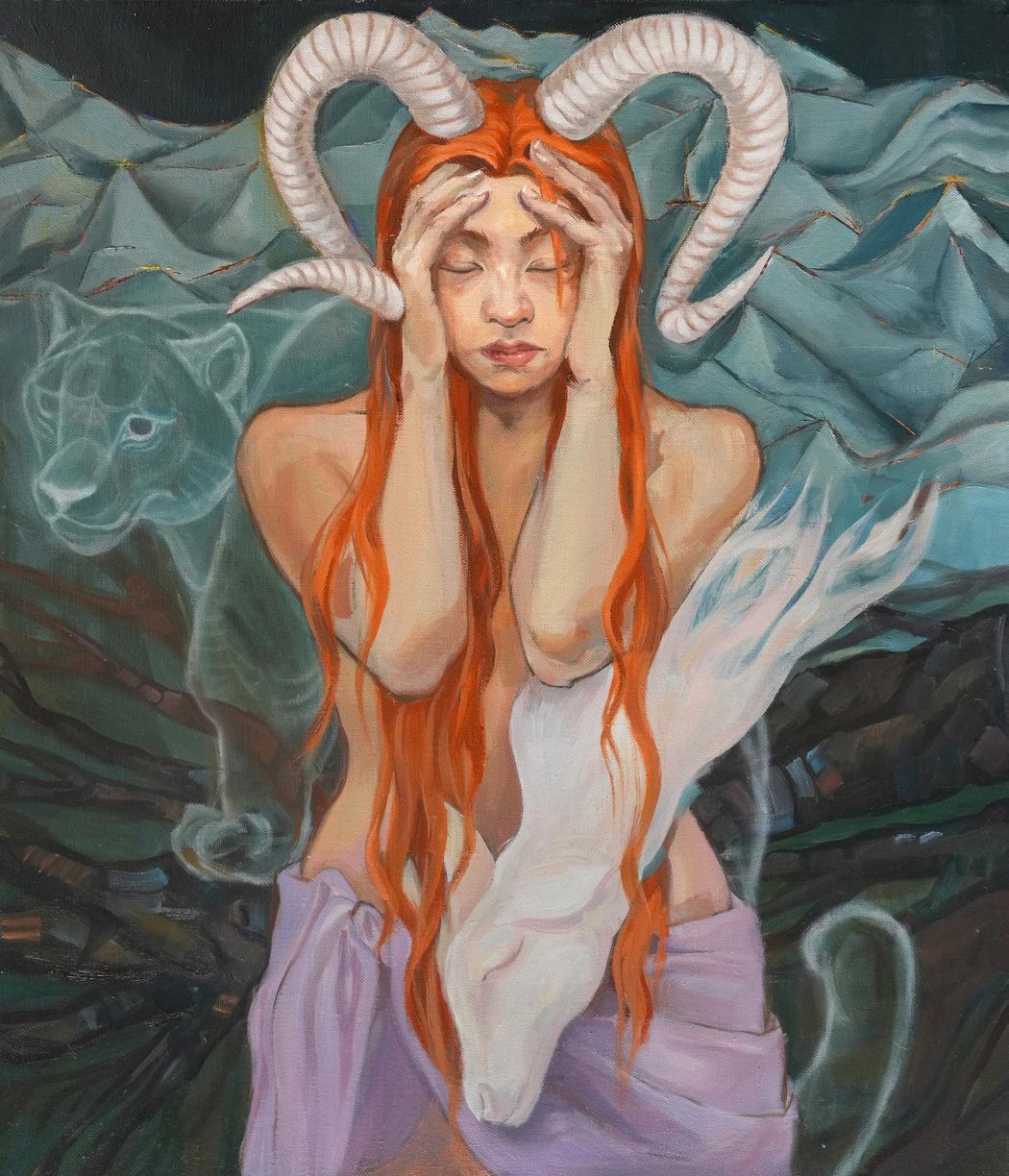 Liyu Yuan | The Moutains Are Calling | 2024
As a BFA student at RISD, how has your academic environment influenced your conceptual thinking and material experimentation?
The academic environment at RISD has been open, rigorous, and deeply collaborative. What has influenced me most is learning from my peers. Through daily studio exchanges, critiques, and informal conversations, I have been exposed to different ways of thinking, making, and questioning. RISD has provided a space where curiosity is taken seriously. The collective energy of the studio has sharpened my awareness of process and has reinforced the importance of dialogue in artistic development.
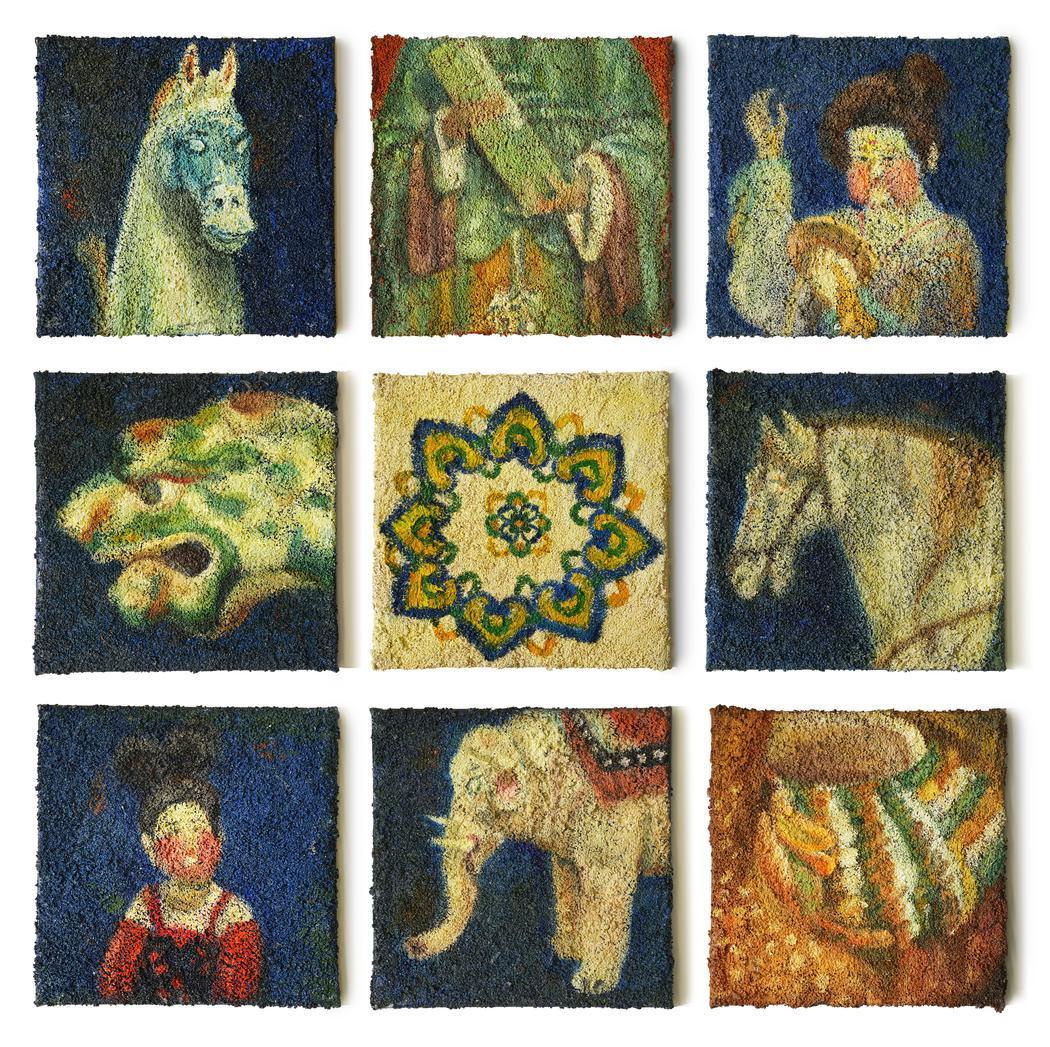 Liyu Yuan | Tang Sancai Glazed Ceramics | 2024
When viewers encounter your work, what kind of awareness or responsibility do you hope they carry with them after leaving the space?
I do not expect viewers to leave with a clear message or moral conclusion. Instead, I hope they carry an awareness of their own presence—how they move, pause, and attend to what is in front of them. My work asks for slowed perception. In spending time with it, viewers may become more sensitive to subtle tensions, overlaps, or absences. If there is a form of responsibility, it lies in acknowledging complexity without rushing to resolution. I hope viewers leave with a lingering sense of duration, carrying with them the experience of staying with something that does not immediately resolve itself.
Leave a Reply
You must be logged in to post a comment.