
Olesya Novikova
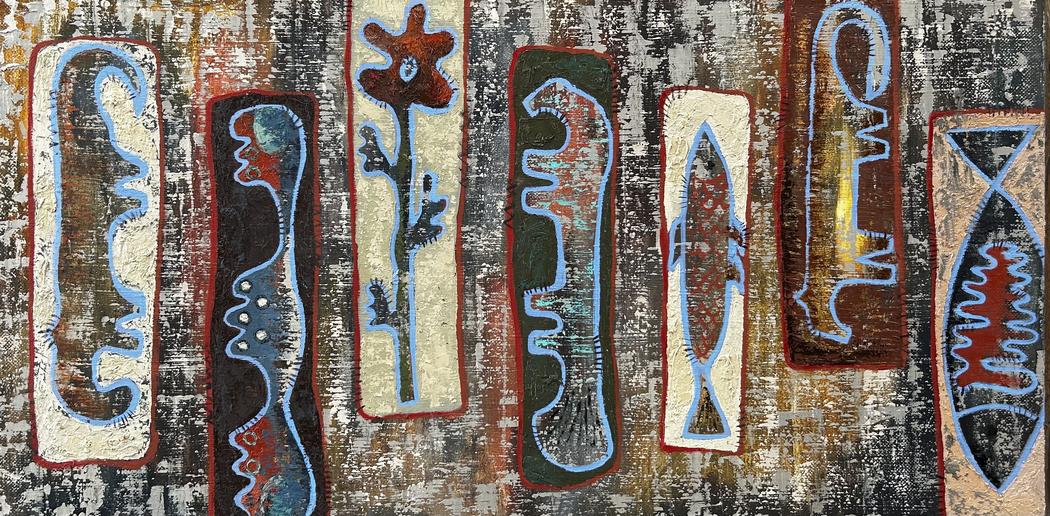
Your project “Sundresses of Sleep” is deeply rooted in childhood memories. Can you recall the very first image or sensation that triggered this series?
Yes, indeed, this series of works—like many others—is inspired by childhood sensations. The images that fill my works are often drawn from the present day, but the core idea was born precisely from the feelings and memories of a small child.
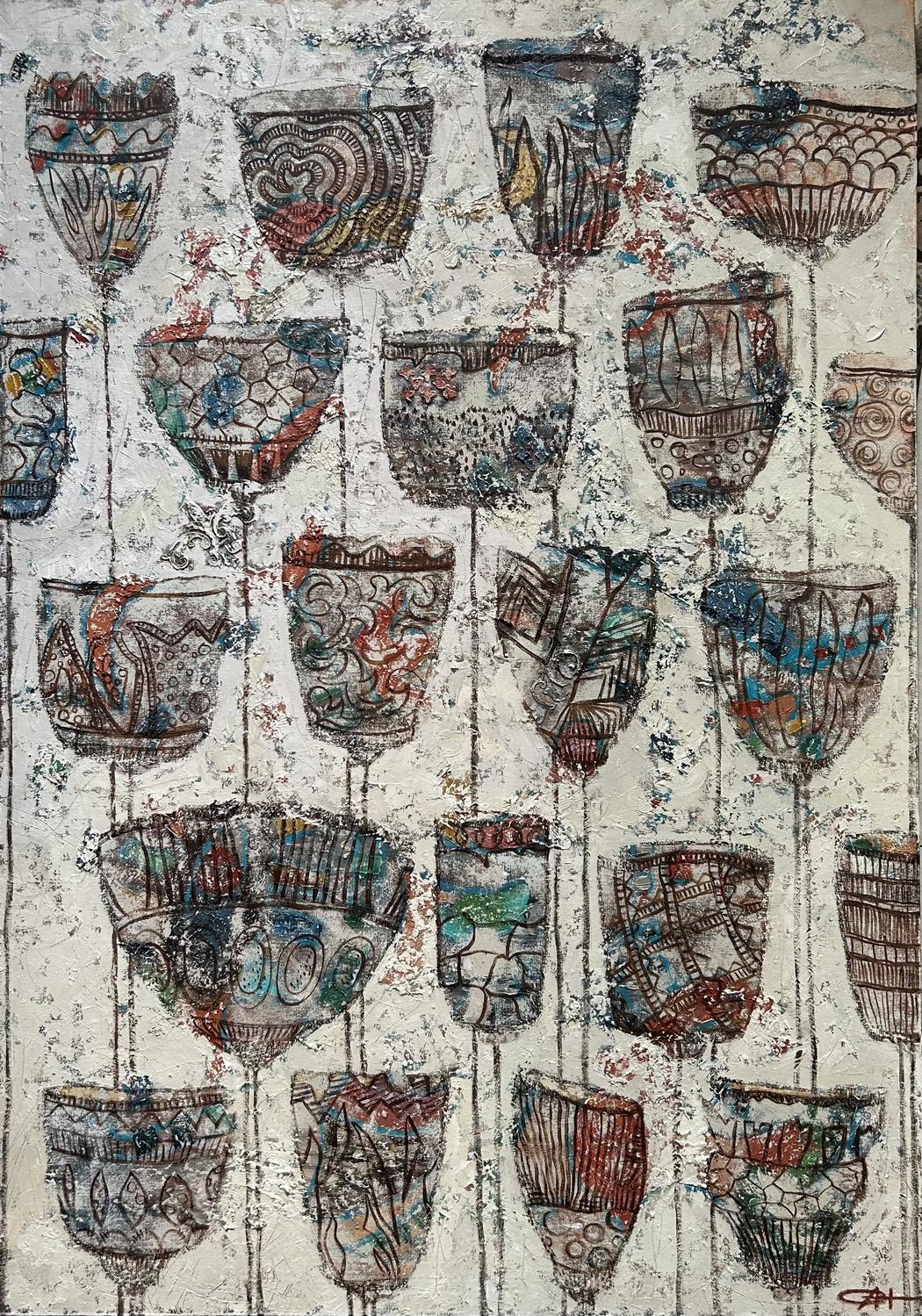
You often work with ornamental rhythms and repeating patterns. How do these visual structures relate to memory, comfort, and the feeling of safety?
The theme of ornaments and patterns feels close and deeply interesting to me—I see both aesthetics and meaning in it. The orderly arrangement of elements in an ornament always catches my eye; it is mesmerizing, like a beautiful dance frozen in time.
Many people probably have childhood memories connected to staring at wallpaper or a carpet hanging on the wall. You only need to evoke this, and suddenly “that very carpet,” with its fanciful labyrinths, can come back to life in your mind with surprising clarity—followed by other memories. When I was a child, I had a ritual: my mother reading books to me before bedtime. This daily act, like a repeating motif in an ornament, gave me a feeling of a cozy nest and calm. Mother, a book, a blanket—one of the formulas for a happy childhood.
Memory is a curious thing. It’s amazing that the subjects of my paintings reach into the farthest corners of memory and bring the best, most positive moments of life into reality.

Textiles, coverings, and fabrics play a key conceptual role in this project. What does the idea of “cover” or “veil” personally symbolize for you today?
“Pokrov” is an archaic word for a coverlet. Figuratively, it means protection and intercession. The theme of the pokrov—as a central concept of unconditional protection—is widely developed in Orthodox religion and art, especially in icon painting. In “Sarafans of Sleep” I focus on a personal perception of the pokrov: a mother’s embrace and the feeling of home. For me, this word is a synonym for warmth—both physical and spiritual. This cannot be a matter of fashion or trend; I relate the theme of the pokrov to timeless values.
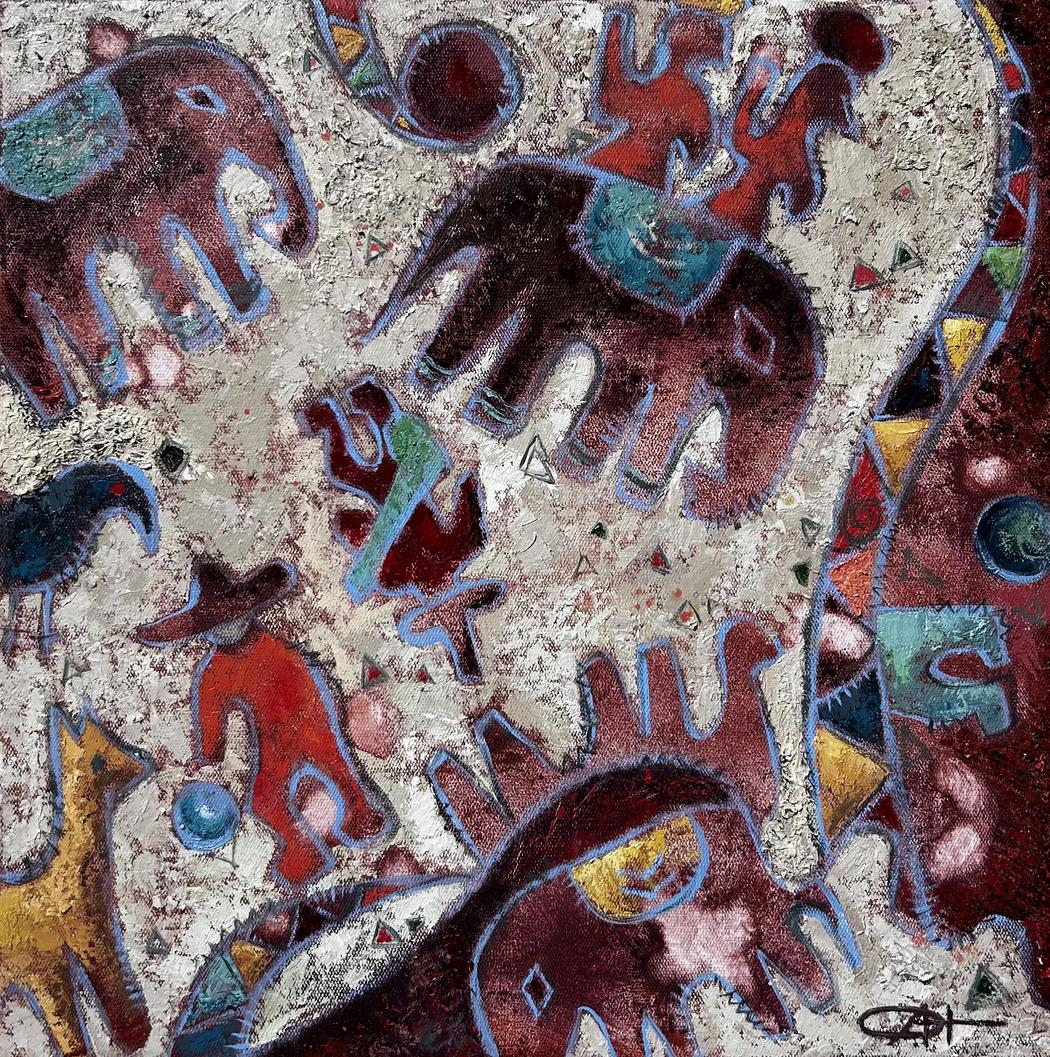
Many of your characters – animals, plants, human figures – resemble fairy-tale protagonists. Do these figures emerge intuitively, or do they carry specific symbolic meanings?
The characters are most often composite images. There’s no point in redrawing anything specific. I’m interested in combining different elements, building compositions from them, and creating a new ornamental visual language. Sometimes I take a fragment of an ornament and twist the narrative around it, making it the main protagonist. Some shapes and outlines emerge intuitively. I almost never make sketches. When there’s room for improvisation and spontaneity, the work becomes truly alive.
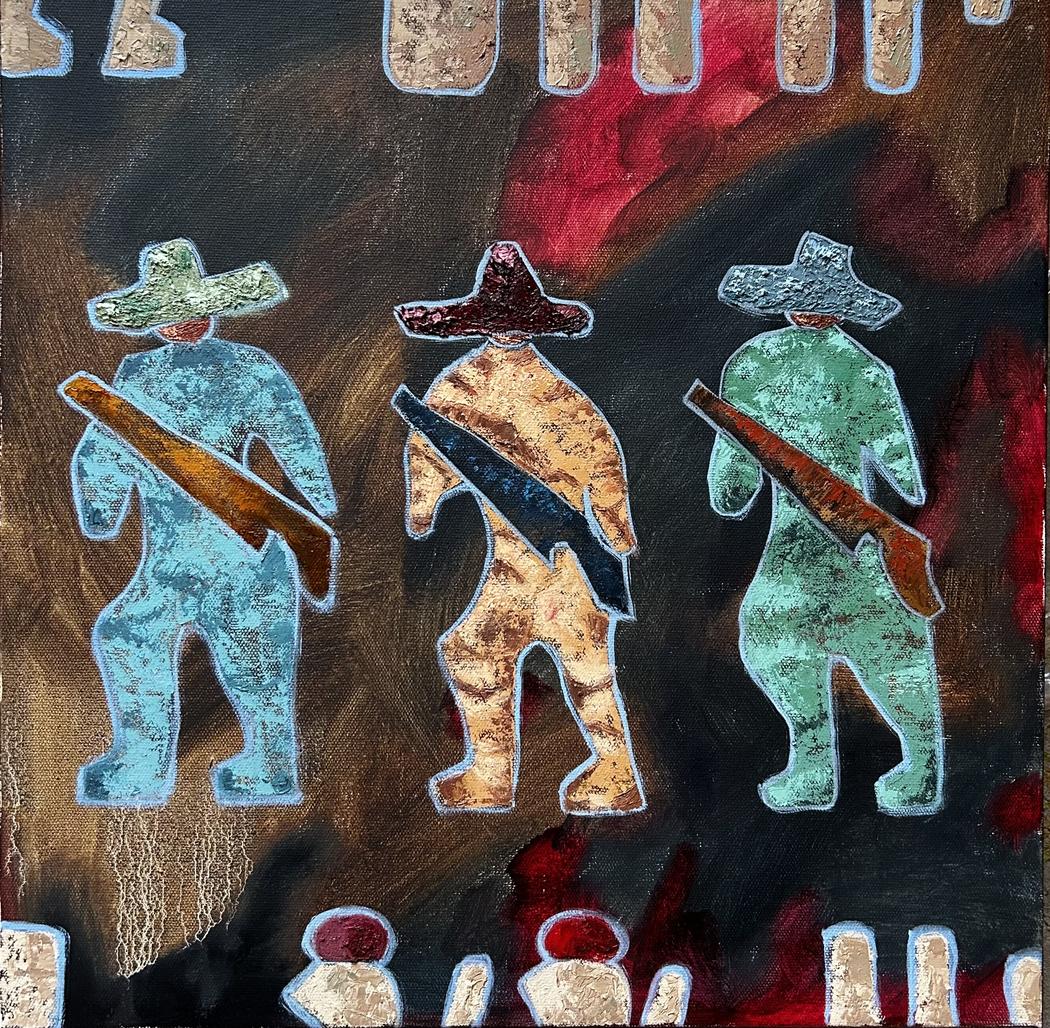
You mention the influence of childhood rituals such as bedtime stories. How has storytelling shaped your artistic language and visual narratives?
It all influences me directly. In my work, I often turn to the theme of the multifaceted nature of personality—to the aspects that shape it. Everything that surrounds a person from the very first days of life is imprinted deep in the subconscious and later reveals itself in every sphere of life. For example, one of my favorite books was Tales of the Peoples of the World. It featured incredible illustrations—an entire world of unheard-of creatures, ornaments, the characters’ costumes, and curious, wondrous objects. Books are a person’s most important companions.
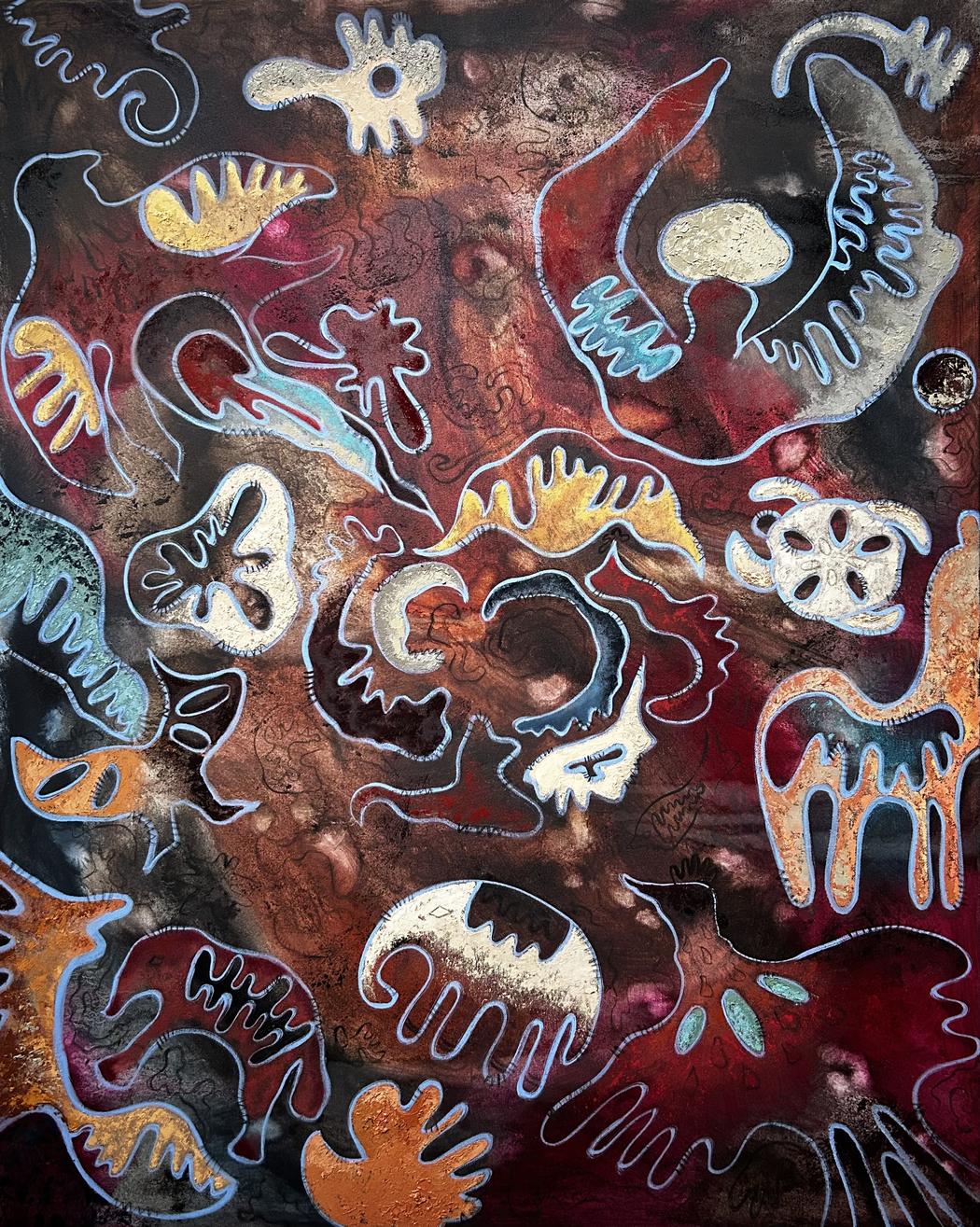
Your work balances abstraction and recognizable imagery. How do you decide when an image should remain abstract and when it should become figurative?
I like to keep a balance by combining different genres. In an abstract image, for example, there is more space for the viewer. But a recognizable form also has to emerge so that the meaning isn’t lost. It’s a constant dialogue with the painting as I work on it. For me, knowing that the balance has been reached and the painting is finished is an inner sense of measure.
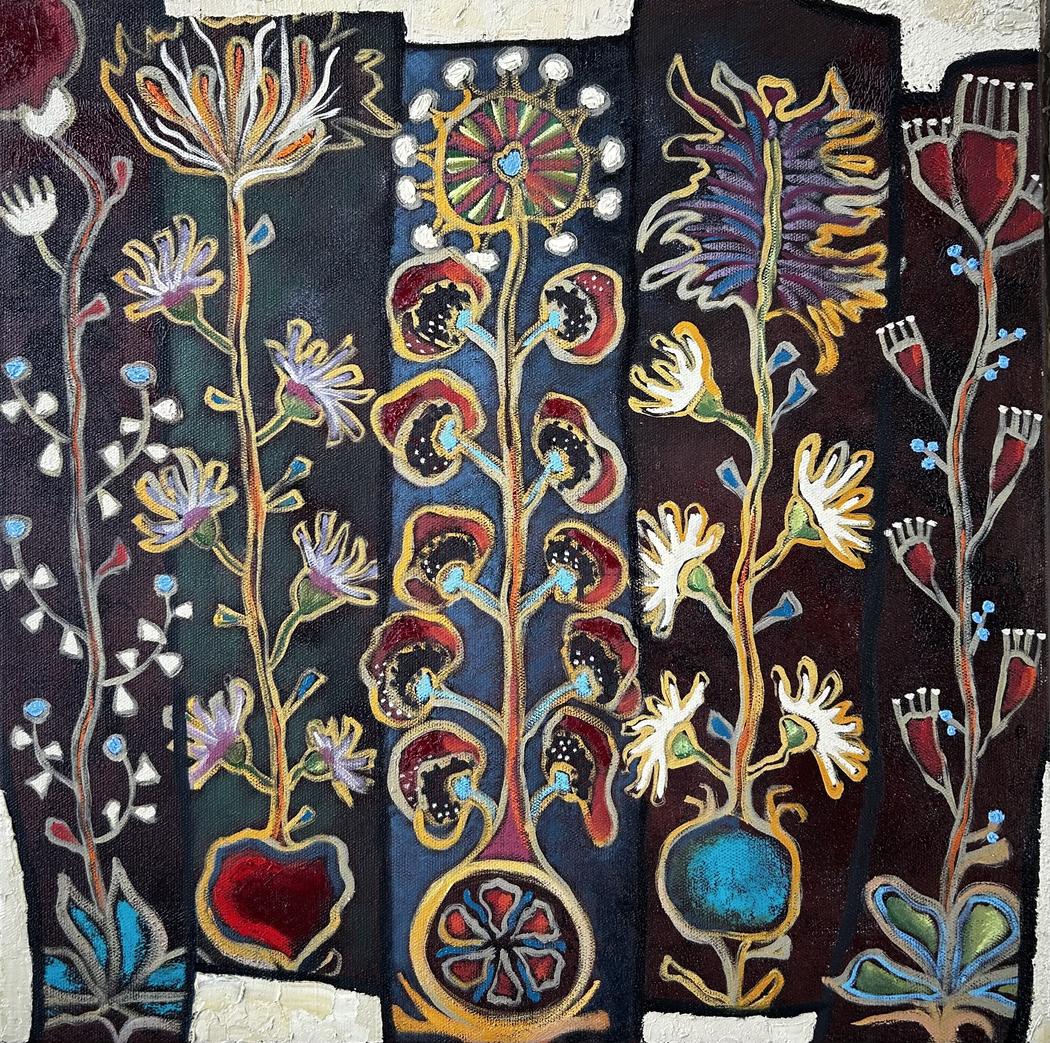
Many viewers describe your works as meditative. What emotional or inner state do you hope the viewer experiences while engaging with your paintings?
A state of nostalgia for something that has passed—something dear. I want to give the viewer an impulse to search and to travel into the forgotten corners of their own memory. In the context of the series “Sarafany sna” (Sundresses of Sleep), this is an address to one’s inner child—its way of feeling, remembering, and perceiving the world. Childhood is something everyone has had.
Leave a Reply
You must be logged in to post a comment.