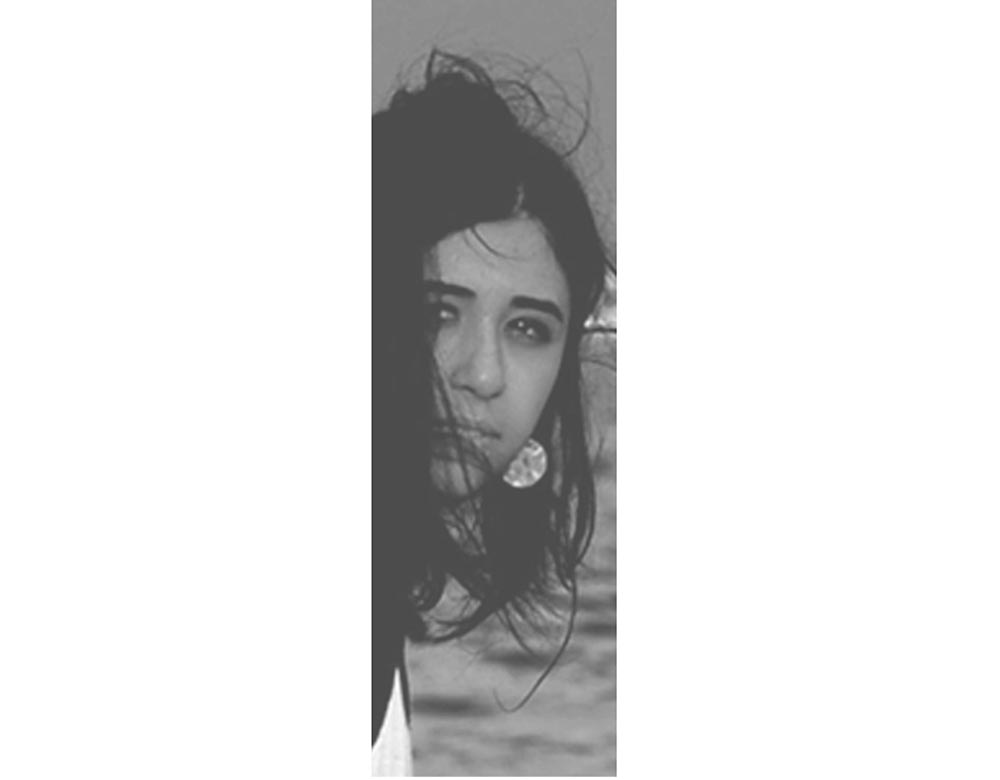
Zeynep Karaboğa
Your works often feel like records of movement rather than fixed images. How do you understand the idea of time in your painting process?
Yes, my works are snapshots of a brief moment. It’s like recording time with your instantaneous movements. The transformation of internal impulses into gestural expression in the moment, that is, the action itself, is the image formed on the surface. Because this practice occurs so quickly, it creates a sensation beyond the traditional perception of temporal time.
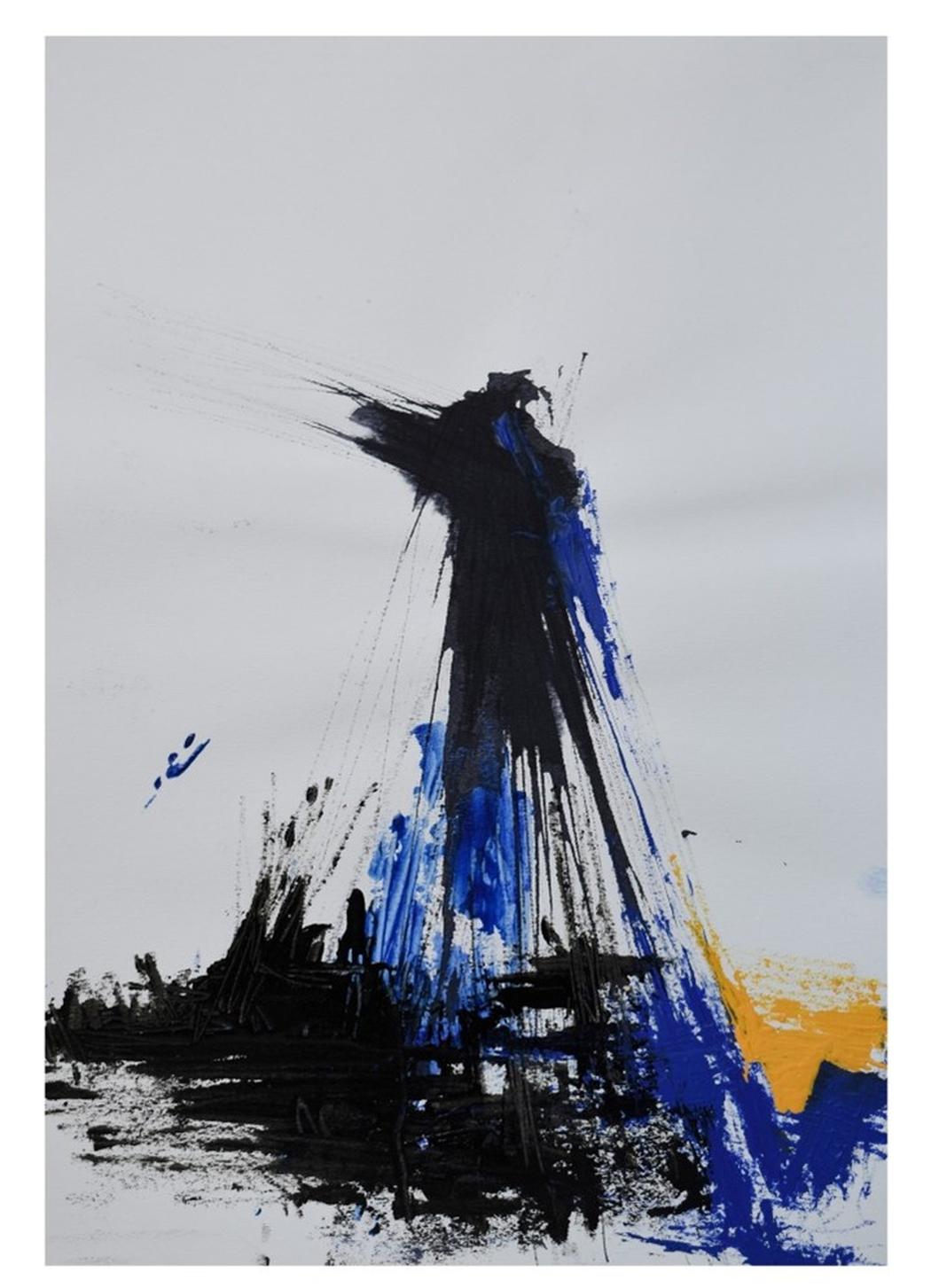 Zeynep Karaboğa | Resim
You work with pen, ink, watercolor, acrylic, and calligraphic gestures. How do these materials influence the emotional rhythm of your compositions?
I can create shapes using these materials with an automatic approach and an experimental attitude, along with a free brush style. Specifically, I allow the brush and ink to create their own shapes on the paper with their own fluidity, only guiding the rhythm of the material. Therefore, the rhythm I give depending on the material is actually an internal foresight and expression. Because I work very quickly, I use water-based materials (acrylic, watercolor, ink); water is both calming and dynamic, naturally contains contrast, which can lead the viewer to a natural flow of emotion.
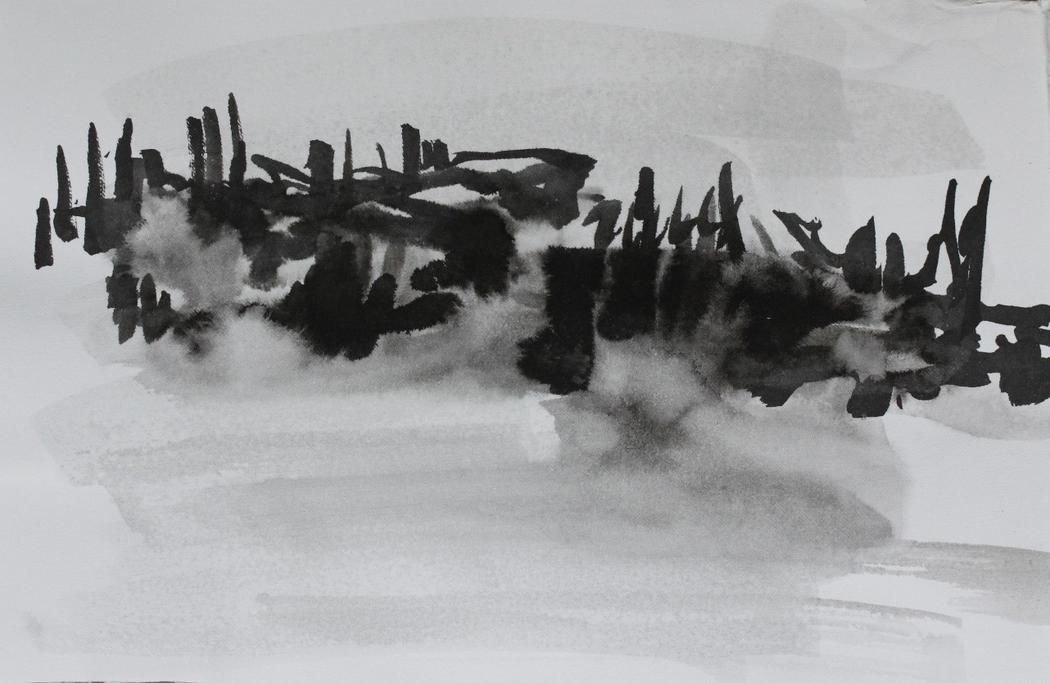 Zeynep Karaboğa | Resim
Having completed both a master’s degree and a PhD in painting, how has academic research shaped – or challenged – your intuitive practice?
During my academic research process, I had the opportunity to meet many artists and concepts who had a place in art history and worked experimentally with similar feelings to me. I particularly researched Abstract Calligraphy (providing emotional communication in abstract form) conceptually. In this context, I discovered the similarity of the shapes and forms created with my previous works. The fact that the forms appearing on the surface in these works are not expected to mean anything or contain a symbolic meaning is very similar to the process of formation of my application works. This discovery also guided me in examining the methods of Far Eastern calligraphy.
Many of your works suggest a dialogue between control and spontaneity. How do you negotiate this balance while working?
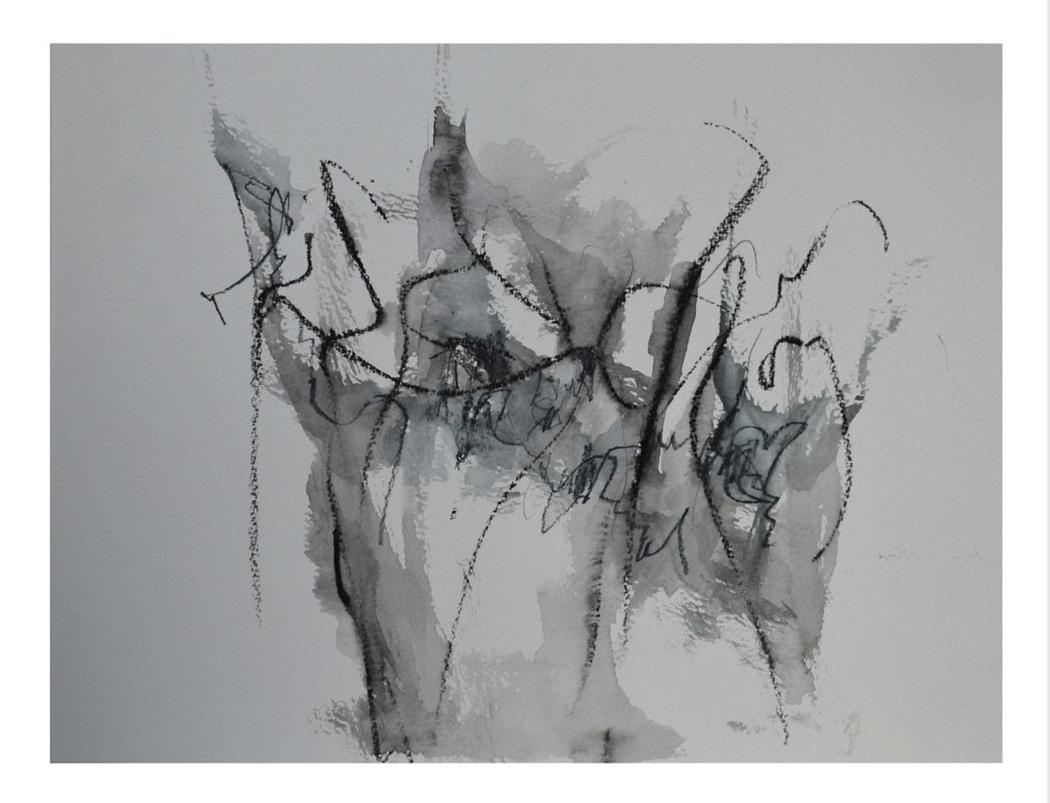
The stains in my paintings can make feel different meanings depending on the viewer’s personal perception. This situation can also be considered as a physically controlled energy management that is ‘done without thinking’, ‘outside of thought’. In fact, the basis of managing this controlled energy is possible by ensuring cooperation between the hand, heart and brain. The essence of my work is actually this phenomenon.
 Zeynep Karaboğa | Resim
Calligraphy seems to play an important role in your visual language. Is this influence, more cultural, spiritual, or purely formal for you?
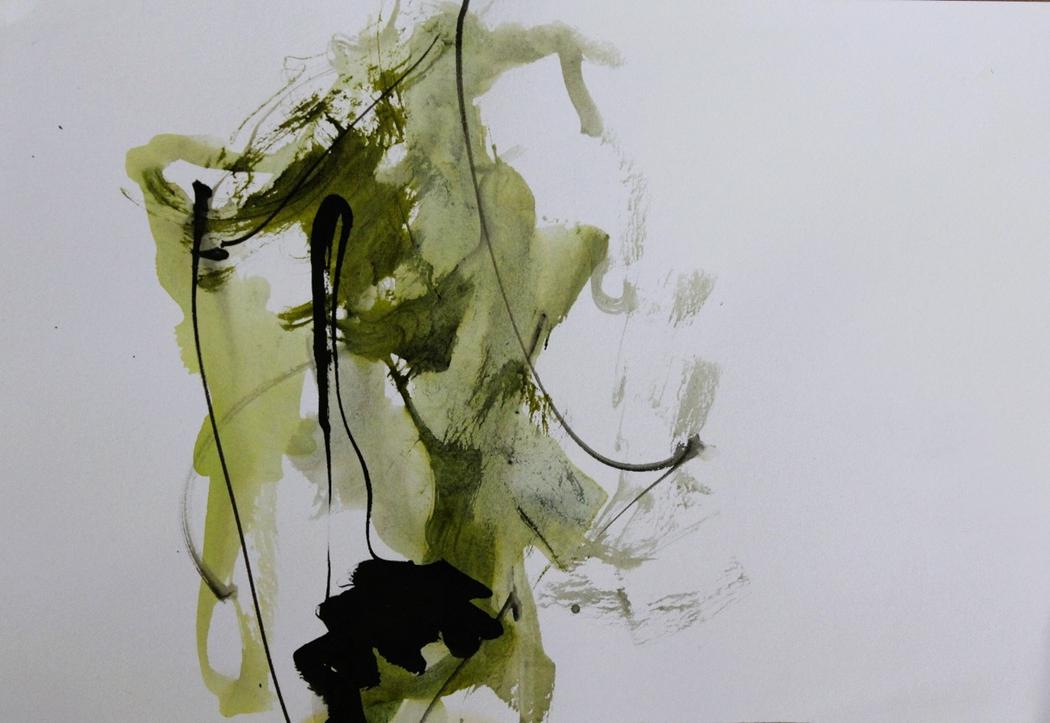
Calligraphy is known as the art of beautiful writing, I think writing and painting are instinctively similar. Calligraphic line is found in the works of many artists, especially those who produce informal works. Ink, which is identified with calligraphy (Calligraphy Art), is also a plastic element in expressing the inner world of artists. It is a material that allows abstraction and improvisation and strengthens expression in action painting. However, I did not act with any thought about calligraphy while creating my works. My works were created spontaneously, that is, by freeing the unconscious, without boundaries and without the need for a focal point. This situation can be thought of as visual experiences in which I express the existence of possibilities and randomness through material.
 Zeynep Karaboğa | Resim
Your abstract works often evoke landscapes, figures, or architectural forms without depicting them directly. Do you begin with an image in mind, or does it emerge during the process?
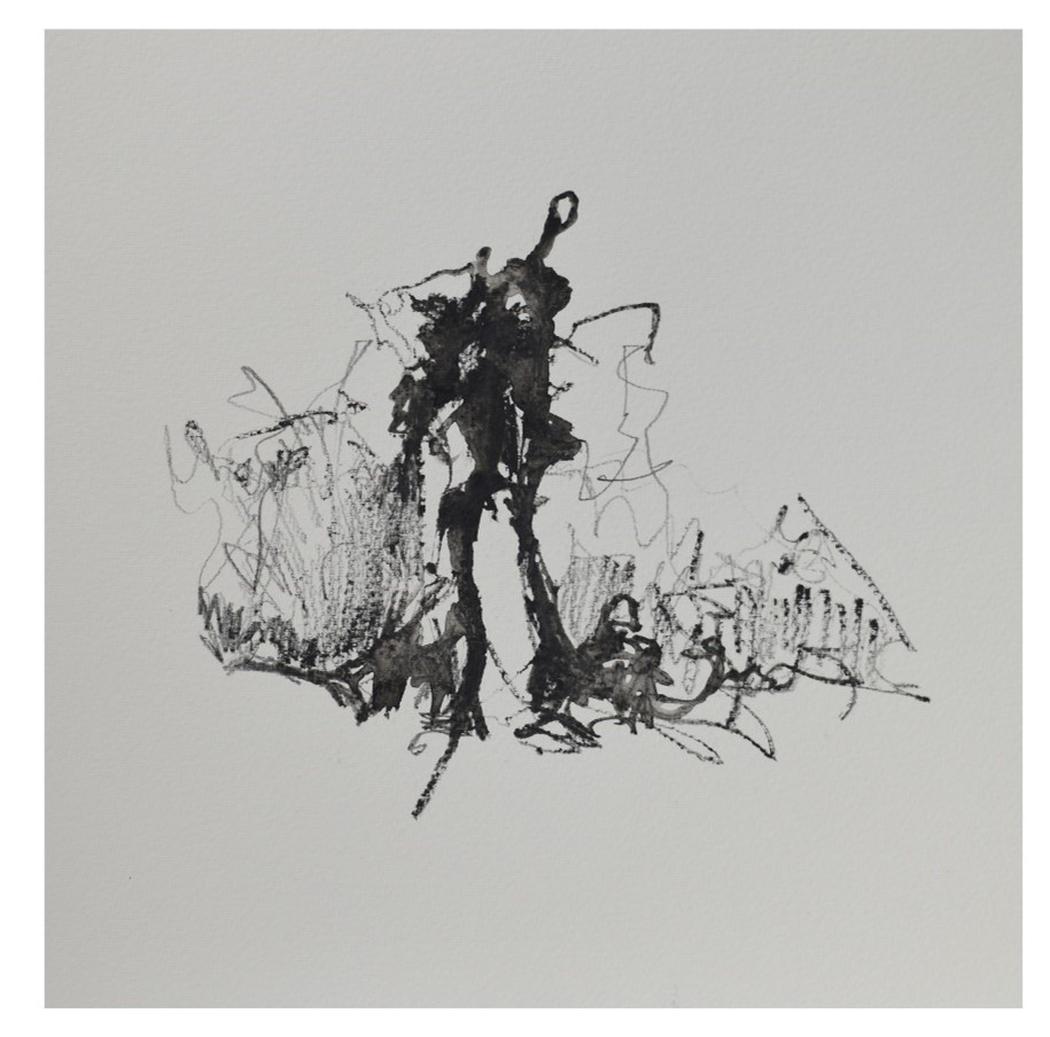
My works are not created with any view in mind, but the natural views that have taken place in my subconscious (rocks, sea, grass, wind, clouds, dust, the natural environment I live in, social environment, journeys, colors, sounds, impressions, etc.) and atmospheric events can be considered as factors in the formation of my paintings. My improvisational approach to the creation of my works is similar in all my paintings. My paintings are visual creations that reflect my personal and emotional experiences. My works, which are created without any intuition or rules, can be evaluated completely from a feeling and emotional perspective.
 Zeynep Karaboğa | Resim
How do you see the relationship between Eastern and Western painting traditions reflected in your current practice?
The formation and development of my current painting practice is the result of many years of work, a strong inner strength and breadth of feeling. As a painter who was introduced to Western art history and painting techniques at the beginning of my education process, as the process progressed, I learned that the Far East has a much longer history in painting. In fact, I discovered the interest in Eastern arts of many painters who made their names in history in the West. Along with this discovery, I also wrote a thesis about how artists with close feelings who lived in distant geographies communicated with the development of transportation and communication, and their common ideas, works and exhibitions. As someone who was born and raised in a city that combines East and West, the effects of traditions on our current life and thoughts are undeniable. But no matter what art form you are dealing with, your geographical location, or the time period you have lived in, it is your inner experiences and soul that guide you.
Leave a Reply
You must be logged in to post a comment.