
Jooyeon Lee
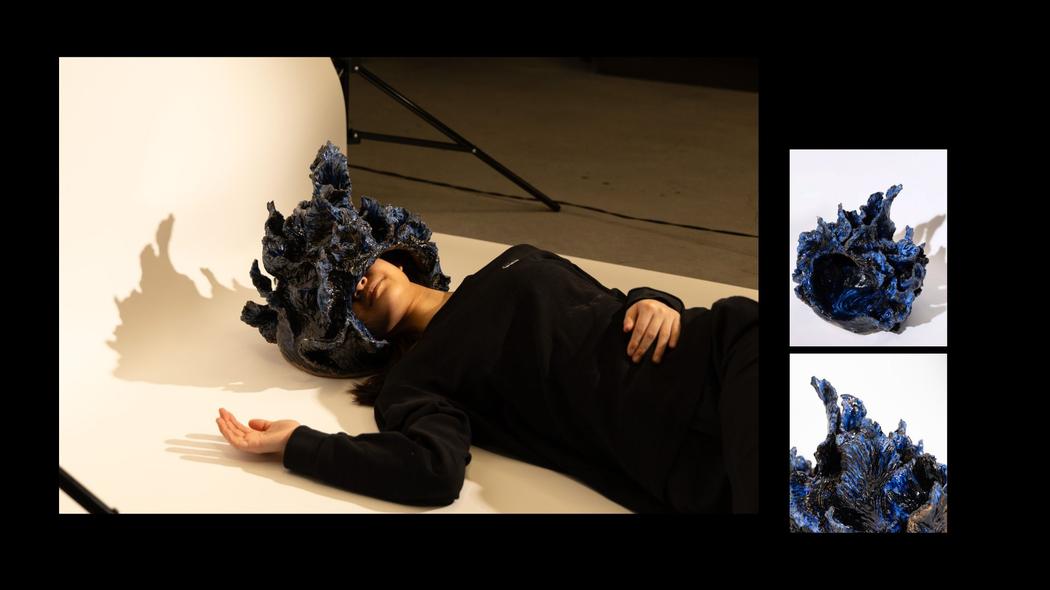
Your works often invite viewers to experience instability physically or emotionally. What draws you to creating situations where the audience must confront hesitation or uncertainty?
I am interested in the quiet moment before action—the pause when the body doesn’t yet know whether to approach, touch, or retreat. Instability is not something I ask viewers to solve; it is a condition we all inhabit. By staging environments that tremble, resist, or fail to behave as expected, I make visible how people negotiate doubt. The work becomes a site where risk, care, and misalignment coexist, and the viewer’s body becomes the thinking instrument. Uncertainty is not something I offer resolution for; it is the terrain where meaning emerges.
Many of your pieces involve bodily interaction—touch, balance, or shared tension. How do you think the body functions as a tool for understanding emotional or relational vulnerability?
The body is often more honest than language. A flinch, a hesitation, or a leaning-in reveals more than a verbal statement. When viewers engage with a precarious surface, a trembling object, or a cold ceramic form, the body registers uncertainty before the mind rationalizes it. That sensory encounter mirrors interpersonal dynamics—how we approach someone we love, how we defend ourselves, how we are held or disappointed. The body becomes the first site of emotional truth.
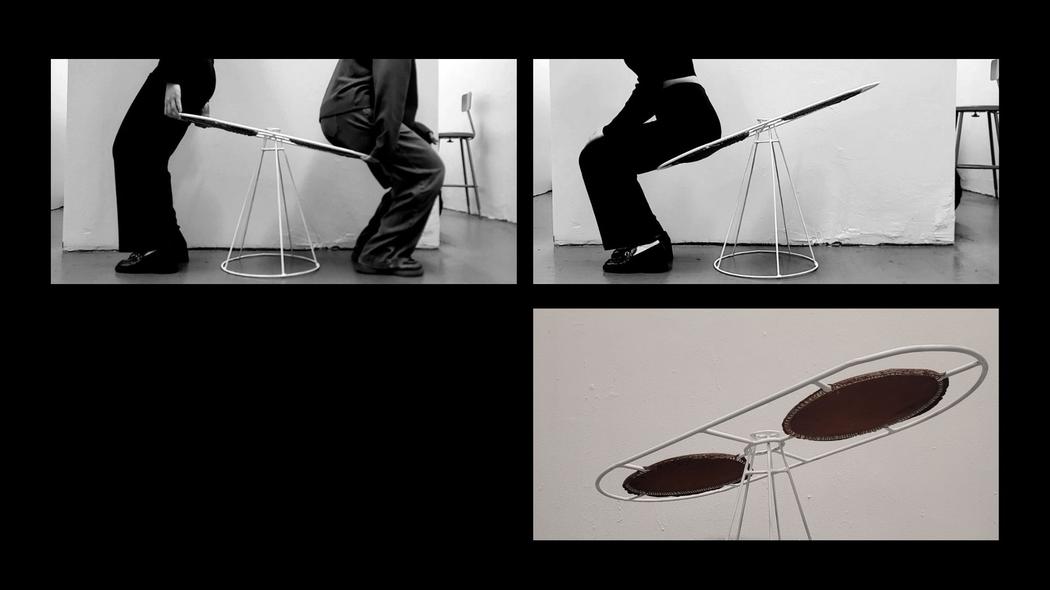
In your statement, you speak about the “collapse of expectation.” Can you recall a personal experience that first made you aware of the creative potential in disruption or dysfunction?
I learned early on that things rarely turn out as promised. A roller-coaster incident where someone’s phone struck me in the face taught me that control is often an illusion—yet what mattered most was how I chose to inhabit that instability. Instead of reacting with anger, I observed. That moment crystallized something that continues in my work: breakdown exposes structure. When something doesn’t function, we suddenly see what we take for granted—care, responsibility, friction, and repair.
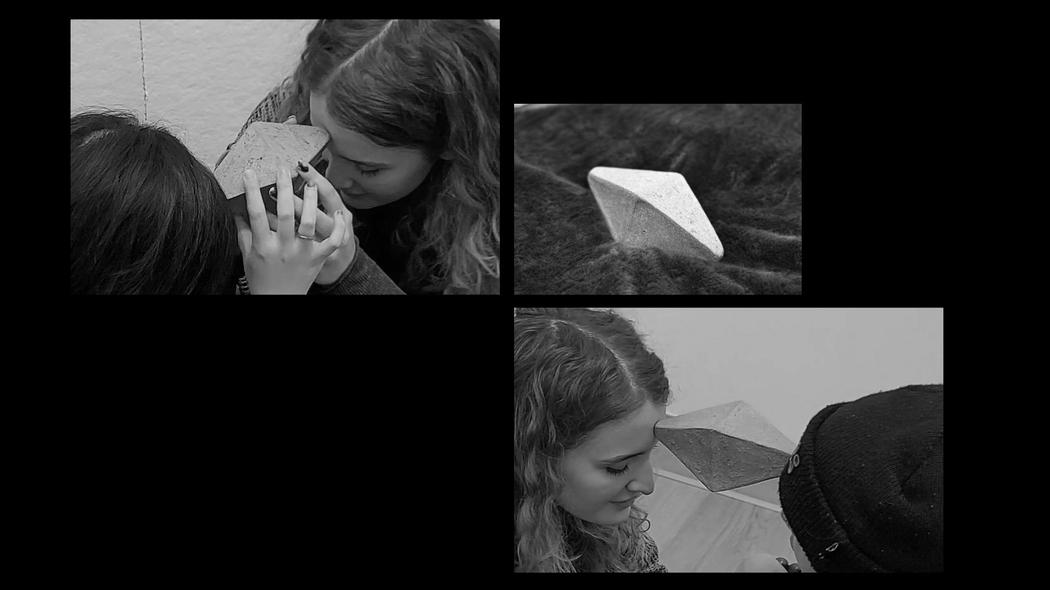
Your materials range from ceramic and metal to silicone and digital interfaces. How do you decide which material carries the emotional or conceptual weight of a particular piece?
Material is never neutral. Ceramic holds memory and touch but remains cold when embraced. Metal carries gravity, authority, and risk. Coding introduces systems of instruction, failure, and algorithmic tension. I choose materials by sensing what contradiction the work needs—softness that resists, weight that wobbles, or technology that doesn’t fully obey. The emotional charge lives in friction between expectation and encounter.
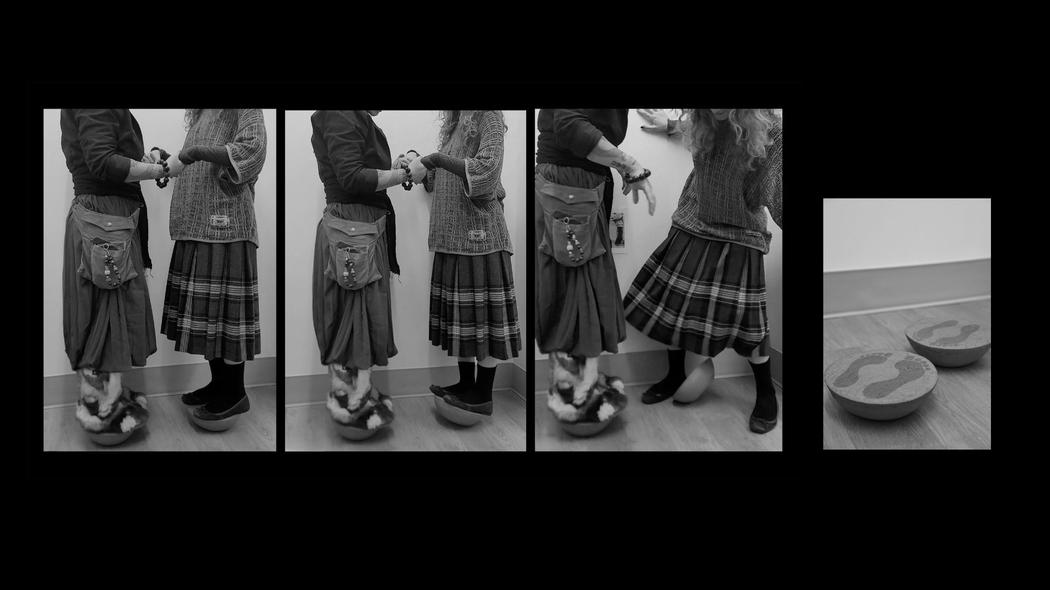
Migration and shifting cultural contexts are part of your personal story. In what ways do these experiences shape your exploration of instability, care, or dependency?
Migration taught me that infrastructure—emotional, cultural, or systemic—breaks quietly and often. You learn to adapt, to depend on structures that don’t fully hold you, and to build alternative forms of support. This sense of precarity informs my practice: build installations where support fails, tension shows itself, or contact is both desired and resisted. It also sharpened my sensitivity to care—who receives it, who performs it, and how often it is unnoticed. My work is an expanded reflection on displacement—the instability we carry and the negotiations that form belonging.
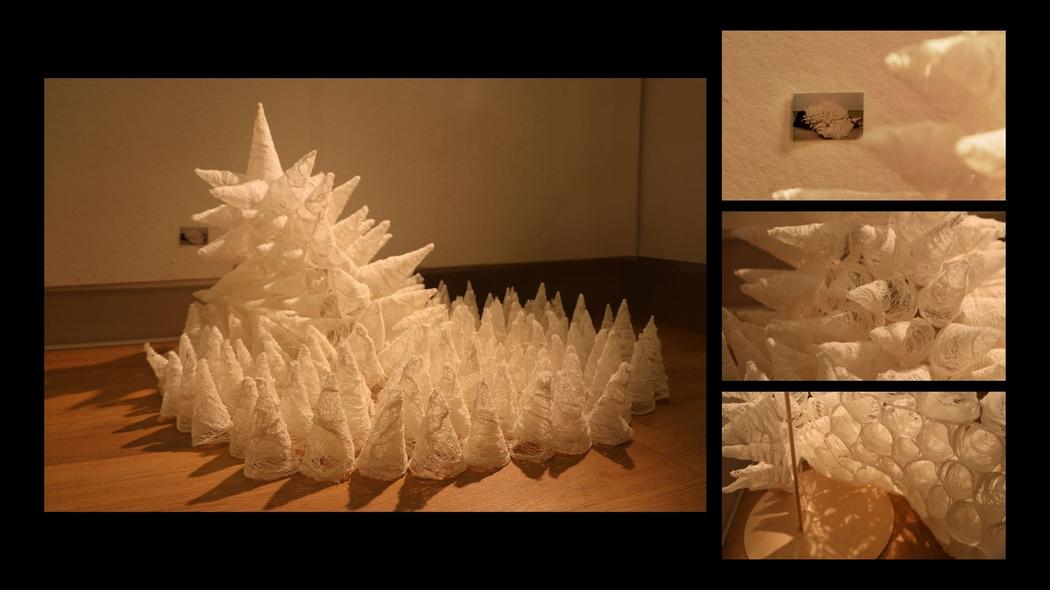
Your practice touches on relationships—motherhood, intimacy, trust, and separation. What are you currently most interested in exploring within these interpersonal themes?
I am currently most interested in the moment before closeness—where desire, fear, and hesitation coexist. Rather than depicting resolution or intimacy achieved, my work lingers in the threshold where connection is possible but not guaranteed. Intimacy, trust, and separation all contain this suspended state: the longing to be held, the instinct to protect oneself, and the risk of collapse inherent in leaning on another. My recent works—interactive ceramic pieces, fragile surfaces, unstable supports—materialize this pre-relational space, where bodies or forces might meet but must negotiate uncertainty first. What draws me now is how people approach vulnerability: how trust is tested through hesitation, how intimacy forms not through safety but through risked proximity, and how relationships persist even when resolution never arrives. I am interested in the psychological and bodily negotiations involved in deciding whether to step closer, to rely, or to remain suspended.
In this sense, my work asks:
What does it take to stay near another when stability is not promised?
The unresolved, affective terrain of that question is the most fertile ground for my practice at present.
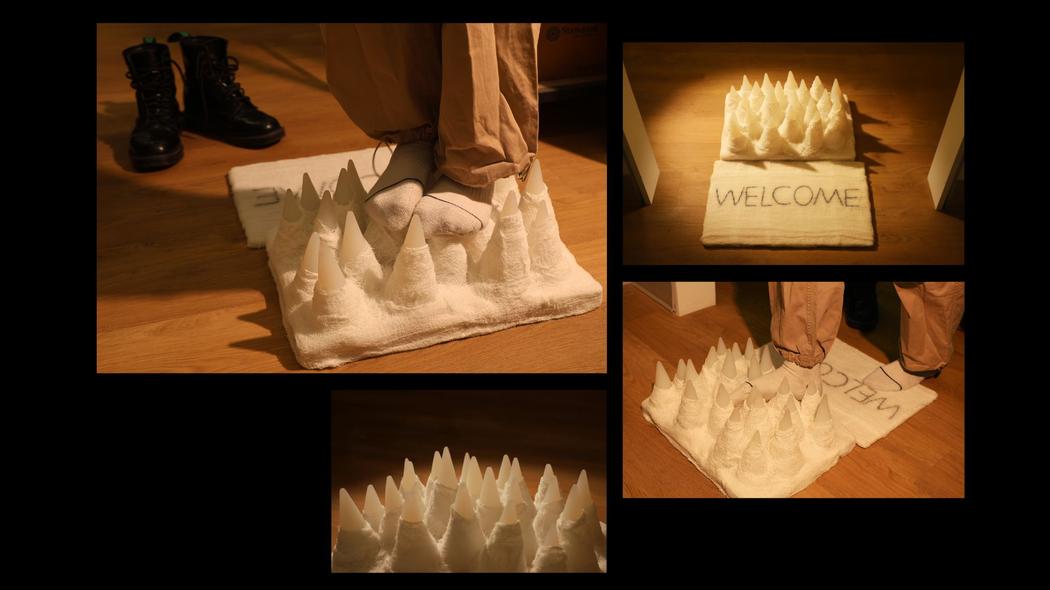
As someone working between sculpture and interactive installation, how do you see your practice evolving with new technologies such as creative coding or digital interfaces?
I see technology not as enhancement but as another material that can fail, misread, or resist. In my work, digital systems act like infrastructures—they sense, respond, misfire, or break. Creative coding allows me to externalize hesitation into logic, delay, or glitch. I’m interested in interfaces that reveal rather than hide vulnerability: systems where the viewer’s action triggers something incomplete or disproportionate. That tension aligns with my sculptural language.
Leave a Reply
You must be logged in to post a comment.