
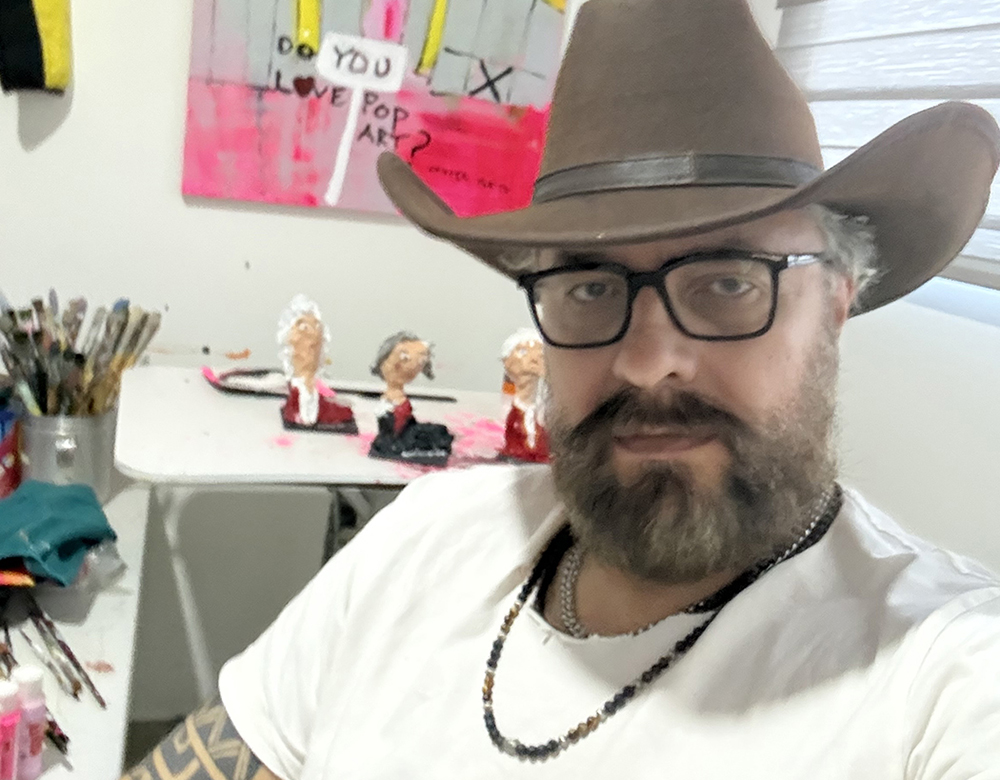
Xavier Yarto
What led you from painting to sculptural portraiture, and what has working in three dimensions revealed about your concept of Pop Modern Expressionism?
I don’t see sculpture as a departure from painting, but as a continuation of it. After years of exploring faces, color, texture, and gesture on a flat surface, I wanted to give those elements a physical presence. Sculpture lets people encounter a figure from different angles and feel its presence in a shared space.
Working in three dimensions has expanded my idea of Pop Modern Expressionism. It allows me to push color, proportion, and surface further, while bringing recognizable figures into a more direct, physical relationship with the viewer. For me, the goal is not simply to reproduce someone, but to reinvent the image and express a feeling, a memory, or a particular energy.
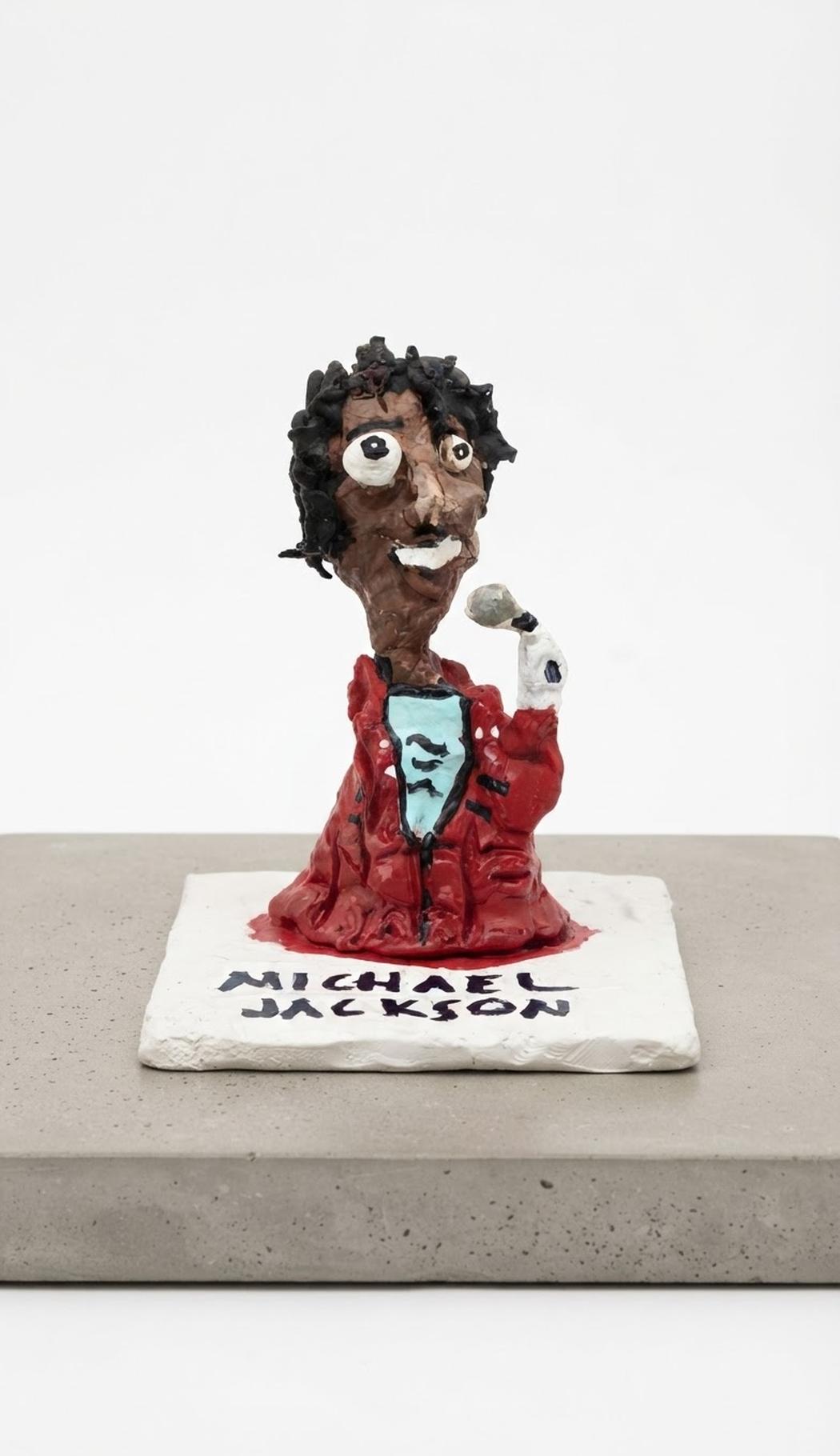
Your subjects include Frida Kahlo, Michael Jackson, and Tlaloc. What makes a figure compelling for you to reinterpret through your own visual language?
I’m drawn to figures who carry a strong presence beyond their image—people or symbols that have become part of our shared cultural memory. They may come from art, music, history, or ancient traditions, but what interests me is the emotion and energy they hold.
Recognition is the starting point, not the destination. I reinterpret each subject through my own visual language, using color, texture, exaggeration, and gesture to bring out something personal and contemporary.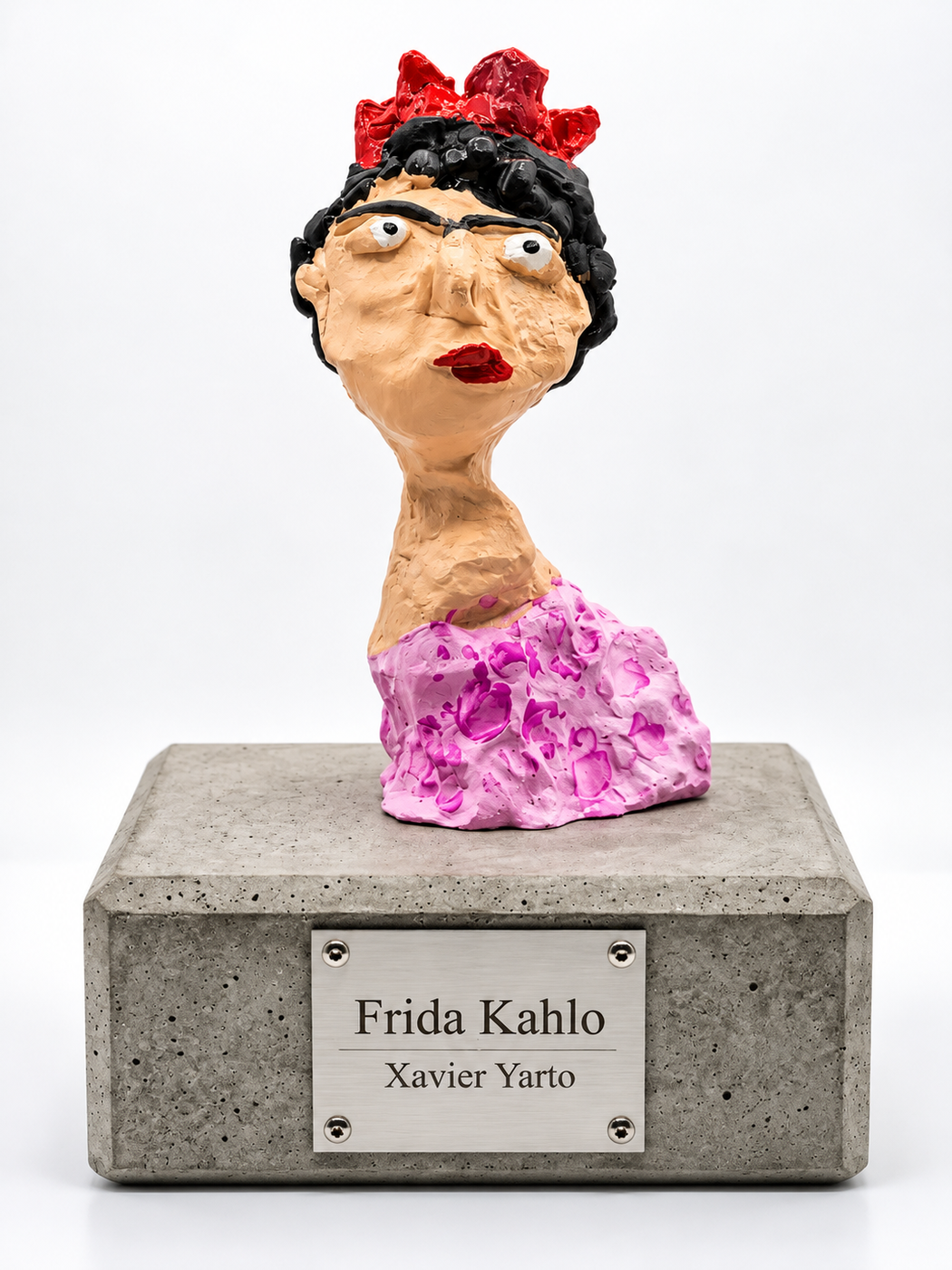
Your portraits feature elongated necks, enlarged eyes, and asymmetrical faces. How do you decide which proportions to transform while keeping each subject recognizable?
I look for the features that carry the personality of the subject, then decide which ones can be transformed to communicate more strongly. The eyes, the shape of the face, a hairstyle, or a distinctive gesture may be enough to keep someone recognizable.
I’m not aiming for academic accuracy or photographic likeness. I simplify and exaggerate until the figure feels emotionally true to me. The proportions are part of the language: they help me move away from simply representing reality and toward reinventing it.
The eyes seem particularly expressive in these sculptures, sometimes suggesting surprise, vulnerability, or unease. How do you develop a figure’s gaze, and what do you want it to communicate?
I develop the gaze through the eyes’ size, direction, and relationship to the rest of the face. Small changes can shift the whole expression. I often let the eyes hold a tension between emotions—surprise and vulnerability, for example—because people are rarely defined by just one feeling.
I want the gaze to meet the viewer and create a moment of connection, curiosity, or even uncertainty. It should make the figure feel present, rather than simply observed.
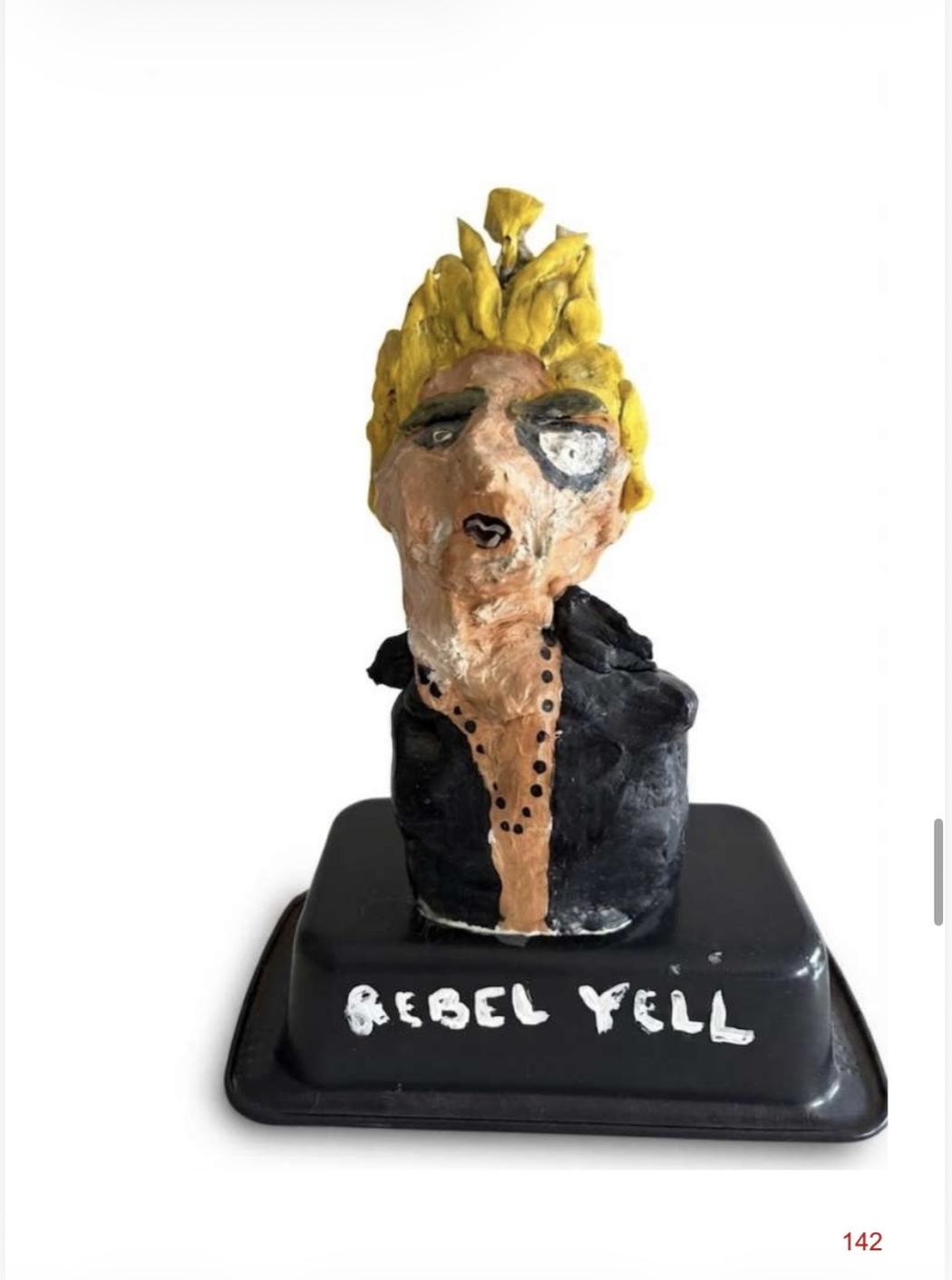
There is a playful quality to these figures alongside their intense expressions. What role does humor play in your approach to portraiture?
Humor gives the work freedom. It lets me approach familiar figures without treating them as untouchable, while still engaging with them seriously. I enjoy that contrast: a playful color or an unexpected proportion can sit alongside an intense expression.
The humor is part of my way of opening a door for the viewer. It can invite a smile first, then leave room for a more complicated reaction.
How did you approach reinterpreting Tlaloc, and what did you want this ancient deity to communicate to a contemporary viewer?
I approached Tlaloc as a living cultural presence, rather than as a subject for archaeological reconstruction. I wanted to respond to the power and symbolism associated with this ancient deity while making the image feel immediate to a contemporary viewer.
Color, texture, and gesture let me bring the figure into the present. My intention is to create a new interpretation that respects its cultural resonance while allowing viewers to encounter it through a different visual language.
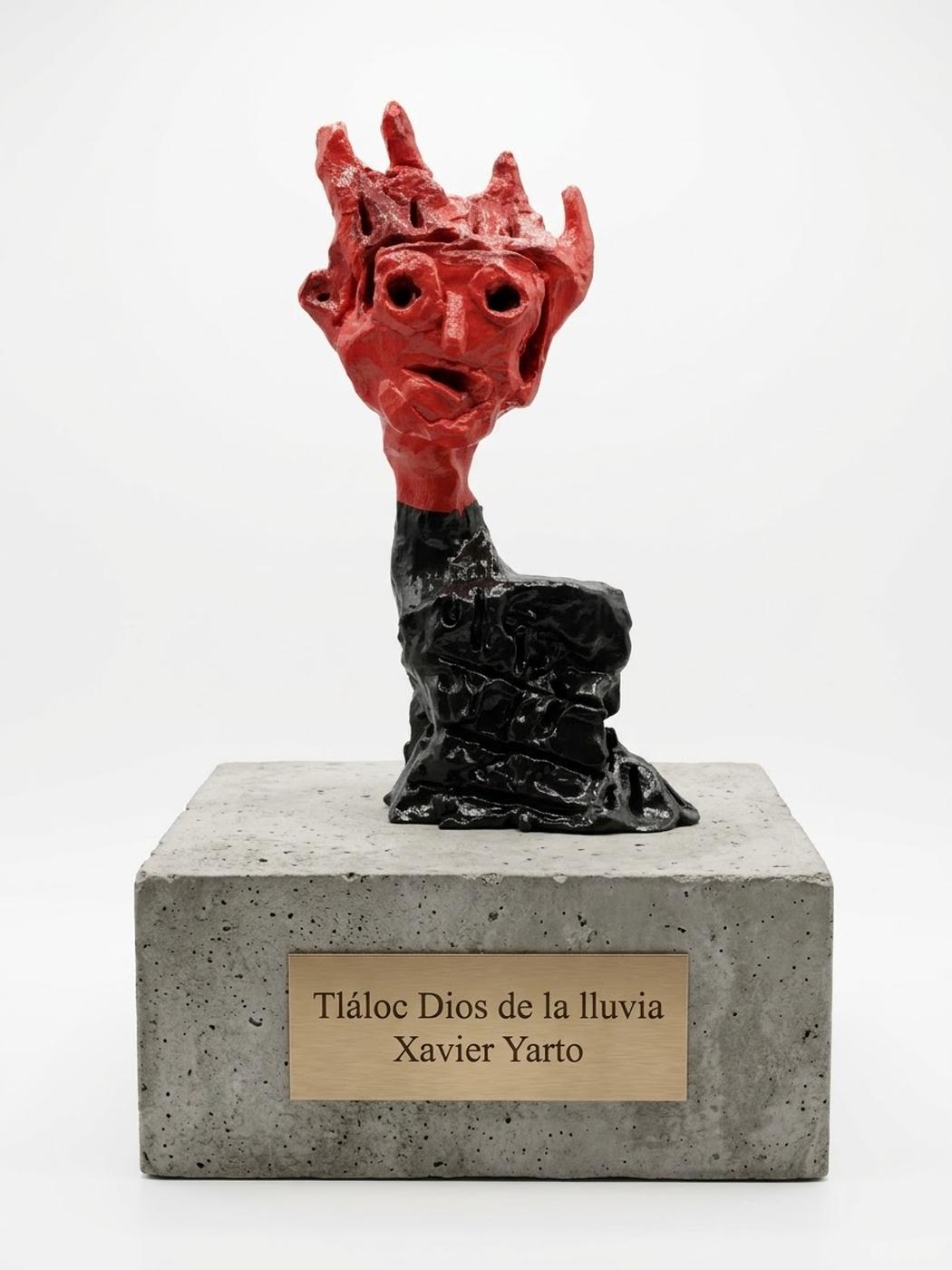
Some works stand on substantial geometric plinths, while others have names painted directly onto their bases. How do the base and the written name contribute to the way a portrait is perceived?
I think of the base as part of the portrait’s presentation and meaning. A geometric plinth can give the figure a sense of monumentality and make the viewer more aware of its presence in space. A name written directly on the base can feel more immediate and personal, as if the identity of the figure belongs to the object itself.
The name also guides the encounter: it tells us who we are looking at, while the sculpture invites us to see that figure in a new way. Together, the figure, the base, and the name shape how the work meets the viewer.