
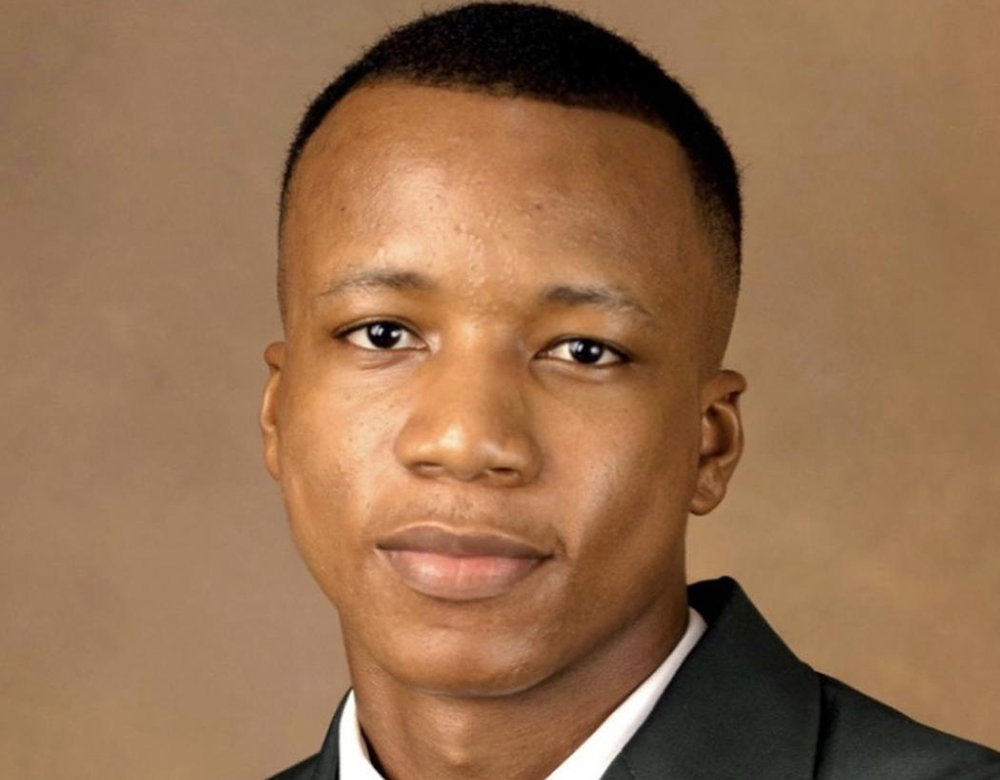
Agbolade Kelvin Agbenla
How did you come to photography, and what led you to makemovement, resilience and progress central themes in your work?
My first steps as an artist were in drawing and painting, but photography is where I found my voice. The moment I picked up a camera, I realised it could hold something real: a breath, a strain in a muscle, a moment that existed for a fraction of a second and would never happen in exactly the same way again. I fell in love with that immediately, and I have been a photographer ever since.
The themes were not something I chose from a list. They were what I kept noticing. Birmingham is a city built on work, and I have always been surrounded by people who keep going, often quietly and without any recognition. I wanted to honour that. For me, progress is not a finish line. It is one step, then another, and another. Movement is the way I try to show that inside a still image.
You describe the human body as a language of its own. Whichgestures or postures draw your attention, and what do they allow you to communicate?
The body tells the truth before words do. I am drawn to a lifted chin, a back holding tension, feet planted firmly on the ground, an arm reaching towards something beyond the frame. Hands especially: a clenched fist says one thing, an open palm says something completely different.
I am also drawn to postures that are bent but not broken. A figure leaning forward into resistance, or caught in the moment just before a leap. These gestures let me talk about effort, determination and hope without having to explain them. People recognise them instantly because they have felt them in their own bodies.
When I look through the viewfinder, I am searching for the one line that carries the energy of the whole figure: from the planted foot through the spine to the reaching hand. When that line is clear, the photograph speaks without needing any explanation.
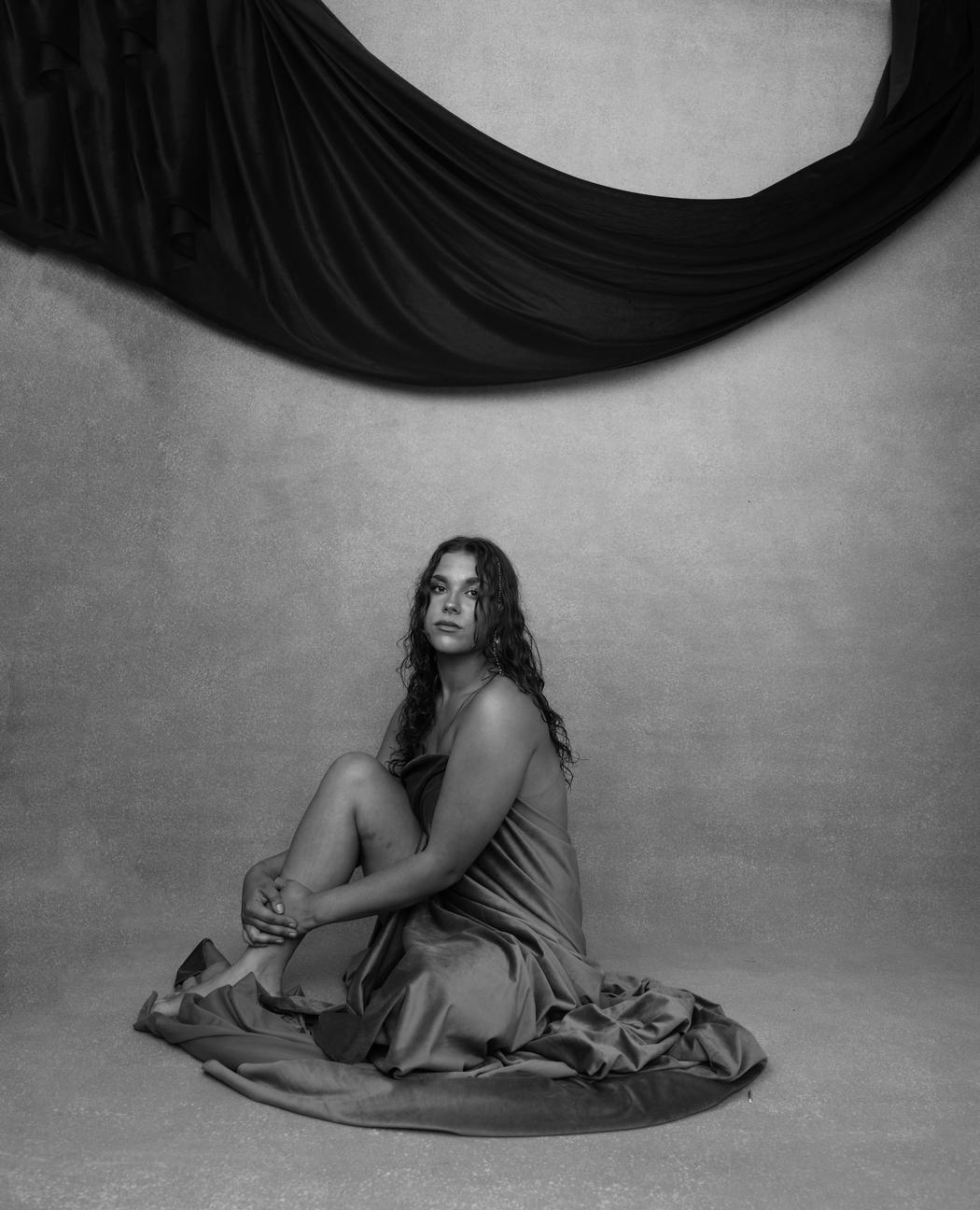
How do you work with your subjects to develop movement and poses? How much is planned, and how much emerges spontaneously during a shoot?
I usually arrive with a starting point: a shape in my head, a direction for the light, a feeling I want the images to carry. But I rarely ask people to hold a fixed pose. I ask them to move: walk, push, stretch, fall forward and catch themselves, repeat a movement until it becomes natural.
I often describe a feeling rather than a position. Instead of saying “raise your arm”, I might say “push as if you are moving a wall” or “reach for something you have been waiting a long time for”. The body responds more honestly to that.
I would say maybe a third is planned and the rest emerges. Some of my strongest images happened between instructions: someone shaking out their arms, catching their breath after a jump, laughing because a movement went wrong. My job is to recognise those moments when they come and be ready for them.
Being photographed can involve both confidence and vulnerability. How do you build trust and give your subjects space to shape how they are seen?
I always start with a conversation before the camera comes out. I ask people what strength looks like in their own body, and what endurance means in their own life. Those answers often become the starting point for the shoot.
Photographing someone in a moment of strain can feel very exposing, so I make sure they know they can stop, say no, or change direction at any time. I show them images on the camera as we go, so they are part of the process rather than just being looked at. If something does not feel like them, we change it.
I also invite them to bring their own movements. A dancer, an athlete or someone who has simply carried a lot in life will move in ways I could never direct. When they bring that, the photograph becomes something we make together, and that is when it feels honest.
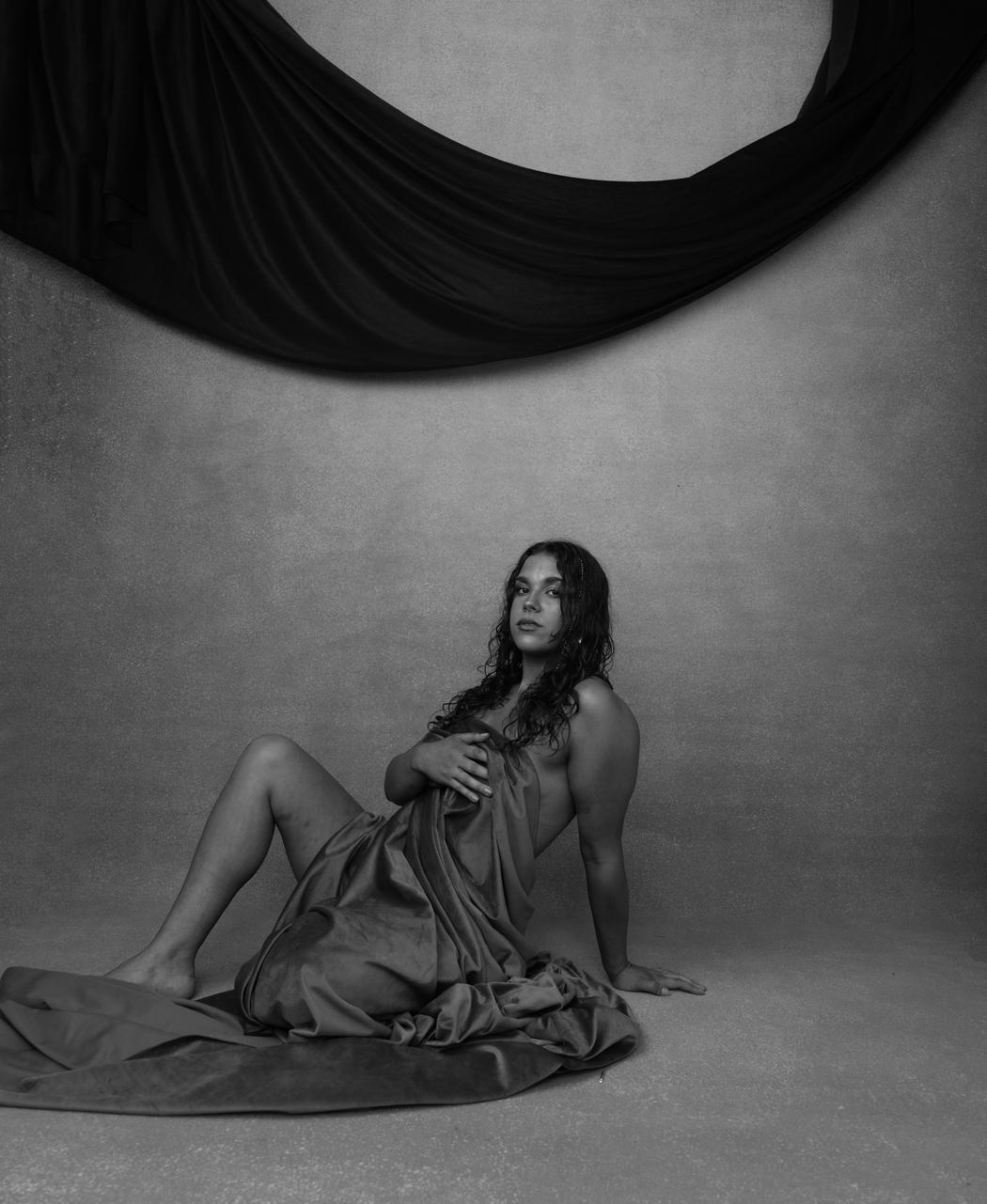
What draws you to monochrome, and how does it influence theemotional atmosphere of your photographs?
Monochrome lets me photograph what matters most to me: light, shape and feeling. When I look at a scene, I am already reading it in tones, in where the light falls and where the shadow gathers.
Removing colour removes distraction. Clothing, trends and backgrounds fall away, and what remains is form, muscle, light, shadow and texture: the shine of sweat, the tension in a forearm. It slows the viewer down and makes them look at the body and the gesture rather than the surface.
Emotionally, monochrome feels more serious and more timeless to me. The contrast between light and shadow also reflects what my work is about. Struggle and strength live together in the same body, just as light and shadow live together in the same frame.
When reviewing your photographs, what makes you choose aparticular frame as the one that best expresses a sense of an ongoing journey?
I look for the in-between frame. Not the peak of the jump or the moment of landing, but the moment when the movement is still happening: the body leaning into the next step, the weight not yet settled. If the frame feels finished, it usually does not make the cut.
I ask myself whether the photograph has a before and an after. Can you feel where the person has come from and where they are going? Often there is a direction in the body that leads the eye out of the frame, and the viewer completes the journey in their imagination.
Sometimes I look at the images small, as thumbnails, before looking at them closely. If the shape of the body alone carries energy and direction at that size, I know the photograph will hold.
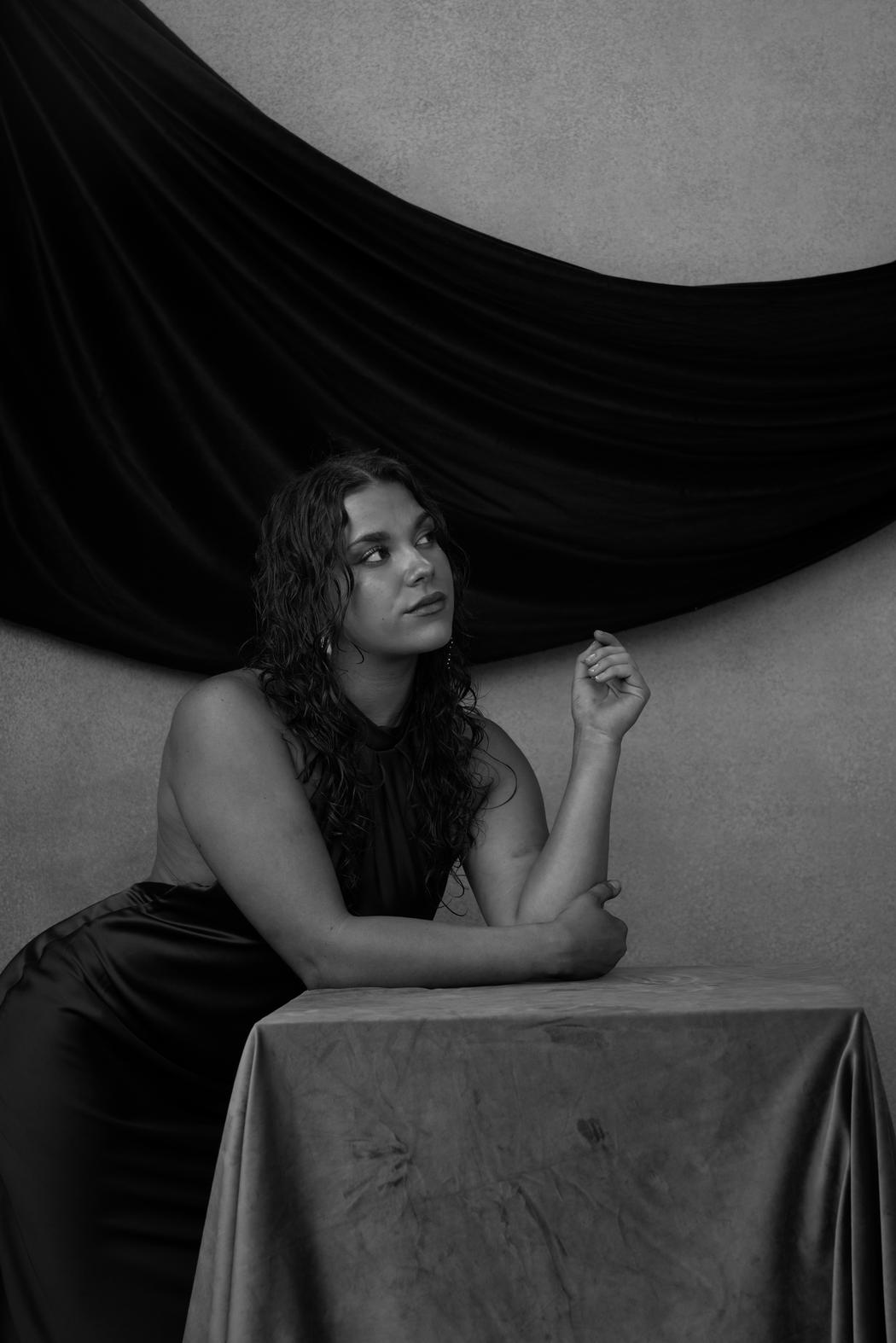
Your work celebrates endurance. How do you make room for exhaustion, uncertainty or fragility within that celebration?
For me, they are part of endurance, not the opposite of it. You cannot endure something that does not cost you anything. So I do not only keep the triumphant frames. I keep the bowed head, the hands on the knees, the deep breath before trying again.
Rest is part of the journey. Uncertainty is part of the journey. Some of the images I care about most show a person who looks tired, unsure or close to giving up, but who is still there. That, to me, is resilience in its most honest form.
A celebration that hides the exhaustion becomes a poster rather than the truth. Showing fragility makes the strength believable. When people see a moment of weakness alongside a moment of power, they recognise themselves, and that is when the work really connects.