The Names Gallery in Vienna – October 10-11
On October 10–11, 2026, The Names Gallery presented an international group exhibition at The Last Abstraction Gallery, curated by Anna Gvozdeva. The project brought together artists working across painting, photography, drawing, abstraction, figurative art, mixed media, and digital practices, creating a broad overview of different approaches within contemporary visual culture.
The participating artists were Liza Smith, Simona Visocká, Verona Petkova-Harizanova, Yulia Timür, Szilvia Frei, Bag Head (Rebecca Daly), Valentino Campos, iponmwosa Joseph Okundaye, Helena Milos, Petr Václavek, Luting Zhang, Haley Clear, Denise Garcia Bergt, Ismail Ucci, Ayan Aziz Mammadova, Gerhard Kroyer, Oreofe Oguntola, Jessica Grahn, Ceren Ilterman, Lizette “Lizi” Rivera, Spencer Herd, Szilvi Acs, Betül Küçük, Michaela Korčáková, Tes Atelier, Ivelina Stoyanova, Maria Umrikhina, Zita Zádori-Gyapjas, Anne Wang, Sladjana Ziljkic, Luca Rosner, Gourav Sarkar, Yana Grishchuk, Matyas Nagy, Wolfgang Amadeus Pichler, Anna Zghurska, Magdolna Juhasz, Vit Madr, Mirela Lozanova Lyubenova-Mika, Lynette K Henderson, and Anita Markevica.
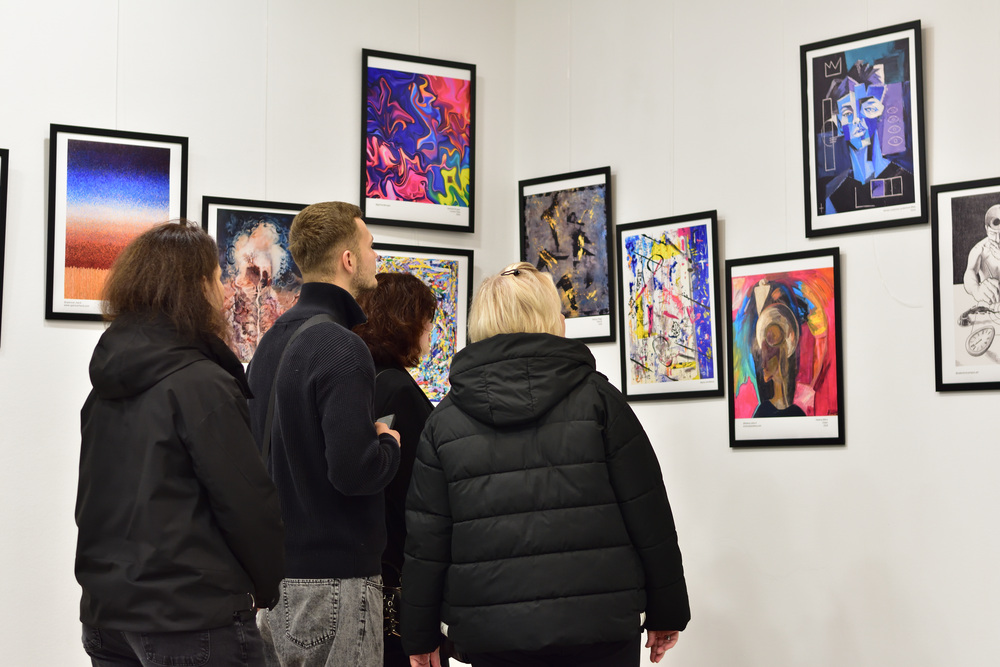
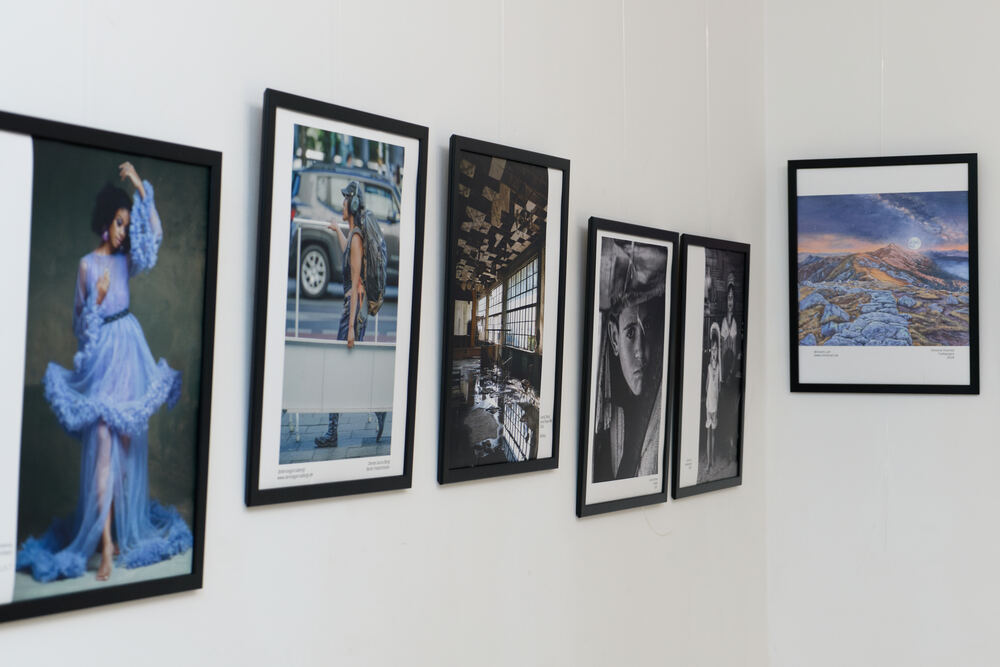
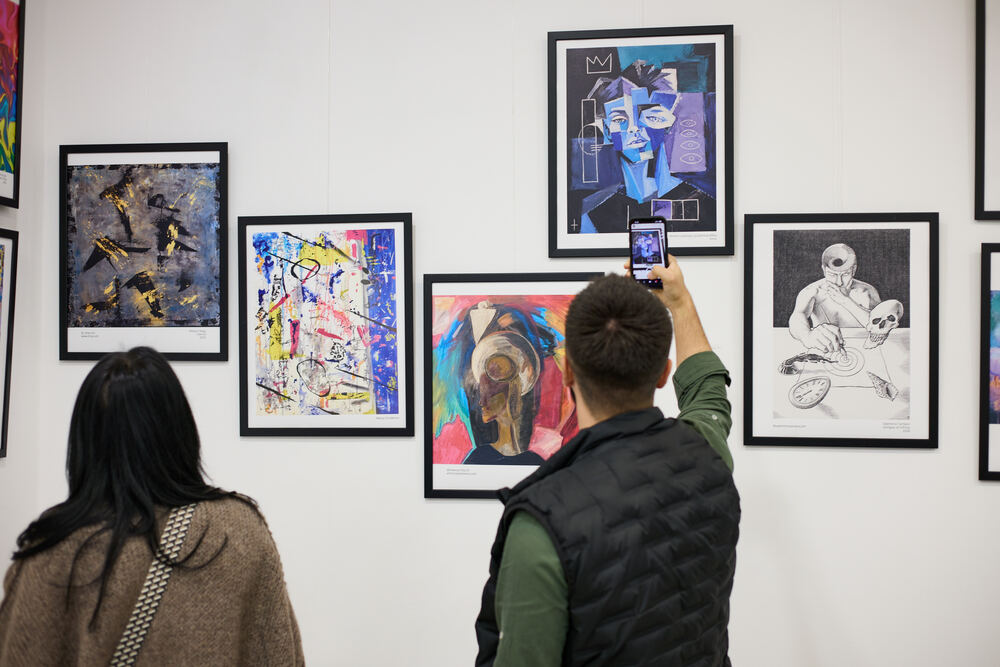
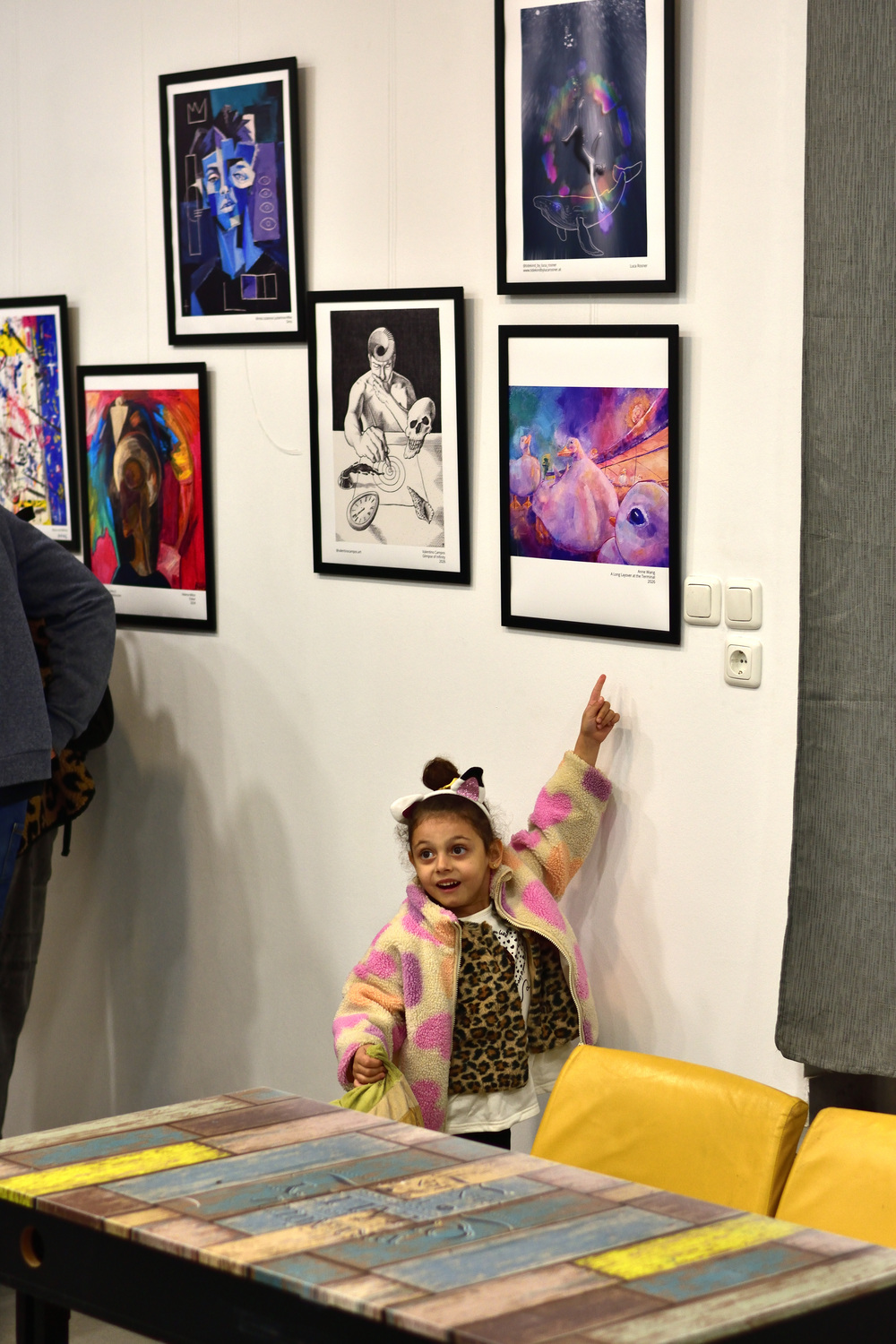
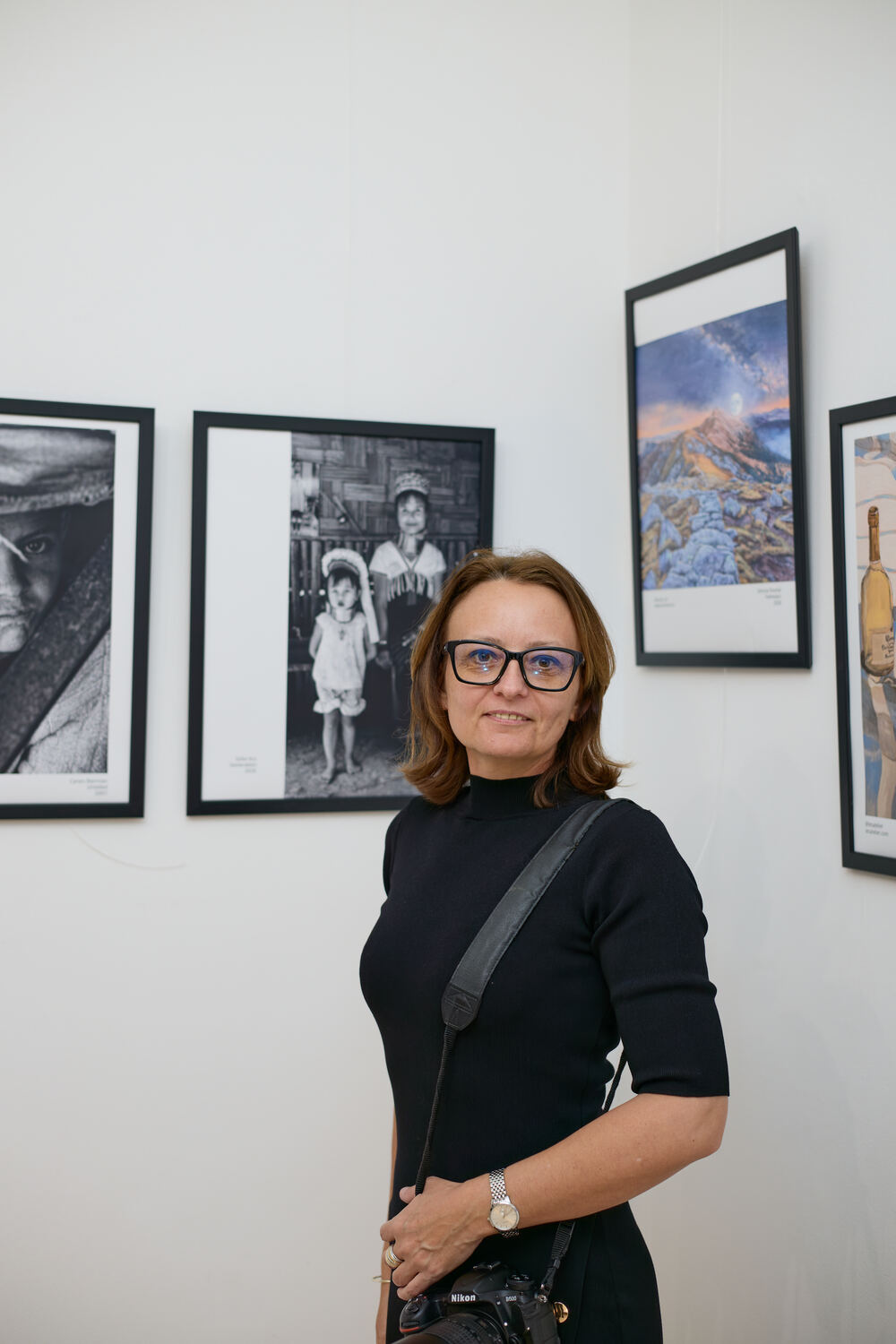
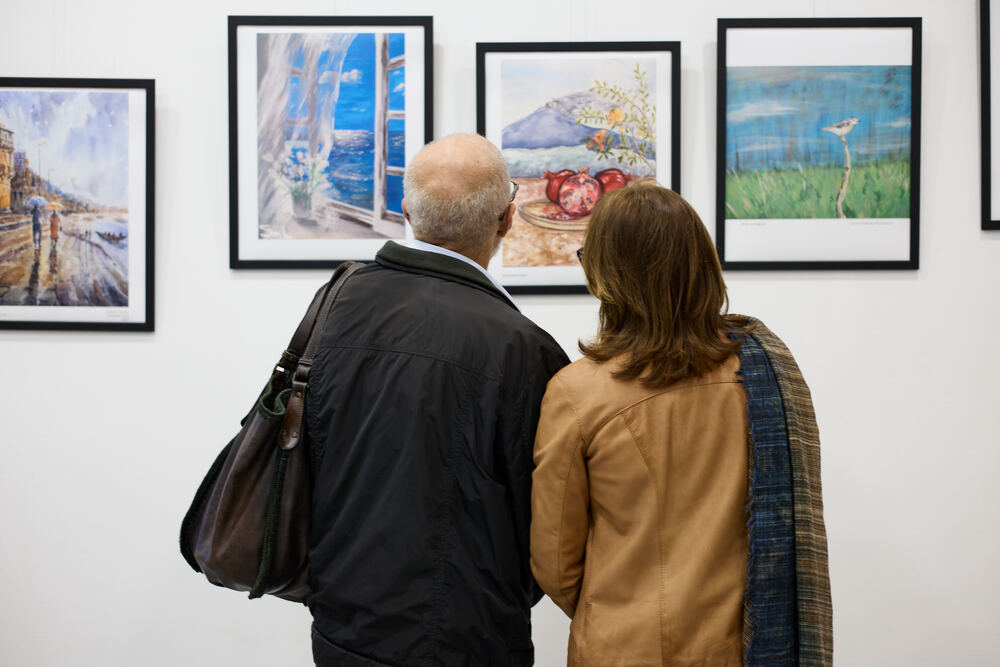
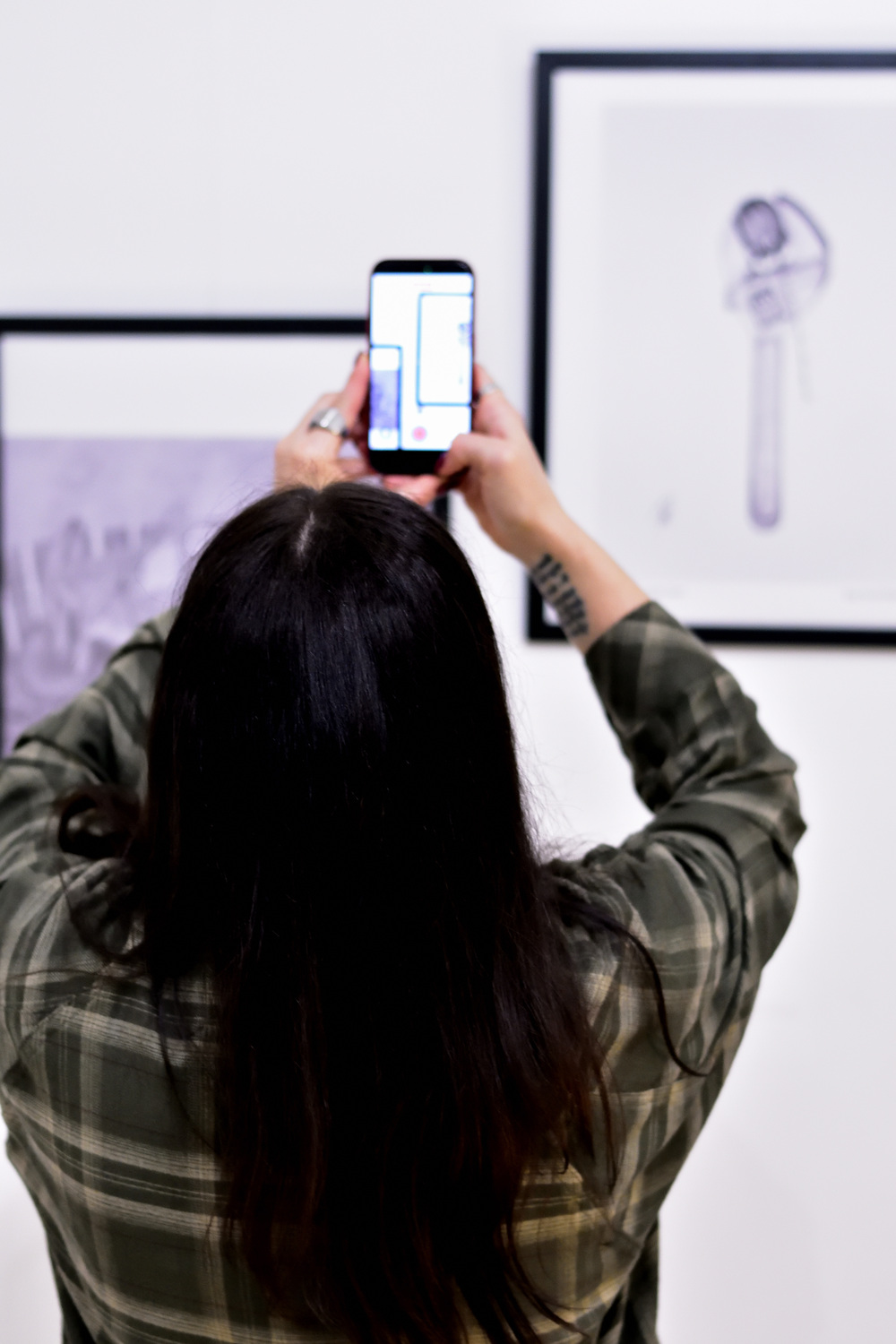
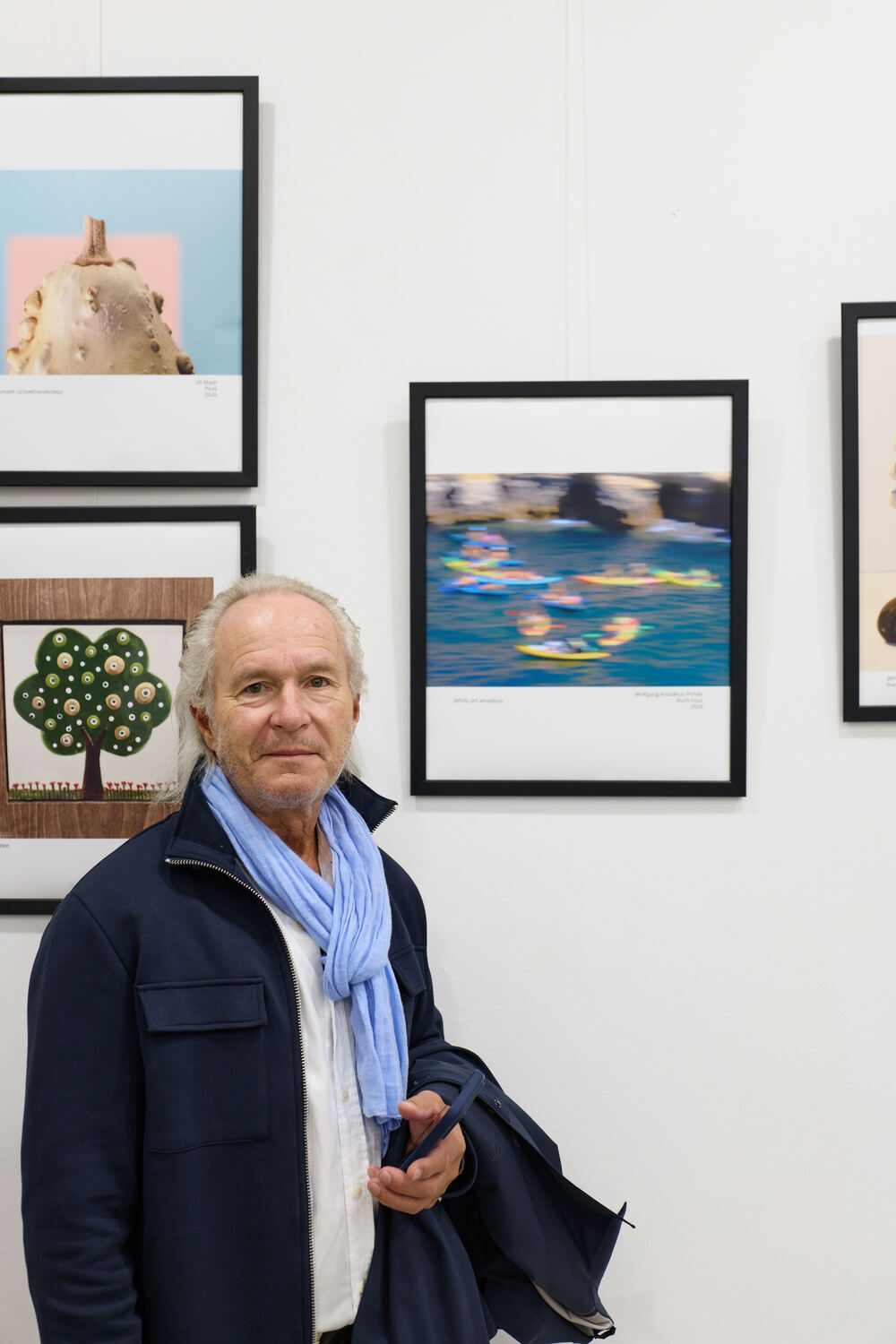
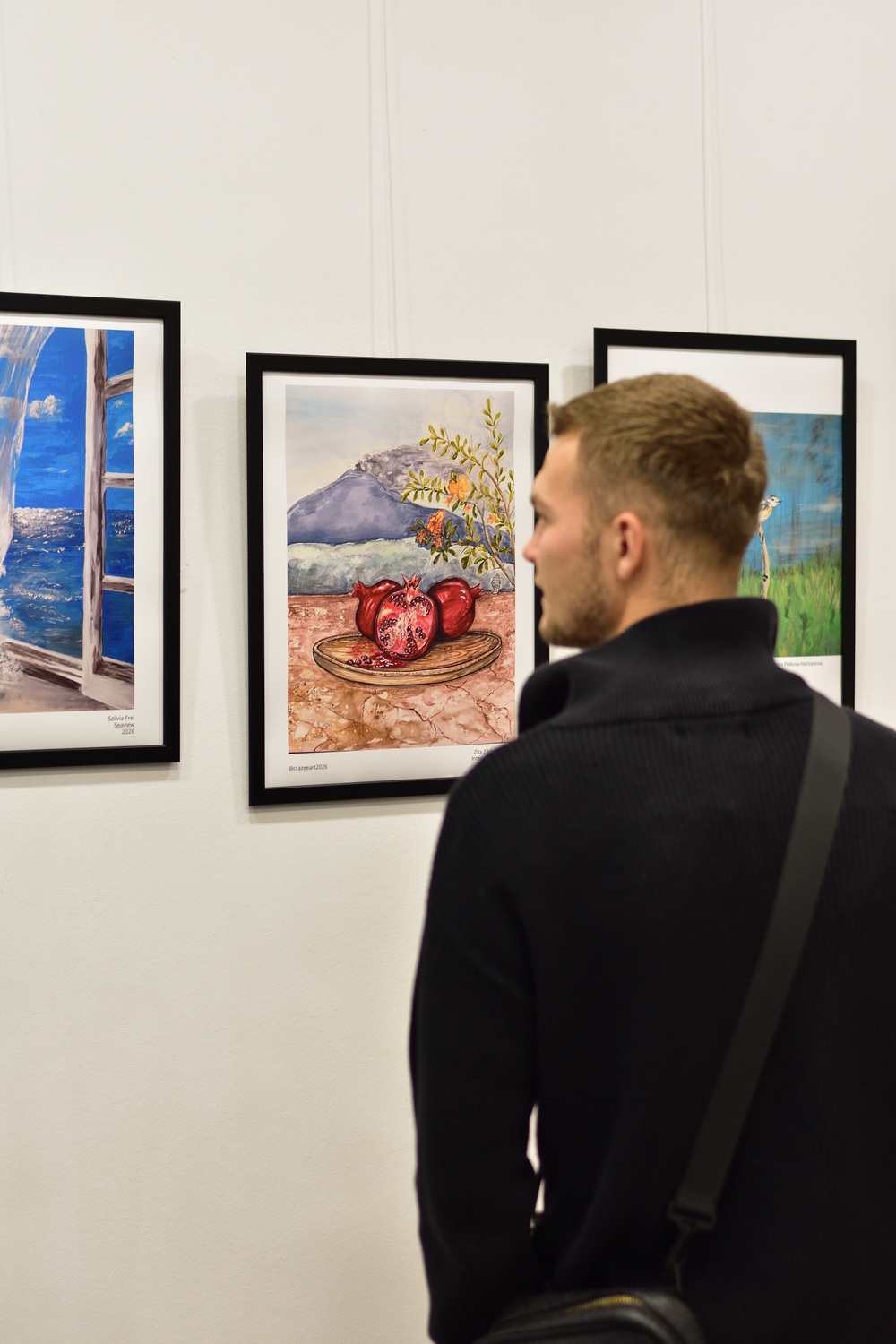
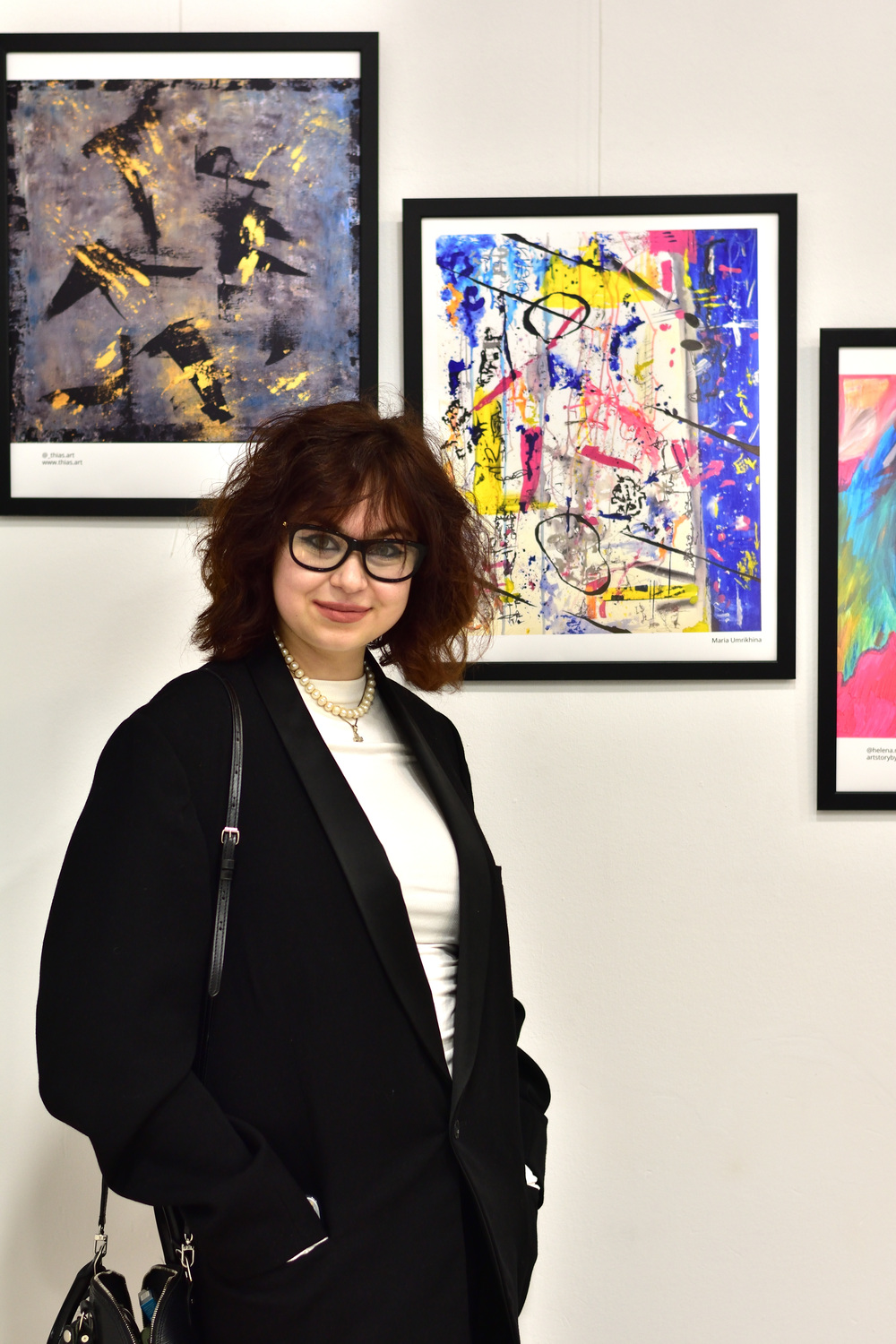
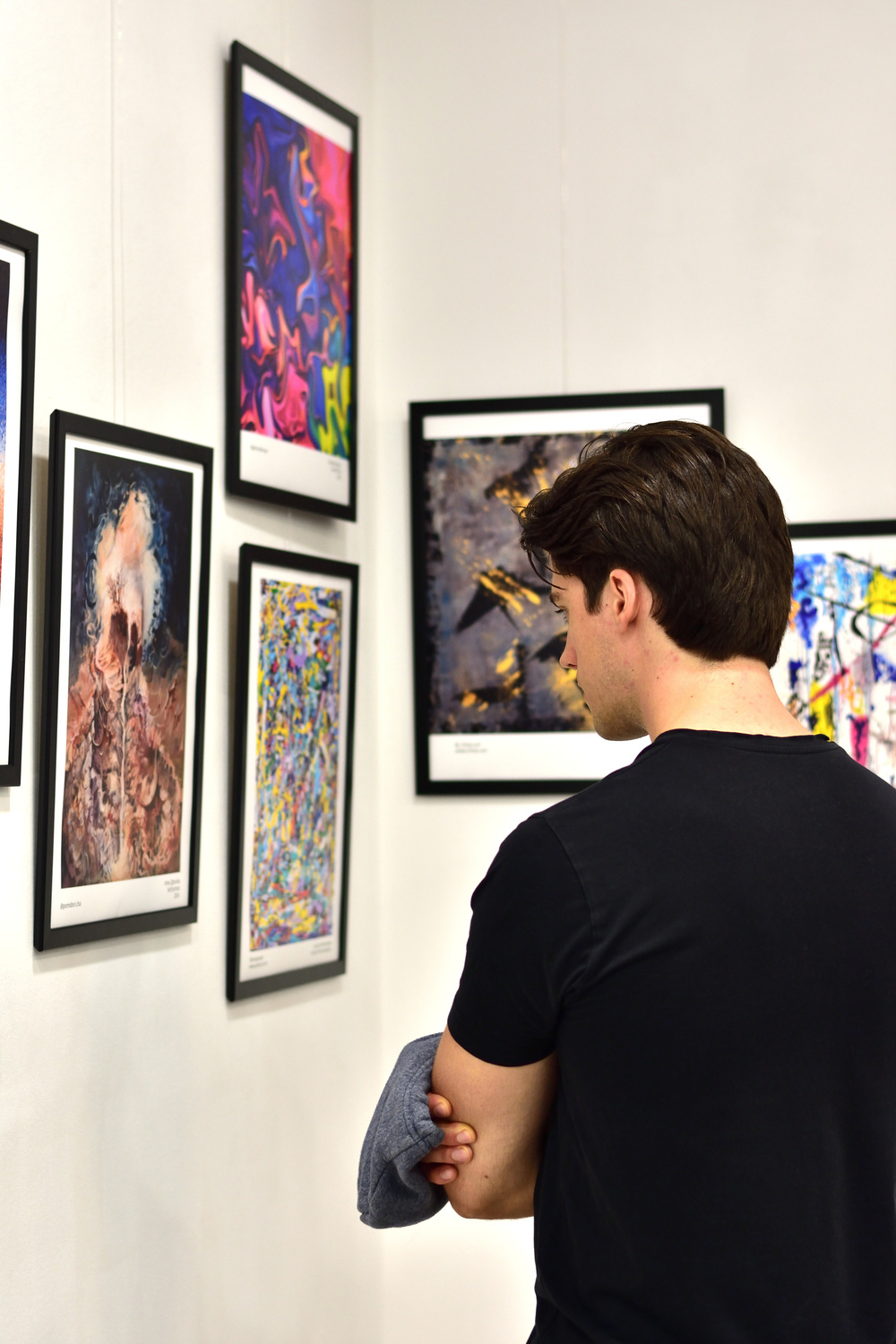
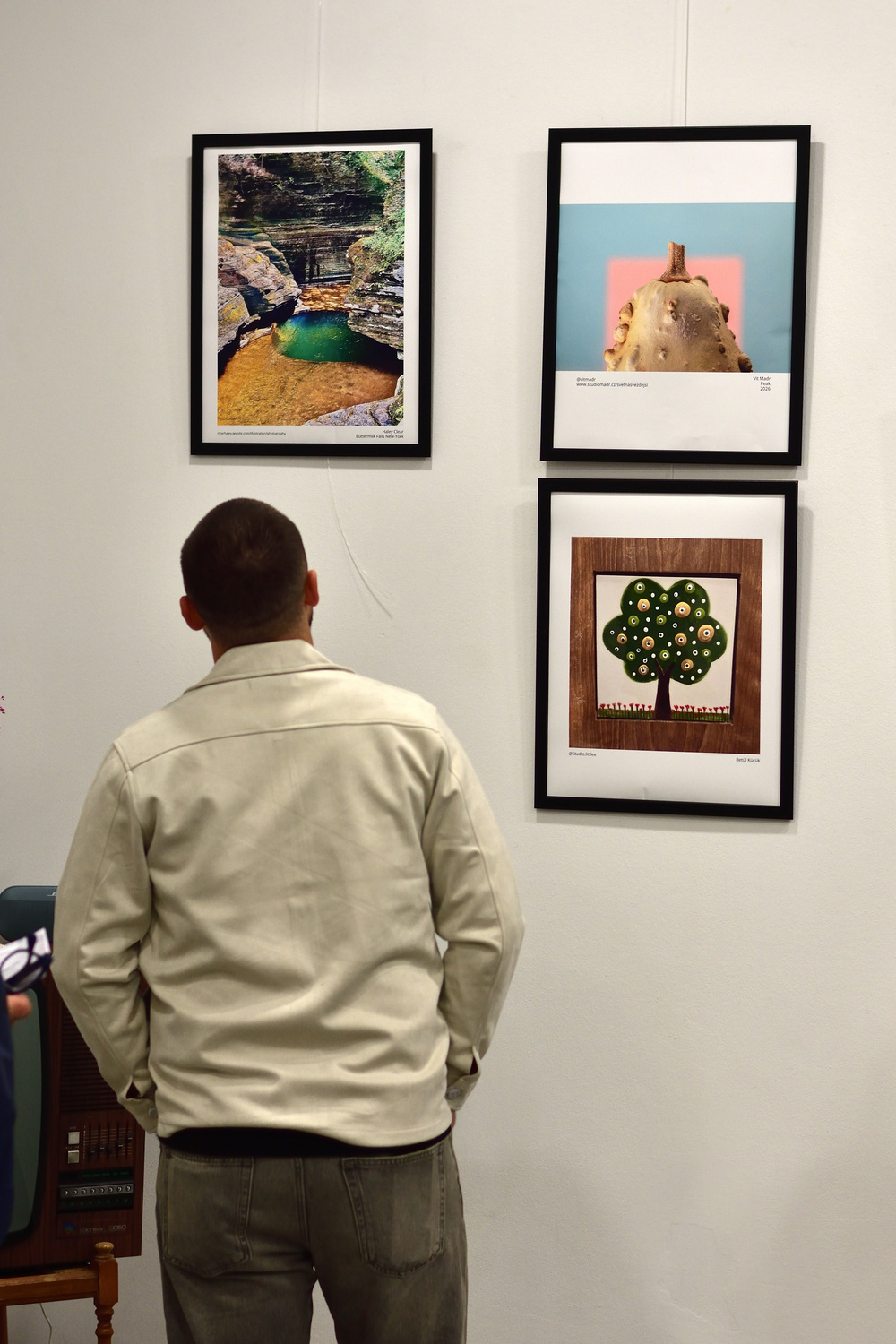
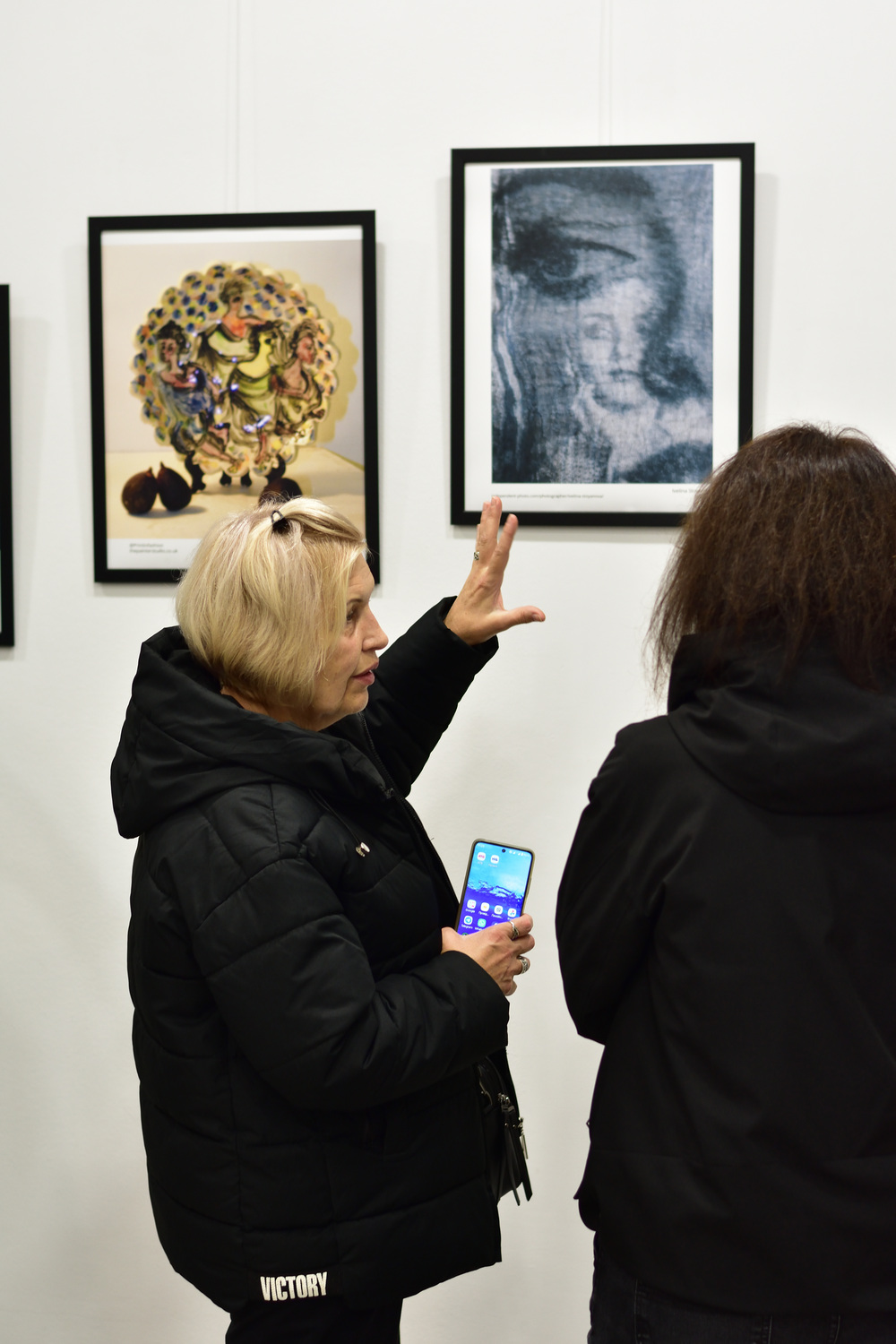
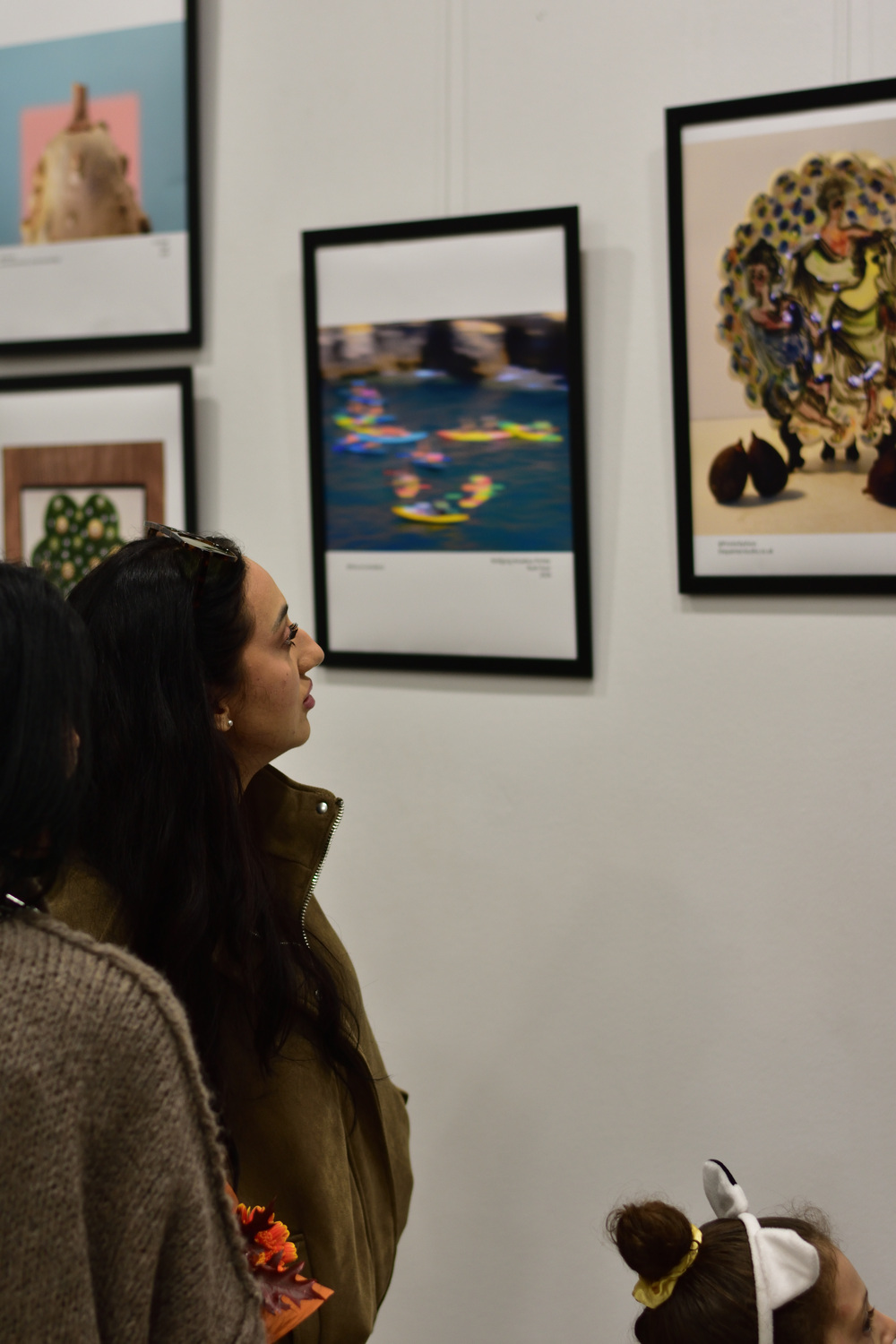
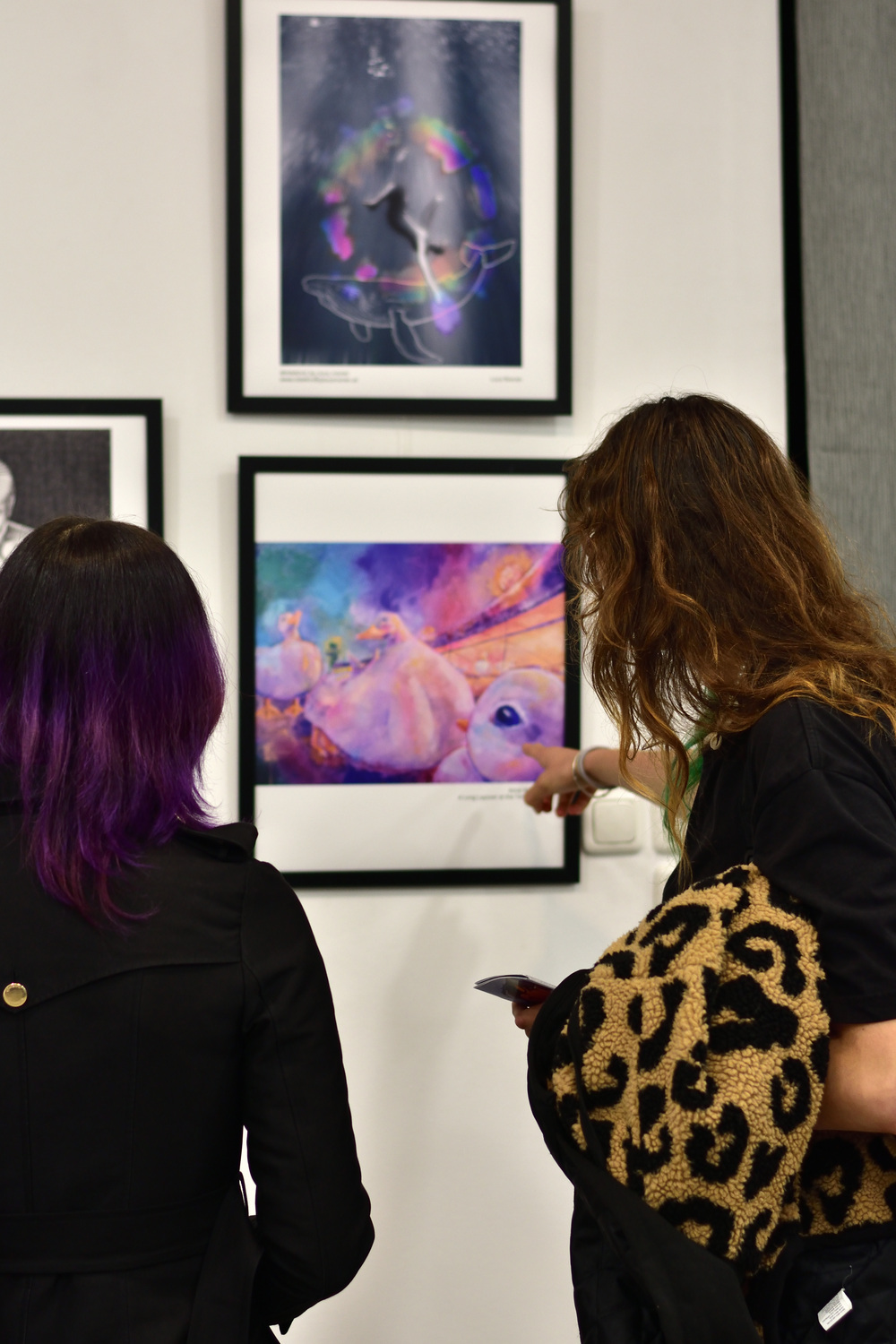
The exhibition was defined by multiplicity rather than a single dominant theme. Each artist contributed an individual perspective, while the project as a whole created a dialogue between different ways of interpreting reality, memory, identity, landscape, emotion, and visual experience. What connected the works was not stylistic similarity, but their ability to coexist within a wider conversation about contemporary artistic practice.
Abstraction played an important role throughout the exhibition. In some works, color and gesture became the primary means of communication, producing images based on movement, rhythm, and emotional intensity. Other artists worked closer to recognizable subjects, using the human figure, natural forms, objects, or landscape as starting points. The transition between abstraction and figuration was often fluid, showing how contemporary artists increasingly move between categories rather than remaining within strict stylistic boundaries.
Color also emerged as an important expressive element. Some artists used saturated, energetic combinations, while others preferred quieter tonal relationships. These differences created varying emotional registers: certain works appeared immediate and dynamic, while others invited slower contemplation. Texture, line, fragmentation, and spatial relationships further expanded the range of visual approaches represented in the exhibition.
The human figure appeared in several different forms, from direct representation to more symbolic or fragmented interpretations. In these works, the body became a way of exploring identity, psychological states, personal experience, and cultural memory. Landscape-oriented works introduced another dimension, ranging from recognizable environments to images in which nature was transformed into atmosphere, color, or abstraction.
One of the exhibition’s strengths was the coexistence of highly different artistic languages. The practices of the participating artists were not brought together to illustrate one fixed concept. Instead, the exhibition allowed differences to remain visible. This created a more open experience in which viewers could establish their own connections between works.
The international character of the project was equally important. Artists with different cultural backgrounds and artistic experiences temporarily shared one exhibition context. In this sense, the project functioned not only as a presentation of individual works, but also as a meeting point between different visual traditions and personal histories.
The presence of visitors added another layer to the exhibition. Artworks were experienced not in isolation, but through movement, conversation, comparison, and shared attention. The exhibition became a social space in which viewers could discover unfamiliar artists, discuss what they saw, and encounter perspectives different from their own.
Curator Anna Gvozdeva approached the project with an emphasis on diversity and dialogue. Rather than imposing a rigid interpretation, the exhibition created conditions in which each artist could retain an independent voice while becoming part of a larger collective context.
The October 10–11 exhibition demonstrated the potential of the international group format when artistic difference is treated as a strength. Bringing together forty-one artists, The Names Gallery created a temporary community of practices connected not by uniformity, but by the shared act of making and presenting art.
The result was a plural and open-ended exhibition: a meeting between abstraction and figuration, personal experience and collective viewing, individual artistic identities and a broader contemporary context.