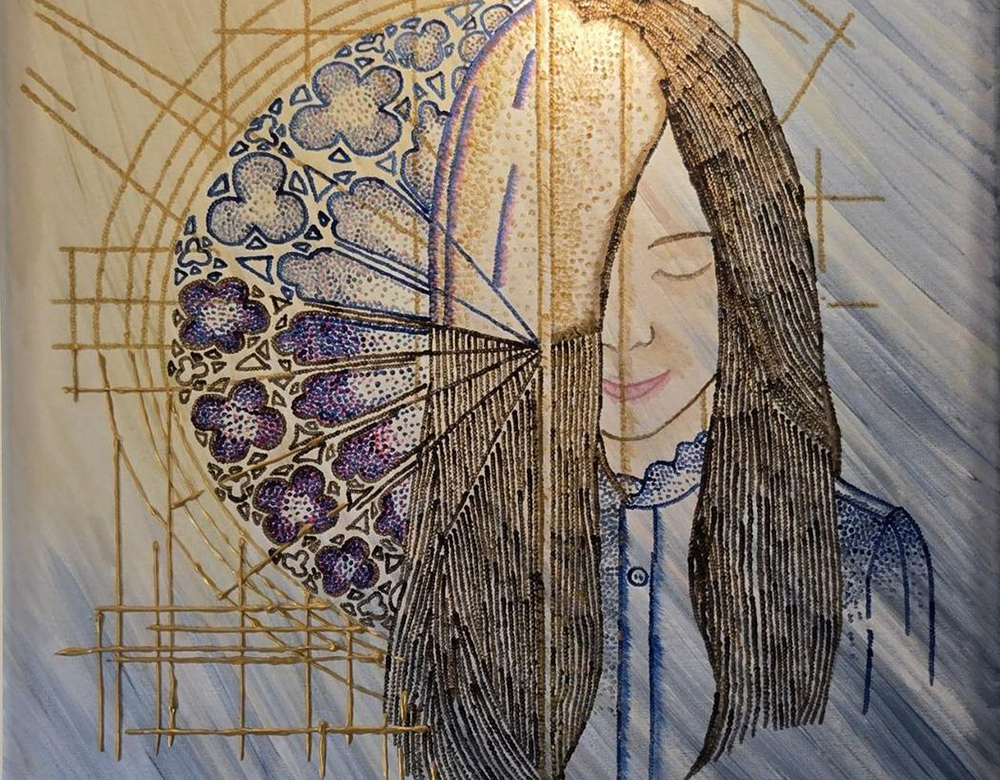
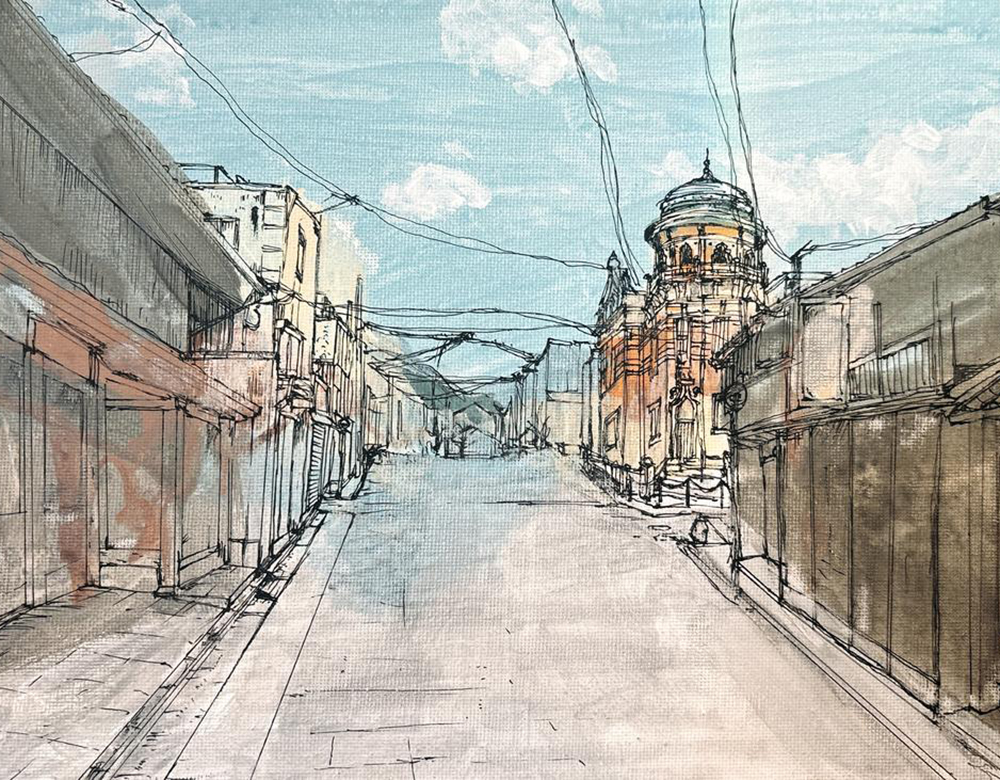
Rage Kamiyama
You began as a graphic novel artist and published more than ten independent zines. What did making and distributing them teach you about connecting with an audience?
Participating in a zine event is one way to connect with your audience directly. It is very inspiring, in terms of making unexpected connections with other artists and visitors. Also, to know that there are so many people who create something at the festival is very inspiring.
How did studying digital film production in the UK shape the way you tell stories through images?
Honestly, the study required a lot of group work, which drained my creative energy. Gradually I have found a way to be comfortable and creative with a group of trustworthy people, and to collaborate with these people is one way to be creative.
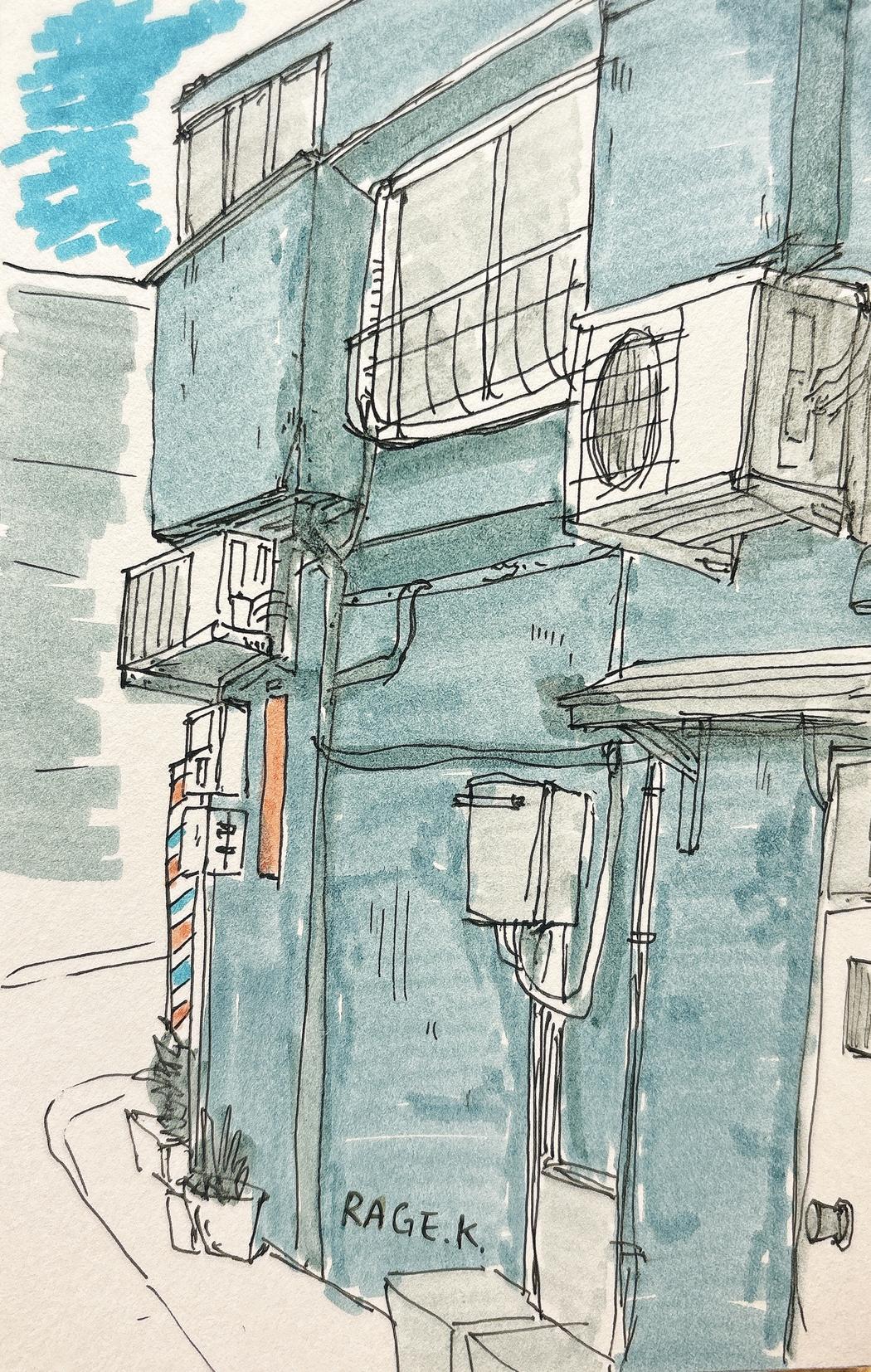
In 2025, you began working with visual diaries, photography and painting. What could these forms express that comics could not?
Visual diaries are one way to express your opinion directly, as you will read about my experience first-hand. I am into architecture, and I have found that photography is one way to capture its beauty. Comics require time and effort from the audience as well as from me when I make them, but painting doesn’t. It’s one shot that you have, and you have to nail it.
You have recently become interested in the unexpected results of analogue techniques. Can you describe a moment when a material changed the direction of a work?
I always thought that I’m not good at watercolour because it creates results that are unexpected. On the contrary, people said that my paintings are lovely. So I started to think that maybe something unexpected is not something you have to avoid. So I started making a lot of analogue works, and I thought these can capture the rusty type of beauty of old buildings.
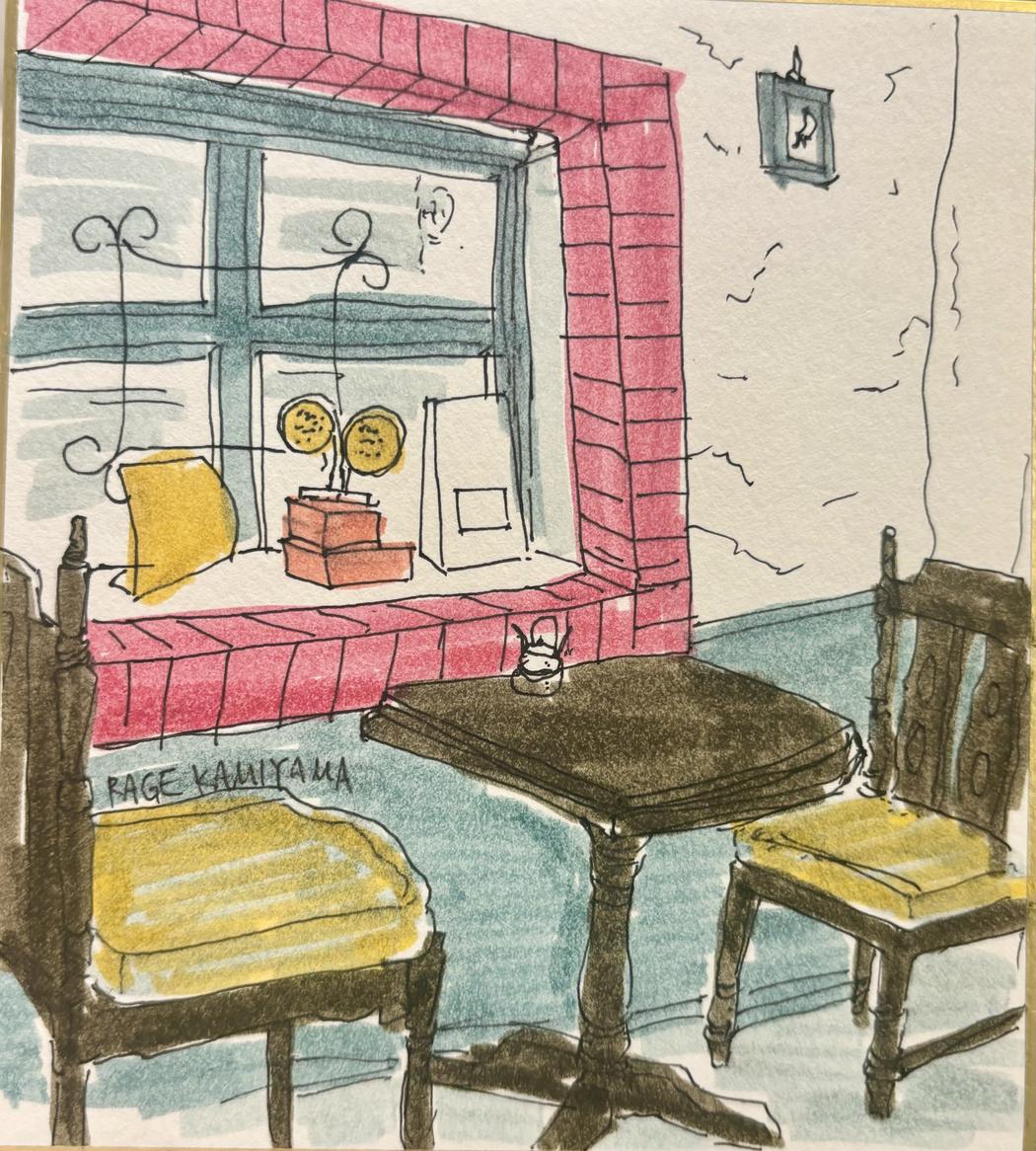
Your bold colours and varied brushstrokes push against the idea of a rigid system. How does that belief guide your decisions while you work?
Every element of my work is a push against a system, but I remember that in the Japanese comic industry, they are stuck in the black and white world of manga where everything has to be perfect and rigid, like everything has to be in a “manga style”. I try to defy it with a single brushstroke, because humans are not made by systems. Like Nordic design tries to achieve, there have to be wiggly and random things in life that make it natural.
What changed in your understanding of humour when you saw people from different backgrounds respond to your sketches during the Berlin residency?
I wasn’t sure about my English skills, especially as it is difficult to tell jokes in your second language. But I didn’t have to worry. Laughter can transcend any barriers.
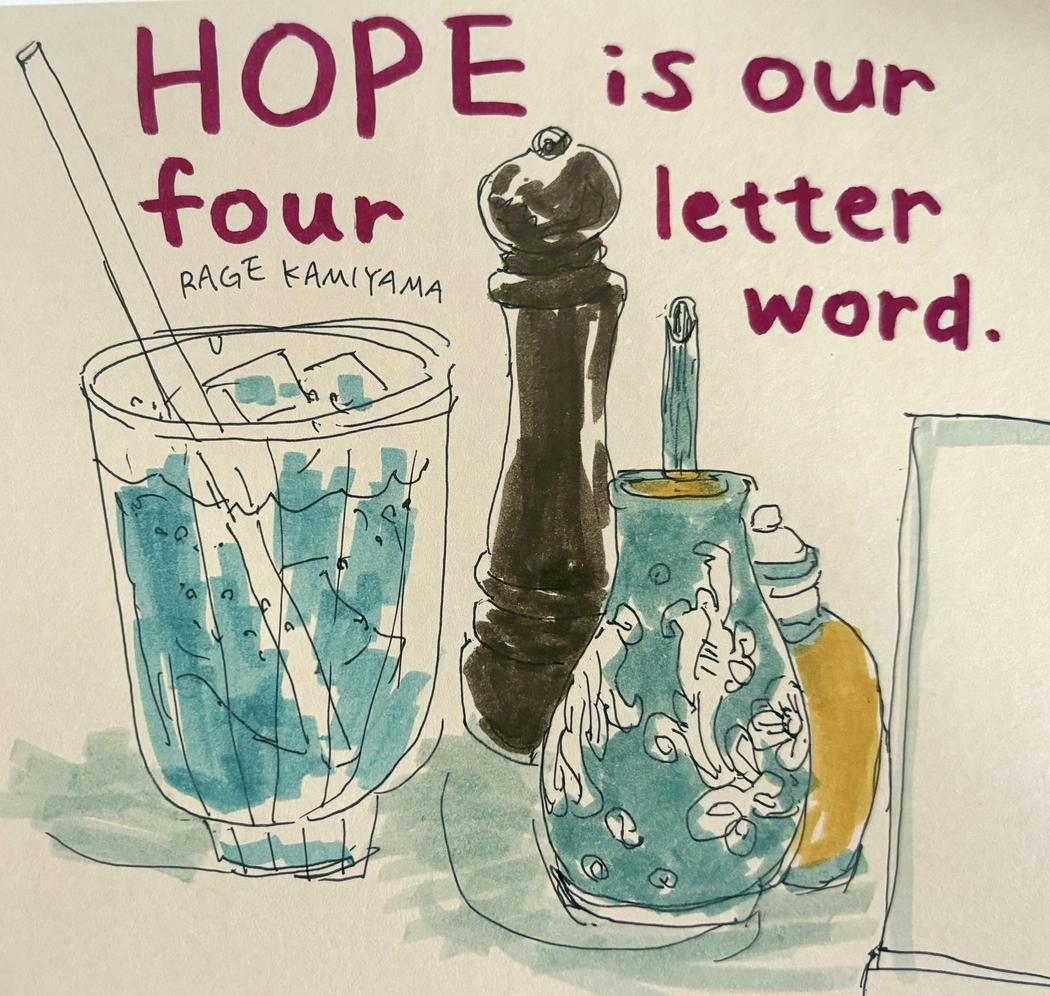
You mention both British and Osaka humour as influences. What does each bring to your work, and where do they meet?
I have found that both British and Osaka people tell jokes like they breathe. It’s a normal, everyday thing for them. I have also found that I love observational comedy, which is popular in both places, although they are very different geographically. I think observational comedy has a big influence on me in terms of its way of approaching life, as I like to share what I observe in daily life.