
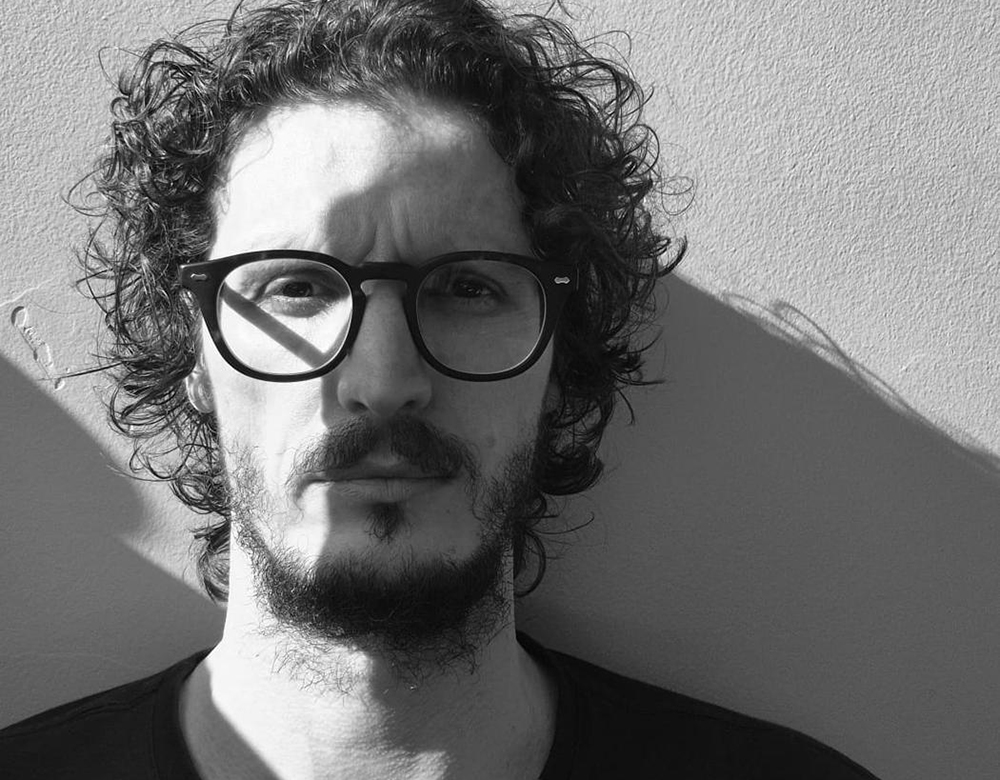
Pablo Gabriel Ribeiro Danielli
How has your background in architecture and urban planning shaped the way you observe and frame a scene?
My background significantly influences how I “read” a space, location, or object. I look for details that go unnoticed by the general public. Concepts of spacing, vantage points, and composition are strongly influenced by architecture.
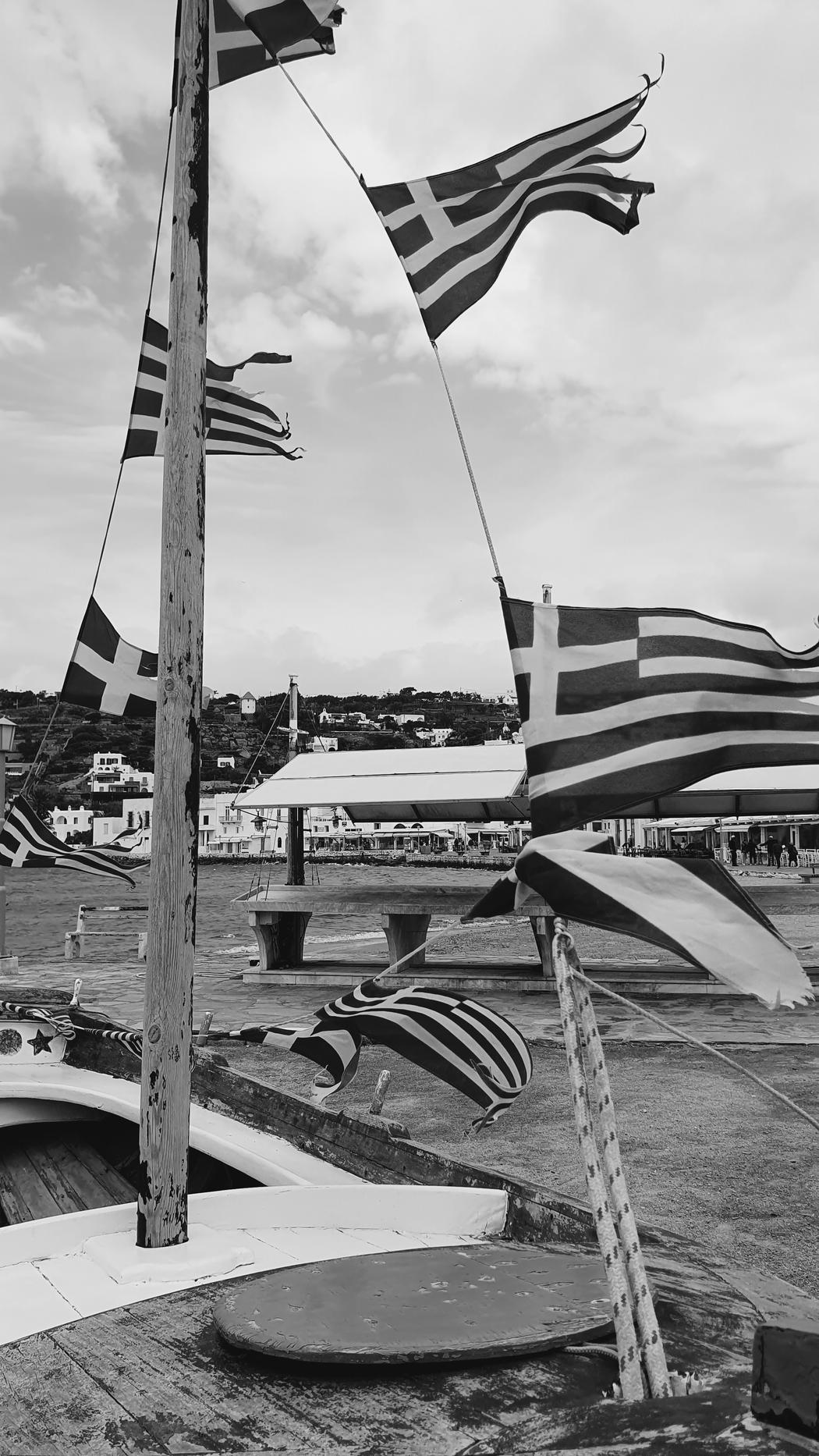 Pablo Gabriel Ribeiro Danielli | Winds That Do Not Move The Boat
You describe your practice as “pure photography,” without image editing. What does preserving the original moment mean to you as an artist?
We live in a largely digital world where images can be altered to grab attention, generate engagement, and garner likes—and that’s fine; I believe there is an audience for every style. However, this can disrupt the general public’s expectations. Social media has amplified the illusion of perfection, so encountering reality can sometimes lead to frustration.
Great historical photographs feature little to no alteration—often just a subtle adjustment of light and shadow contrast. I believe some of that purity has been lost with the advent of editing software and AI.
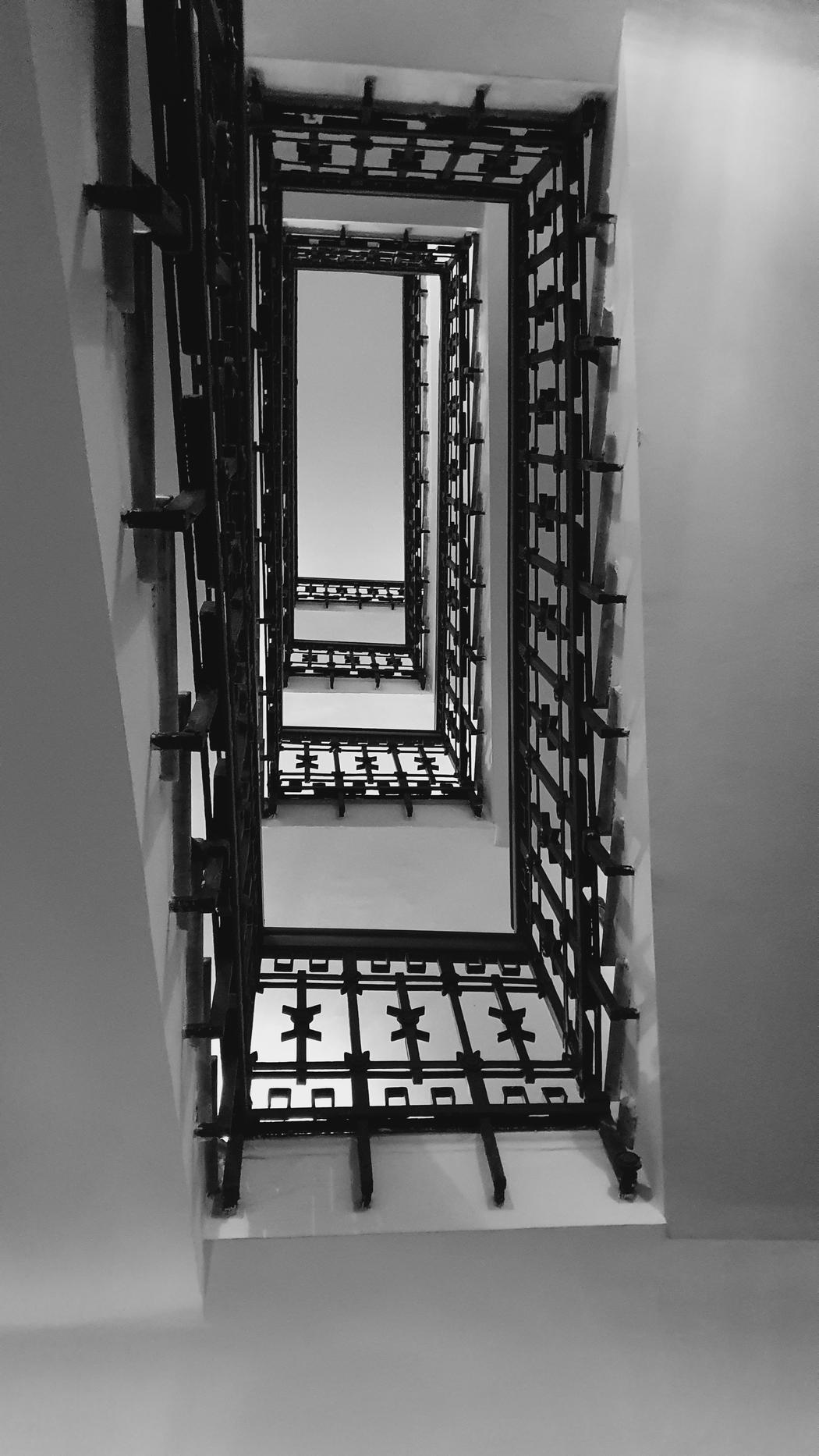 Pablo Gabriel Ribeiro Danielli | Vertigo
You aim to make your photographs evoke the feeling of a painting. What qualities make a scene “pictorial” to you before you even take the shot?
Yes, that’s true; art strongly influences my approach to photography. Whenever something new emerges, people claim the old is dead; yet, the best compositions and studies of light and shadow are found in paintings. It is essential to constantly learn from art movements. I feel I’ve succeeded when I can convey a specific feeling or even prompt the viewer to imagine a story behind the captured moment.
Light and shadow play a central role in your work. Do you seek out specific lighting conditions, or do you react to what you find?
The contrast between light and shadow is certainly essential, but I don’t go around snapping photos like crazy just to pick out a “good” one later.
I believe that part of what I do involves observing far more than just taking a picture. A photograph is a combination of factors and intentions; in my view, it reveals itself. A place or a space often shows itself in subtle ways, and paying attention to details is more important than having a gallery full of meaningless photos.
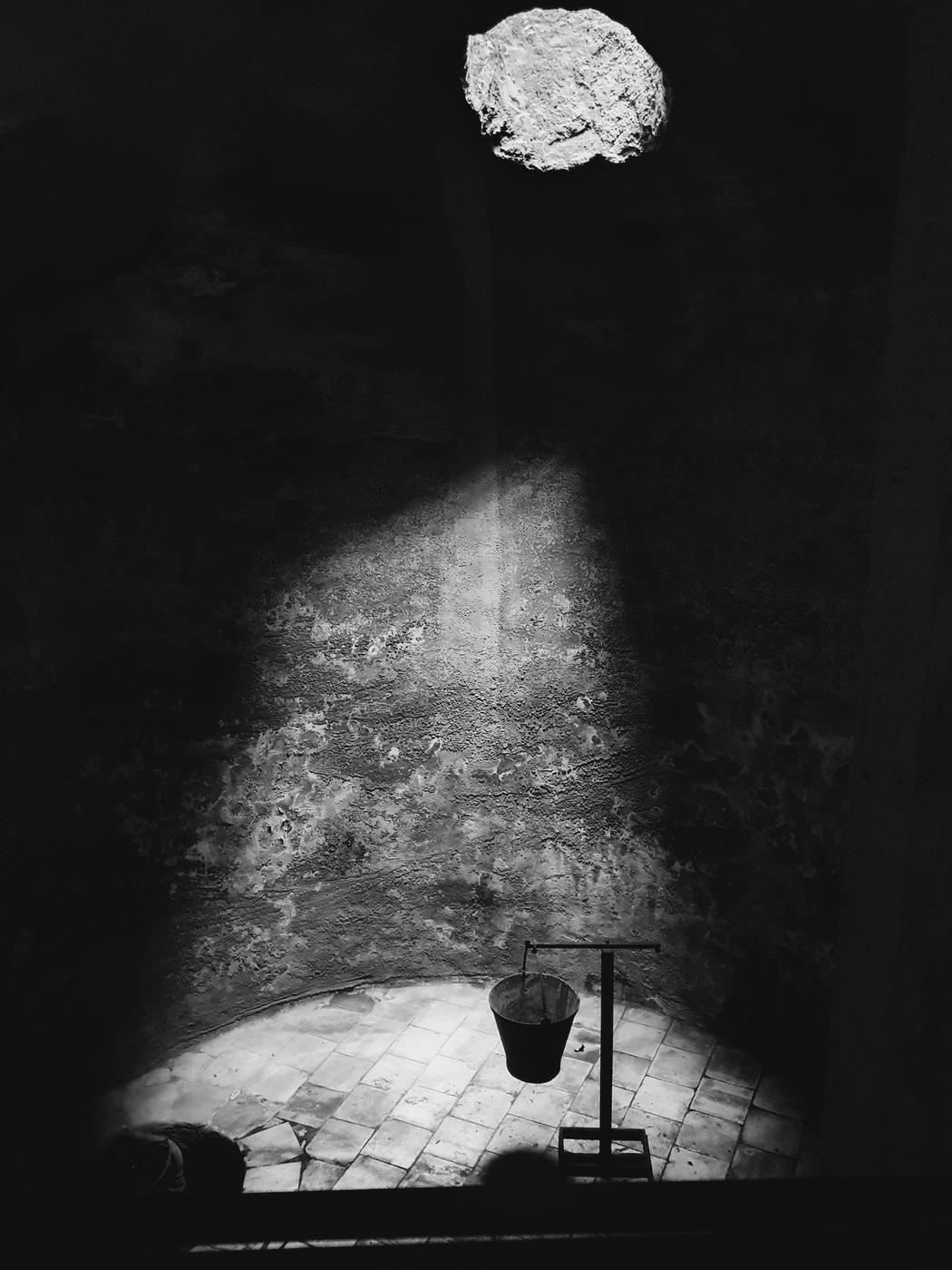 Pablo Gabriel Ribeiro Danielli | The Well
Many of your photographs show places with few or no people in the frame. What can an apparently empty space reveal about the people who use it?
The world is full! (Laughs) Showing emptiness stems from an intention to provoke reflection on the space we occupy. Life happens even when we aren’t there; routines and environments exist and coexist with human beings. We are the subjects, and we give meaning to things. Meaning exists only because we exist; whether it’s a complete stranger or a famous person, the space remains the same, but the meaning differs.
How does your knowledge of art history influence your photography? Are there specific artists or visual traditions that have changed the way you see things?
In architecture school, we already have courses on art studies, but when I sought to specialize in art history, a new horizon of possibilities opened up. When you explore art movements and understand the intentions of various painters and the eras they lived in, it’s very hard not to be influenced—directly or indirectly—by painting. I really like Caravaggio, Monet, Vermeer, Hopper, and so many others; it’s hard to find a work of art that doesn’t make an impact.
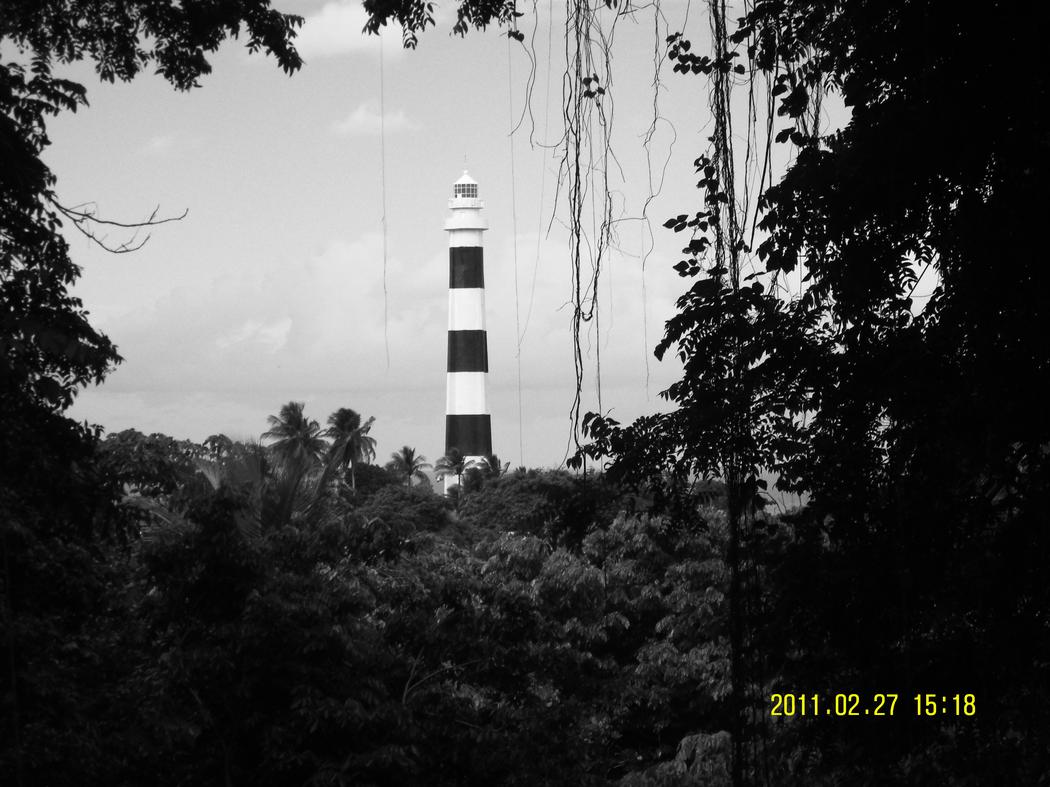 Pablo Gabriel Ribeiro Danielli | The Headlight
When returning from a day of shooting, how do you decide which images captured the essence of a place or moment?
The image has to express something—to “speak” and convey meaning. Sometimes I take photos that are technically sound but lack the depth needed to spark any kind of reflection in me. However, when I take a photo and later look back at it, and it somehow prompts a different way of thinking than the one I had at the moment of the shot—that is a photo that truly justifies its existence as a “painting.”
But this is deeply personal; every image has a different impact on each of us. What resonates with me won’t necessarily have the same effect on someone else. Although I have a background in architecture and art, the entire life experience I carry with me—the good times and the bad—forms part of this way of expressing myself through photography. It is up to the viewer to look at the photograph and, drawing on their own experiences, decide whether or not it makes sense to them. In a way, it will always be a work defined by multiple perspectives.