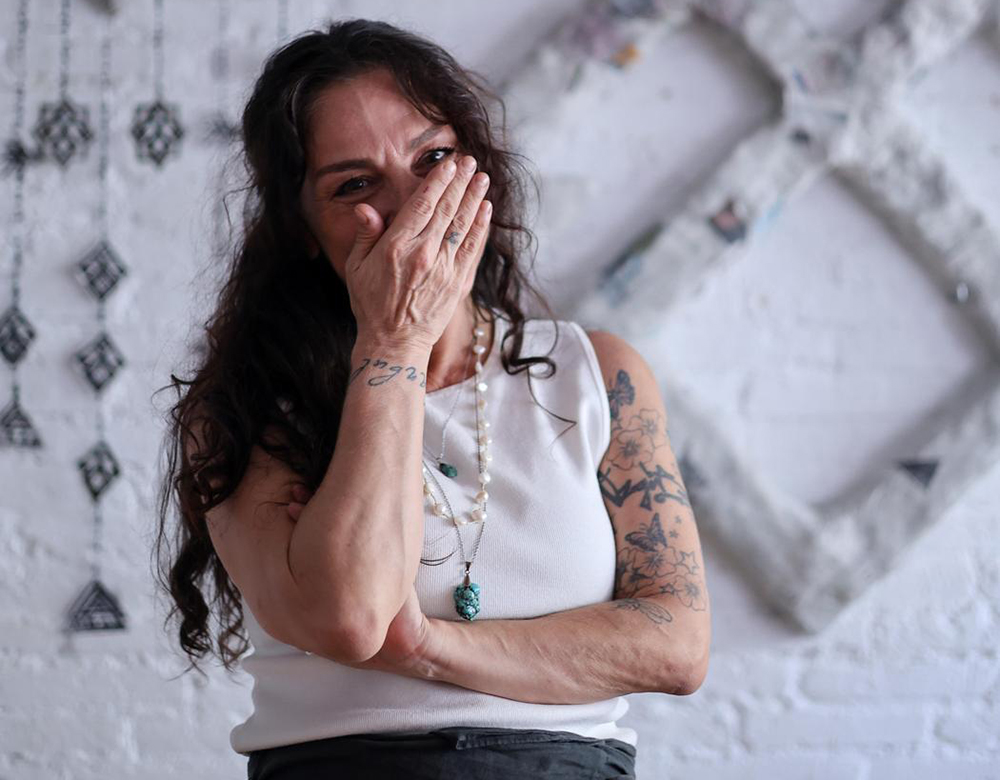
Gabbiano
You began creating graffiti at the age of thirteen. How has your relationship with graffiti evolved over the past twenty-six years, and which aspects of that early experience remain present in your work today?
Back then I was sketching my stuff on school books To vandalize my home city Avignon at night time.
Around 20 I started to prefer taking time and advantage of daylight to use authorized walls making pieces I would really enjoy to see .
Then come this time that I always relate on this say by Tracy 168 “ Graffiti is for kids, but but you only get good once you’re adult”
Around 25 I created my nonprofitable organization Graffiti for charity Offering free murals collectively made with the kids in schools of Marseille and then Colombo in Sri Lanka. I wanted to promote and to feel positive and integrated through Graffiti instead of marginalized
I keep doing murals, stores for friends, custom shoes, Until I got propose to offer an art exhibition.
I never made canvas before But the idea of making art and using the phones to promote my organization, made absolutely sense.
What remains all the way from the beginning is the passion for letters, for smell of spray, of creativity , this wild instinct to go hard without thinking …
I love the challenge of Condensating this wild art into a square canva.
Your artist name, Gabbiano, comes from a laugh that resembles the call of a seagull. How does this connection to Marseille reflect the personality and spirit you want your art to convey?
Marseille is a wild raw Aggressive and dirty city, but on the other hand It’s a magnificent , surprising and joyful place. So is the seagull, and so is graffiti.
The city, the art and the animal offer this extreme contrast Which gives no choice to love or hate it.
I identify as well as this kind of personality I can be the worst and the best of myself And I’ve been loved and hated, Not always by choice for sure and I always have to live with it.
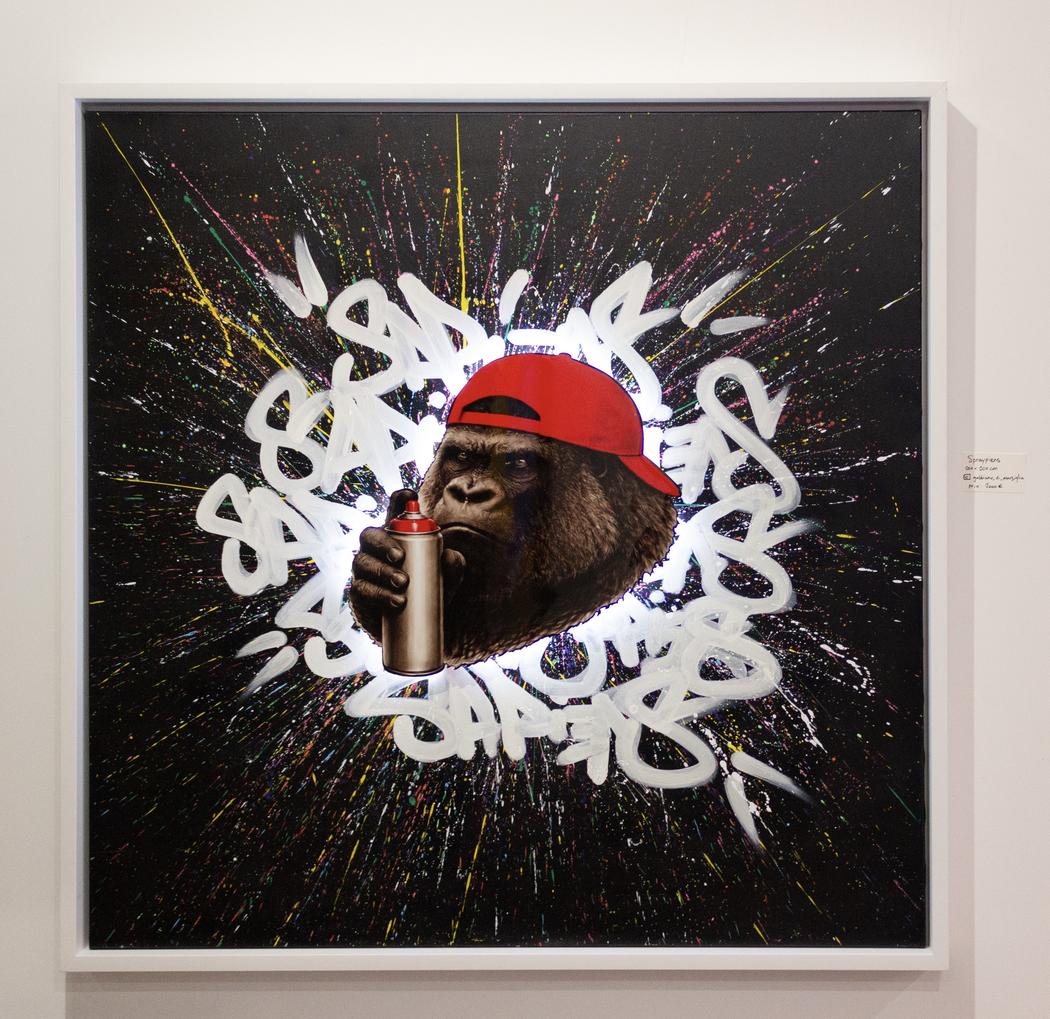
Naturally my art combines raw aspect from graffiti and clean and lightful aspect from the hardware topped with resin and LED light.
Your practice brings together graffiti, pop art, sculpture, and light. How did you arrive at this combination, and when did you realize that a painted surface alone was no longer enough for what you wanted to express?
Graffiti was and still is the base of the creation. I liked to add something everybody can relate to in the center, as graffiti is more a niche. The idea of having it on volume like a sculpture make this object that the LED light captivates .
I found it original and playful to create art object this way.
Light is not simply an illuminating element in your work – it actively changes what the viewer sees. How do you use LEDs and phosphorescent paint to create different visual experiences in daylight and darkness?
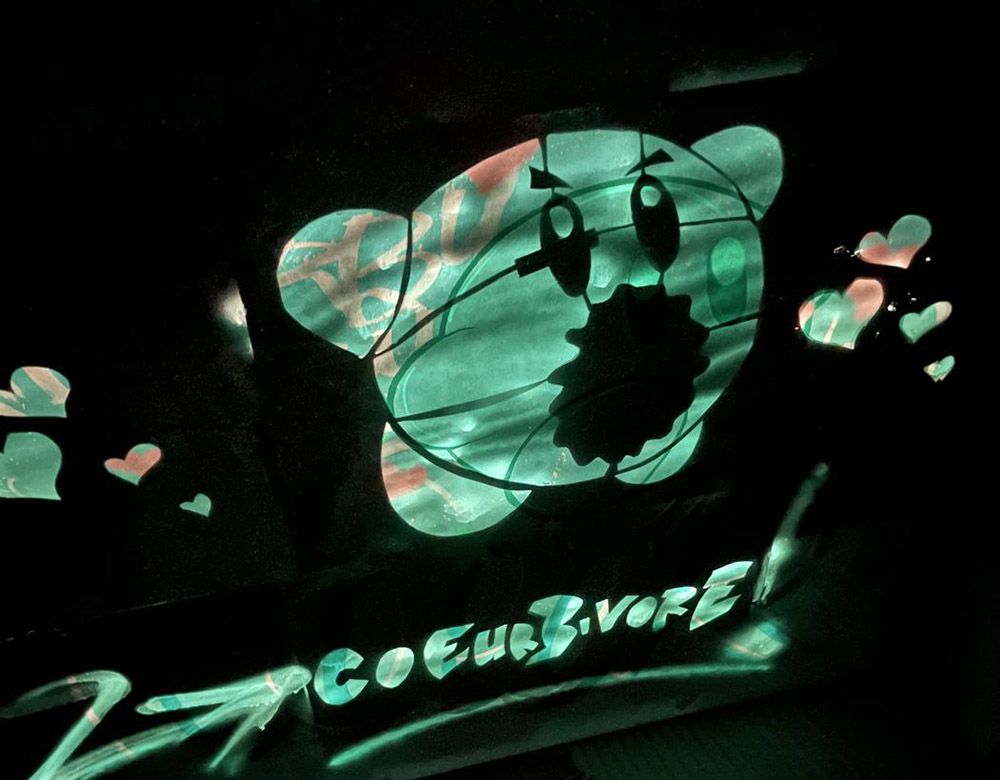
LED and phosphorescent create a double vision on the canva.
For the LED it’s becoming way more brightly when light turns off and for the phosphorescent it creates a double reading, positive on day light , and negative when light turns off.
Your works combine spray paint and acrylic with aluminium figures, resin, and integrated lighting. How do you balance spontaneity and technical precision when working with such different materials?
Spray paint is used for the background , acrylic on a more wild and spontaneous move.
Aluminum figures a s resin ask more patience and concentration. The more we arrive at the end of the creation the more precise I need to be.
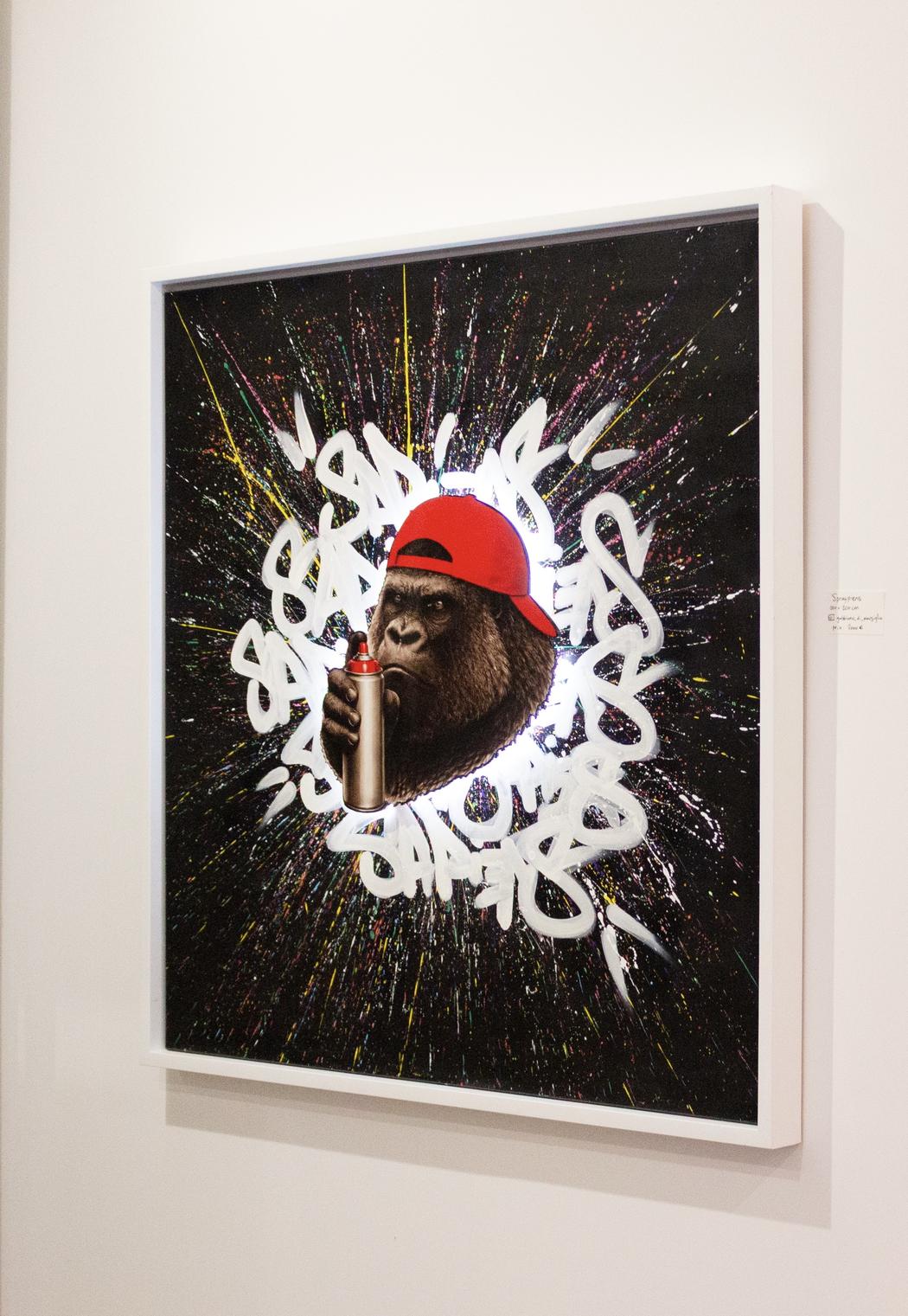
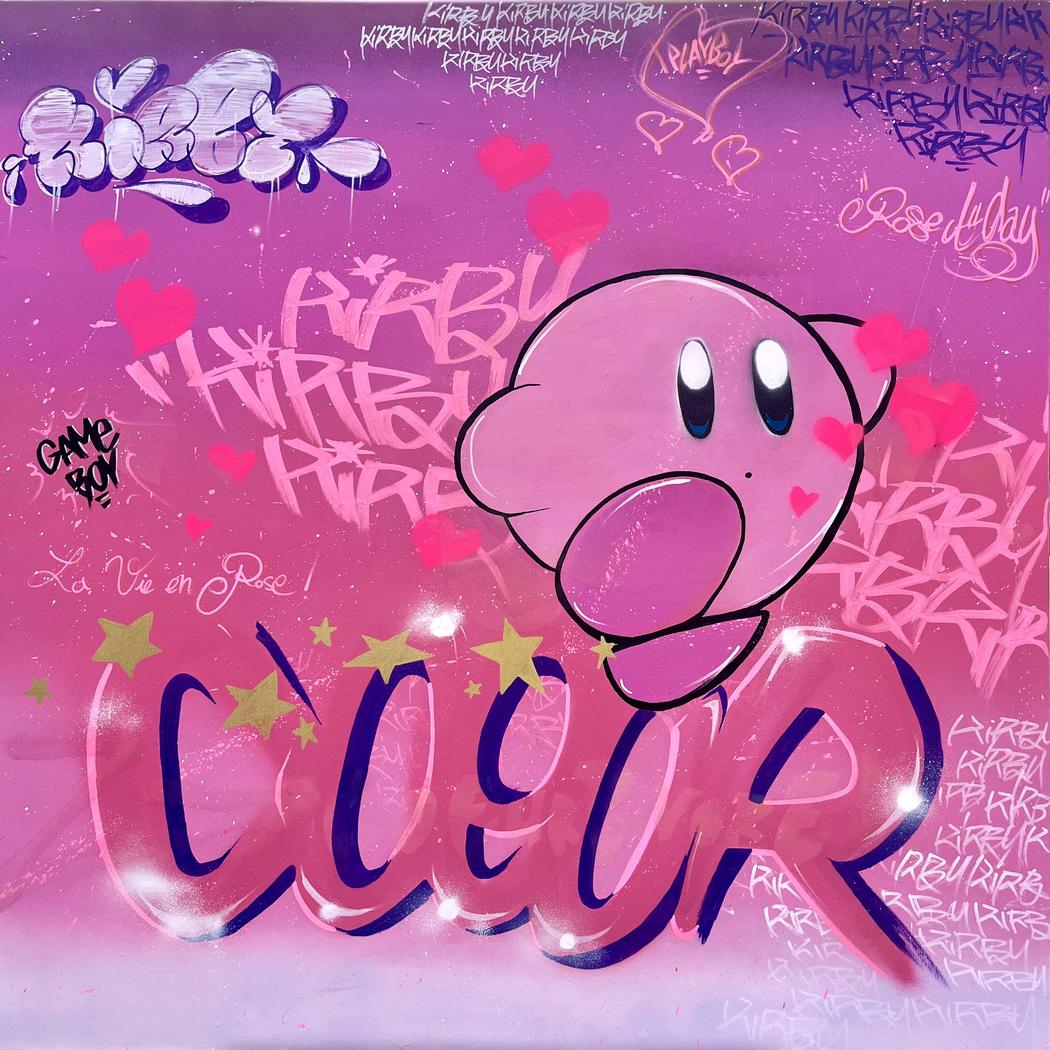
Recognizable characters and symbols from popular culture frequently appear in your compositions. What attracts you to these images, and how do you transform them into something personal?
Those character are known , but the graffiti and messages around are transforming them into hip hop culture or personal vision I have on them.
Your visual language is vivid, joyful, and immediately accessible, yet you also describe it as symbolic. How do you create space for viewers to form their own interpretations without losing your original intention?
That’s always the topic regarding creation : there’s a intention to show something , its needs to be obvious enough so viewers can get the message, but if it’s too much explained it looses its subtility.
In between people can make their own interpretation.