
Cara Lee Wade
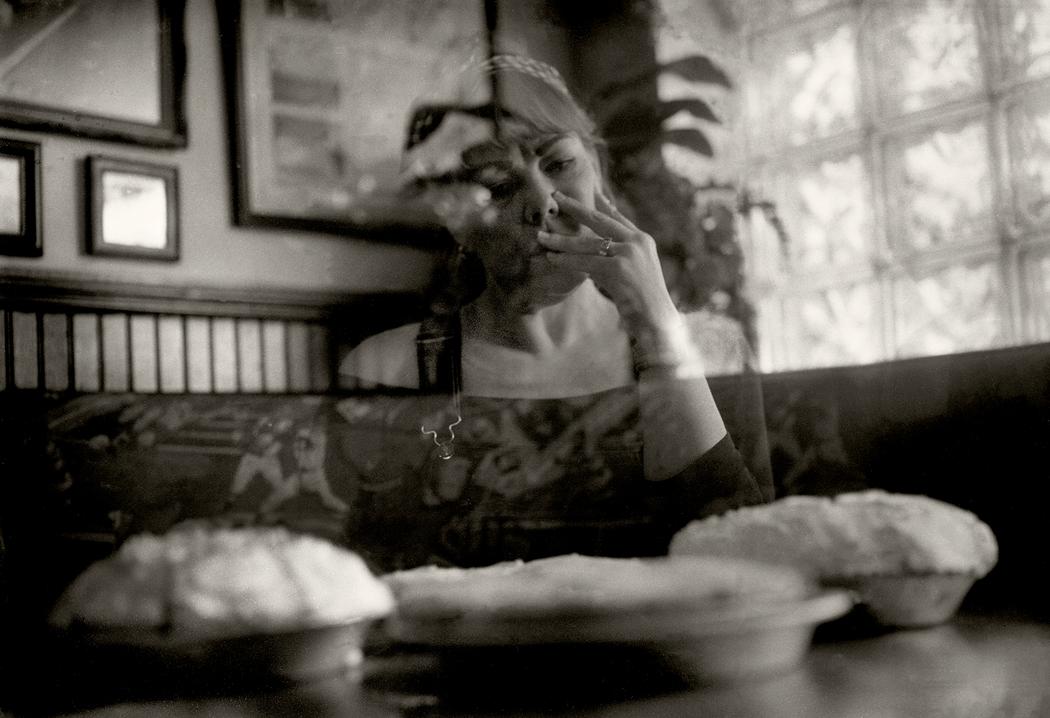
Your project Memory is a Whisper is rooted in personal loss. At what moment did grief transform into a creative ritual for you?
I originally started making these photographs when both of my grandmothers were diagnosed with Alzheimer’s disease in the same year. It wasn’t until after they passed from Alzheimer’s related complications, again in the same year, that I realized that this work was transitioning into more than just a personal form of art therapy. A few months prior, for my first tenure track job, I moved 1000 miles from home and for the first time in my life so from my people. I think this familial solitude was the catalyst for feeling like I needed to retain memory on a deeper level. The scope widened and research became a much larger part of my creative process. It was also when I started having less direct proximity access to the actual objects of memory. This meant that the hunt for “treasures” became part of my ritual as well. I’ve always considered myself to be a process driven artist, meaning that the steps taken getting to the creation of the piece of art are as important as the making of the art and these process phases started being much more of an investment in the work.
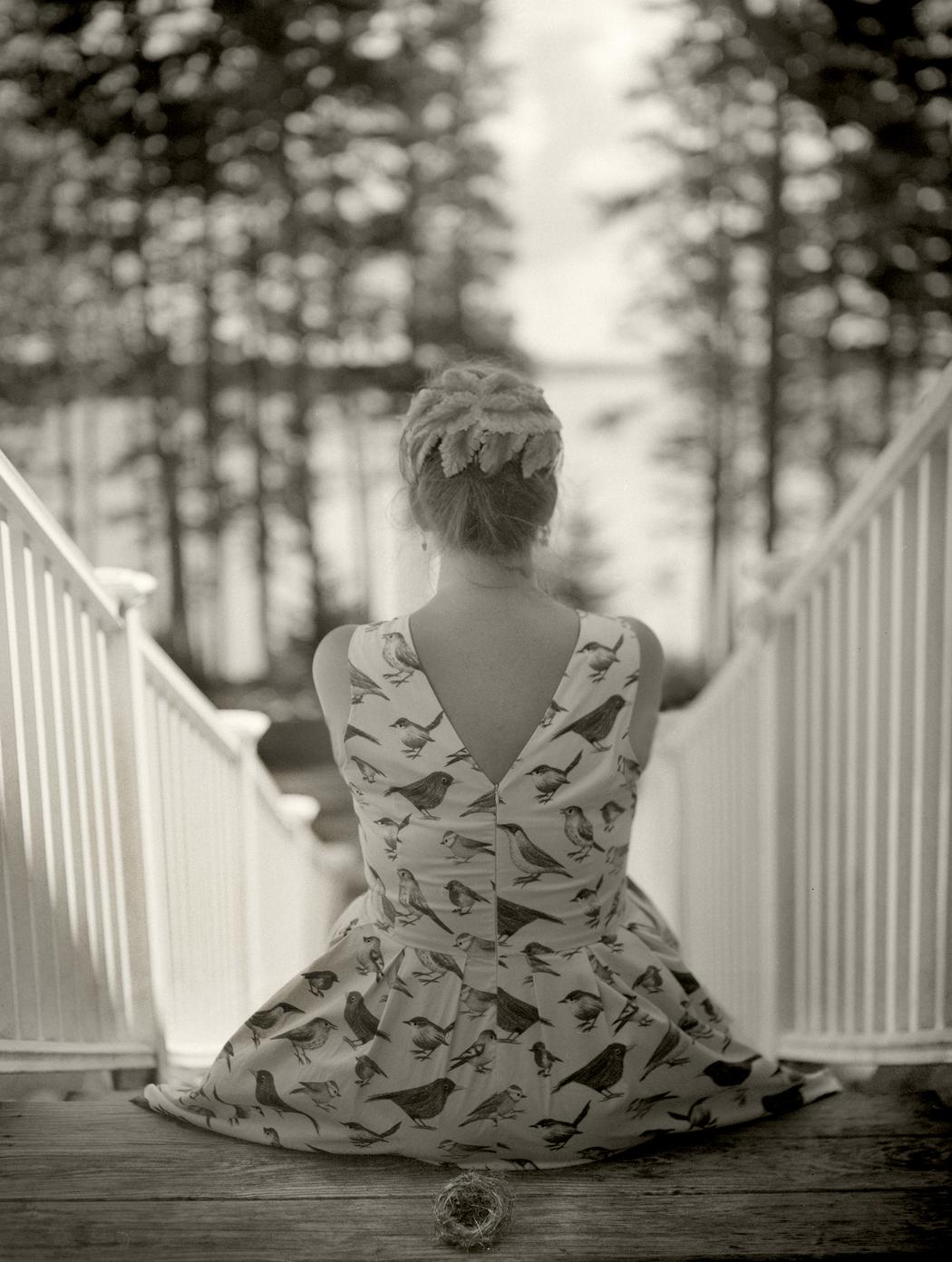
You describe yourself as both a witness and a vessel for the women who came before you. How do you navigate this dual role in your self-portraiture?
This is a great question, thank you. I think I navigate this in two ways. One, is that I have to constantly remember that these are not really photographs of me, Cara Lee Wade. I am making photographs of an amalgamation of a woman, a spirit formed of words, sounds, smells and all things that cannot be represented in a photograph. She is a woman who has characteristics of me because I share traits with and resemble my Momma, my Granny, my Gram, and all the Greats I never met. When I’m photographing my neck, I’m photographing a recessive gene feature like my Momma. If my knees are included in an image, I’m sharing the Osteoarthritis that I inherited, less thrilled about that one. Second, I am telling these stories in a way that makes the imagery performative. By keeping a small part of myself as an outsider, looking into a past I’ll never fully know, I am presenting the photographs as still frame tableaus which allow me to be an invested but slightly unreliable narrator. Unreliable, because the stories do stray. Unintentional fabrication, due to loss of details and going back to the original content of the work, loss of memory, allowing for small windows of inaccuracy in the storytelling.
Many of your images feel suspended between presence and absence. How do you intentionally construct this tension visually?
Thank you, that is a conscious choice because I feel that it is a visual representation of the oblivion of lost memories and those just out of reach. There have been many occasions when I’m trying to remember the history of an object or the story of a location or a dress or an apron and I just can’t find the words. My camera also helps create the visual tension. It has a controllable tilt shift which allows for the choice of a very shallow and narrow plane of focus which can make the viewer feel a little like they’re in a dream world. This feeling is essential to my work; it lives in nostalgia but also, in a smaller sense, the unsettled tension I think you are referring to.
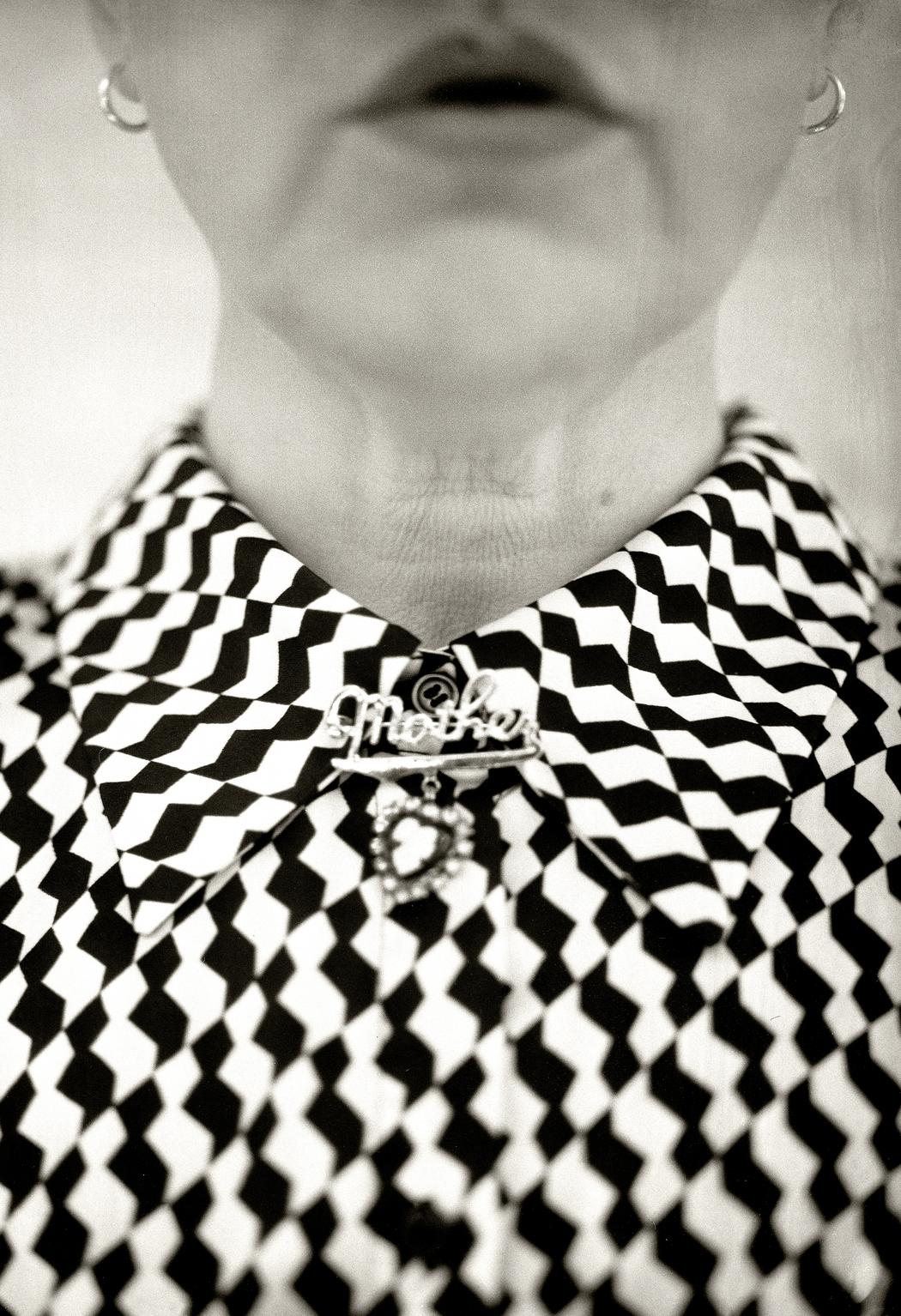
Objects appear to carry emotional weight in your photographs – teacups, dresses, domestic interiors. How do you choose which artifacts become part of an image?
Objects do carry emotional weight in these images, very heavily in fact. Sometimes the objects actually do belong to a woman in my family, my grandmother, an aunt, my momma. These objects have stories inside them, and I build the images around the memory that the object contains. Often the objects are replicas or substitutions, and I find them in antique stores, junk shops, or thrift stores. I will walk around an antique store and see a little piece of history and it’s almost like a jolt of electricity and I’m suddenly propelled back to a moment of childhood or back to some anecdote and almost instantly an image begins to form in my head. I have so very awkwardly stood in the middle of an antique store booth conceptualizing on numerous occasions, like a weird statue, clutching something like a rusty sifter, blocking some other customers path. I once spent weeks looking for a 1980s issue of a TV Guide because I needed a coffee cup to sit on top of it for the piece, Immeasurable Distances, and I searched and I searched and I searched and eventually found one; it had Elvis on it. Ironically, in the photograph you can’t tell that it’s a TV Guide, It could have been anything, but in my mind, it was paramount that the coffee cup sat on a TV Guide.
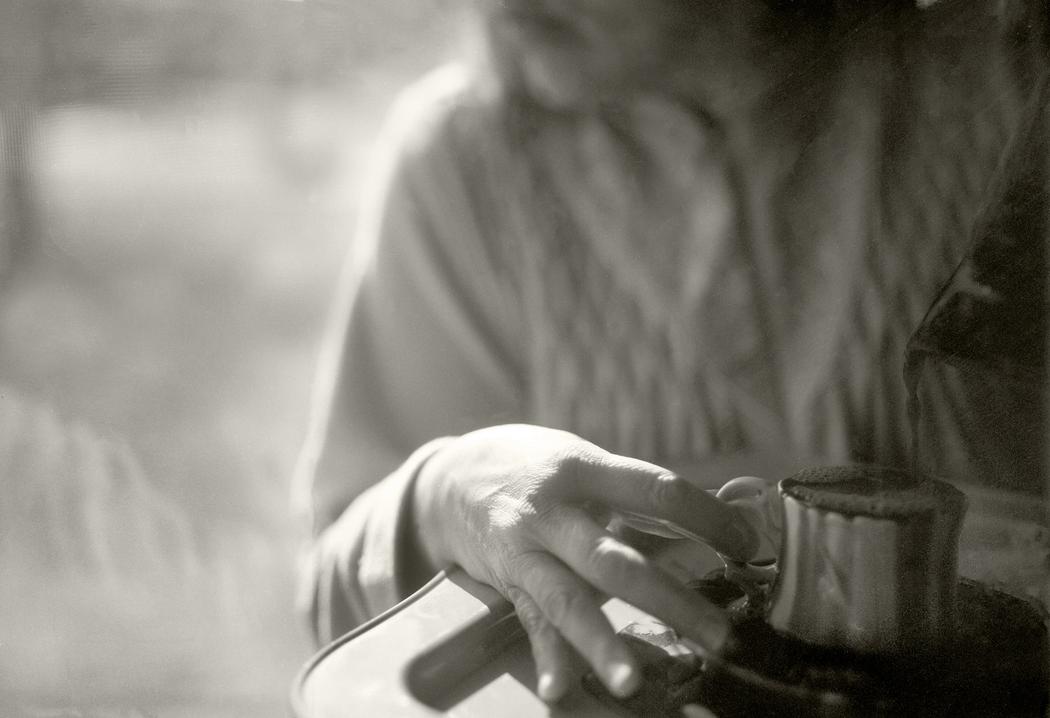
The use of a 1947 4×5 Graflex Press camera is a deliberate choice. What does working with this camera offer conceptually and emotionally that digital photography does not?
I appreciate that you used the word emotionally in your question, emotionally digital photography leaves me cold. While I teach digital photography (and have for almost 25 years) and I understand and respect all of its wonderful traits, analog photography and a 4×5 camera speaks to me as a process driven artist.
My choice to use Graflex Press Camera comes down to two things – a little bit of practicality in that it is self-housed so that it is portable in a way that many view cameras are not and when I was in graduate school and a poor student, pinching all my pennies, I got a really good deal on this camera and now I’m very emotionally attached to this camera and continue to use it. It is almost eighty years old and still works like a dream, although I have purchased close to a dozen vintage self-timers as they do not seem to have been nearly as well constructed.
Emotionally, the experience of making a photograph is very different from digital photography. The Graflex is heavy. It takes time to set up, getting under the dark cloth, adjusting the bellows, the tilt shift, the super fine focusing, seeing the image upside down on the ground glass. The film is a bit precious. It is expensive, no rapid fire clicking. I typically take no more than 12 images per scene, so I photograph with intent. It is all so intimate. I have to pause and embrace the slowness, something I do not do in most aspects of my life.
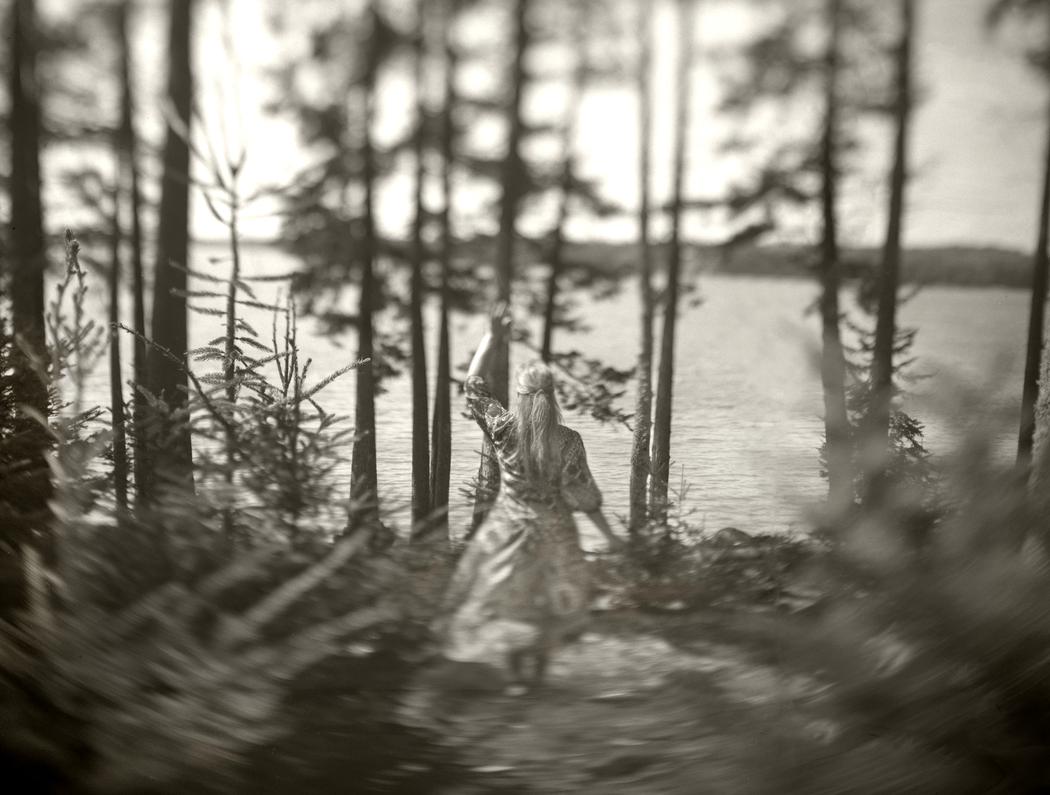
Alzheimer’s disease reshapes memory and identity. How has witnessing this transformation influenced your understanding of photography as a medium of preservation?
Photography has always been a medium of preservation for me. The idea that a seemingly blank piece of white paper submerged into trays of seemingly clear chemicals under a red light produce an image and that piece of paper can last forever is nothing short of magic. Photographs do freeze a moment in time forever, look at world history since the mid-1800s, but life does go on and that photograph will become a future lie – people are born, age and die, cities build and crumble, conflicts win and lose… One of the things at the heart of this work is bringing those lies back to life in a truth that doesn’t call false to the past but suspends the narrative in a way that respects the ancestry while spinning new yarns.
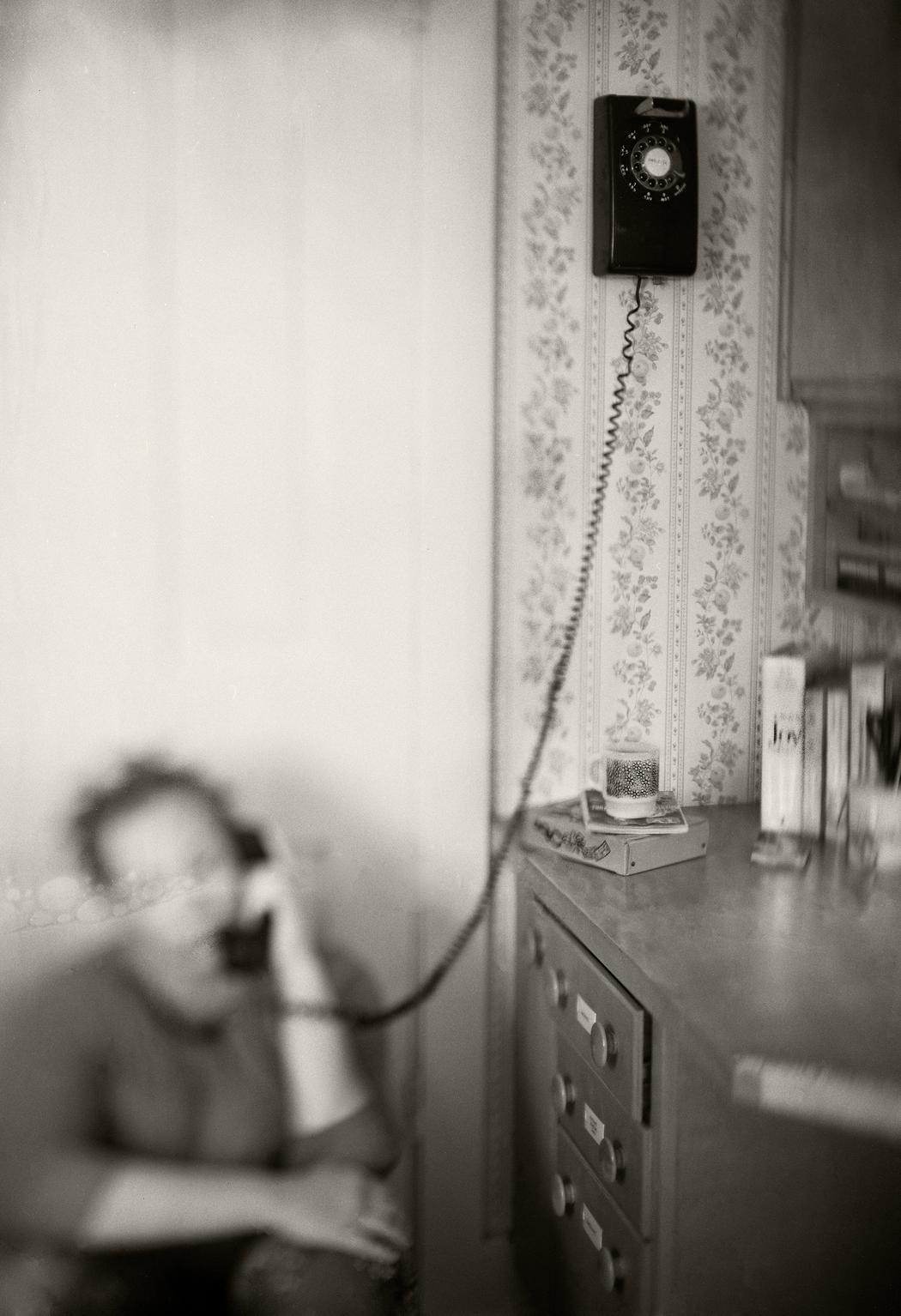
Your images feel tactile and archival. How important is materiality – the print, the edition, the physical object – to the meaning of your work?
The materiality is essential to the work. A couple of times over the years, the paper I used has been discontinued and I have been utterly devastated. Change is hard, but I adapt. The edition size has stayed at 25 to keep the work precious. Recently, I have been thinking about the physical object, and the next phase of the project is going to include actual objects. The objects have grown increasingly more important in the work and then some images I’ve taken myself out altogether and let the object be the storyteller. Late last year, my sister found an old Betty Crocker recipe box that belonged to our Gram. She was looking for a pecan pie recipe. Tucked in with the printed recipes, we found a bunch of handwritten ones…we found five different pecan pie recipes among them. I was drawn to the recipes that had handwritten little anecdotal notes in them (like Bob liked it better with a little ice cream on the side). I have isolated all of the recipes with notes from the box and have been searching vintage, antique, and junk shops for aprons. My intent is to print the recipes on the aprons and then starch them so that they are free standing object elements to complement the wall hanging photographs.
Leave a Reply
You must be logged in to post a comment.