
Elizabeth Barlow
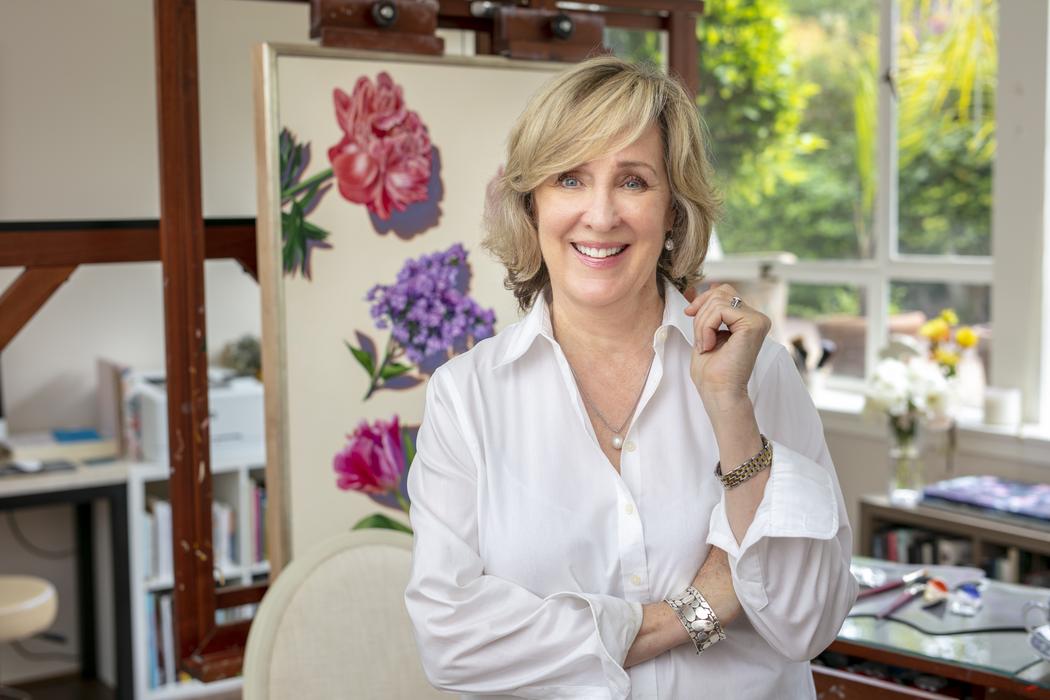
You often describe your flower paintings as portraits rather than still lifes. What does it mean for you to “portray” a flower as an individual being?
Portraiture (in a loosely defined way) was a key theme of my work during the years I lived in San Francisco. I developed a series of paintings called “Portraits in Absentia” in which I used my subject’s belongings to create their portraits. I loved exploring my subject’s lives through their belongings. It was a kind of archeology in paint.
When I had an awakening to devote my art to flowers, the habit of seeing my subjects as potential portraits flowed naturally into my practice, but with an added dimension. At the same time that my art shifted to flowers, I began a meditation practice. Through meditation and wisdom study, I began to see flowers not just as beautiful individuals to portray, but also as universal symbols of presence, awareness and being.
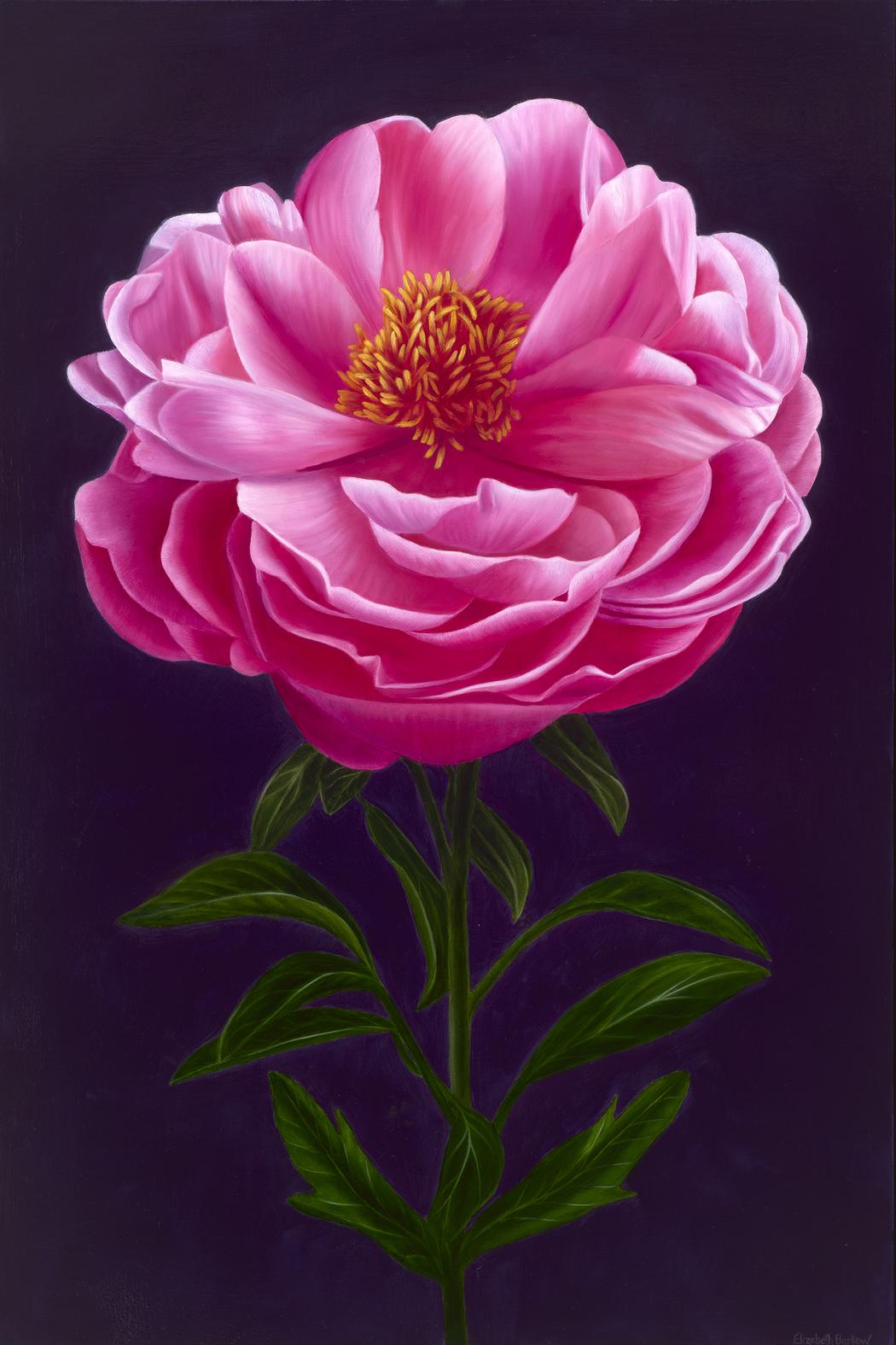 Elizabeth Barlow | Abundance
Your process is intentionally slow and layered. How does time function as a material in your work, alongside paint and linen?
I wish I could say that the awareness of material time is absent from my paintings and my studio. But I am lucky to be a busy working artist, and I have tight deadlines and the same metaphorical ticking clock that many people have with their jobs.
My paintings are made up of countless hours of silent (sometimes intense) dialogue with the painting. In these hours, time speeds by and I am lost in shapes, colors and values. Sometimes when I end a painting session, I feel as if I have been in a trance and must snap myself back into the “real” world.
Woven into each layer of oil paint on my canvas is a thousand micro-moments of emotions, of exhilaration, clarity, uncertainty, regret, discovery, calm and joy. Eventually, the painting stops “speaking to me” and I know that it has become itself and is ready to go out into the world.
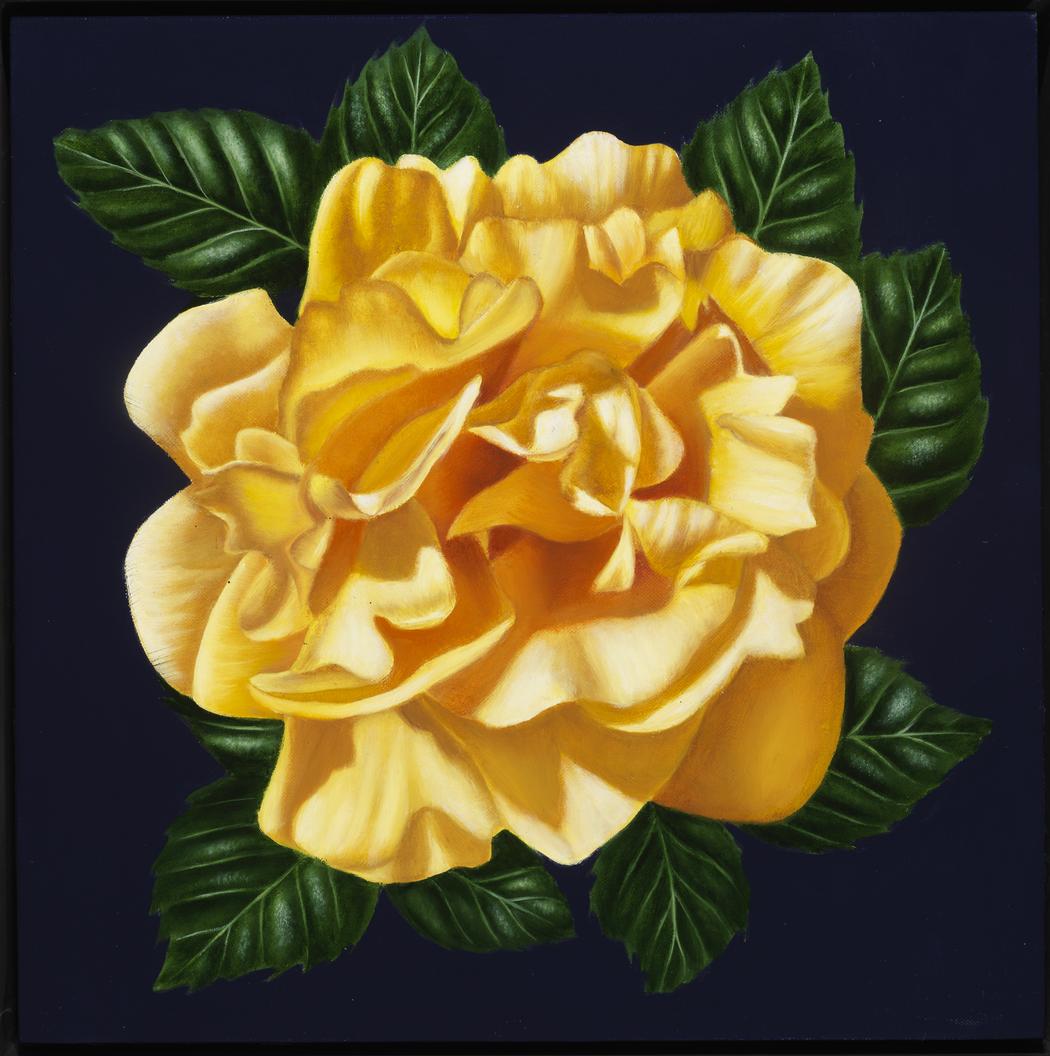 Elizabeth Barlow | Beguile
Moving from San Francisco to Carmel-by-the-Sea marked a turning point in your practice. What shifted internally when your environment changed so dramatically?
I loved our busy urban lives in San Francisco, filled with opera, ballet, theater, restaurants and art openings. But I remember something so clearly that happened as I drove to my weekly Pilates classes through San Francisco’s busy city streets. As I approached my destination, I would top a big hill and come face to face with the giant trees of the Presidio park. Every single time, I would exhale and feel a wave of calm and joy when the trees soared into view.
When we moved to Carmel-by-the-Sea, I found a studio in a church in the center of our village. Each day, I walk to and from our home to my studio. My senses are now filled on a daily basis with ocean mists, twisting cypresses, redwoods and year-round-flowers in the cottage gardens of our town. These exterior things rhythmically match the interior energy I seek on a daily basis through my meditation practice and daily mindfulness readings. But I honestly think the biggest shift internally came about when I decided to dedicate my energy and life to painting flowers. Flowers serve as a wake up call to pay attention. They use their beauty to seduce us into slowing down, noticing, savouring and just being present for this one moment.
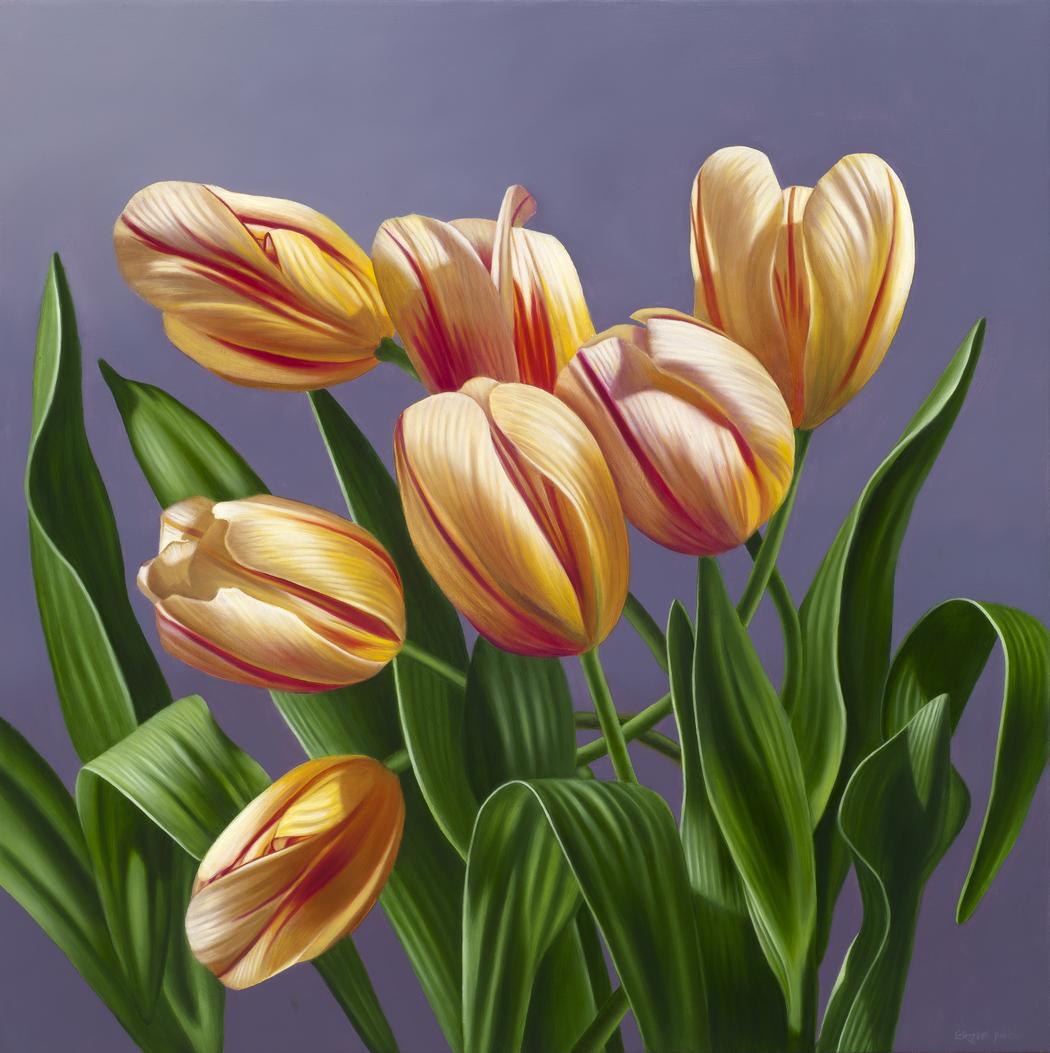 Elizabeth Barlow | Heralds
Flowers are traditionally associated with beauty and delicacy, yet you emphasize strength, resilience, and life force. How do you visually express this tension in your work?
Thank you, this is such an interesting question and no one has asked it of me before. Flowers are indeed delicate and fragile, yet they are also incredibly powerful. Inside every flower is the potential for growth, wholeness, decay, transformation and re-emergence. So, to capture this power inside every flower, I do two things.
First, I decided to always paint my flowers in golden hour light. For my reference photos, I always shoot the flowers in the early morning or late afternoon. This gives me long, moody shadows and rich highlights to work with. I am seeking a kind of light that takes your breath away when you encounter it. I want to impart a sense of wonder and marvel.
Also, I choose to exaggerate the scale of the flower. The flower is no longer a pretty thing in a garden or a vase. It is now a kind of sacred symbol, ready to remind us to slow down, wake up, pay attention and be transformed.
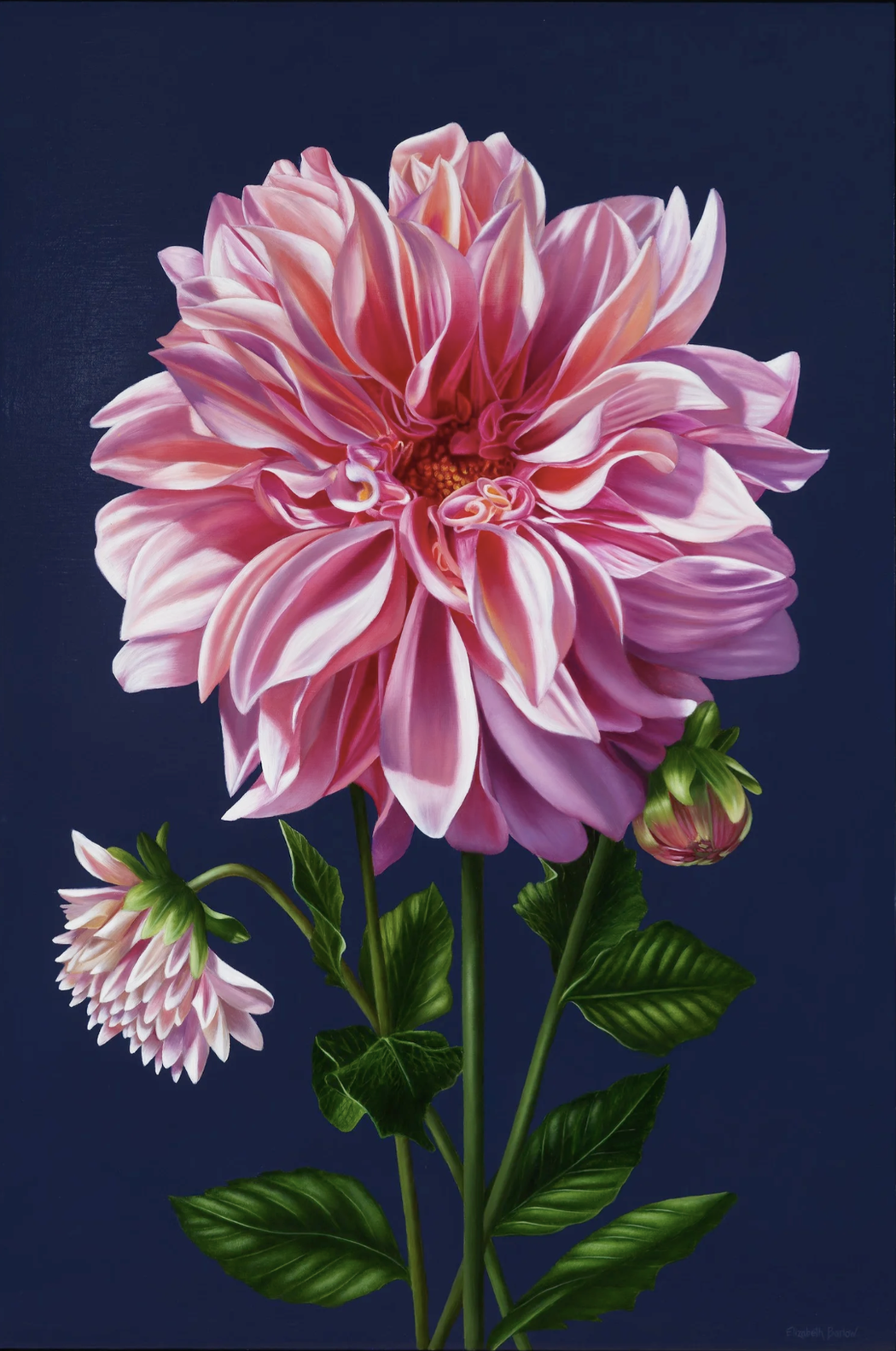 Elizabeth Barlow | Empress
Your father, Philip Barlow, is described as your most important artistic influence. In what ways do you feel his presence in your work today?
My late father was my first and greatest teacher. He is with me every day in my studio, not only as a material memory in photos and in my journals, but in my being. I learned from him the great example of a person who just was an artist. He supported our family as an illustrator and graphic designer, but he was also always painting, even to the end of his life at age 85. Art is something that he just did, and that is how I live my days as well.
He gave me so many important lessons that I carry with me each and every day. One is the power of being self-critical in our work. This goes against much of what we hear today about not being a perfectionist, etc. But true artists of all kinds (writers, pianists, dancers, etc.) know that you must be ruthlessly critical of your own work, and persevere through moments of artistic doubt and dissatisfaction. When we are willing to “kill our darlings” and not be happy with something that others think is good enough, our work continues to grow and evolve throughout our lives. The amazing thing is that the more we are willing to be heartlessly critical of our work, the easier it becomes to work through the problems and find new, deeper ways of expression.
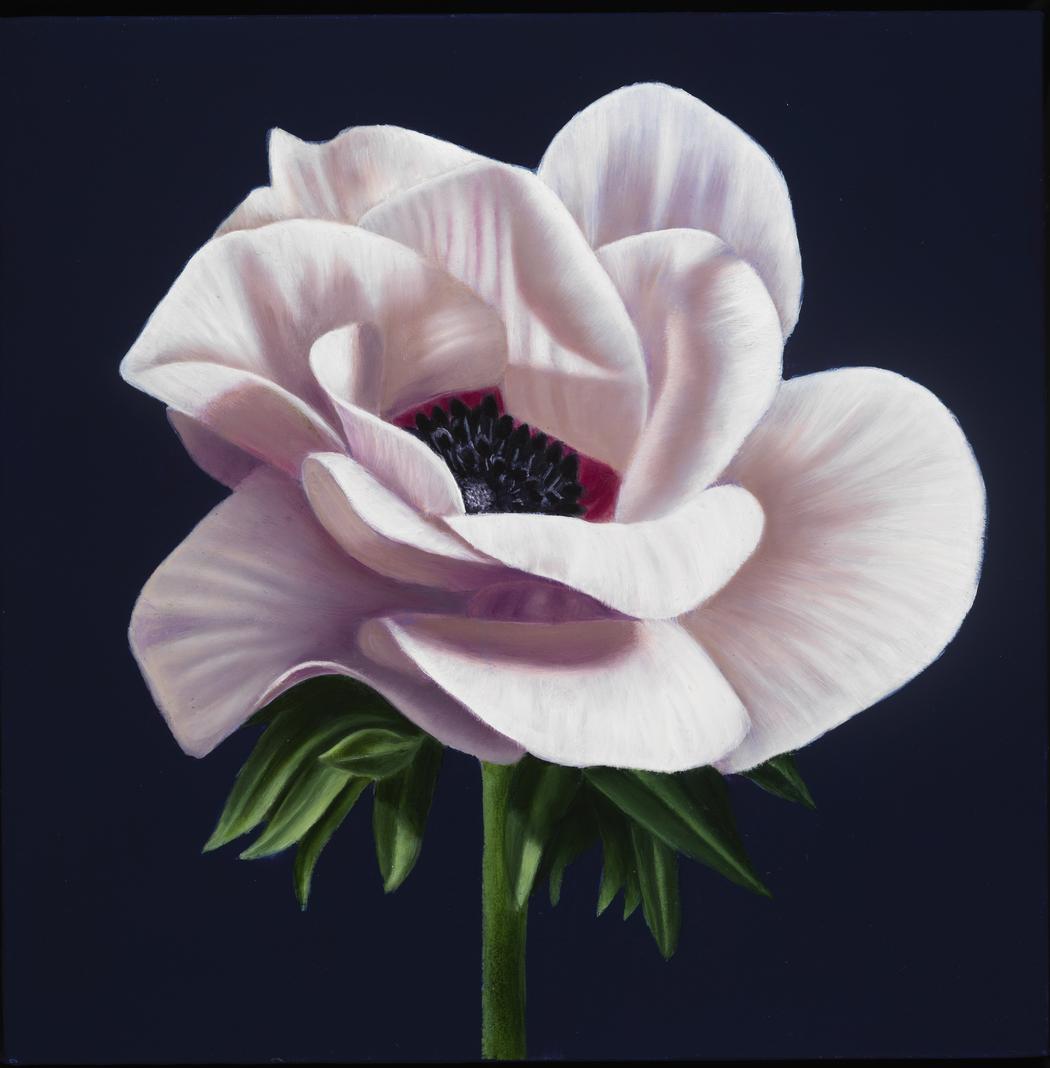 Elizabeth Barlow | Flaunt
If your Flora Portraits could offer one quiet message to the viewer, what would you hope it is?
My paintings are a wake-up call to pay attention to beauty. Beauty is everywhere if we learn to look for it. It may be something dramatic like a stunning sunset or or something tiny like a bee wobbling on a small blossom. All beauty stops us in our tracks and awakens us from our lives of busy-ness into small moments of pure being, and these are the moments that enrich our lives beyond measure.
Leave a Reply
You must be logged in to post a comment.