
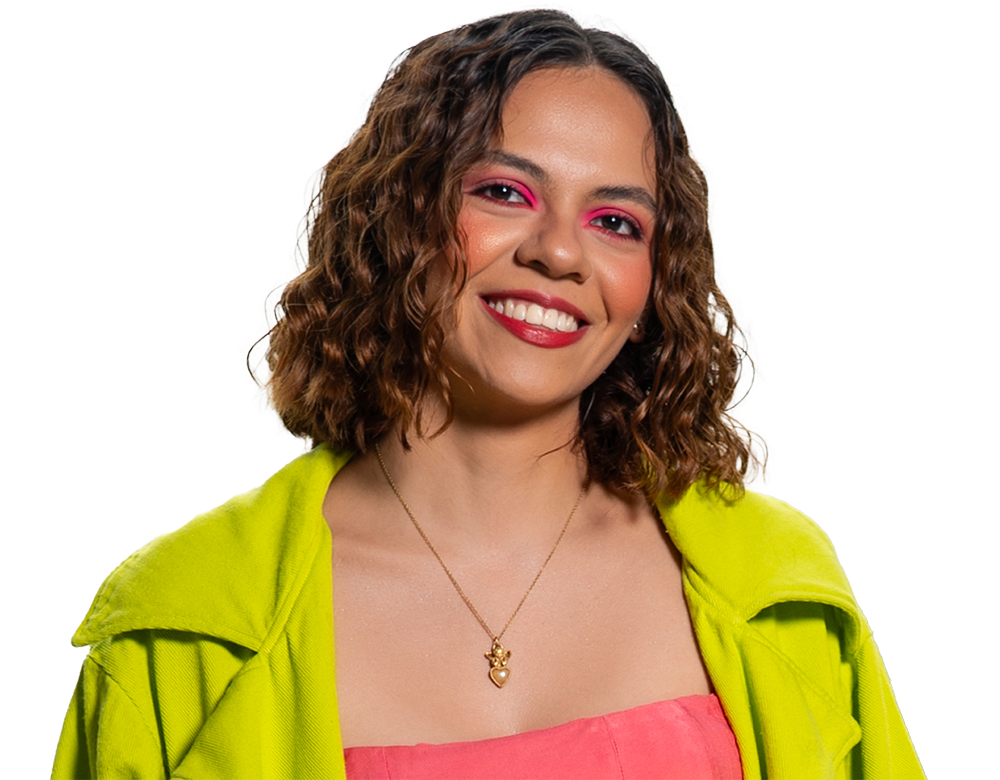
Camila Reznicek Dominguez
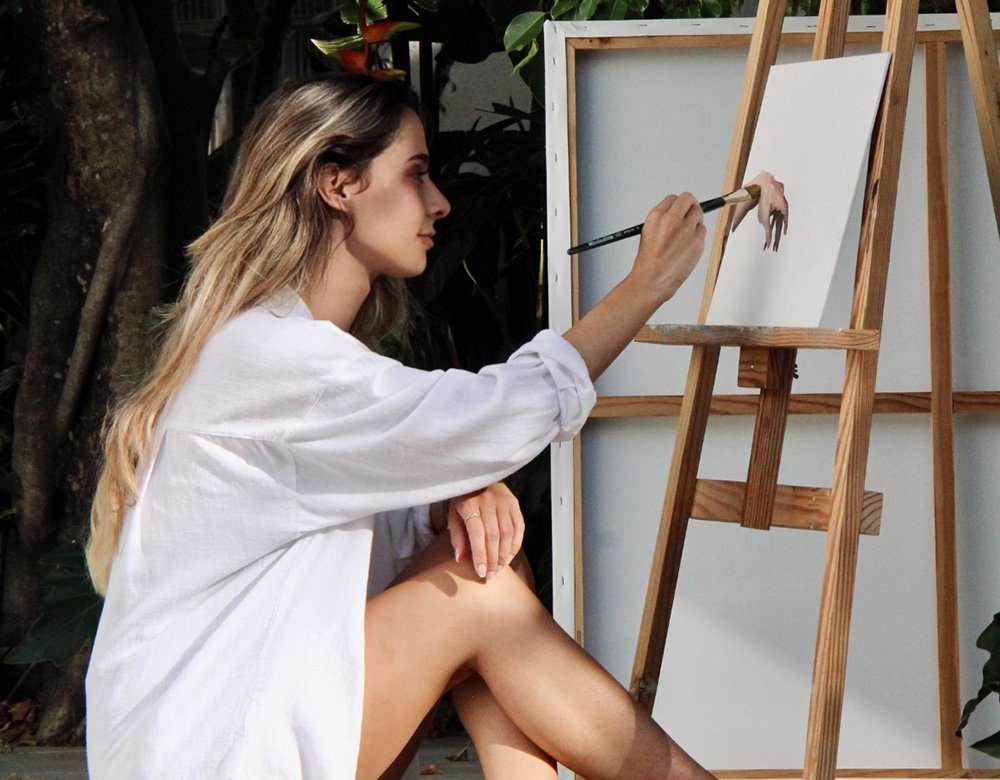
Year of birth: 2001
Where do you live: Santa Cruz, Bolivia
Your education: I graduated with a degree in Fine Arts and a Diploma in Digital Design. I completed my academic training between Madrid, at TAI University School of Arts, and Rome, where I studied at the Academy of Fine Arts.
Describe your art in three words: Vibrant, playful, expressive
Your discipline: Painting
Instagram | Instagram
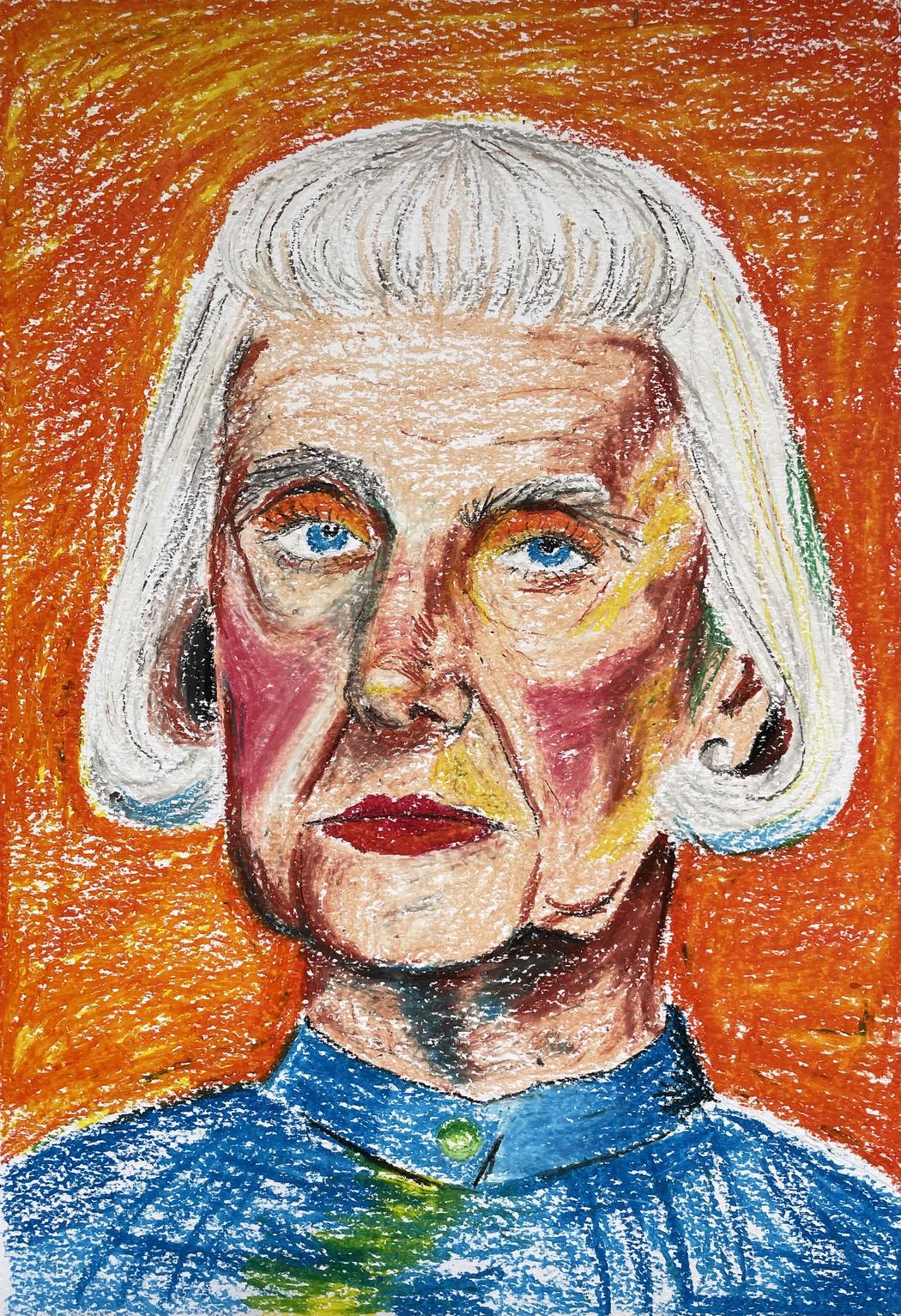 Camila Reznicek Dominguez | María | 2025
Your portraits feel very direct and emotionally present. What usually draws you to a particular person as a subject?
I’m usually drawn to people who carry something unforgettable, an intense gaze, a particular expression, or a presence that lingers in your memory after a single encounter. I’m interested in faces that awaken curiosity, people who make you wonder who they are and what stories or experiences shaped them into someone worth portraying.
While drawing, I feel a sense of freedom in observing and studying each face, allowing the image to evolve naturally rather than forcing it. These subjects give me the opportunity to play with texture and color, translating their presence through my own perception and materials. In a way, each portrait becomes less a reproduction and more an emotional reinterpretation — a way of bringing someone back to life through my own gaze.
You describe portraiture as an invitation to imagine someone’s story. Do you invent narratives for your characters, or do you leave that entirely to the viewer?
In the same way it happens to me, I believe the portraits remain open to the viewer’s interpretation. I’ve often shared with friends the simple pleasure of sitting on a park bench and watching people pass by, imagining where they come from, who they are, or what their lives might look like beyond that brief moment. My drawings work in a similar way.
Rather than defining a fixed narrative, I prefer to leave space for uncertainty and imagination. The viewer is free to decide why these figures look the way they do, who they are, where they come from, where they might be going, or what they might be feeling — whether they are happy, loved, or lost in their own thoughts. The portrait becomes less a story I impose and more a quiet invitation for others to project their own narratives and emotions onto the image.
Pastels play a central role in this series. What does this medium allow you to express that other techniques do not?
I tend to be quite perfectionistic, and while that has helped me develop technical precision, it can also make the process feel overly controlled. With mediums like acrylics, I sometimes find myself obsessing over small details until painting becomes more frustrating than enjoyable.
Oil pastels introduced a completely different physical experience. Their dense quality makes every mark immediate and visible — color is applied directly, without hesitation, and pressure naturally transforms into texture. The material encourages movement rather than correction, allowing layers to build intuitively over time.
Because of their intensity and vibrancy, oil pastels invite a more direct and instinctive approach. The process becomes less about refining and more about responding to the image as it evolves, making the act of drawing feel playful and alive.
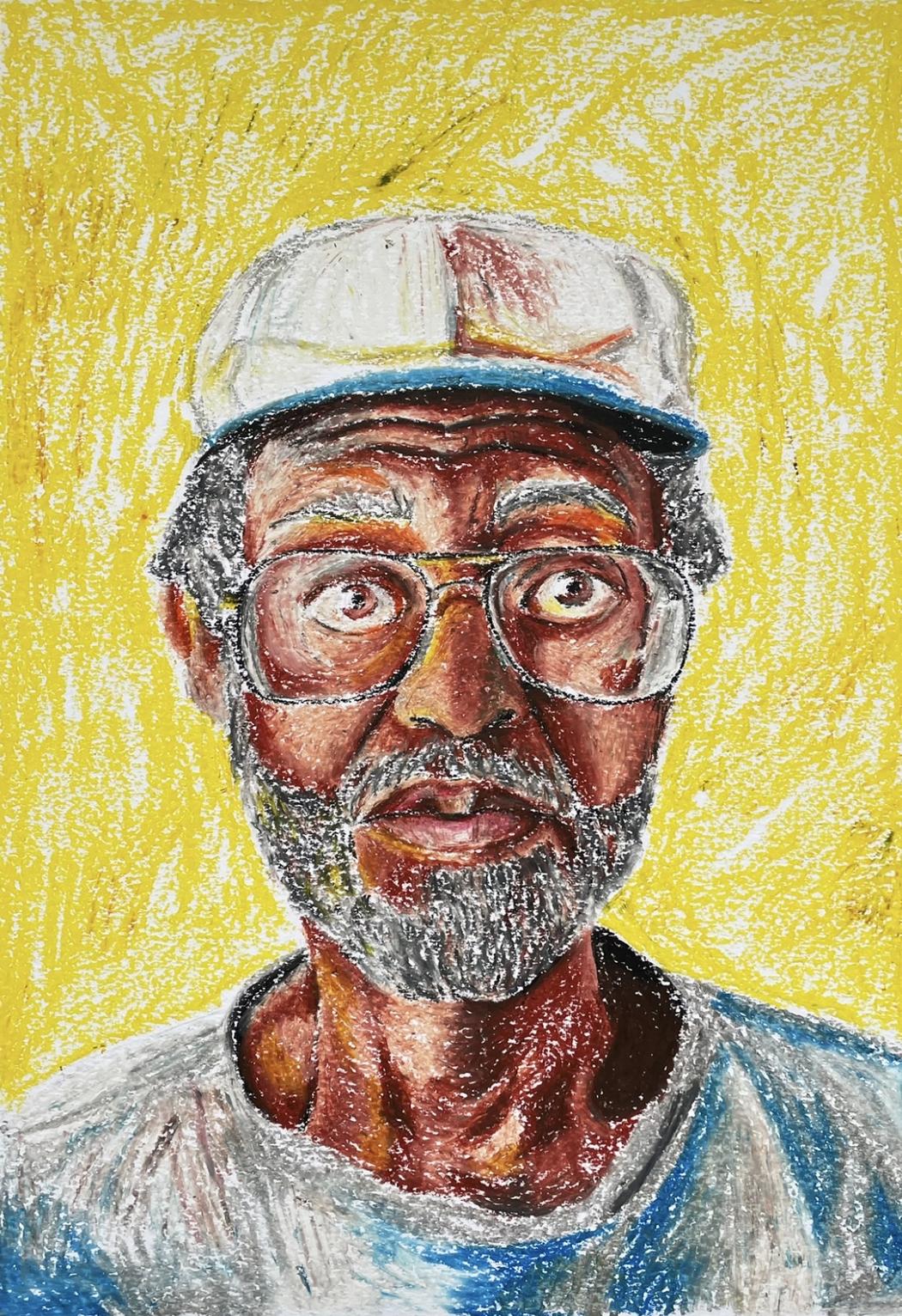 Camila Reznicek Dominguez | Earl | 2025
You mention that with pastels there is “no space for being perfect.” How does imperfection function in your artistic process?
Imperfection plays an essential role in my process because it introduces honesty and unpredictability. For a long time, I associated good work with control and precision, but I eventually realized that trying to eliminate every flaw also removed part of life from the image. Small irregularities like an unexpected mark often carry more emotion than something overly refined.
Allowing imperfection means accepting that the work has its own rhythm and that not everything needs to be corrected or resolved. These moments of instability make the image feel more human and present, both for me and for the viewer.
I now see imperfection not as a mistake, but as evidence of vulnerability and process. It allows the work to breathe and leaves space for something genuine and unexpected to emerge.
Many of your figures seem to look straight at the viewer. What kind of relationship are you trying to create between the portrait and the audience?
Perhaps the direct eye contact began almost unintentionally, but over time I realized it creates a more immediate and intimate connection with the work. When we meet the eyes of a portrayed person, the distance between viewer and image begins to dissolve. The figure no longer feels passive, it seems to acknowledge your presence.
This direct look suggests communication, it invites the viewer to engage emotionally and imagine the stories behind the image. What initially exists as paper and colored marks gradually transforms into something almost alive. The encounter becomes a shared moment between viewer and the art.
Being currently based in Bolivia, do you feel that your cultural or geographical context affects the way you observe and portray people?
I left my country many years ago to pursue my studies and artistic path, and returning to my roots with new experiences and knowledge has changed the way I see everything around me. Coming back has allowed me to reconnect with my culture from an artistic perspective — something I hadn’t consciously explored before.
Being here has made me more aware of the richness and diversity present in everyday life, and I feel a growing desire to translate that into my work. Most of this portrait series was created while I was living abroad, and I feel that continuing this exploration here, engaging with the features and identities of my own people, could become a powerful next step. I’m interested in portraying Bolivia through my own perception, allowing viewers from elsewhere to experience its beauty and complexity through my colors and my way of seeing.
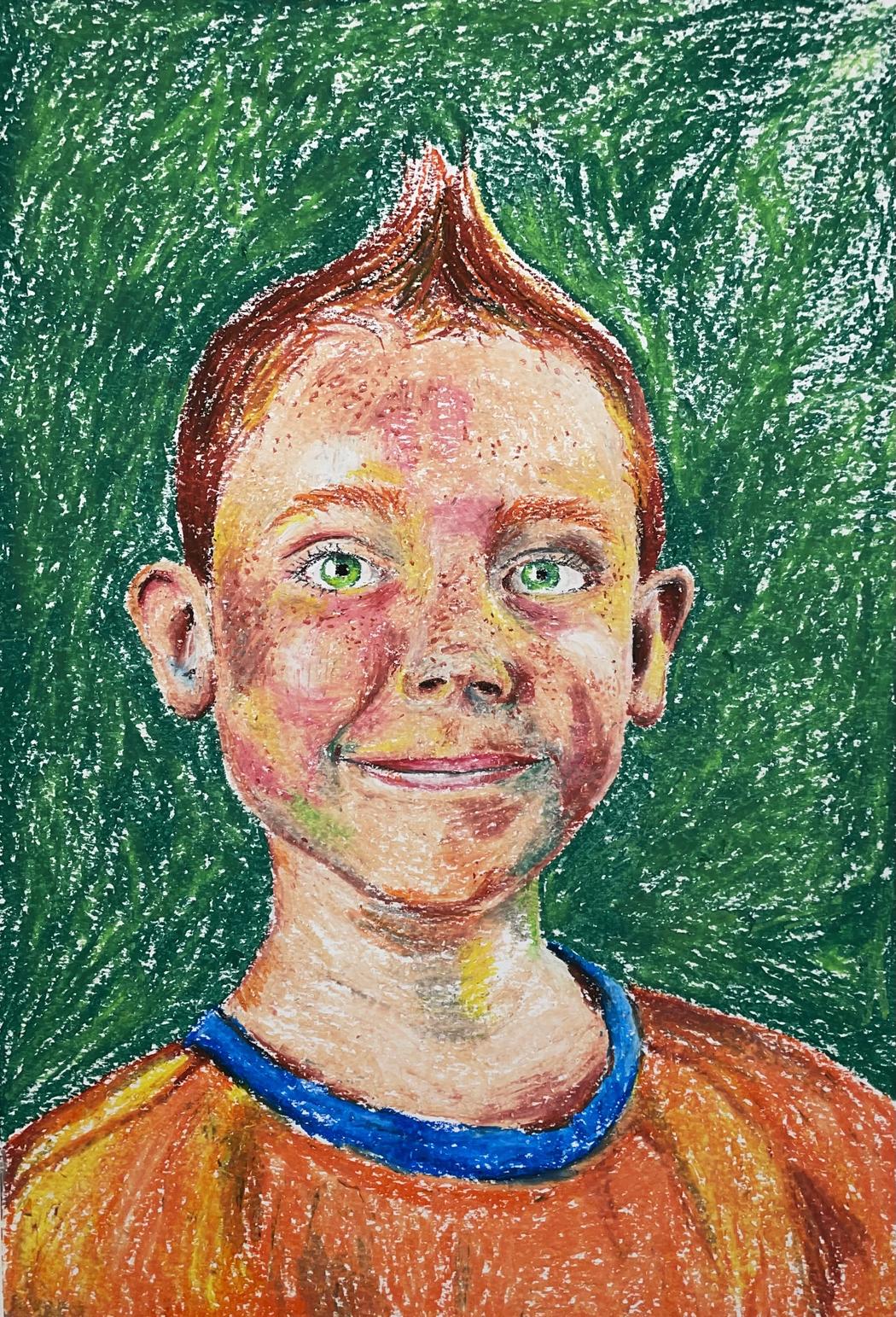 Camila Reznicek Dominguez | Tommy | 2025
What do you hope viewers feel or question when they encounter this series for the first time?
I hope viewers experience something similar to what I feel when I look at these faces myself — an initial attraction to the vibrant colors that slowly turns into a sense of connection with the portrayed figures. Beyond the visual impact, I would love for viewers to engage in the same imaginative exercise I mentioned before: to create their own inner worlds where these characters can continue to exist and evolve.
If the portraits invite people to pause, to imagine, and to move from one image to another with growing curiosity, then the work has achieved what I hoped for — creating a space where the drawings can keep living beyond the paper.
Leave a Reply
You must be logged in to post a comment.