
Nelli Polle-Zengin
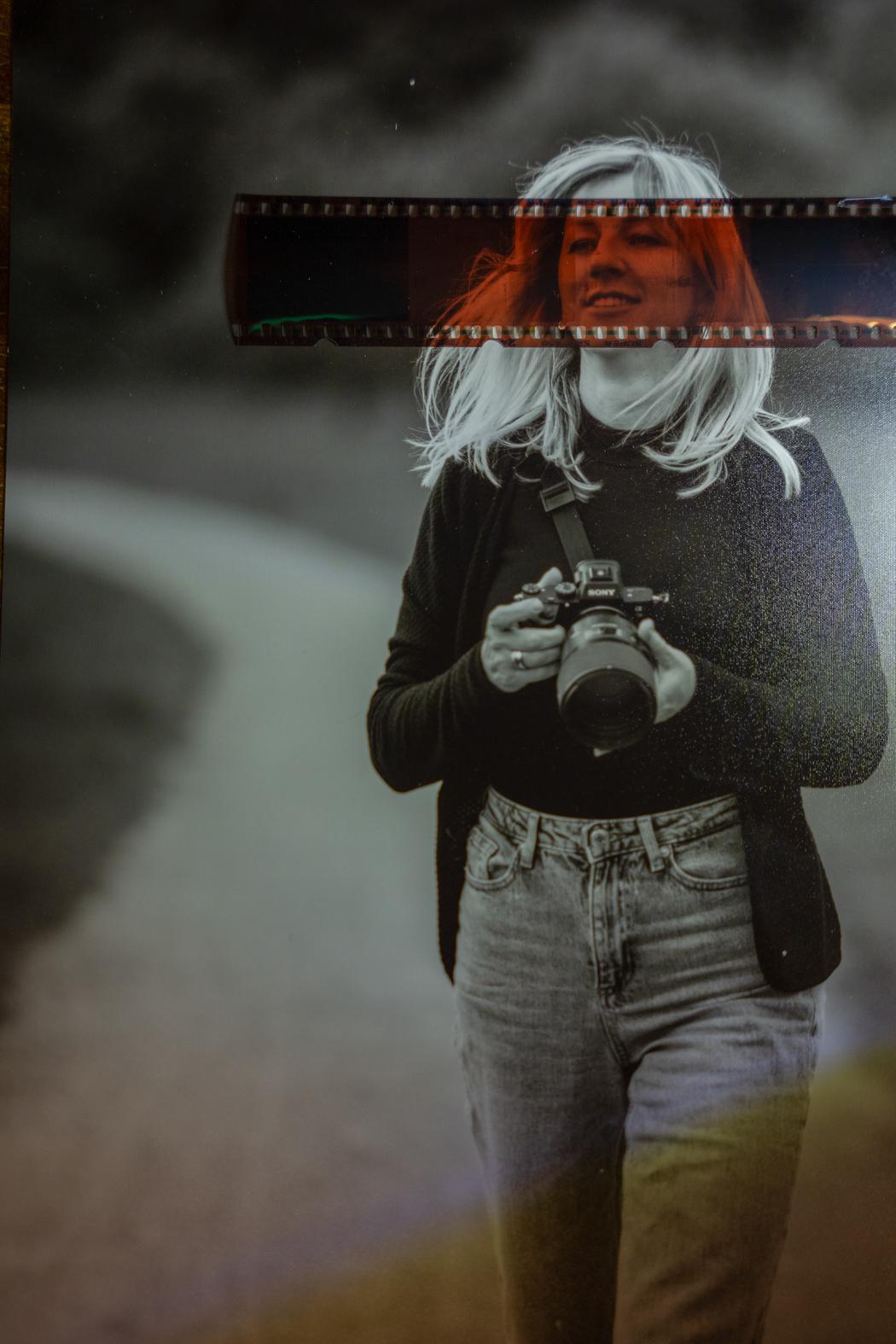
Your project Longing / Between Worlds is deeply personal. At what moment did you realize that this journey back to Kazakhstan had to become an artistic project, not just a private experience?
Even before the trip. I had long dreamed of being able to fly back to my homeland. Finally, I had the opportunity to do it, and immediately thought: I want to document this with photographs. Originally, I thought I could tell the story of the so-called Russian Germans. But those around me convinced me to tell my own story instead.
You speak about living “between two worlds” – the past and the present. How do you personally feel this tension today, after so many years in Germany?
I still dream of my homeland, even though I left Kazakhstan almost 34 years ago. I am constantly drawn back there. I visit Russian grocery stores and look for my favorite products, listen to old songs loudly and play them for my children. I am passionate about my homeland; whenever the word Kazakhstan comes up, I go crazy—at least that’s what my children say. 😊
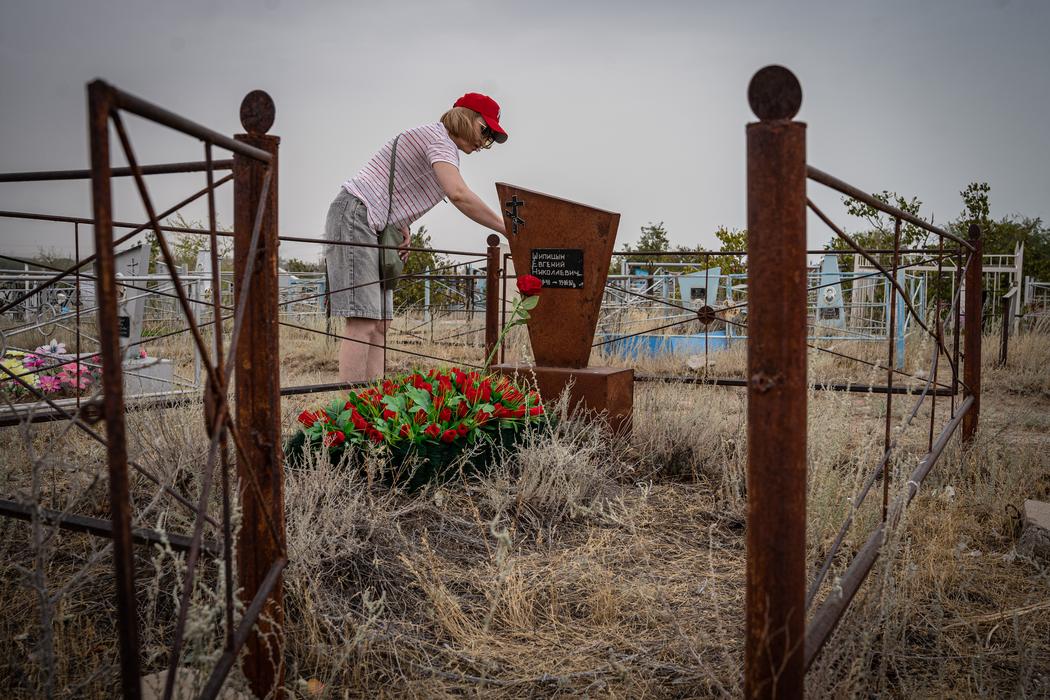
Memory plays a central role in your work. How do photographs help you preserve, reinterpret, or even challenge your own memories?
Photos are the best memories for me. That’s why I like to photograph other people and capture moments in their lives. That’s how I create their memories. I keep my old photos and photos of my parents and grandparents like a precious treasure. The fact that I take photos today has opened up a new, priceless opportunity for me: to portray the world around me as I really see it. I have rediscovered the nature of Kazakhstan. As a teenager, I didn’t have the opportunity to travel. On this trip, I traveled with my friends to some natural treasures so that I could show the beauty and diversity of my home country.
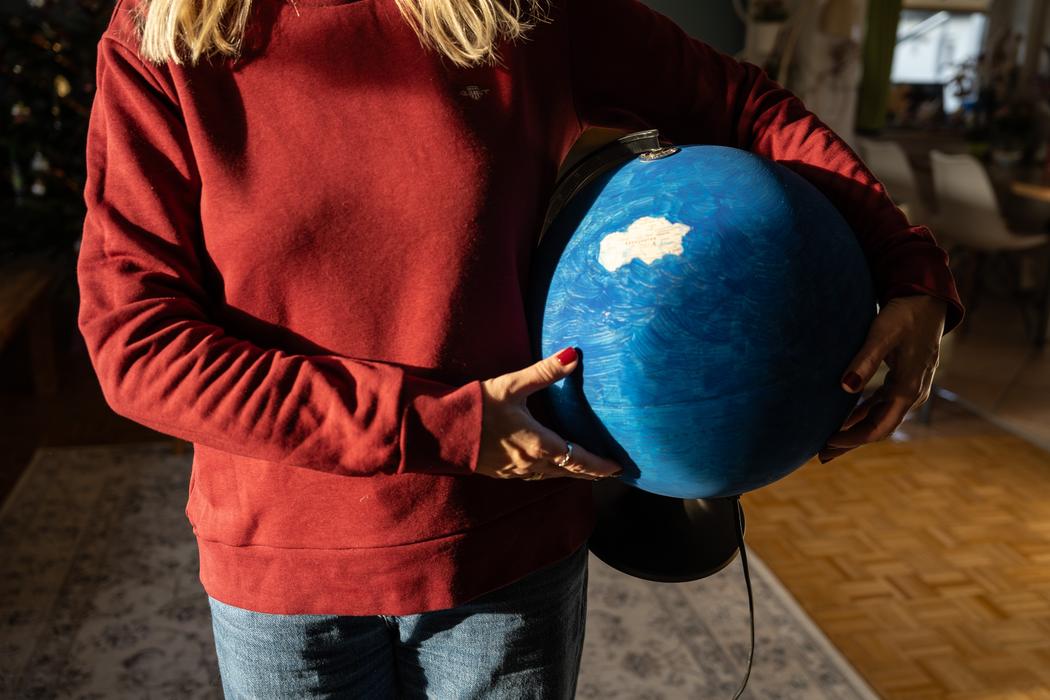
Returning to your birthplace after 28 years must have been emotionally intense. Was there a moment during this journey that changed your perception of “home”?
Oh yes, very emotional. As I sat on the plane, I wrote down my feelings in my little notebook: “My heart feels an indescribable power. Power that can move mountains. Power that comes from the call of home. Longing. Dreams mingle with reality…”
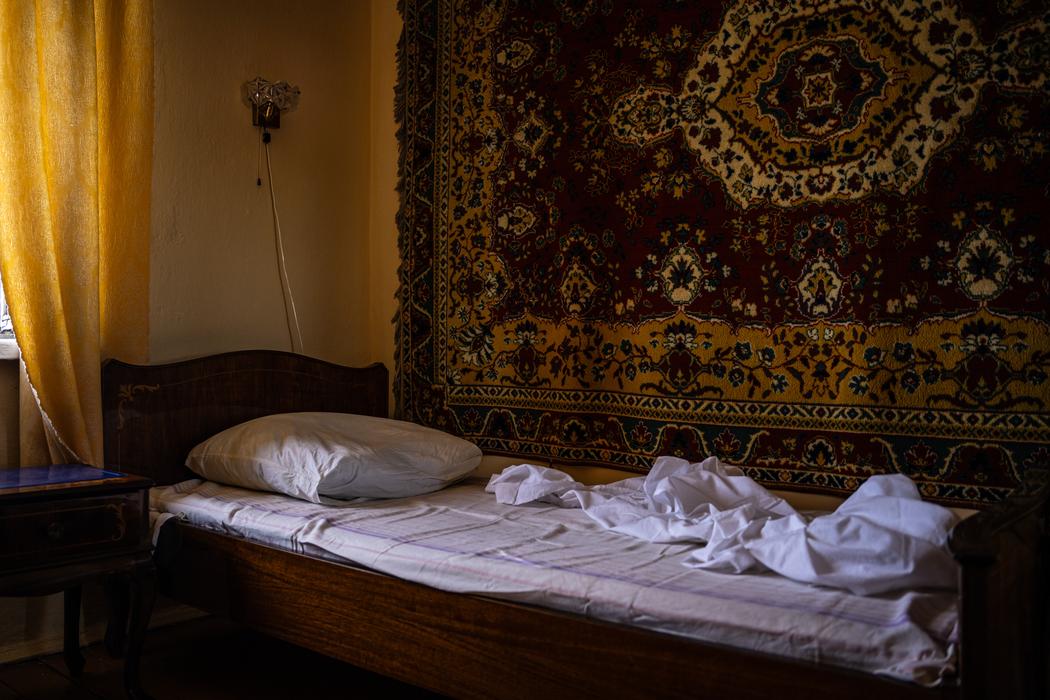
My perception of “home” was not changed, but rather confirmed. When I entered my best friend’s parents’ apartment after three decades, I saw that it had remained exactly as I had last seen it. An inexplicable energy flowed through my body: joy, incomprehensibility, sadness, longing, but also happiness and a lot of love. Even the old rotary dial telephone was still there. I couldn’t utter a word. I had the desire to experience the same moments as I had in my childhood and youth. So I had my picture taken drinking water from the tap in the bathroom, lying on the familiar bed with the carpet on the wall, drinking tea at the familiar little kitchen table, racing down the stairs like a rocket, and so on… When I look at my pictures from that summer today, I always feel the same thing: I want to go back!
In this project, you photograph not only places but also people who shaped your life. How did your personal relationship with them influence the way you photographed them?
It was absolute trust. I was able to take photos without words, without tension, and on the same energetic level (is there such a thing? 😉). When I told those around me about my project, everyone was always willing to help me: friends, teachers, neighbors, family friends, people I knew and strangers. That’s why it was easy and very enjoyable for me.
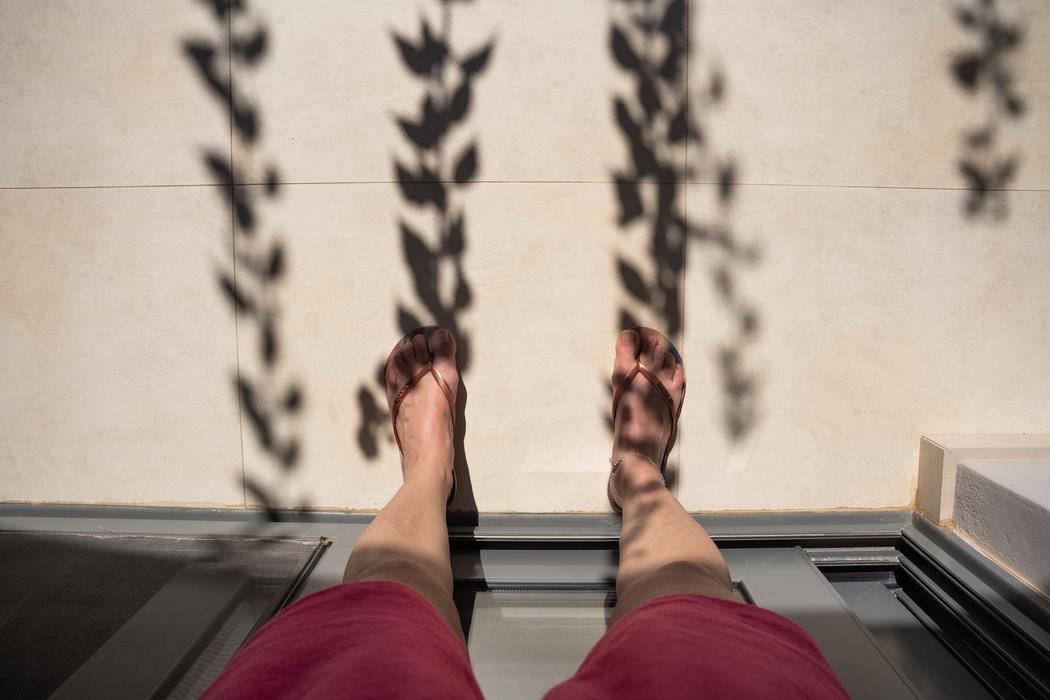
Your images balance between documentary photography and emotional storytelling. How do you decide when to observe quietly and when to intervene artistically?
I almost always began by documenting a particular scene. I only intervened when I saw that my influence could deepen it. I added my artistic ideas through positioning, lighting, shifting attention to something specific, enriching or reducing the scene. My friends always showed patience and trust. They just let me do my thing. My enthusiasm was contagious. They had fun because I was having fun.
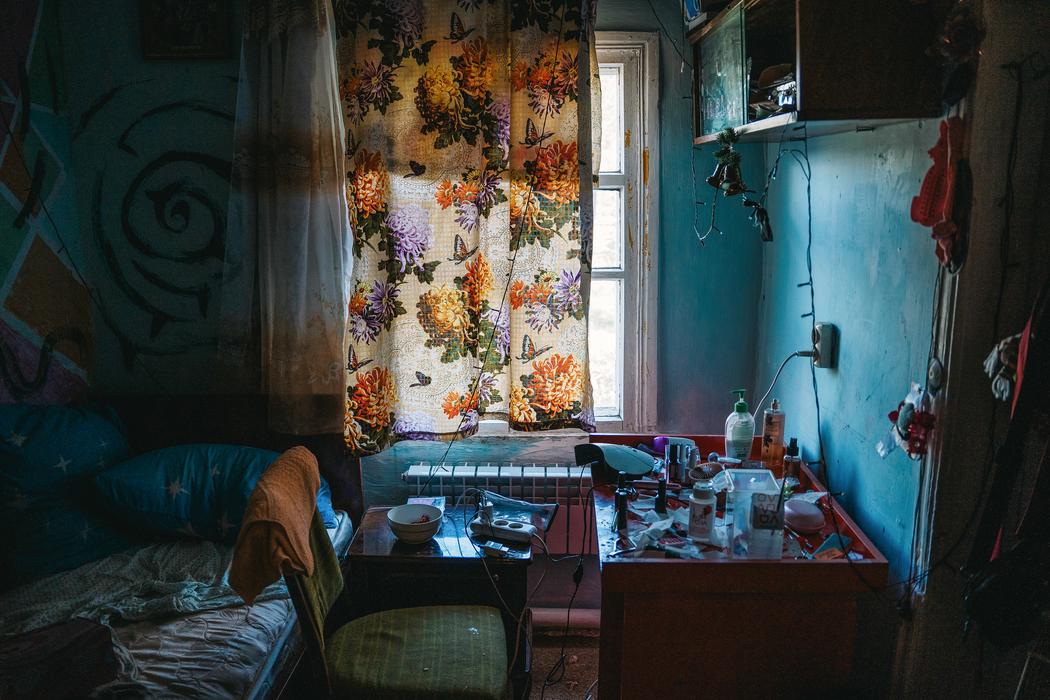
Migration, displacement, and longing are global themes today. What kind of emotional response do you hope viewers will have when they encounter your work?
The connection through their own experience, interest in a completely different life, and/or understanding of people who had to leave their homeland behind. A Ukrainian colleague saw my pictures and said, “For the first time, I feel like I want to go home. My heart is pounding. I feel a sense of longing.” I smiled broadly. Because that was exactly the feeling I wanted to convey with my work.
Leave a Reply
You must be logged in to post a comment.