
Maxim Tardiveau
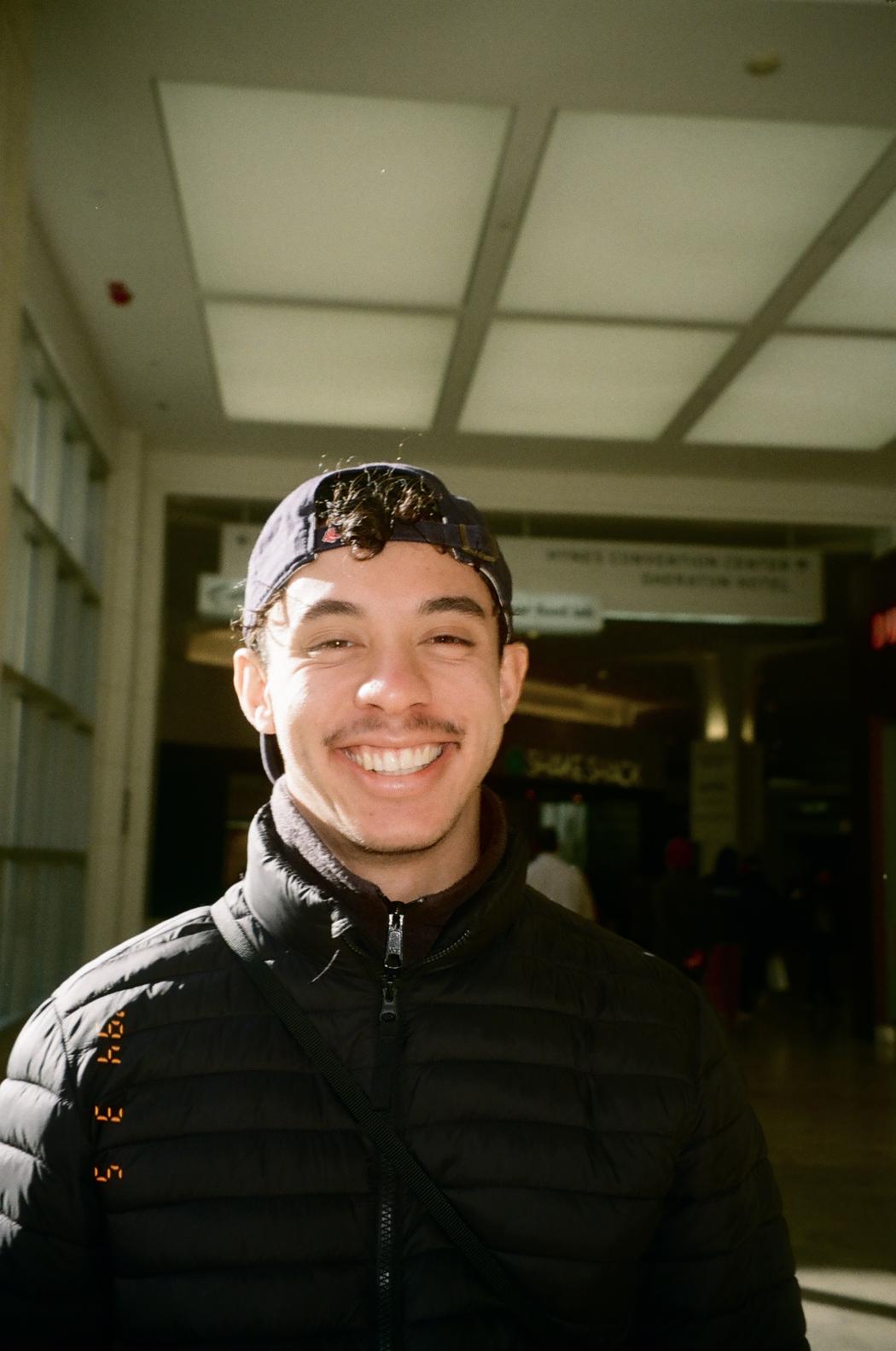
You discovered film photography through travel in 2023. What was it about film that resonated with you more deeply than digital when documenting your journeys?
There are several things that make me particularly love film photography. First, the uniqueness of each shot. This leads me to carefully select what I want to photograph: does this shot deserve its place alongside the others? Also, the uncertainty surrounding the final result adds a touch of thrill and extra satisfaction when the shot turns out well. I also find that it’s these small imperfections, which a digital camera would correct, that give film its charm. In short, I feel closer to the scene I’m photographing with a film camera.
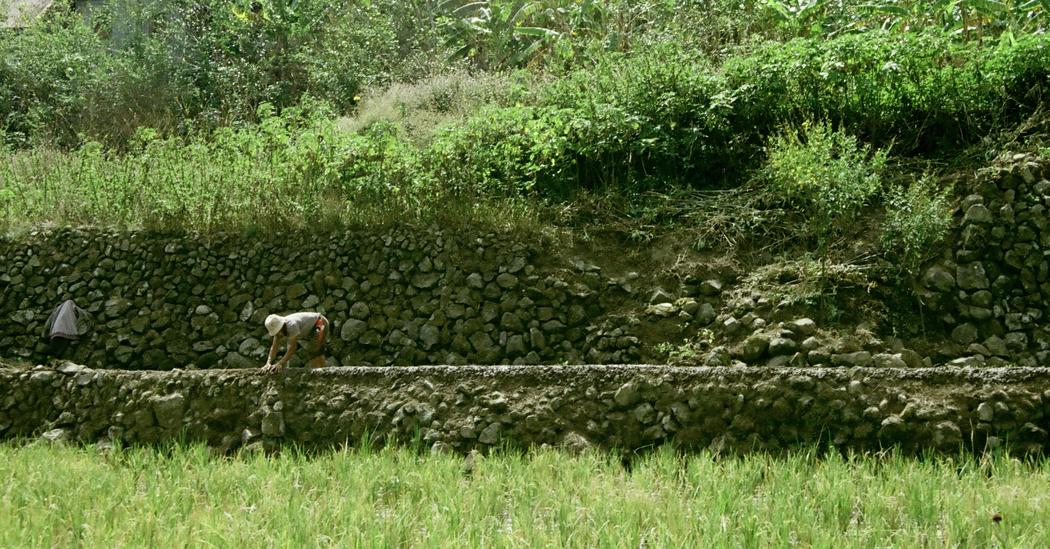
Your photographs often focus on everyday moments in very different parts of the world. How do you decide when a “ordinary” scene is worth photographing?
My camera is almost always with me. I love observing everything around me. As soon as something or someone catches my eye, I look at how the scene looks in my viewfinder and press the shutter. Most of the time, a particular interpretation emerges from that scene. That’s what I try to do: reproduce it faithfully.
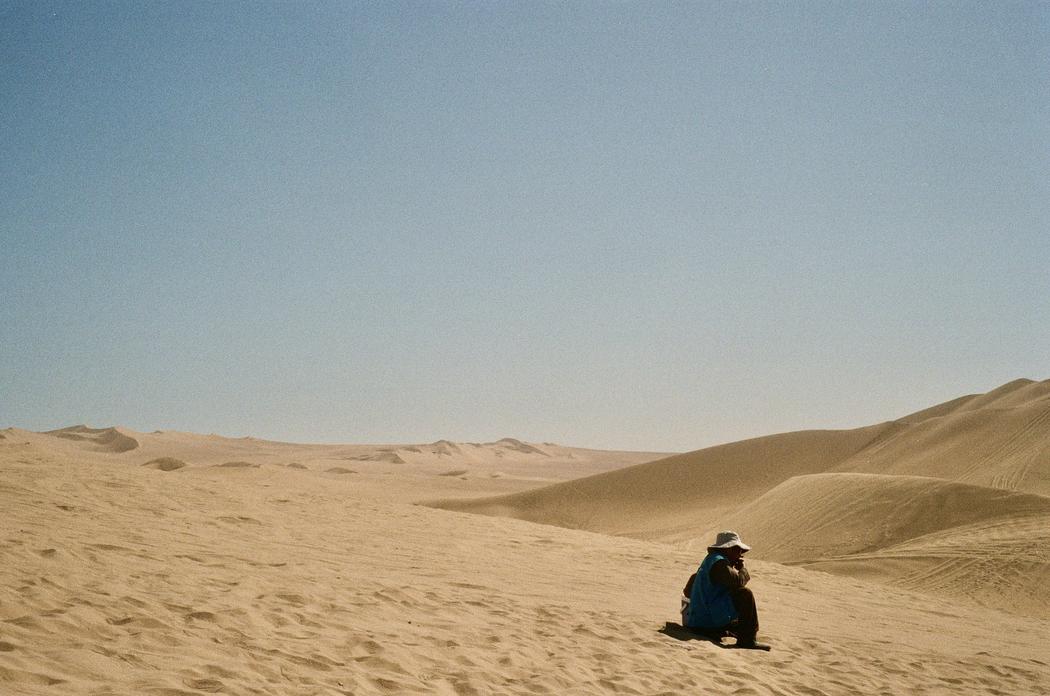
Many of your images show people within vast landscapes. What role does scale play in how you think about humanity and place?
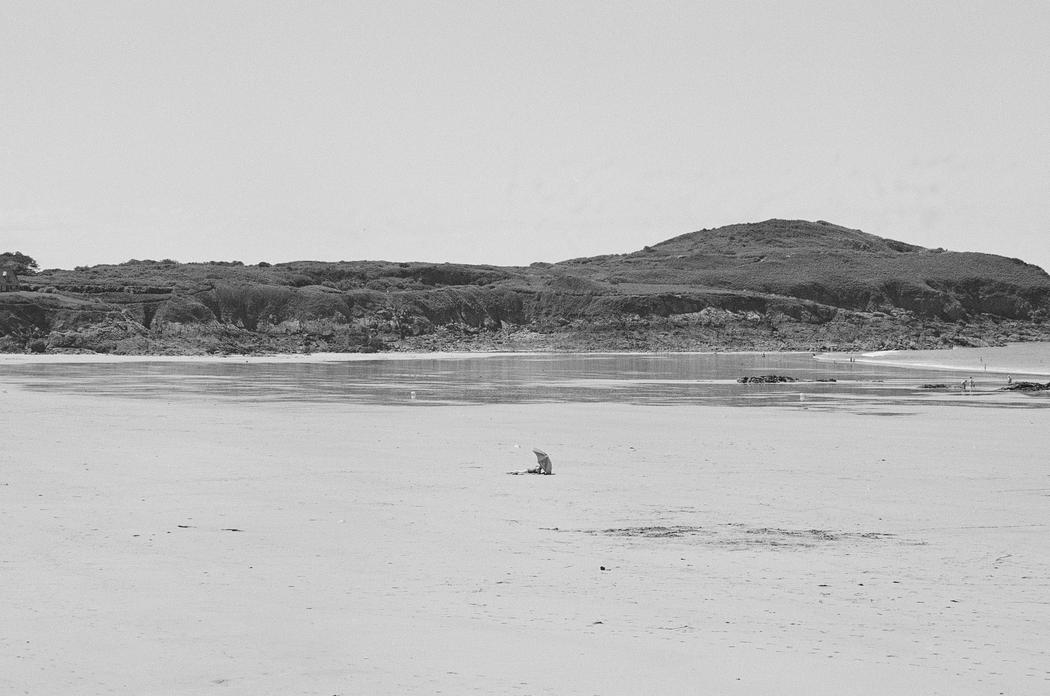
Sometimes, the environment in which the subject moves is so special that it also deserves attention. It incorporates additional elements that lead to another interpretation for the viewer; by watching the subject move within this environment, they can also imagine the rest of the scene, whereas the interpretation would have been more fixed if one had focused solely on the subject.
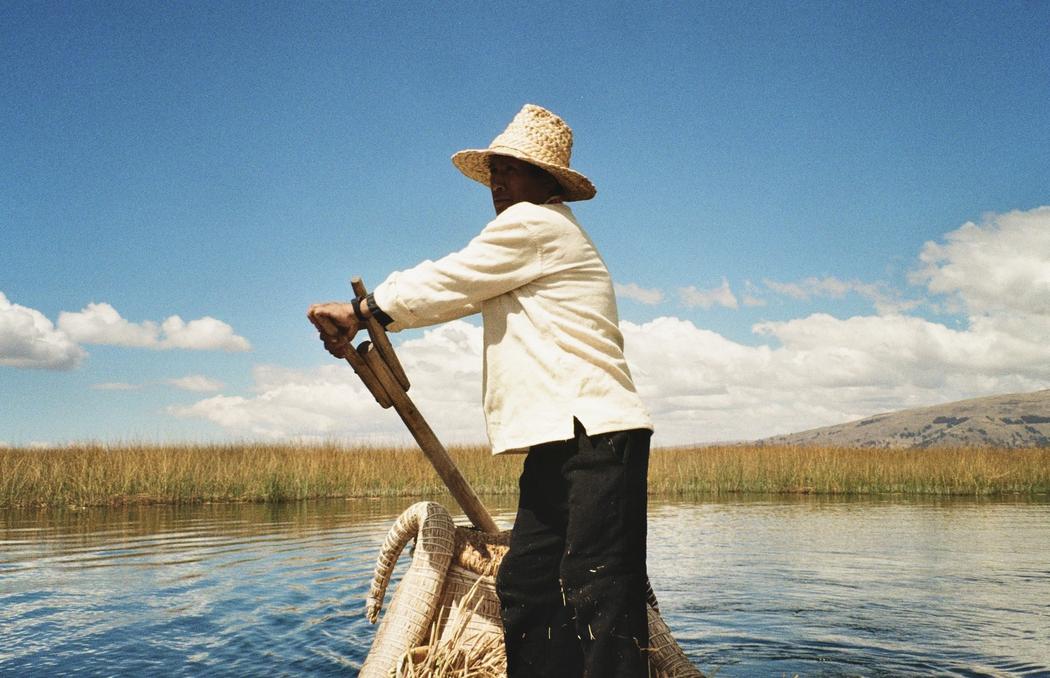
When photographing people from cultures very different from your own, how do you approach the balance between observation, respect, and storytelling?
I believe these three elements are linked to the practice of photography, at different stages. Observation is essential in selecting the subject I’m about to photograph. I respect this subject in the sense that I don’t try to disturb it in order to photograph it from an authentic angle. I am also aware that it is the subject that allows the image to exist. Finally, it is by sharing this photograph that the narrative unfolds.
Film photography requires patience and acceptance of imperfection. How does this process influence the emotional tone of your work?
I would say that this element of imperfection is inseparable from film photography: the uncertainty surrounding whether a shot will be successful or not before seeing it makes it all the more rewarding when it is. As I mentioned earlier, I also find that this element of imperfection lends a charm, a certain authenticity, that aligns with my style. I wouldn’t say I seek it out, but I accept it.
Traveling and photographing constantly can change how we see the world. How has this practice changed the way you experience your own daily life back home?
I believe that doing film photography has allowed me to distinguish beauty in the ordinary. The emotions I seek to convey are all around us and everywhere else, and can be felt through different subjects: you just have to know how to transcribe them.

What do you hope viewers feel – or question – about their own lives after seeing this series?
My goal is for the scene to come alive when someone looks at it. Ideally, I hope people feel emotions through the photographs I share. That’s what I aspire to: to touch people.
Leave a Reply
You must be logged in to post a comment.