
Kunle Fajemirokun
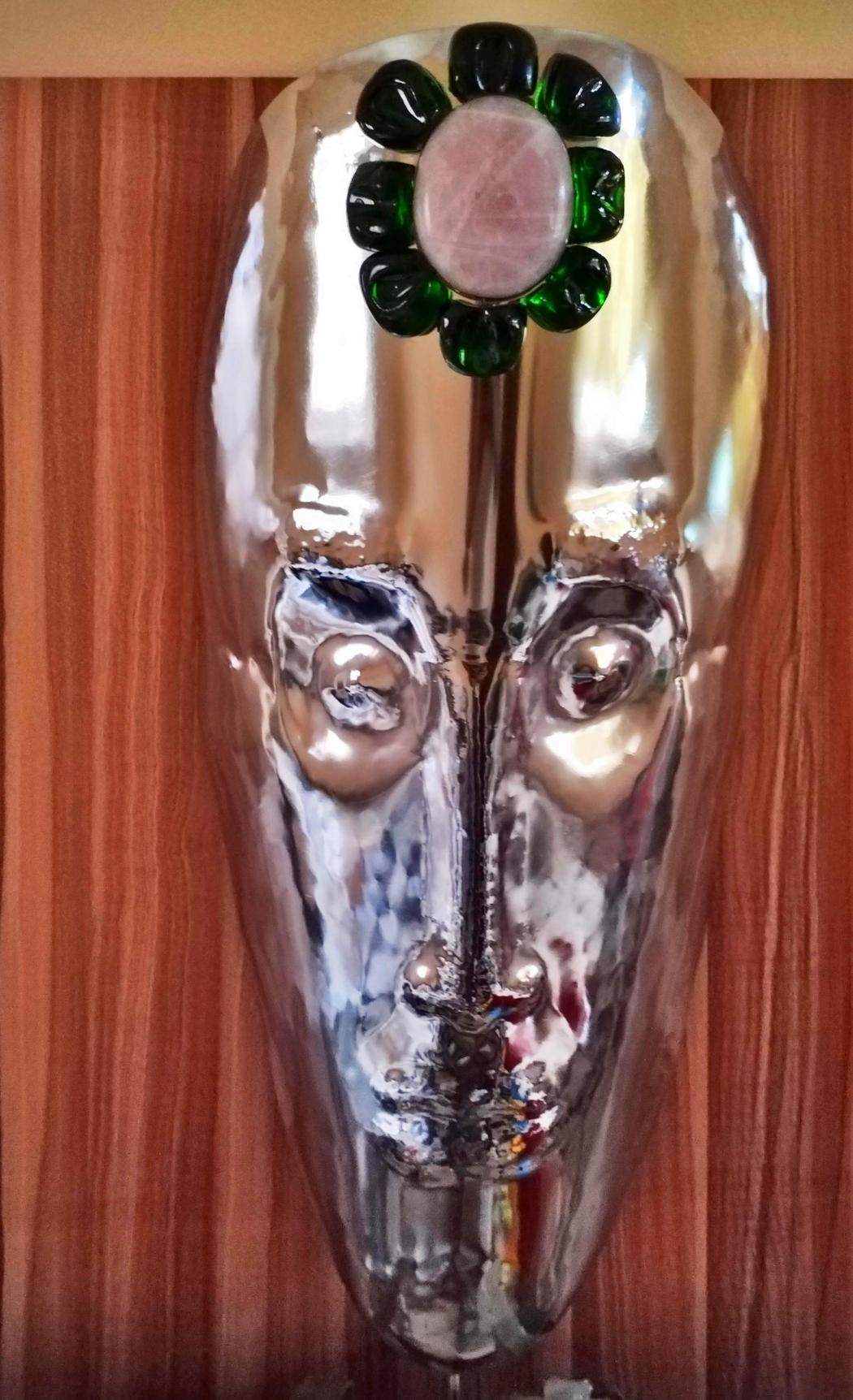 Kunle Fajemirokun | Dream Walker
How has growing up in Lagos shaped your eye, your themes, or your relationship with materials?
Growing up in Lagos, Nigeria, has given me a broad understanding of how to take advantage of any situation, regardless of social or economic background. For example, I recycle 304 stainless steel from salvage yards to create my sculptures.
Your sculpture is titled Alarinkirin Ala (Dream Walker). What does the “dream walker” symbolize for you, and how does this idea relate to the astral plane in your practice?
Alarinkirin Ala, which means “Dream Walker” in English, refers to a person who has mastered a higher state of consciousness, enabling them to travel through multiple dimensions and timelines without restrictions.
From an African cultural perspective, dreams can be viewed as messages, journeys, or connections. Are there particular Nigerian or broader African philosophies, stories, or spiritual frameworks that influenced Dream Walker?
The natural rose quartz gemstone on the forehead has naturally formed phantom lines crisscrossing into a triangle— a symbol of spiritual ascension. Together with the green obsidian and clear quartz behind the rose quartz, it creates a powerful energy combination to aid astral travel.
When did you first realize sculpture would become your main artistic language, and what pulled you toward it?
In Oduduwa culture, it is believed that astral travel is a way to maintain continuity of life, leading to reincarnation. Many people possess the ability to astral travel from a very young age, which can be a scary experience without guidance from elders who are knowledgeable in this regard—or from a seasoned dream walker. Knowledge acquired across multiple dimensions or lifetimes can be put to use in this dimension if one knows how to properly navigate the astral plane. The advent of Christianity and other religions has led many people to abandon traditional cultural beliefs and practices for fear of being judged by the public.
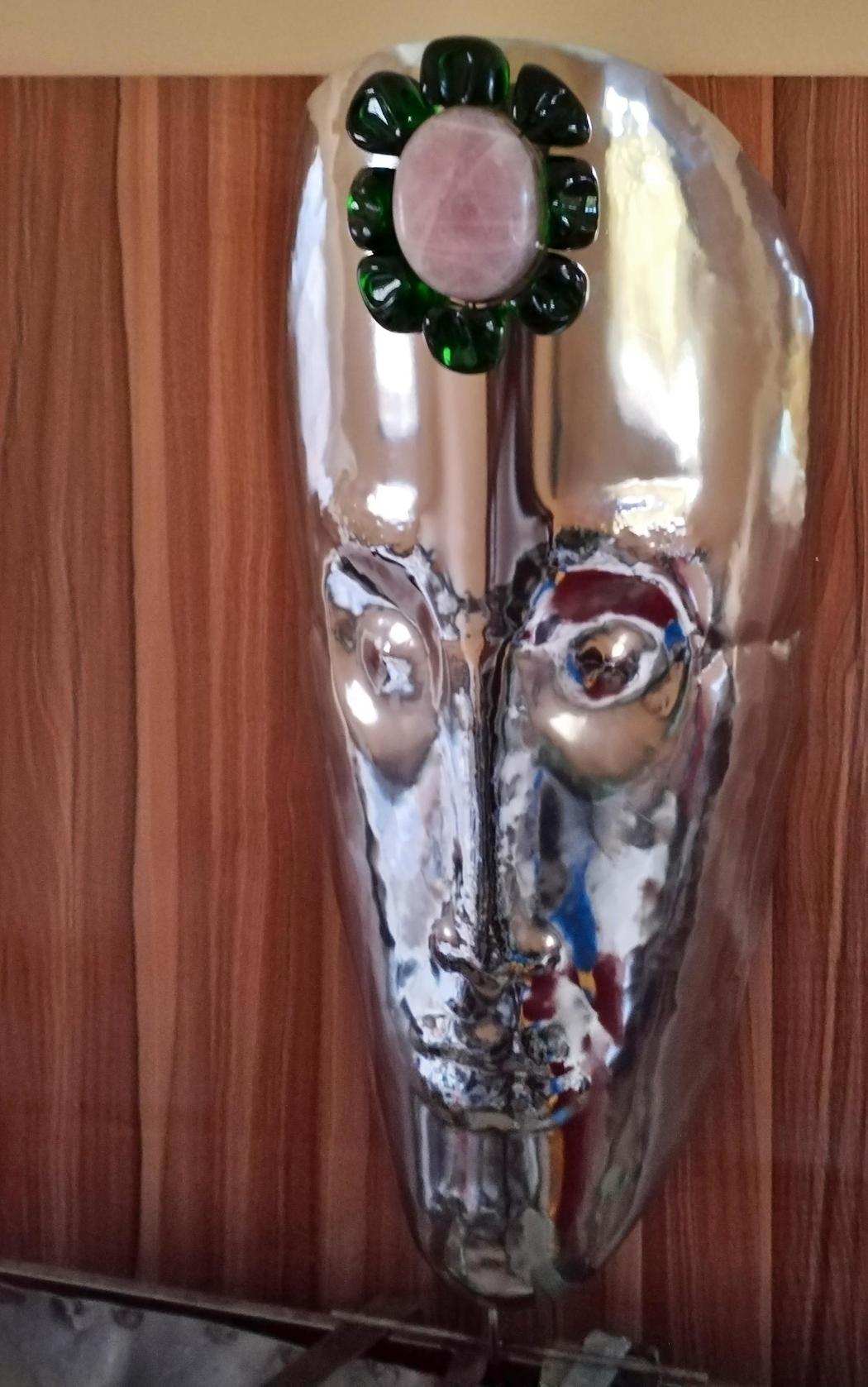 Kunle Fajemirokun | Dream Walker
You’re currently the Assistant Secretary General of the Sculptor’s Association of Nigeria. How does this leadership role shape your own studio practice? Does it push you toward community, legacy, or mentorship?
Sculpture plays an integral part in our culture as a way to maintain a connection with our deities and ancestors in this realm after their passing. I knew it was my calling when I carved my first sculpture at the age of eight, with no formal training. It felt like I didn’t acquire the skills in this dimension—I simply knew what to do naturally.
What advice would you give to young sculptors in Nigeria who want to build a sustainable career?
My appointment as Assistant Secretary General of the Sculptors’ Association of Nigeria has given me a platform to impact others by highlighting the importance of community, with the hope of sharing knowledge about how to stay true to the art—balancing the passion for creation with the need to make money, without over-commercializing artworks. Otherwise, the quality of the work—and the longevity of an artist’s career—can be diminished.
What themes or questions are you most excited to explore in your next body of work?
The theme of my next body of work is water, as it connects to our origin, our present, and our future in a higher state of consciousness.
Leave a Reply
You must be logged in to post a comment.