
Prof. Shirley Yeung
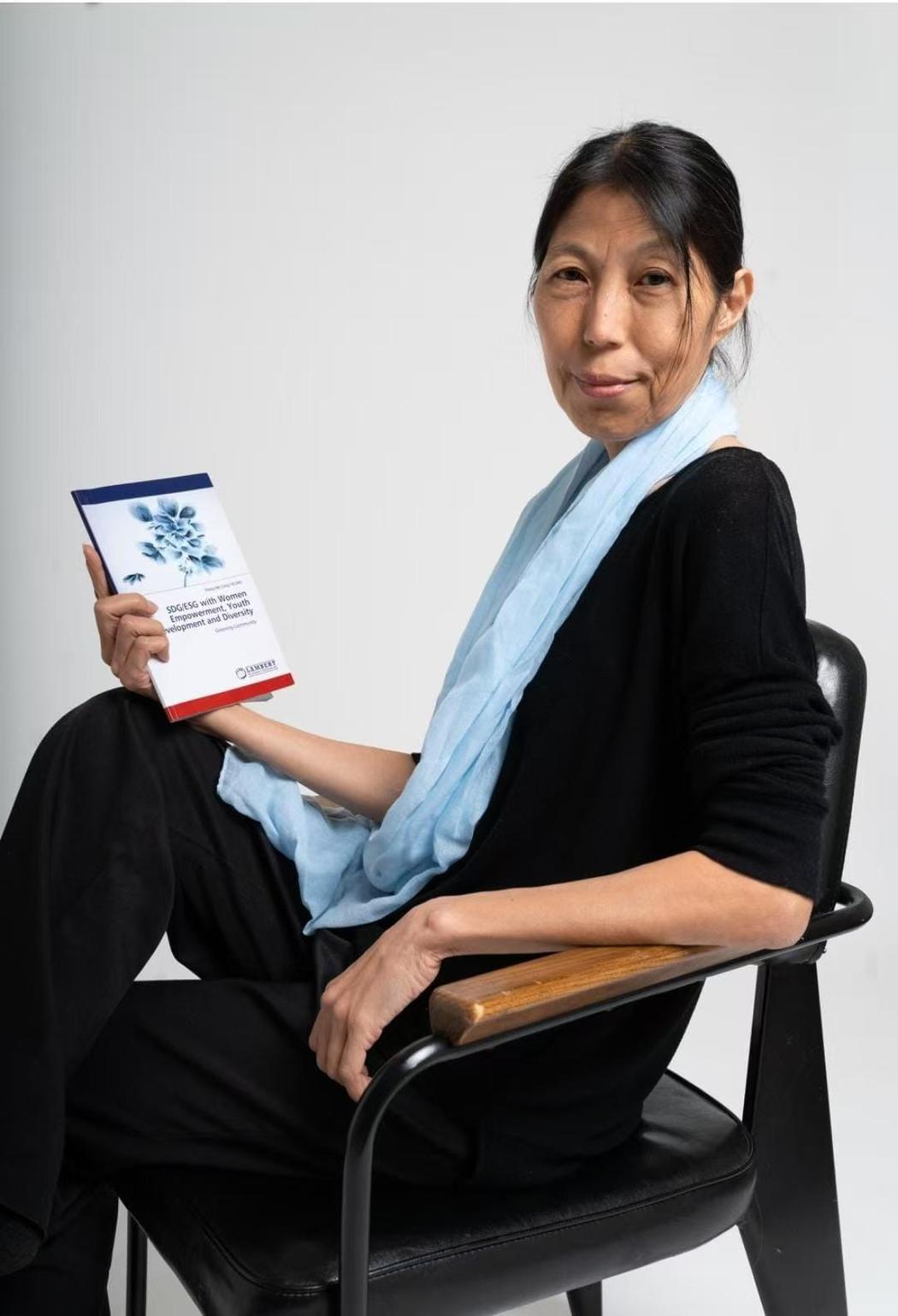
Your artworks often show a figure facing a larger symbolic form. What story or feeling do you want viewers to sense in these moments?
In my artworks, I often blue and green, black and white, pink and red nature related figures as symbolic forms (e.g. lotus, cat, yoga girl) —a visual dialogue that embodies the nature and human as cocraetors for a bettr world for sustainability and education to love, care, tolerance and calm for a solution mind. Inspired by Genesis One’s narrative of creation and ESGSCHOOHK and School of Business, Programmes on service management and transformation, I aim to evoke a sense of calmess for innovations, caring the people, the nature, and the future full of uncertainties.
The figures with different movement of lotus for purity, with static pause to think of black a walking cat for a clear mind, with harmony and flexibility in yoga poses for fluidity. All these represent my humanity and education journey with a purpose of life, happiness, and influence.
For me, symbolic forms flourish lives in different ways, e.g. sustainability for nature, compassion for helping each other to build resilience, and learning for fun and transformations for a higher order of thinking for wisdom. I want audience to develop a mindset to right or wrong, but learn to change, to appreciatem and to know your own unique destiny, reminding ourselves to have a feeling of sustainability and education, humility and responsibility with inner happiness for a greater story of creation and renewal.
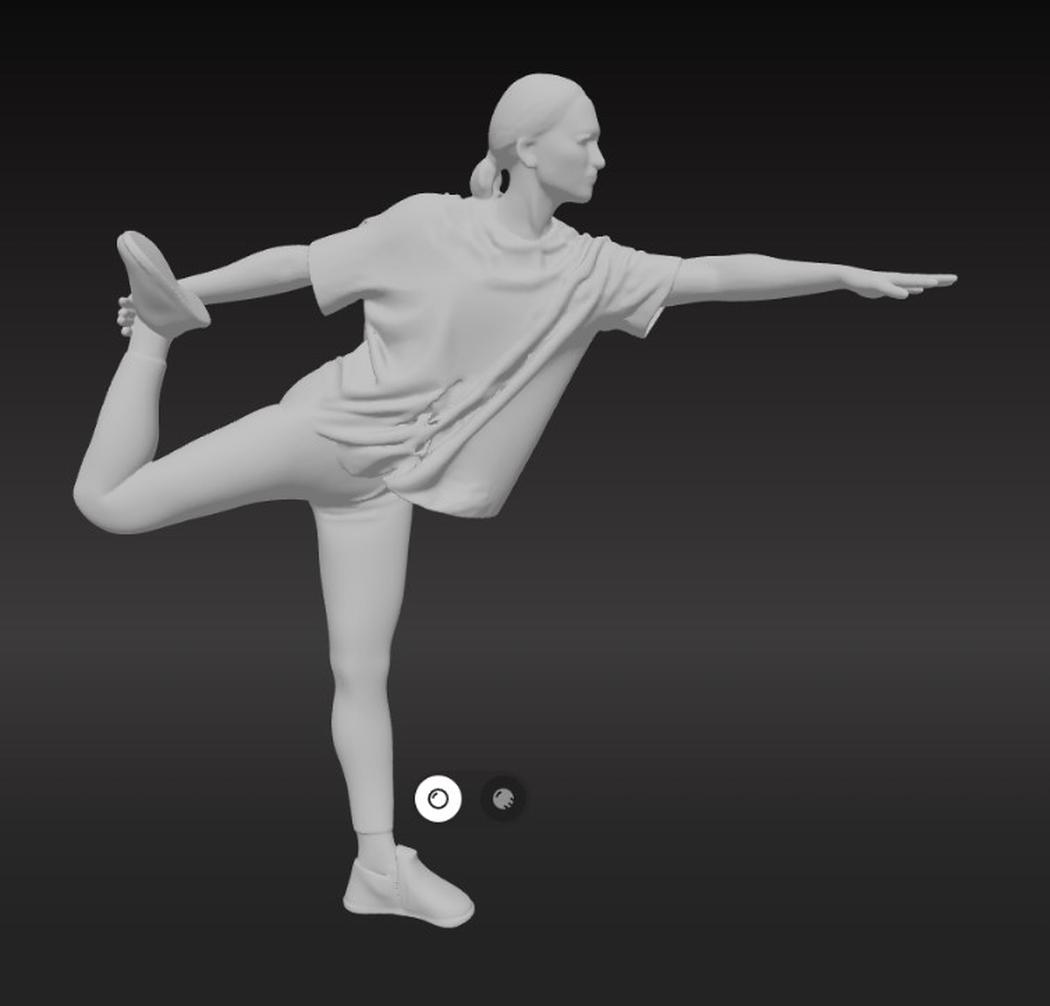
You have shown your art in many places — from Hong Kong to London and the UNESCAP Pavilion. How do different audiences respond to your work?
My work has been exhibited across diverse cultural contexts—Fringe Club, Beyond Coffee and Bar, Color Brown Coffee from Hong Kong, Television Tower from ChangChun, and SYART Gallery, K11 Mall from Beijing, China and Singapore, Boomer Gallery and Holy Art Gallery from London to the UNESCAP Pavilion from Bangkok, Virtual Art Journey Road Show from New York, and TOAF, Toronto, Canada…etc..
Different audience brings unique perspectives of my creations with appreciation of color usage, lines and dots combination, Chinese calligraphy strokes and western expression with freestyle of environmental paints and soils. In Hong Kong, viewers often respond to the spiritual undertones and the integration of traditional Chinese philosophies (Yin Yang). London audiences tend to appreciate the universal language of the symbols like dancing ballet girls in lotus applied Chinese calligraphy techniques and the emphasis on sustainability and gendr equality and knowledge transfer to learng, triggering us to relearn in a bettr way with inner joy and peace, resonating with the city’s multicultural fabric. At the UNESCAP Pavilion, the responses are deeply rooted in a sense of global interconnectedness via my mentee, Lucie Petit onsite learning how to draw with a Chinese Brush together with students and UN related delegates and shared responsibility toward SDGs.
Across these contexts, I observe that audiences are increasingly develop a sense of sustainablity in artworks via intangible heritage culture (ICH) with Chinese calligraphy drawings and environmental paintings with AI,. blending spiritual symbolism with social issues of SDG x ESG x AI —seeing aesthetic expression with education values for action. The response is often one of reflection, inspiring audience to re-consider their roles in art, technology and nature.
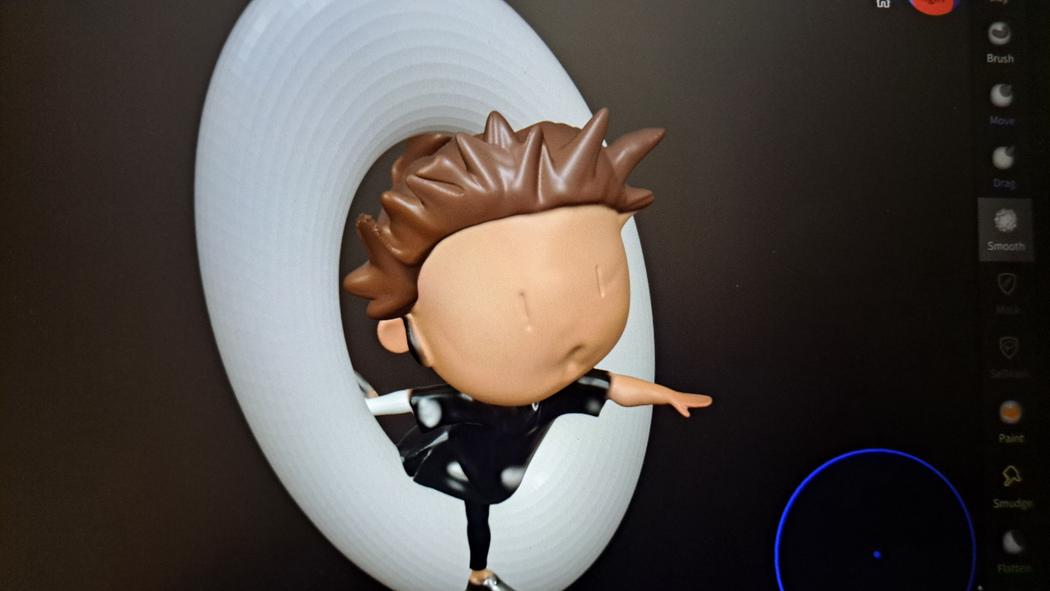
You call yourself a Life Artist. What does this mean for the way you create and choose your themes?
Calling myself a “Life Artist” signifies a holistic approach to education with sustaianbility and transformation with creativity—embeddig caring, life purpose, spirituality, social responsibility, and environmental consciousness into my artistic practice.
It means that my art pieces (drawings, apparels, Chnese engraved stamps…etc.) with aesthetic expression, fun to create for sustainable lifestyles and engaging with the world. I choose themes that reflect the experiences with growth, calmness, healing, sustainability, and reconnecting the world for unity and well-being with a belief of art can serve as a transformative force and we are part of the nature to change with actions. My creative process is rooted in solidarity with mindfulness when I practice yoga in the past 15 years, with empathy and responsibility in my teaching, and a deep commitment to my life and family, aligning with the principles of servant leadership, which emphasizes serving others and fostering community. As a Life Artist, I strive to create works for a developing a clear mind for longer life with compassion, promoting sustainable living.
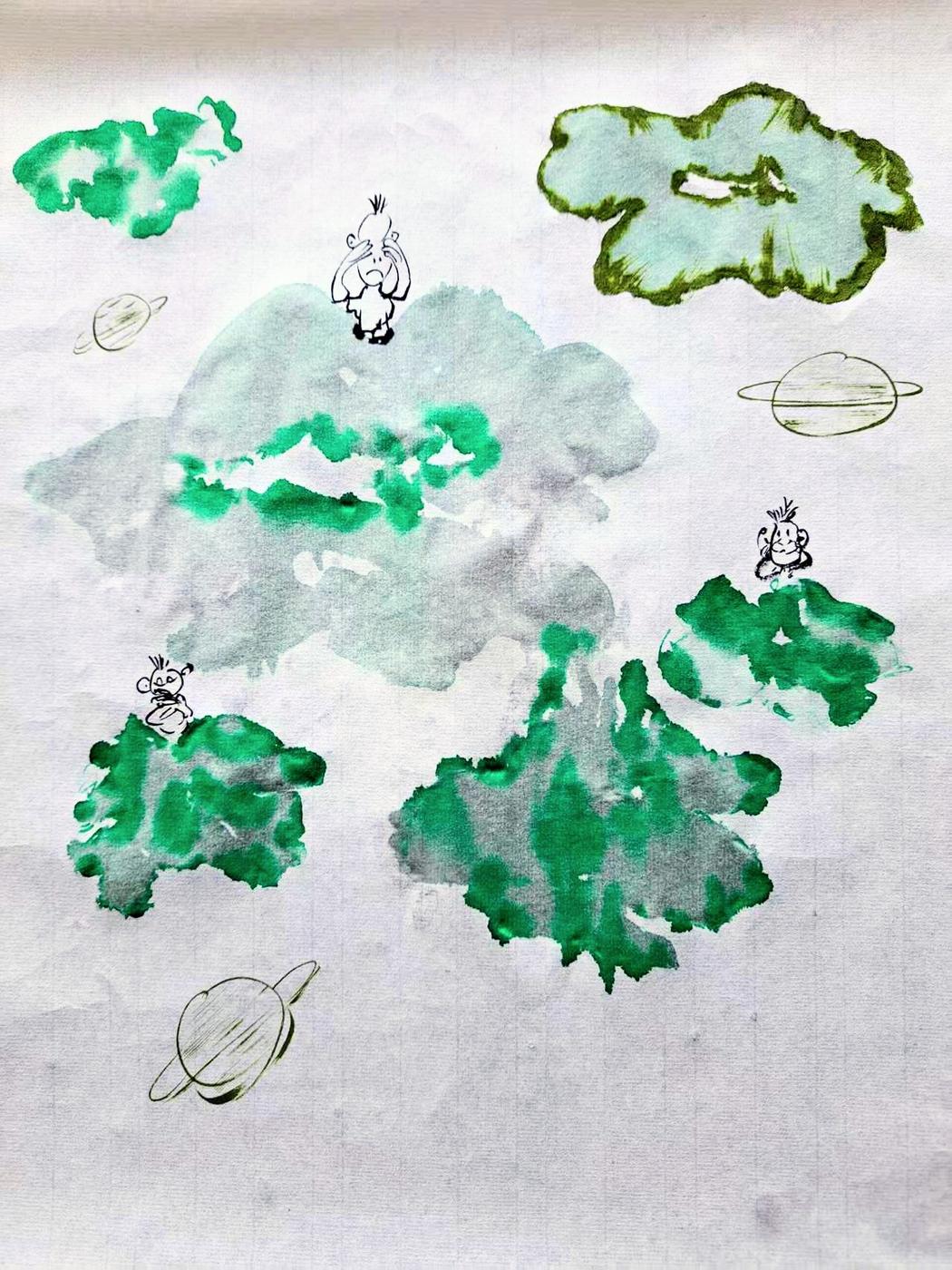
Your projects often connect art with nature and sustainability. How do you usually begin — with an idea about the SDGs or with an image in your mind?
My projects often originate from inner dialogue between conceptual ideas related to SDGs and visuals come to my mind. Sometimes, I begin with a specific goal—such as environmental sustainability or gender equality—visualizing symbols or scenes that embody these principles. Other times, I start with walking around to see how people create, how people change, how people suffer, how people enjoy…etc. with images inspired by the nature, yoga poses, or cultural traditions, which then guides me to connect it with broader themes of sustainability and human development. This iterative process ensures that my creations make a purpose to the community.
Leave a Reply
You must be logged in to post a comment.