Maria Bakushinskaya
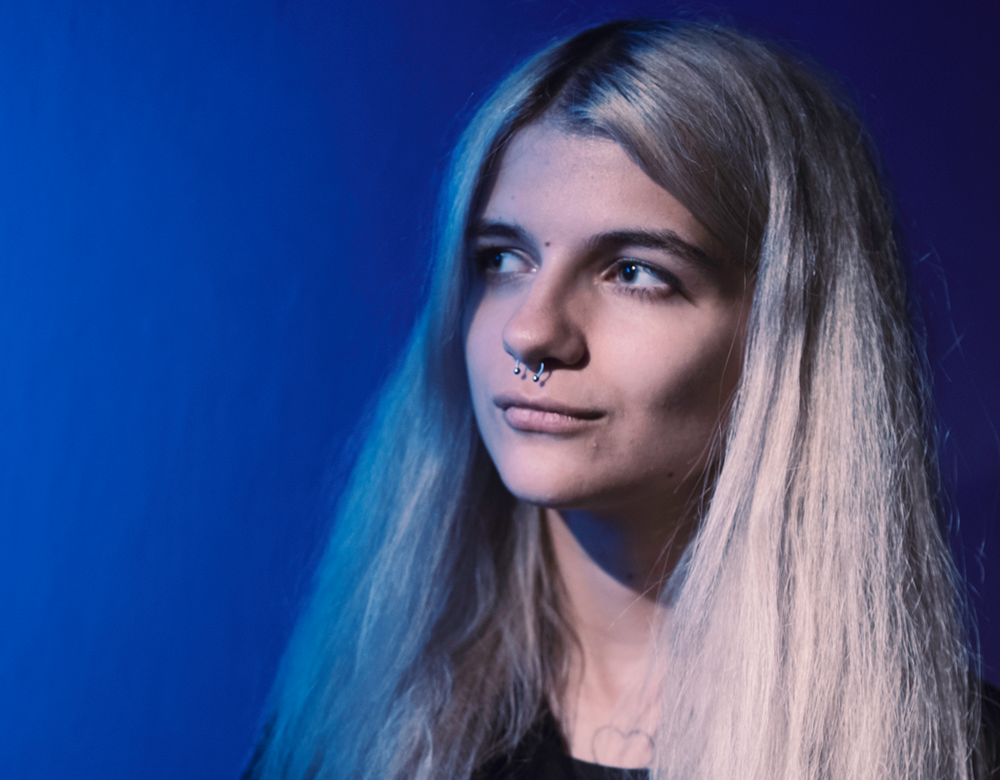
You describe your path to art as a gradual transition from technology and photography into a broader visual practice. Was there a particular moment when you realized that art needed to become a central part of your life?
I think it happened gradually. I’ve always loved photography, but my images were different from what I usually saw, especially on social media. I was drawn to blurred faces, neon colors, distortions, and a sense of unreality rather than technically perfect photographs.
For a long time, I was afraid to share my work because I thought I was just making something weird. Eventually, I showed my photographs to someone from the art world who saw potential in them that I hadn’t recognized myself. That gave me the confidence to experiment and develop my own visual language.
As my work started getting noticed and I began receiving invitations to exhibitions, that was when I first felt that I was exactly where I wanted to be. I realized that what I once considered strange was exactly what made my work unique.
Growing up between different environments and cultures has shaped your personal history. How has this experience influenced the way you think about identity, belonging, and the inner world in your work?
I was born in Russia, but even as a child, I knew I wouldn’t stay there forever. I moved to Israel at 13, but that feeling of being somewhere temporary never disappeared.
Growing up between cultures made me question what defines our identity. I’ve never felt that I completely belonged to one country or society, as if I existed somewhere between different worlds.
Experiencing different cultures also showed me how differently people perceive reality and how much our environment shapes us. Perhaps that’s why I’m more interested in what remains of our identity beyond cultural definitions. Through my art, I explore inner experiences that can connect people regardless of where they come from.
Photography was your starting point, but your practice now includes video, mixed media, and digital experimentation. What motivated you to move beyond traditional photography?
I wanted my work to feel more alive, allowing viewers to immerse themselves in an atmosphere where images and stories unfold through movement.
I’ve worked in IT for many years, so combining technology with art felt natural to me. One of my first experiments was displaying photographs on an old CRT television. I loved the result and started animating my images, adding glitches, and experimenting with video.
I’ve always loved retro technology because it gives me a warm feeling of nostalgia. Even when a work explores pain or difficult emotions, an old television adds a completely different emotional dimension. There’s an interesting contrast between something heavy and painful and something familiar, comforting, almost soothing.
Mixed media allows me to create not just an image, but an experience.
Glitches, noise, overexposure, and digital disruptions appear repeatedly in your work. What attracts you to these visual “errors”, and what do they allow you to express that a clean image cannot?
I’m drawn to the aesthetic of imperfections. To me, distorted and blurred images often feel more honest than perfectly composed photographs. Sometimes an image that’s too flawless feels artificial, as if there’s no room for anything unpredictable.
Life isn’t perfectly clear either. We have gaps in our memories, we don’t always understand our emotions, and we don’t have answers to everything.
Glitches, noise, and blur allow me to express that uncertainty. The image never reveals itself completely, leaving something hidden or unsaid.
Your figures often seem partially dissolved, obscured, or caught between visibility and disappearance. What does this dissolution of the human form represent for you?
When we see a clearly defined face, we tend to focus on the story of that particular person. I want viewers to be able to imagine themselves in that person’s place.
By dissolving human figures, I remove individual features and leave room for personal interpretation. Rather than imposing a specific meaning, I want people to immerse themselves in the work and find something of their own within it.
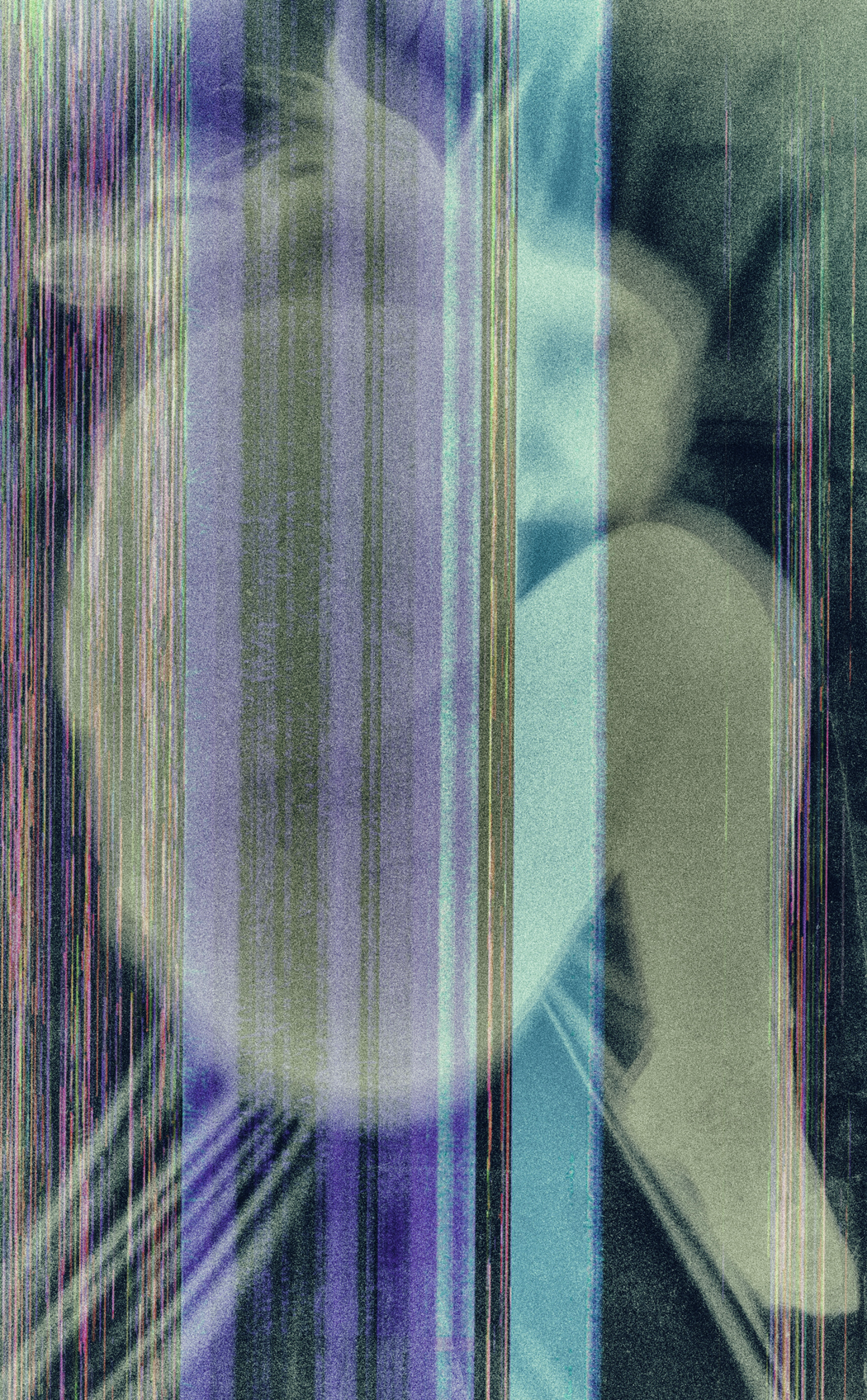
Maria Bakushinskaya | Inner Loop | 2026
Pain, chaos, uncertainty, memory, and transformation recur throughout your work, yet you do not try to resolve these states. How do you approach the process of turning difficult or complex emotions into visual material?
I’ve been through many difficult experiences, and they’ve shaped the themes I explore in my art.
Creating is a way for me to process emotions that are sometimes too complex to put into words. Giving them a visual form helps me understand what I’m feeling and sometimes helps me get through it.
I also hope that people who recognize their own experiences in my work might feel less alone.
I don’t necessarily want to find answers or turn pain into something positive. Sometimes it’s enough to simply allow those feelings to exist and to be seen.
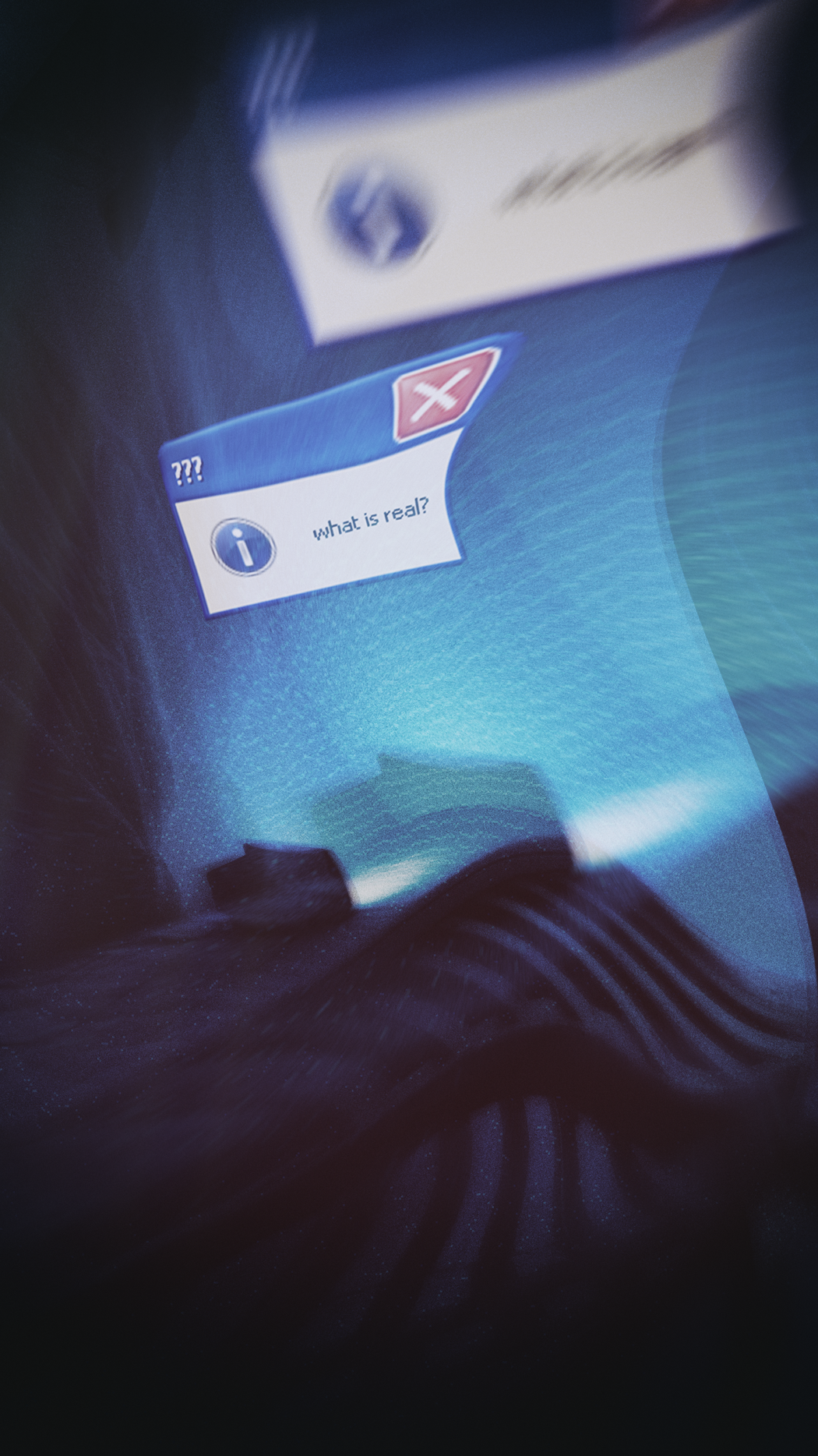 Maria Bakushinskaya | Ral
When viewers encounter works such as Traces of Contact and Inner Loop, what kind of emotional or psychological space would you like them to enter, and what do you hope they might discover there?
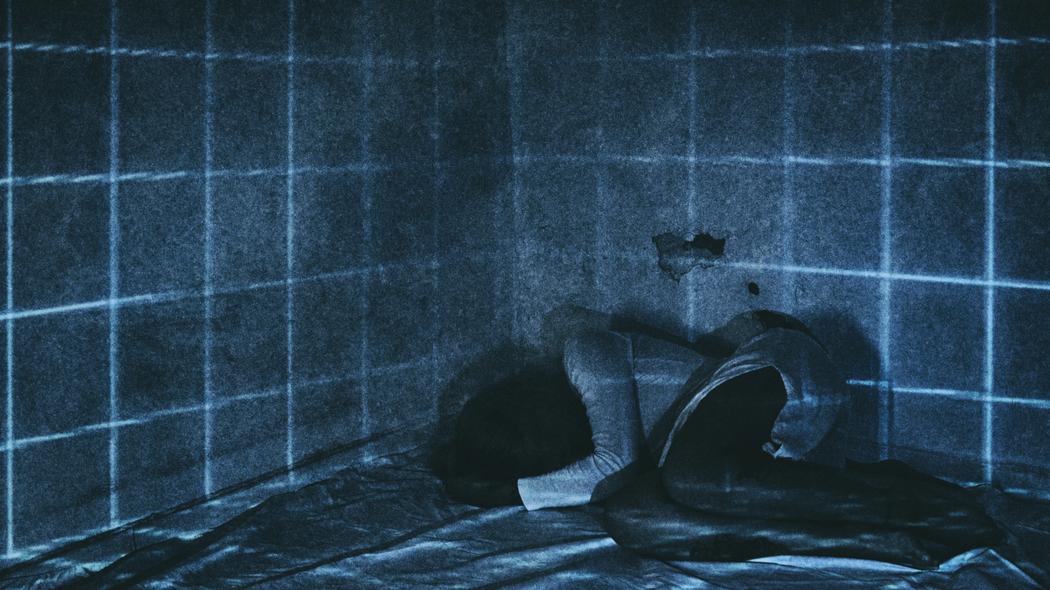
Inner Loop explores emotional isolation, when someone becomes so trapped in their inner world that returning to reality feels almost impossible. Even when they recognize that their situation is destructive, they may still feel unable to escape the cycle.
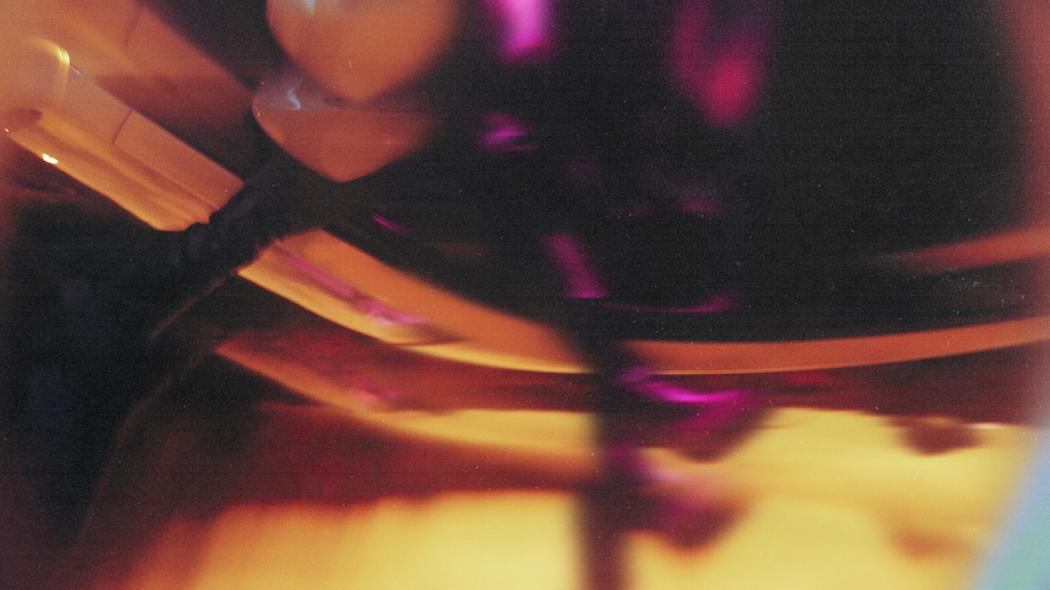
Traces of Contact explores the opposite: our relationship with the outside world. Every connection leaves a trace. Human interactions can enrich and transform us, but they can also hurt or even destroy parts of us. Creation and destruction often exist together.
These works explore the tension between isolation and connection. We can suffer through relationships, but withdrawing completely doesn’t necessarily bring peace either.
Where is the line between protecting our inner world and allowing ourselves to be part of the world around us?
I would like viewers to feel the tension between these two states.