
Shannon Hack
Your practice moves fluidly between metalwork and mixed media. How do you decide which material best serves an idea or concept?
Much of deciding on what material would be best comes down to the environment the piece will be in. If it’s a wall hanging piece, the expectation is that it will always be indoors in a controlled environment allowing for a vast range of materials that can be chosen based on fitting in with the intended narrative of the piece. Other works, such as Missing Piece, have multiple display capabilities such as a sculpture placed on a pedestal or the ability to be worn as a bracelet which means the choice of materials becomes more limited because I have to take into account factors like oil from skin or other things it may be exposed to.
Many of your works seem to explore fragmentation and reconstruction. What draws you to these themes?
I believe it happens more subconsciously than having an actual plan to execute these themes specifically. The constant reemerging and exploration seem to come down to the simple explanation of that’s just how life is. At some point everyone will have to face reconstructing some aspect or viewpoint in life whether it’s mentally, in their career, or their day to day. I think that’s what draws me back again and again is that everyone can relate to the growth and evolving that comes from conquering life’s obstacles.
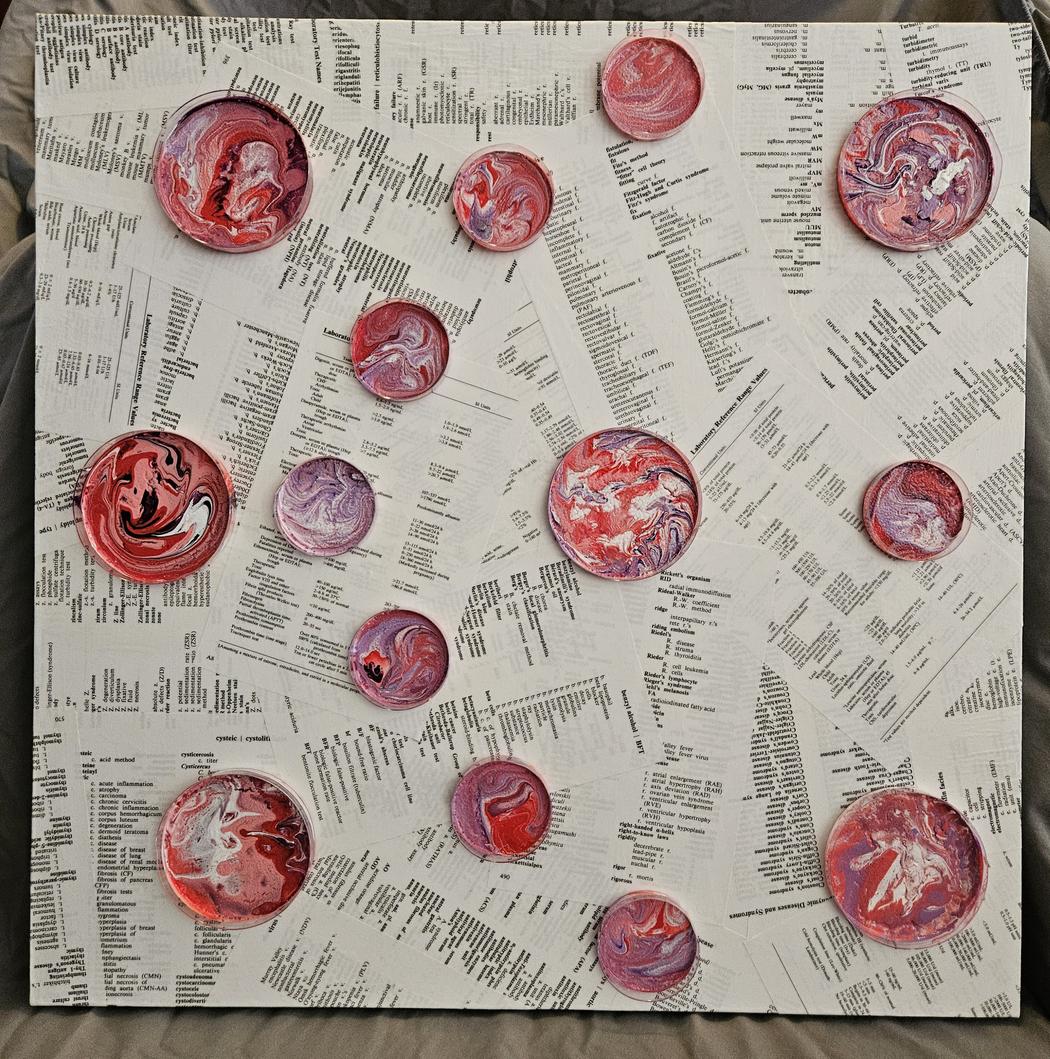 Shannon Hack | Used to be a Cow | 2024
How has your background in architectural sculpture influenced the way you approach form and space in your work?
It’s definitely made me more mindful when I’m creating a piece about how it will interact with a space and other works around it. It also makes me more conscious of the negative and positive space not just within a piece, but the environment around it. An architectural sculpture designed for an entry to a building may not translate or be suitable for use in a traffic circle where the sun’s glare could and cause a hazard for drivers. It’s made me think more about how pieces can be adapted to their settings.
Your pieces often combine industrial materials with organic or emotional narratives. How do you balance these contrasting elements?
It’s a lot about choosing the correct materials to make a piece out of that will tell the story to the extent of its abilities. For example, if my piece Anxiety were made of metal, it wouldn’t convey the same story and engage the audience the same as it does. The choice to use 3D filament discard was to not only give use to the waste created from printing but also due to its twisting form reminding me of how having anxiety feels like a jumbled mess of emotions. I believe that could be said for a majority of my pieces, that the material can make or break the narrative I’m looking to create.
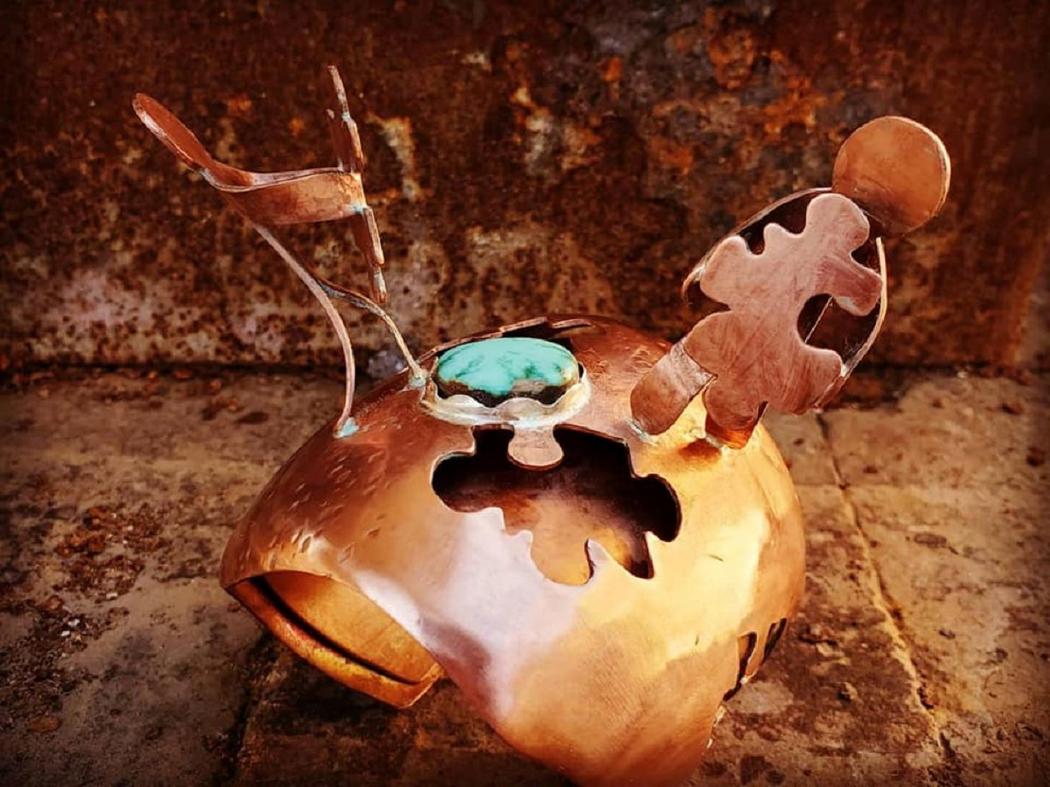 Shannon Hack | Missing Piece | 2024
Can you tell us more about your experience working with NASA’s Psyche Mission and how it shaped your artistic perspective?
The internship I completed was early on in my art career and I was able to design and complete four works for the mission. Since I was still early in my journey when the opportunity arose, I put a lot of experimentation into what I created because I was still at the point of finding myself as an artist. The result of this was four works in utilizing different media. I hand beaded one piece, made stained glass for another, created a box diorama, and made a kinetic sculpture utilizing lights and movement to depict the journey. It was the kinetic piece that had me choosing sculpture as my medium. This experience shaped my perspective in that I want to create pieces that express a narrative and not just be making art for aesthetic pleasure.
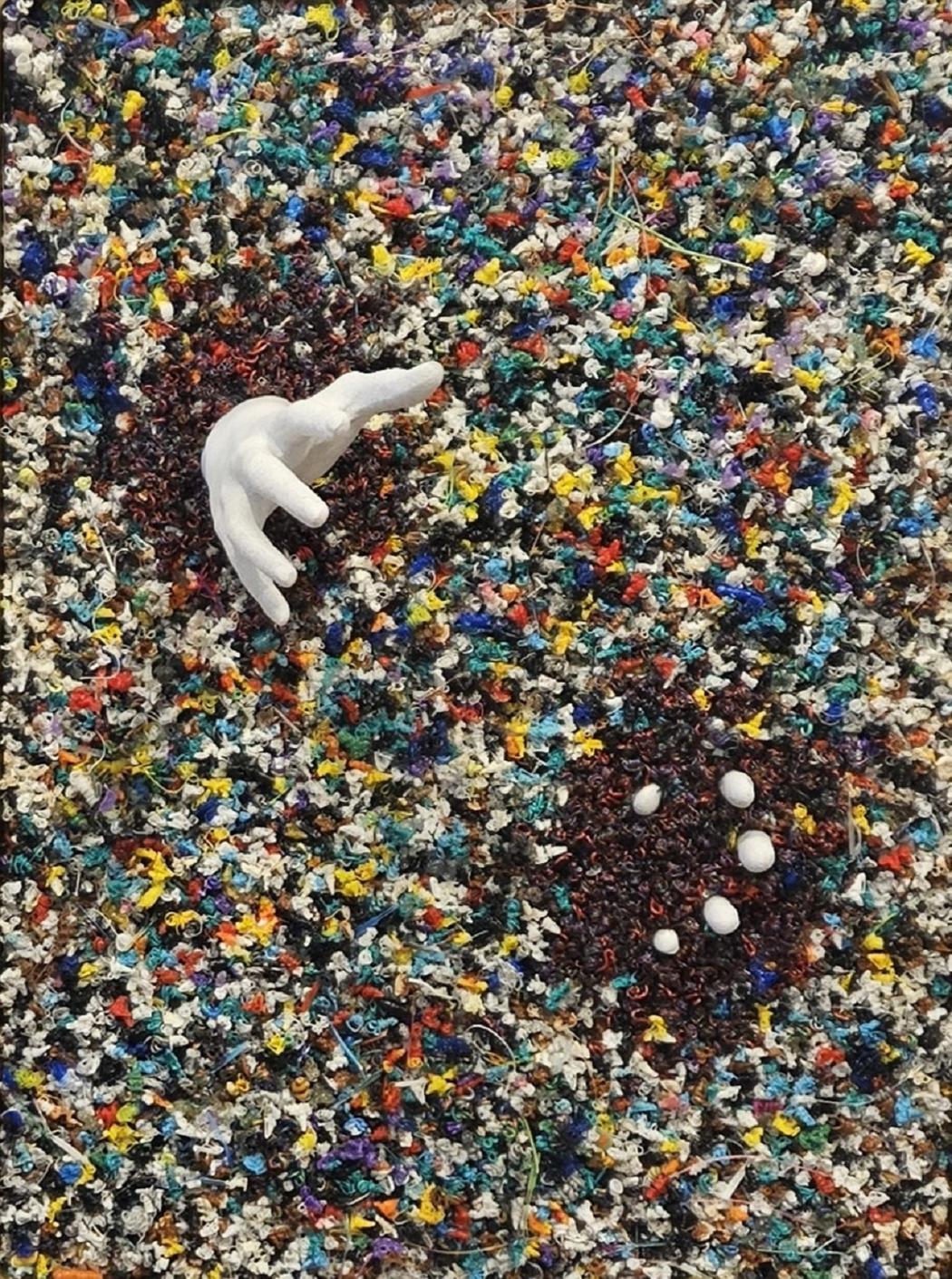 Shannon Hack | Anxiety | 2025
Public engagement appears to be an important part of your practice. How do you approach making complex ideas accessible through art?
For me, it all starts with dissecting the idea into groups and determining what information would engage the biggest audience when translated into an art piece. This could be anything from what would hook the viewer and educates them or what intrigues them enough where they educate themselves by doing their own research. Many times, there are no guarantees to be able to express the whole idea into a singular piece so I have to pick and choose what to include or break it down into segments and create a unified series where each piece pertains to a unique part of the main overall idea.
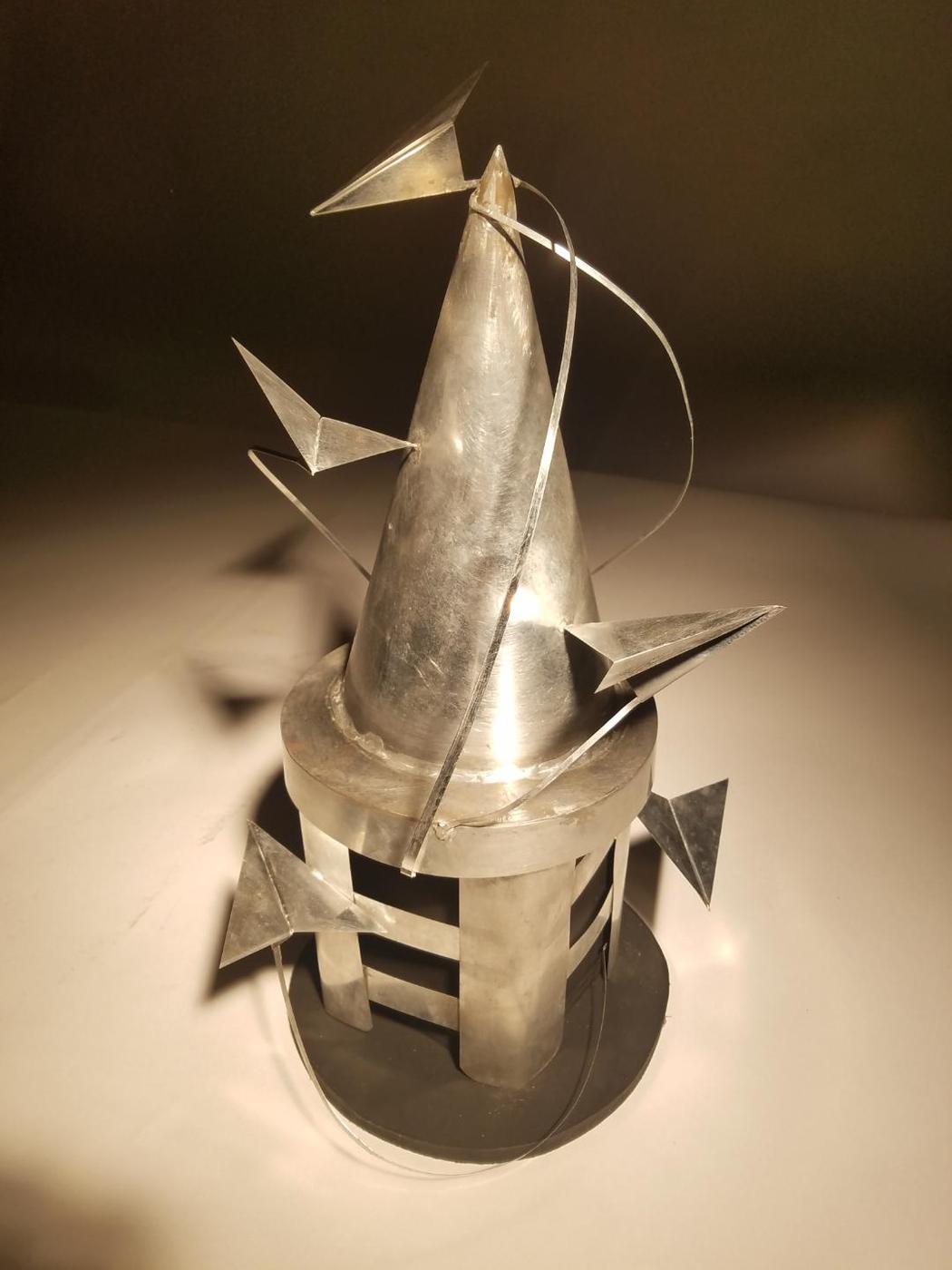 Shannon Hack | Daydream | 2023
As a single mother, your personal journey is deeply intertwined with your career. How has this experience influenced your artistic voice?
During the early years of motherhood, raising a child on the spectrum, there weren’t any communities to help support parents and/or caregivers emotionally and art became a therapeutic outlet for me. When my son reached an age where I could pursue it as a career, it made me want to create artworks that share my personal journey in hopes that it can help others, convey to them they’re not alone, and just bring attention to the weight parents carry.
Leave a Reply
You must be logged in to post a comment.