
Marcus Frost
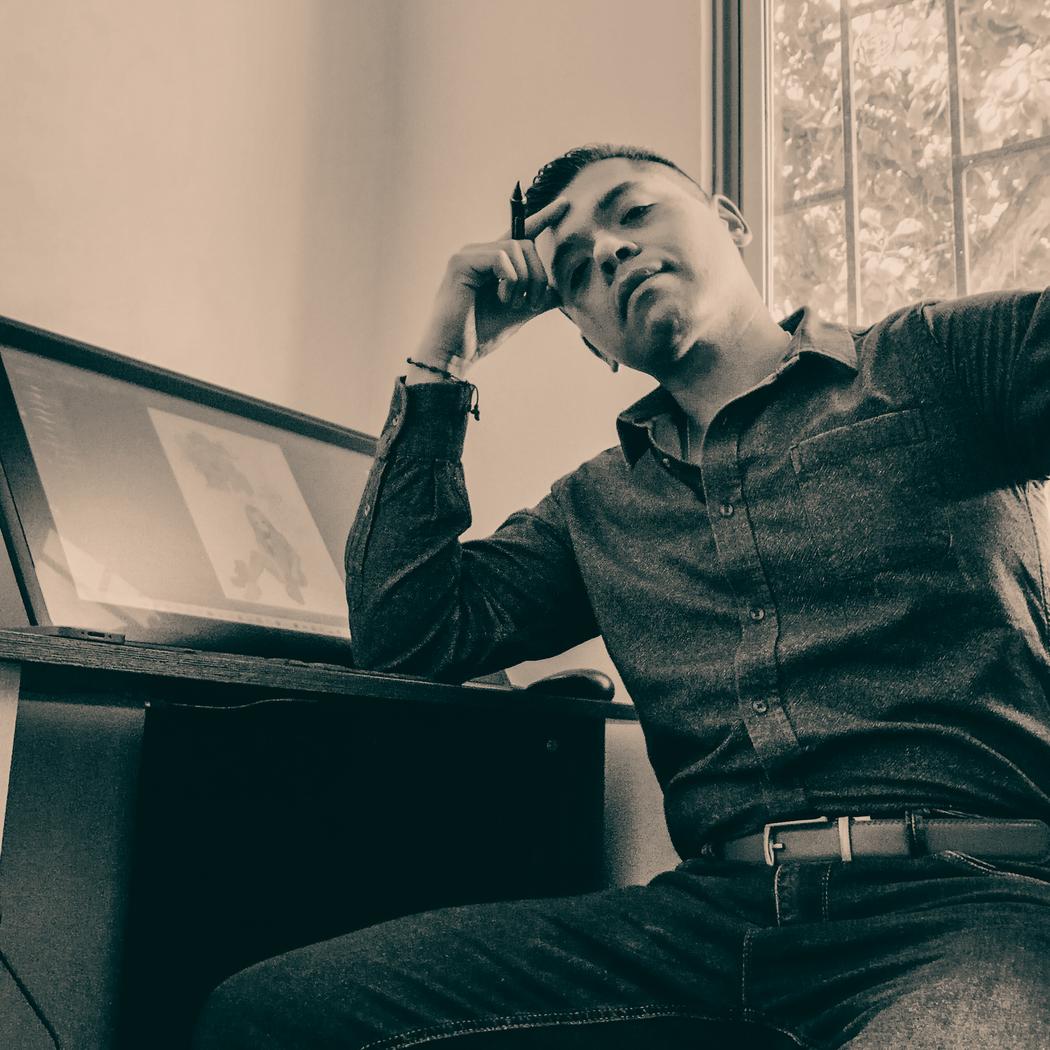
The Crimson Eden embraces a strong 90s anime aesthetic. What draws you to that era visually and emotionally, and how do you reinterpret it for a contemporary audience?
The 90s anime aesthetic carries a luminous nostalgia for me, it was an era where bold colors, exaggerated emotions, and cinematic framing transformed animation into a language of feeling. That decade taught me that animation could be more than entertainment; at its most powerful, it becomes a lifeline, stories that remind us we are not alone, images that give hope in moments of despair, and worlds that inspire resilience when reality feels overwhelming.
For today’s audience, I reinterpret that spirit through modern techniques: digital fluidity that creates seamless motion, layered symbolism that speaks to diverse cultural contexts, and references that bridge East and West. In this way, the essence of the 90s becomes not just retro, but timeless, honoring the past while opening new doors of connection in the present.
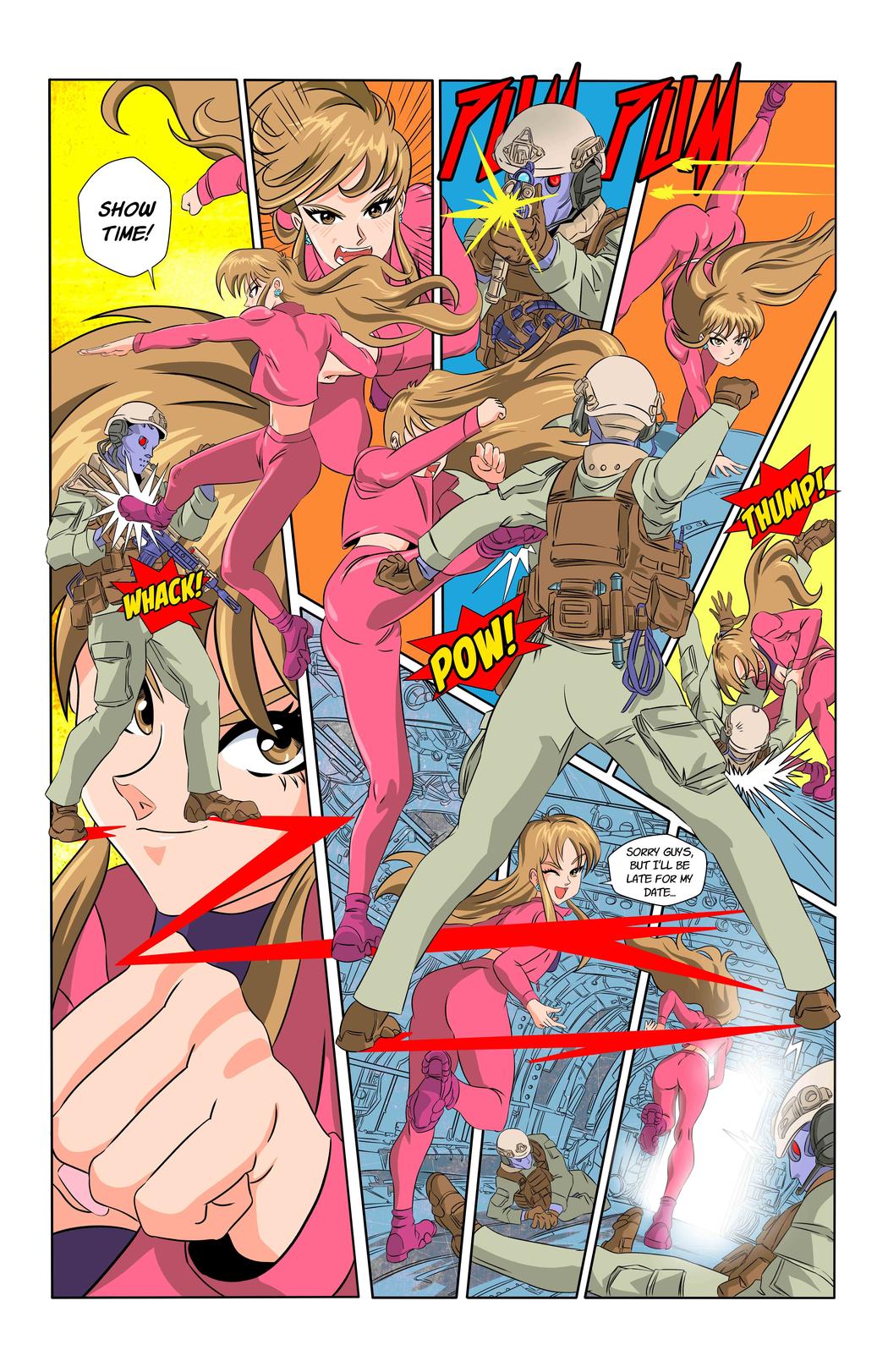 Marcus Frost | Comic page No4
Your work blends retro-futurism with themes of human resilience. What does resilience mean to you in the context of a world dominated by machines and artificial intelligence?
Resilience, to me, is the ability to preserve our humanity in a world shaped by machines and artificial intelligence. It is not resistance, but adaptation with empathy and imagination. Retro-futurism allows me to show that even as technology advances, resilience is the art of finding hope, meaning, and connection, reminding us that stories and creativity can save lives by keeping the human spirit alive.
The character of Genesis seems central to the story’s moral and technological conflict. What does she symbolize within the narrative?
Genesis embodies the central tension of the narrative: the fragile balance between technological ambition and human morality. It symbolizes the birth of possibility, the spark of creation that can either illuminate or consume. In it, resilience and vulnerability coexist:
it is both a reflection of humanity’s yearning for transcendence and a warning of what happens when progress loses sight of compassion.
In the story, Genesis is a computer virus that represents the moral compass in a world dominated by machines. It is a reminder that technology must serve life, not replace it. Its presence challenges the characters to confront whether innovation can coexist with empathy, and whether resilience means adapting to the machinery or preserving the essence of what makes us human. In this way, Genesis is not just a character: it is a symbol of choice, of the paths we open when deciding how to shape the future.
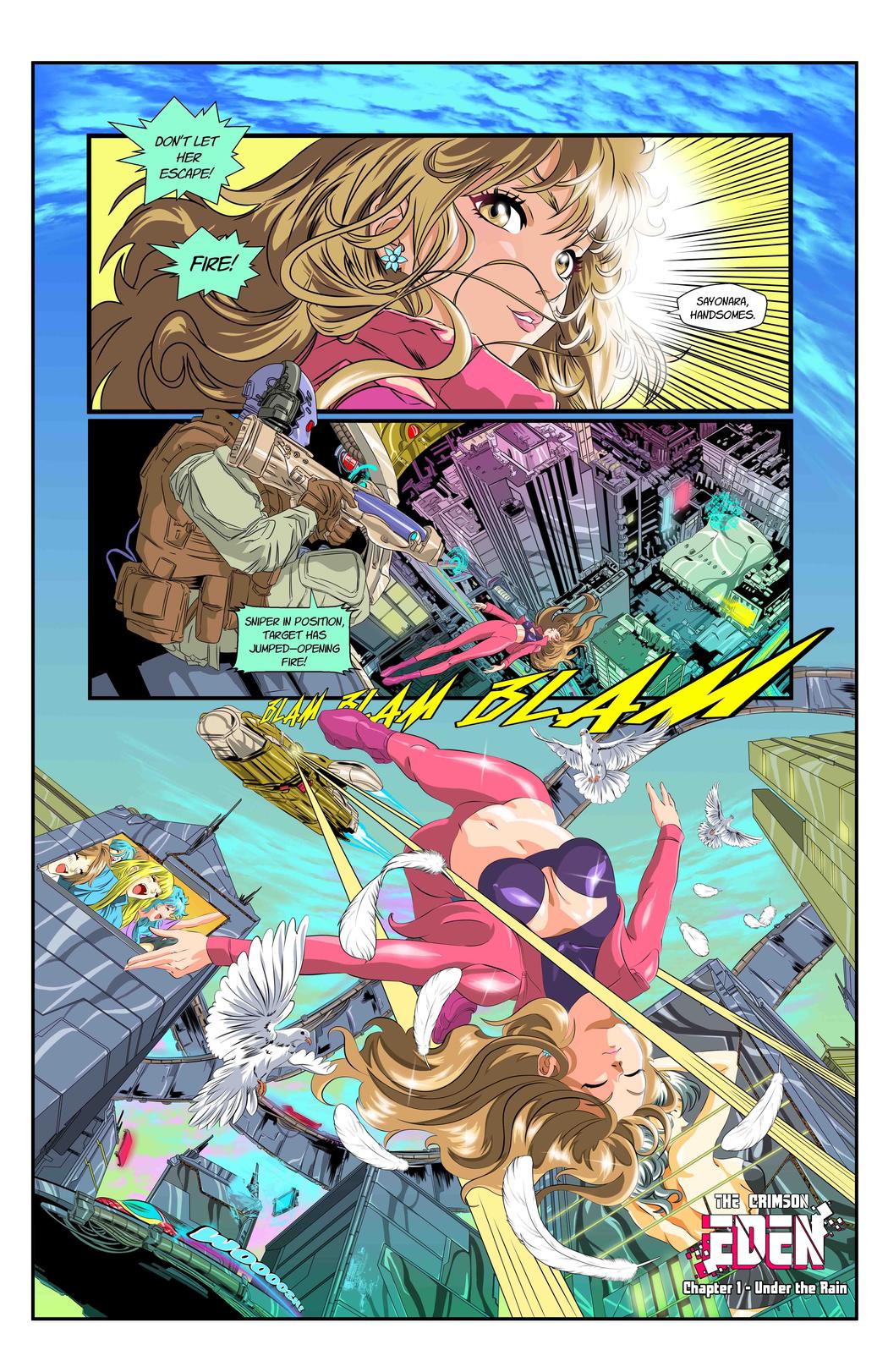 Marcus Frost | Comic page No5
You have a background as a military instructor and professional photographer. How have those experiences shaped your approach to storytelling, composition, and discipline in your creative process?
My background as a military instructor gave me discipline and structure, but also the lesson of perseverance, of moving forward even when everything feels uphill. Photography, in turn, taught me to see the world in frames, to capture emotion through composition and light. Together, these experiences shaped my creative process: disciplined yet sensitive, precise yet resonant, allowing each work to be both carefully constructed and emotionally alive.
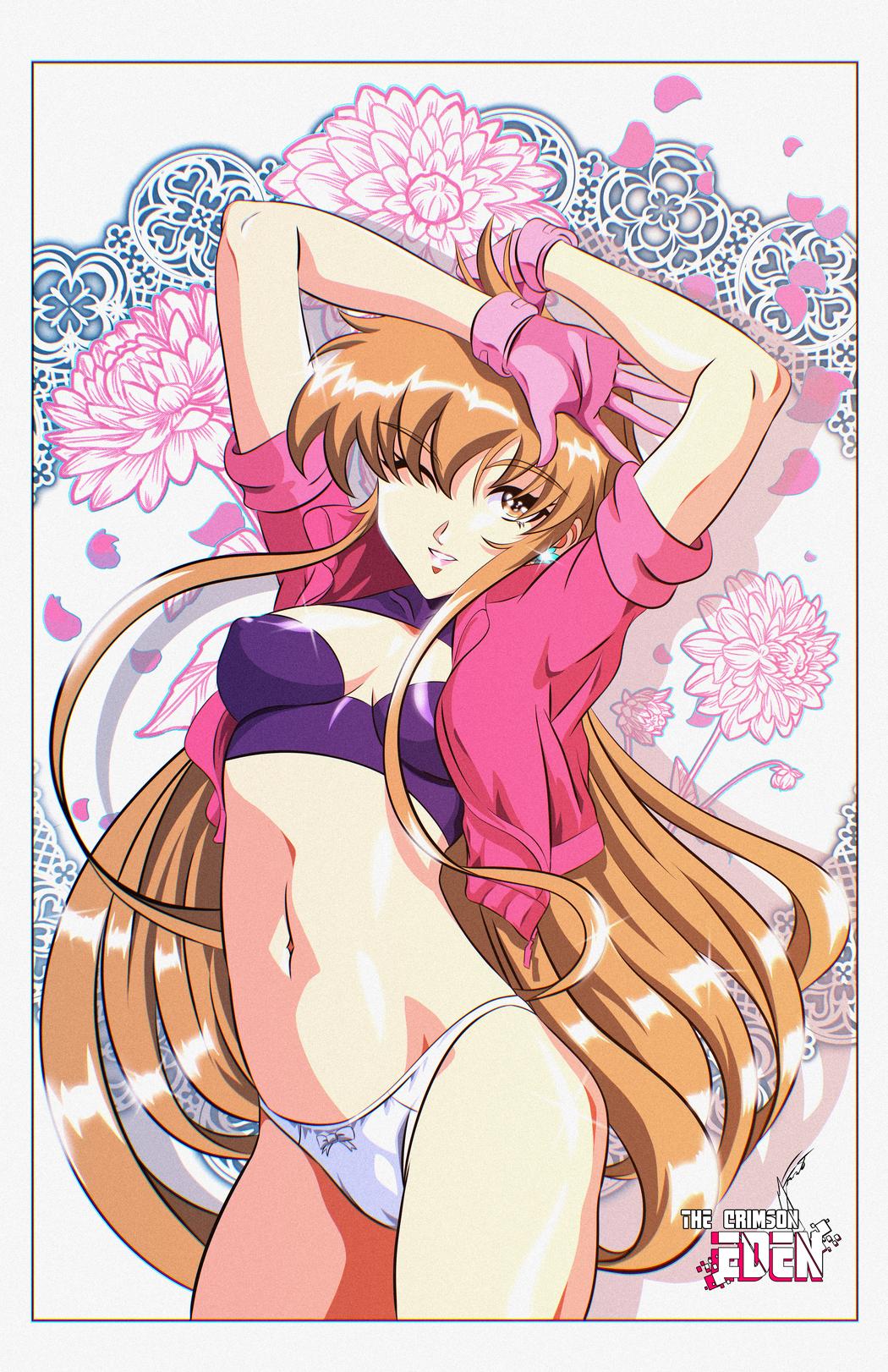 Marcus Frost | PIN UP Dahlia
Your visual language references masters like Frank Frazetta, Esteban Maroto, and José “Pepe” González. Which specific lessons or techniques from these artists have most influenced your work?
From Frank Frazetta, I learned the power of dynamism and atmosphere: how movement and shadow can carry the weight of entire worlds. Esteban Maroto taught me the elegance of line, how intricate details and fluid composition can transform a page into a symphony. José ‘Pepe’ González revealed the emotional clarity of character design, capturing vulnerability and sensuality with precision.
Japanese masters also shaped my vision: Masamune Shirow taught me to fuse technology and philosophy into storytelling, Satoshi Urushihara inspired me with his delicate yet powerful depiction of the human form, and Kenichi Sonoda demonstrated how style and narrative can merge in vibrant, kinetic worlds.
Together, these influences gave me a visual language that combines intensity, refinement, and futurism. I strive to reinterpret their lessons through current tools, so that their techniques continue to resonate with today’s audiences.
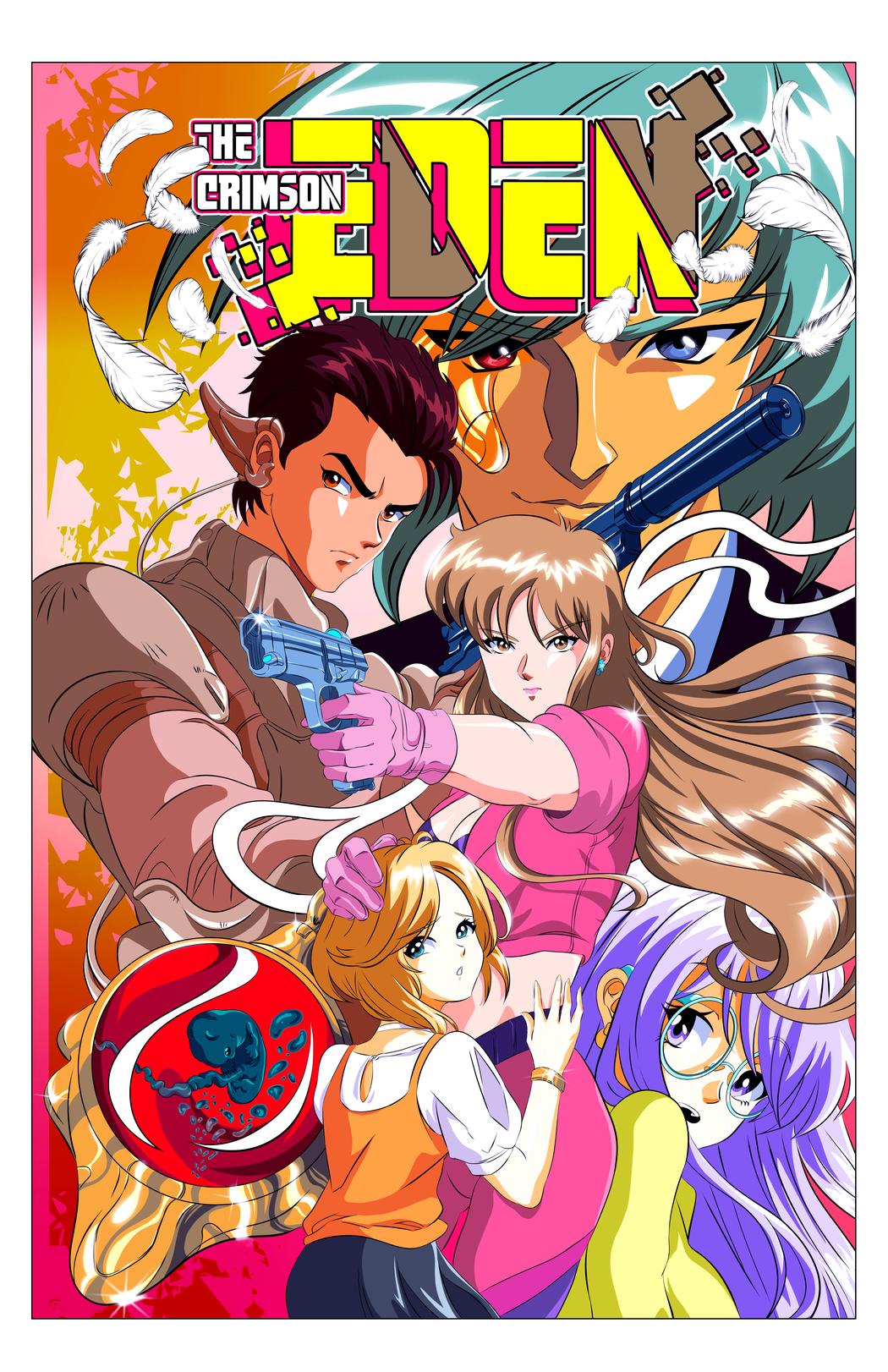 Marcus Frost | Portada novela grafica
The story presents a world where governments have fallen and corporations’ rule. Do you see this narrative as speculative fiction, social commentary, or a warning?
It’s a warning for society and the world we live in today. Speculative fiction gives me the freedom to imagine governments collapsing and corporations rising to power, but beneath that vision lies a reflection of our current reality.
By presenting this world, the story warns us about the dangers of allowing profit to replace empathy and responsibility. It reminds us that resilience must be collective and that, if we ignore these signs, we risk losing the very structures that protect our humanity. In that sense, the narrative is not just a dystopia: it’s a reflection and a warning, urging us to act before fiction becomes reality.
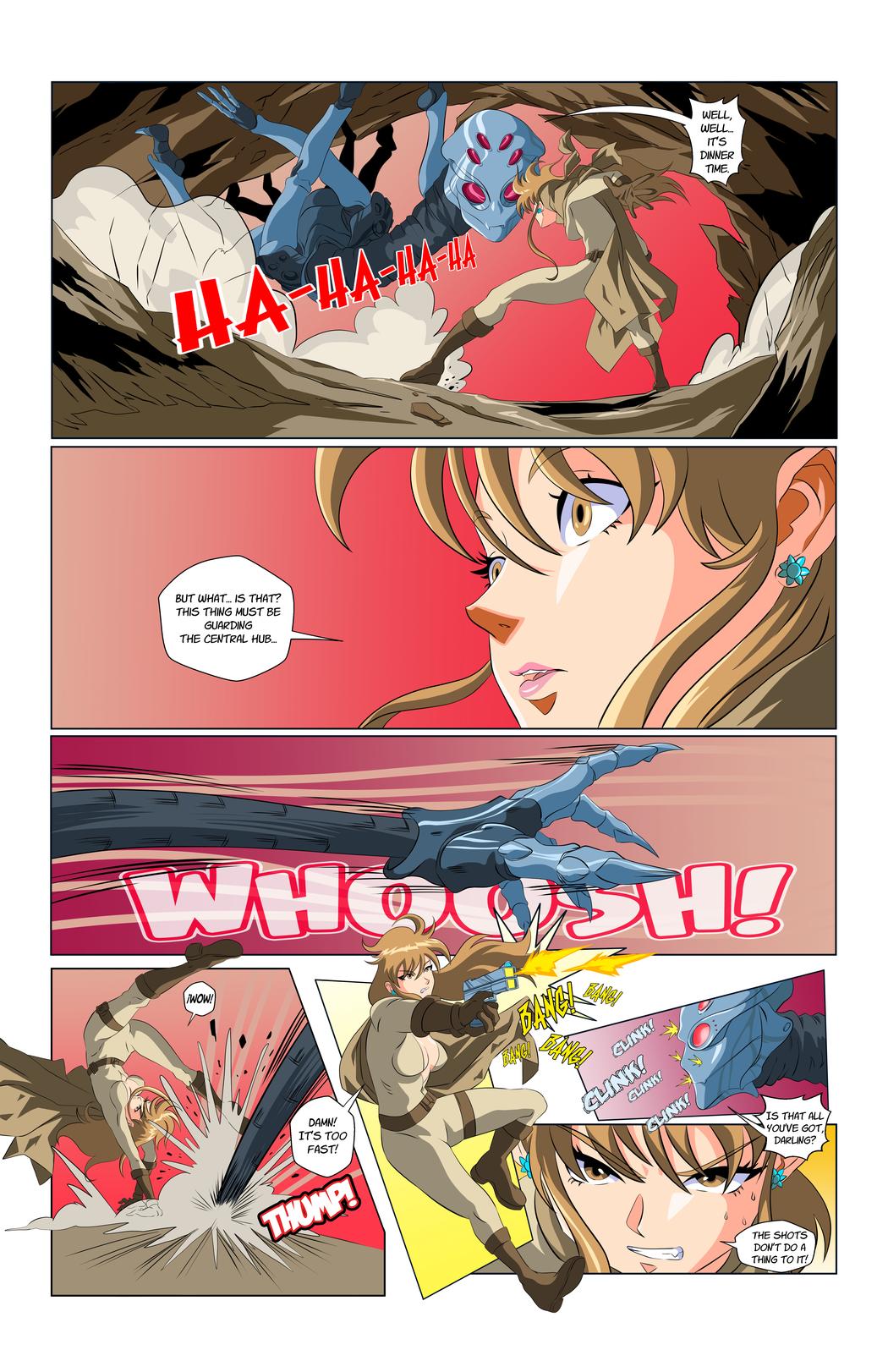 Marcus Frost | Sample desert
You plan to develop an animated short film based on the graphic novel. What challenges and opportunities do you foresee in translating your static illustrations into motion?
Translating static illustrations into motion is both a challenge and an opportunity. The challenge lies in preserving the emotional weight of each frame, what was once a single, carefully composed image must now flow seamlessly into movement without losing its intensity. Timing, rhythm, and continuity become as important as composition, demanding discipline and precision.
The opportunity, however, is immense. Animation allows me to expand the emotional resonance of the graphic novel: gestures can breathe, silence can stretch, and symbolism can unfold across time. Motion gives new life to resilience, turning still images into experiences that audiences can feel in their bodies. In this way, the short film becomes not just an adaptation, but an evolution. An invitation to inhabit the world more deeply.
Leave a Reply
You must be logged in to post a comment.