
Tayib Alias
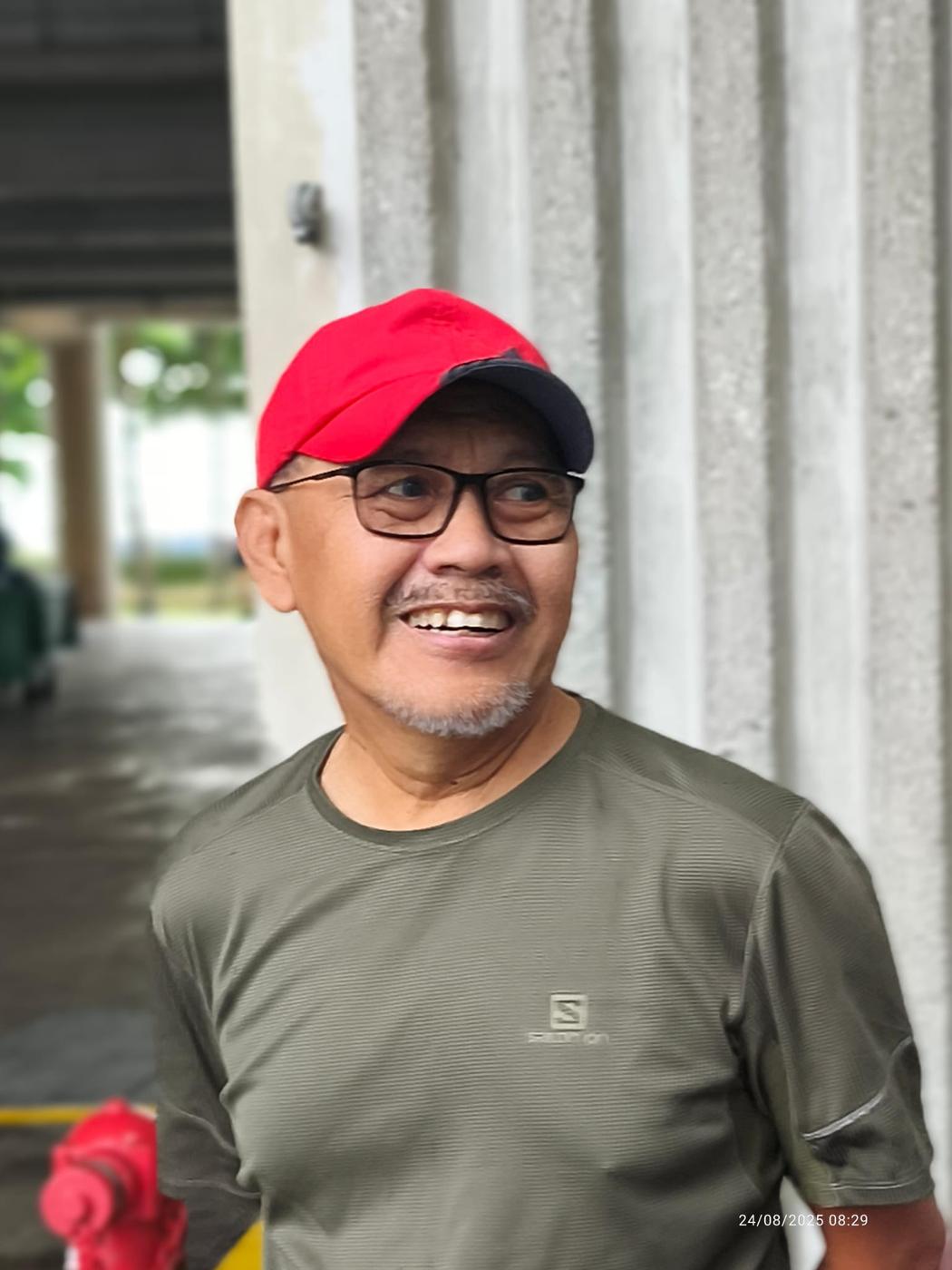
You began painting after your retirement in 2021. Can you describe the moment when painting shifted from a casual activity into a meaningful artistic practice for you?
At the beginning, after few art jamming painting sessions during the post Covid, my children encouraged me to continue painting considering that my pieces of artworks had shown an artistic skills that can be developed as way to pass time. I realised that it was not a bad idea then. I started to thinking about painting when I wasn’t doing anything. That’s when I begin to look at YouTube to look for art tutorial and begin to start painting, trying mixing a new colour, or improving a technique. Painting slowly became part of my daily routine and gave my days structure and purpose. That was when I understood it was more than just a hobby—it had become meaningful to me.
As a self-taught artist, what were the most important discoveries or challenges you encountered while learning independently?
I learned a great deal from YouTube tutorials and by observing other artists. One of my biggest challenges was understanding colours, especially the different shades and how they work together. I often doubted myself and had to experiment repeatedly to get the colours right. Over time, playing with colour taught me patience and helped build my confidence. I learned that making mistakes is part of learning.
Landscapes play a central role in your work. What draws you to this genre, and what do landscapes allow you to express that other subjects might not?
Landscapes speak to me in a quiet and personal way. They allow me to express emotions such as calm, longing, and reflection without needing words or people. I enjoy painting open spaces, skies, and horizons because they give me a sense of freedom and stillness. Landscapes allow me to slow down and be honest with my feelings.
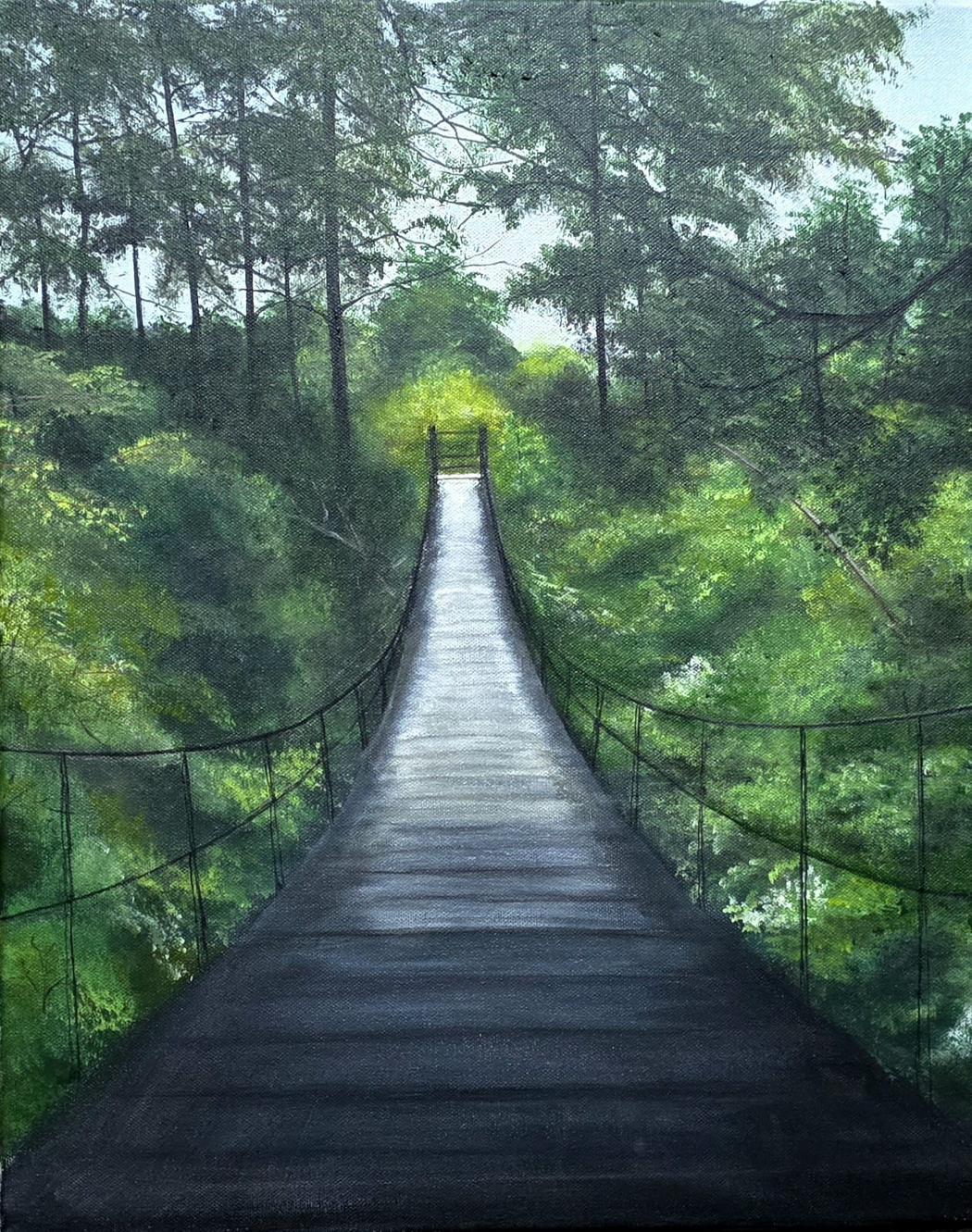
Your paintings often evoke calm, stillness, and reflection. How intentional is this atmosphere, and what emotions do you hope viewers experience when engaging with your work?
This atmosphere comes naturally from how I feel when I paint. I paint slowly and quietly, and that feeling finds its way onto the canvas. I hope viewers feel a sense of calm and peace when they look at my work—perhaps a moment of rest or reflection in their busy lives.
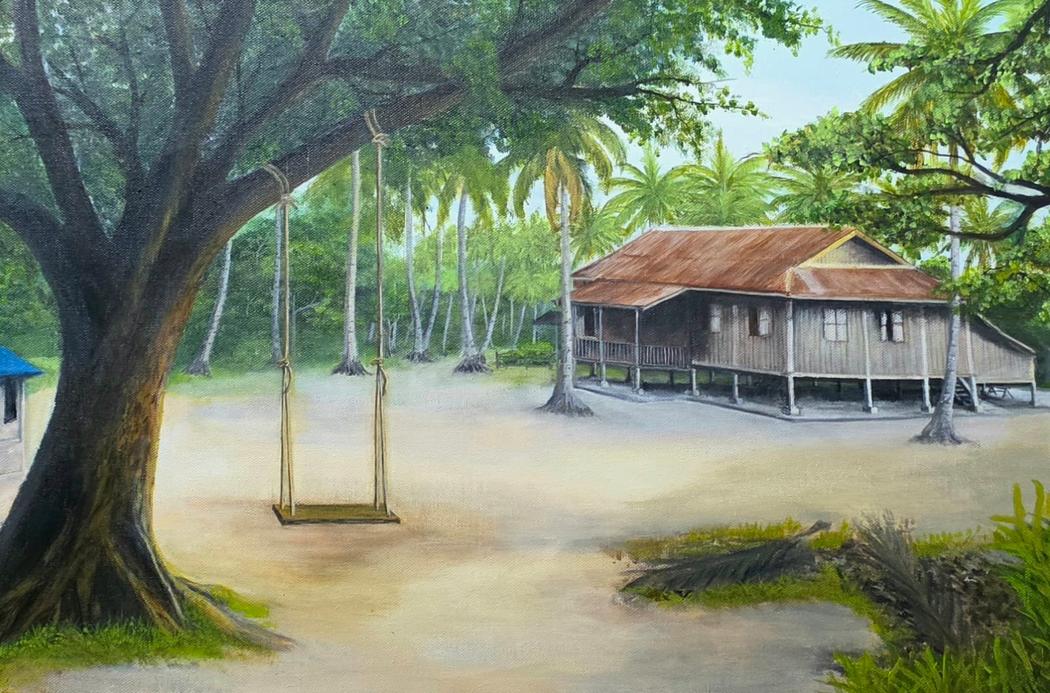
How do memory and personal experience influence the places you choose to paint? Are your landscapes inspired by real locations or imagined spaces?
Most of my inspiration comes from places I have been, places my children have visited, and even requests from my children. Some works are also inspired by photo images from library archives and social media. Often, I combine these references with memory and imagination. I focus more on how a place feels rather than painting it exactly as it is.
Working with acrylics requires both control and spontaneity. What do you enjoy most about this medium, and how does it suit your way of working?
I did try watercolour, but I found it difficult to control. Acrylics suit me better because they allow me to experiment, make changes, and explore colours freely. I enjoy playing with colours and discovering new combinations. Acrylics give me confidence and flexibility in my work.
You’ve mentioned hoping to inspire retirees and late bloomers. What advice would you give to someone who feels it’s “too late” to begin a creative path?
It is never too late to start. You don’t need experience or talent—only curiosity and the courage to try. I started painting after retirement, and it gave my life new meaning. The most important step is simply to begin.
Leave a Reply
You must be logged in to post a comment.