
Katerina Kirik
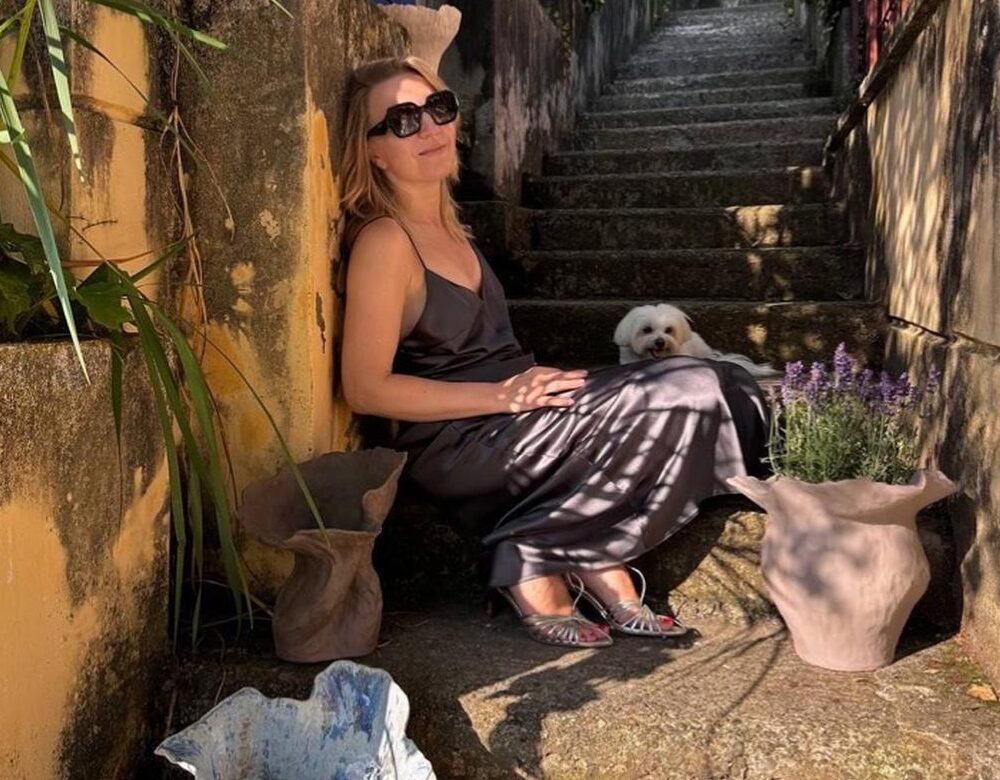
Your professional background is in finance, hospitality, and interior design. What moment or inner shift led you to fully commit to clay and sculptural ceramics?
Yes, at the time when I was applying for higher education, finance and law were the most popular fields. I did not work in my specialty for long, as I quickly realized that a dress code was not for me. From then on, my path was entirely creative: working with jewelry from India, running an event agency and creating celebrations, doing interior renovations in apartments and chalets, and even opening a restaurant in Krasnaya Polyana. Later came a reset and a pause due to the joyful experience of maternity leave.
I happened to come across a video in my feed showing a pottery wheel—how hands give birth to form—and it captivated me visually, so I decided to try it. In the end, however, I focused on hand-building. I feel the clay better this way and can move at my own rhythm, rather than the rhythm of the wheel. I never plan or sketch my vases in advance; I find that boring. What truly interests me is the flow of the process and where it leads—so-called intuitive sculpting, when it is not the mind or the eyes that shape the work, but some deeper essence of yourself that wants to manifest through the clay. In the end, there is a childlike sense of joy, because it is always a surprise.
Water is a recurring presence in your work – rivers, sea ripples, flowing energy. What does water symbolize for you personally and artistically?
By a twist of fate 🙂 I moved ten years ago from the bustling and cold Moscow to Sochi to warm up.
Looking at water is always calming; waves are the rhythms of life, the restoration of our energy — that is what water means to me. Sochi is full of mountain rivers and waterfalls. The water there is so different, always a living energy. I suppose I looked at it so intensely that I began to recreate it myself 🙂
I really love leaving my fingerprints on the clay, as if they were the ripples of the sea. It creates the feeling that the vase is breathing and moving, yet remains still.
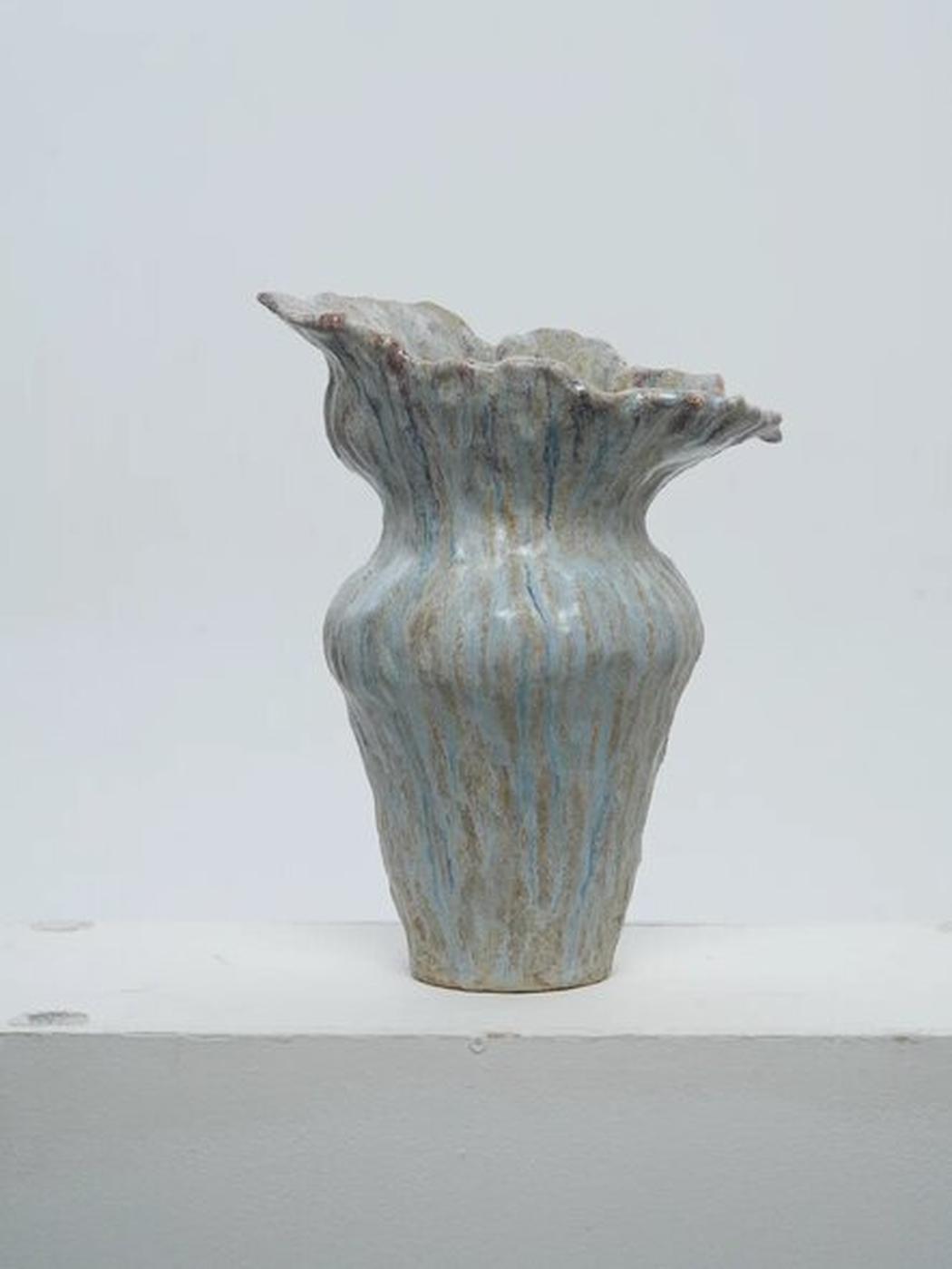 Katerina Kirik | Morskaya | 2025
Many of your vases resemble human bodies, often imperfect and asymmetrical. Why is bodily imperfection important to you as a visual language?
There is a current trend focused on working on oneself, improving, and changing. I have always done this too—examining my body, noticing where its parts are not the same, and trying to bring them into symmetry. I was truly surprised when I started sculpting and realized that my vases are also asymmetrical, and that this is exactly what is so pleasing to look at. It creates a kind of wave—again, movement, energy. Our bodies are not static; they are energy, a dynamic structure that can be shaped and transformed. And it’s important to enjoy the fact that we are all different, to observe and appreciate these unique features rather than hide them or try to conform to standards. I can see this trend gaining momentum now.
You work primarily with large-scale hand-built vases. What physical or emotional challenges does working at this scale bring?
Yes, I realized almost immediately that I wanted to work with large forms. The only problem I’m facing right now is that I can’t fit my vases into the kiln, so I have to reduce their size.:)
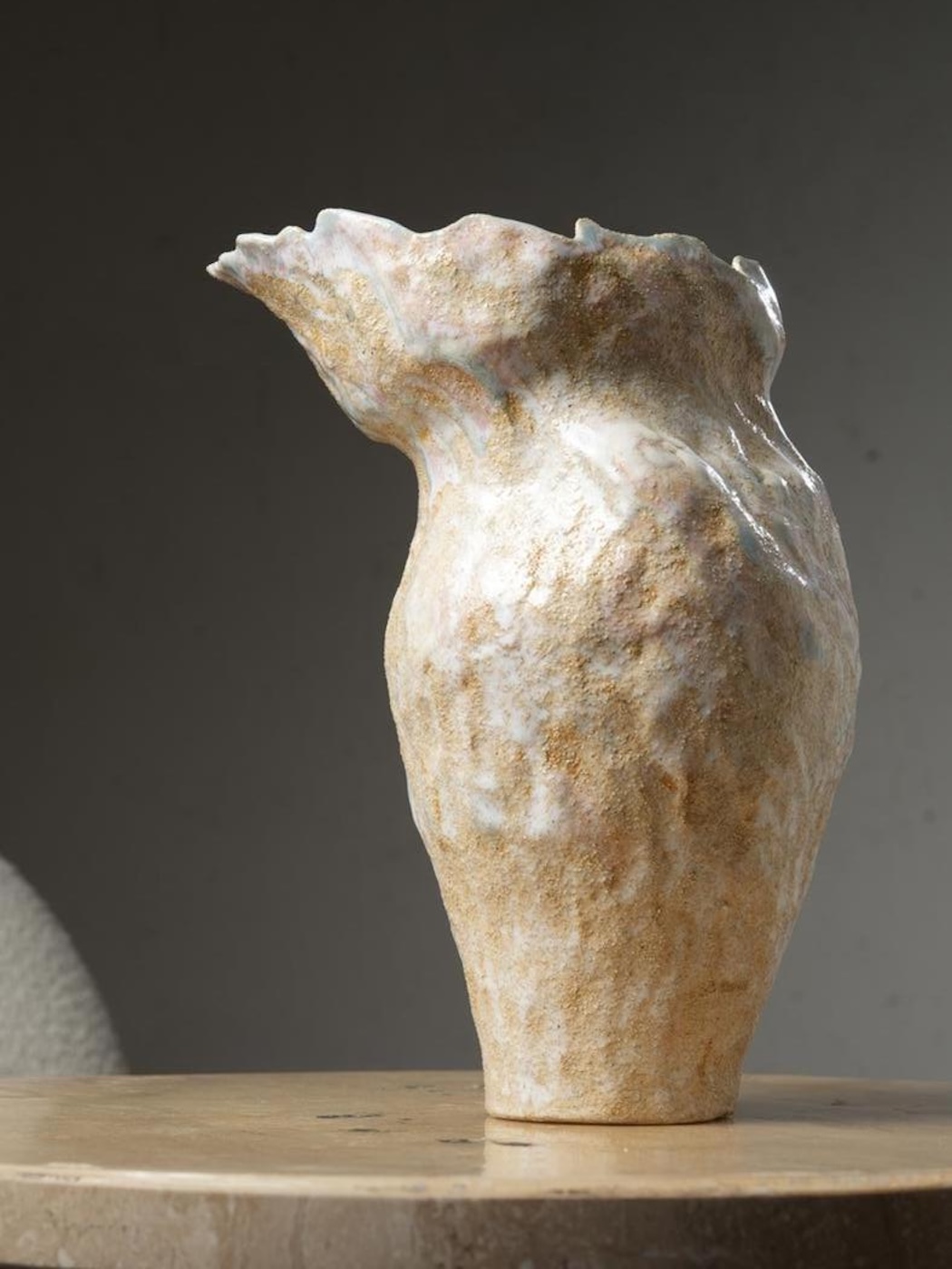 Katerina Kirik | Perelivi | 2025
Movement and lightness are central sensations in your forms. How do you translate something as intangible as flow or energy into clay?
Clay is a medium that carries human energy. I simply pass on my own — it’s that simple. In this sense, I like to see people through their creative work.
Your works balance strength and fragility. How do you perceive this duality, and is it connected to your understanding of the human condition?
An interesting observation. I would say lightness and strength — and these are no longer contradictions 🙂 My vases are people, living beings. Each one is different and beautiful, and you can talk to them. That’s why glazing them is so difficult for me. It feels as if I’m hiding them, wrapping them in dresses and cloaks 🙂 Some of them remain in raw clay — I feel they will find their buyer, someone who doesn’t need them to wear clothes 🙂
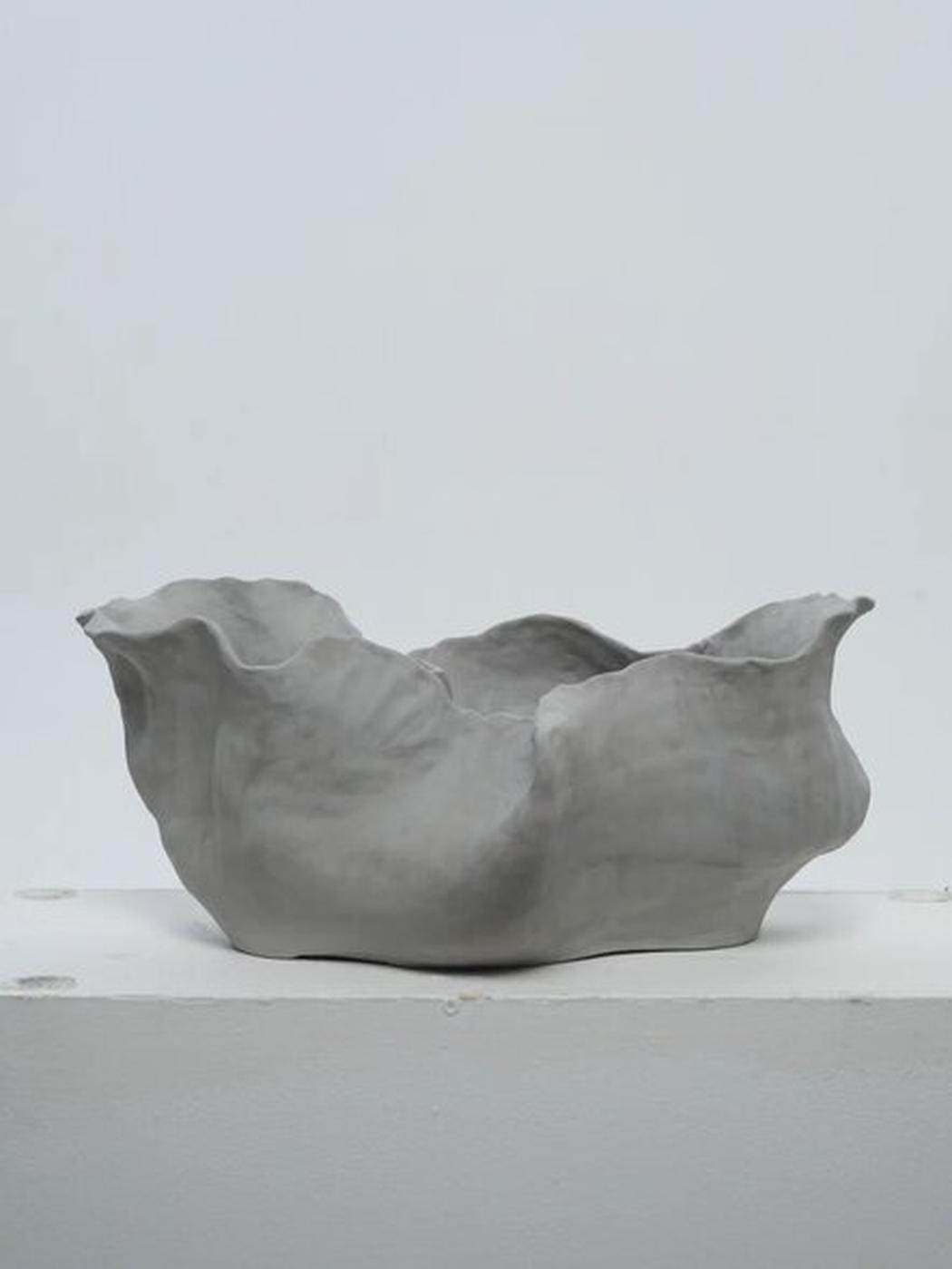 Katerina Kirik | Reka | 2025
You also teach adults in your studio. How does teaching affect your own practice and perception of clay?
When you watch how people interact with clay, you realize how different everyone is. The calmer and more relaxed a person is, the faster they connect with it.
I usually begin talking about clay with these words: “Don’t rush — it needs your love and gentleness 🙂 Make friends with it, and it will do everything the way you want.”
For some, it works from the very first try.
Leave a Reply
You must be logged in to post a comment.