
Kazumi Sakurai
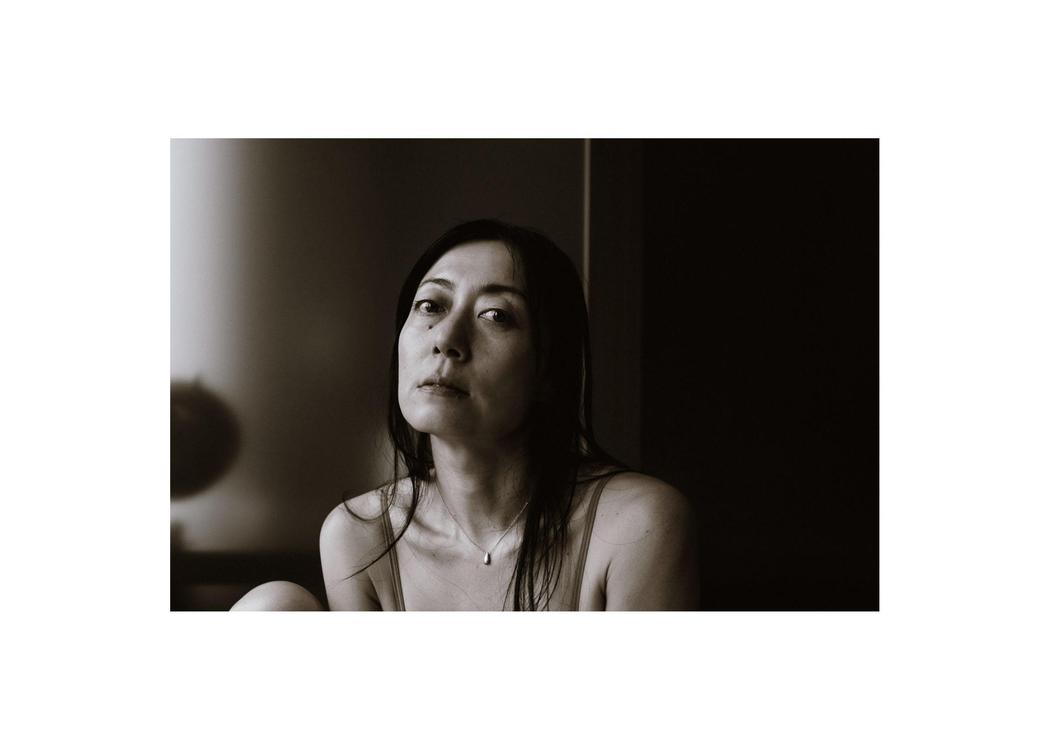
Your relationship with photography began almost at birth, through your father’s camera. How do you feel this origin story continues to shape the emotional core of your work today?
I don’t consciously remember it, but what I felt from my father through the viewfinder — like many children — was love.
Receiving love, feeling connected, being held. That feeling became something very simple: joy, safety, and a quiet permission to exist. I believe that still connects directly to my work today.
In certain moments, something in my heart trembles very gently, and that becomes the feeling of “I want to photograph.” Perhaps it is also a desire to connect.
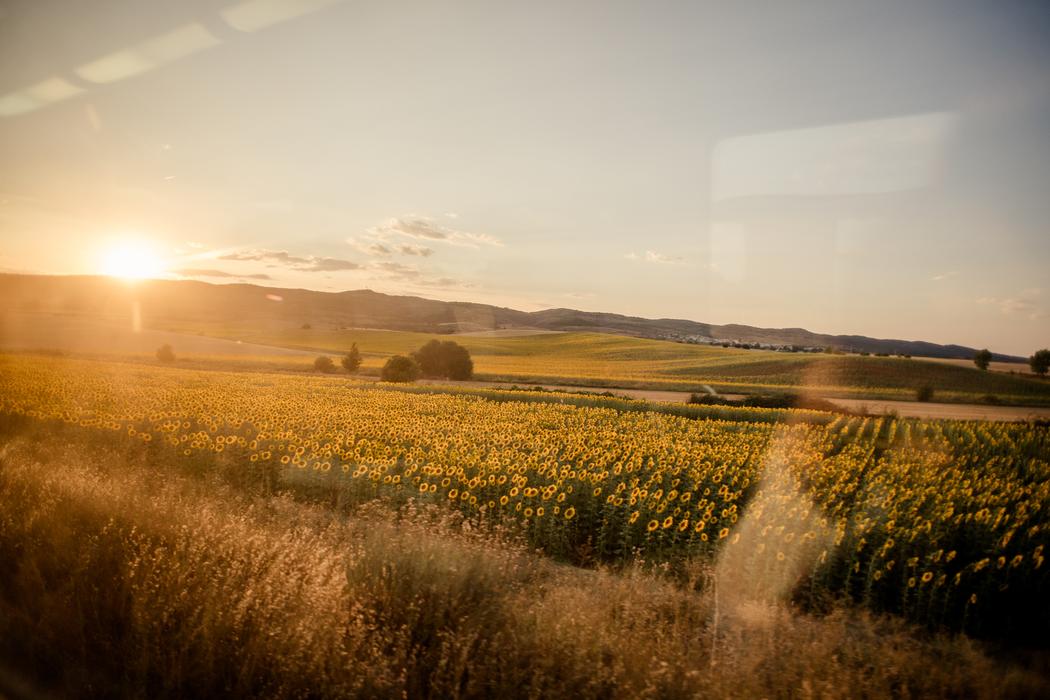 Kazumi Sakurai | Sunflower | 2018
You describe photography as “an exchange of love.” What does love mean in your images, and how do you recognize it when it appears in a photograph?
It’s simply what I feel drawn to—what feels beautiful, or quietly moving. Sometimes it’s something tender, sometimes something a little sad, sometimes something I find sweet or endearing.
Love, for me, is whatever makes the heart move.
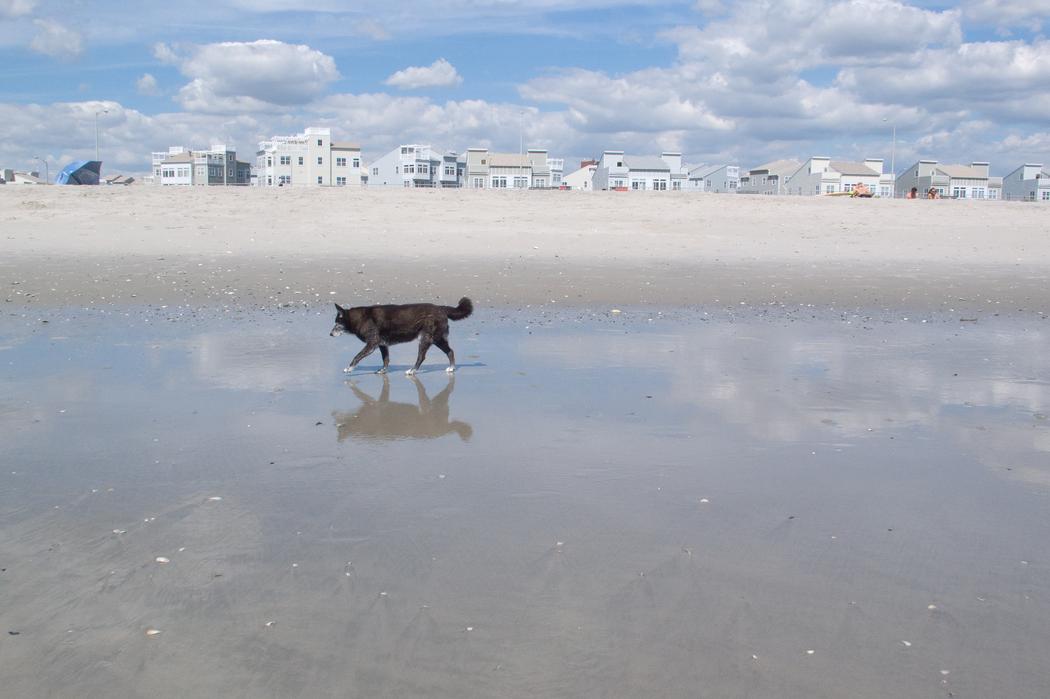 Kazumi Sakurai | Phantom
Memory and nostalgia play a central role in your practice. Do you photograph in order to remember, or to reinterpret memory through the present moment?
I don’t think too much when I photograph. In that sense, it may be both — or neither.
Sometimes it feels like memory, and sometimes it feels less like memory and more like an atmosphere. Often, what remains in the photograph is not the past itself, but a present moment that carries a certain mood or feeling.
I like returning to my images over time. Each time I look at them again, the relationship shifts slightly, and I often receive new realizations. These quiet changes are an important part of my practice.
Many of your images feel quiet, restrained, and deeply contemplative. How important is silence or stillness in your creative process?
I’ve come to realize how essential it is. Without a sense of quiet presence—of simply being there—the heart doesn’t open.
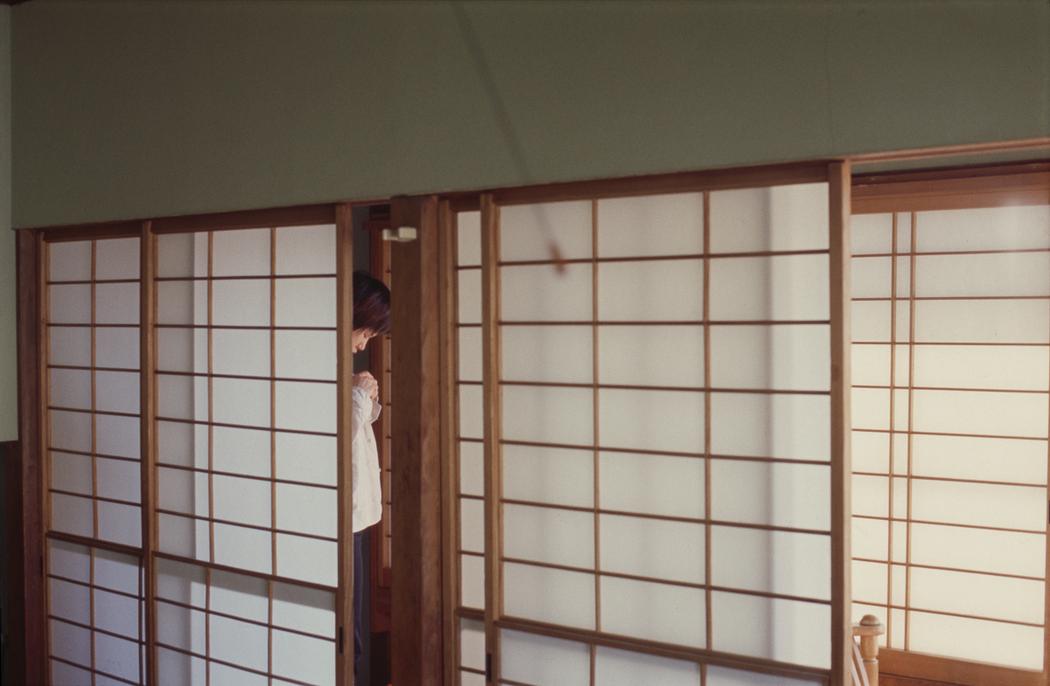 Kazumi Sakurai | Peek
You work across commercial, fine art, and documentary photography. How do these different practices influence one another, and where do you feel most at home?
I feel most at home somewhere between fine art and documentary.
Fine art is where I feel free to express myself, but I believe that freedom is rooted in documentary ways of seeing.
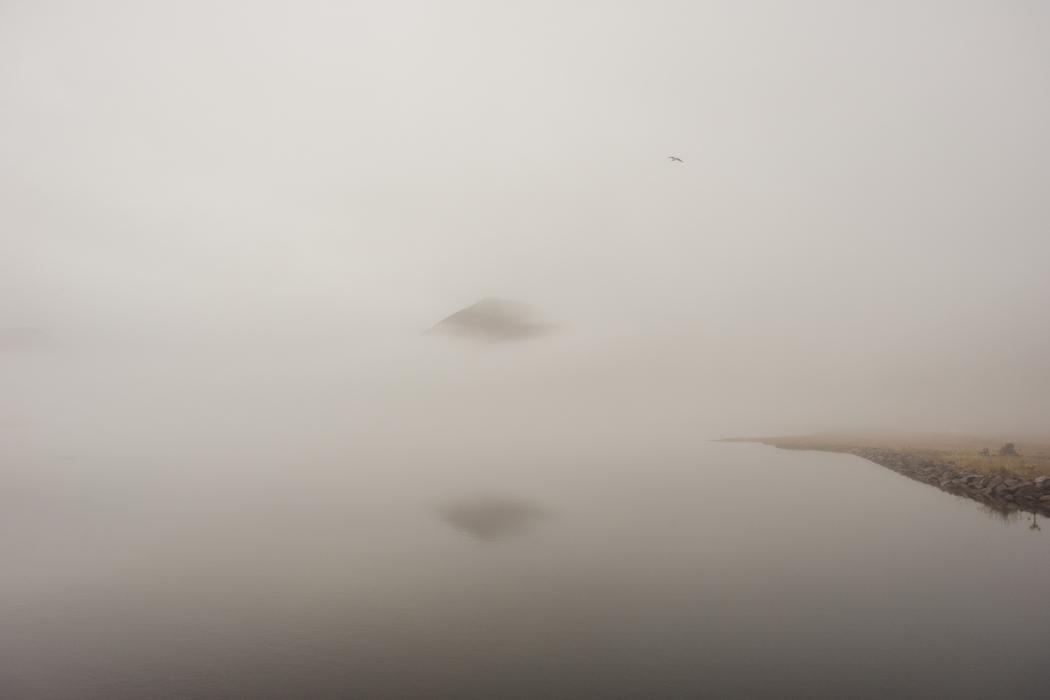 Kazumi Sakurai | Iceland | 2019
The series Dream carries a softness and an airy, almost subconscious atmosphere. What draws you to this dreamlike visual language?
My eyesight actually isn’t very good — it’s been the same since I was in high school. But I don’t wear glasses or contact lenses. In the back of my head, I sometimes think I might be trying to avoid seeing reality clearly.
Even so, I can clearly see the moment when my heart moves and I press the shutter.
Softness — sometimes something slightly blurred — feels comforting to me. It may simply be the kind of beauty I naturally see and live with.
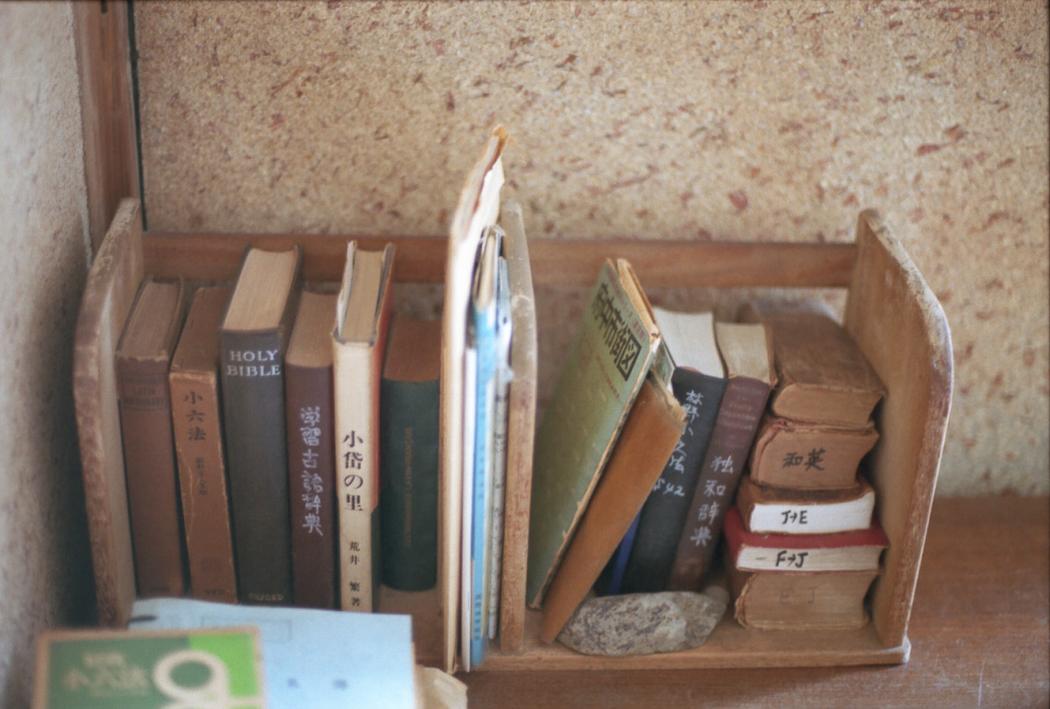 Kazumi Sakurai | Hisdream | 2006
What do you hope viewers feel or discover within themselves when they spend time with your images?
This is a difficult question for me.
Part of me feels it would be presumptuous to expect something from the viewer. And yet, I share my work because I hope something is felt.
I was afraid of connecting with people, yet I longed for connection. I wanted to be understood, but I couldn’t express my true self… When the stage of sharing photos, all those past feelings come along with them. in a sense, my naked self is just thrown out there.
It’s frightening, but also the most honest way I know to connect safely with the outside world, and somehow, it feels safe.
If people who see my photographs feel their hearts move a little, and like me, they connect with something—an emotion, an atmosphere, a memory… if they end up connecting with something within themselves- then I feel very lucky.
Leave a Reply
You must be logged in to post a comment.